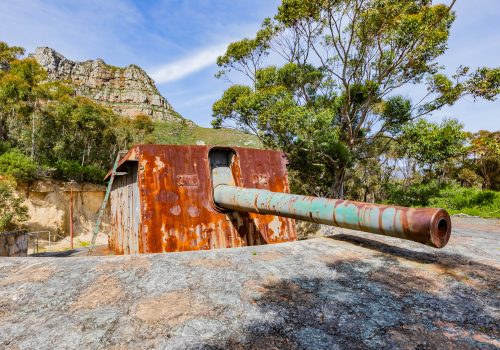
Apostle Battery
Constructed in 1939 on the Twelve Apostles, this WWII battery was a critical naval defense. Featuring tunnels and gun sites, it highlights wartime engineering and strategic surveillance overlooking Hout Bay.
Constructed in 1939 on the Twelve Apostles, this WWII battery was a critical naval defense. Featuring tunnels and gun sites, it highlights wartime engineering and strategic surveillance overlooking Hout Bay.
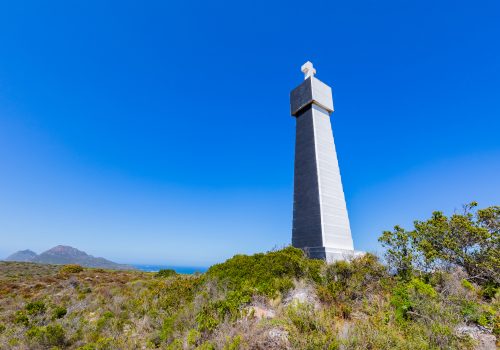
Strategically positioned on Table Mountain, the Diaz Cross commemorates Bartolomeu Dias’s 1488 voyage. Originally a navigational beacon, it stands as a historic symbol of early European maritime exploration in southern Africa.
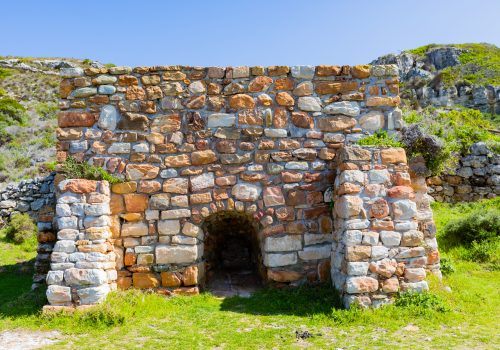
Built in 1860, this double-barrel lime kiln reflects early colonial industrial ingenuity. By utilizing local limestone and fuel, its efficient design supported the Cape’s growing settlements through continuous building material production.
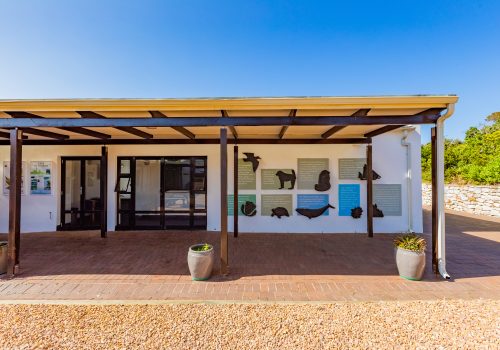
Constructed in 1811, the Buffelsfontein Homestead reflects the Cape’s colonial and industrial history. Once a site for lime and cement production, it now serves as a preserved heritage landmark within fynbos.
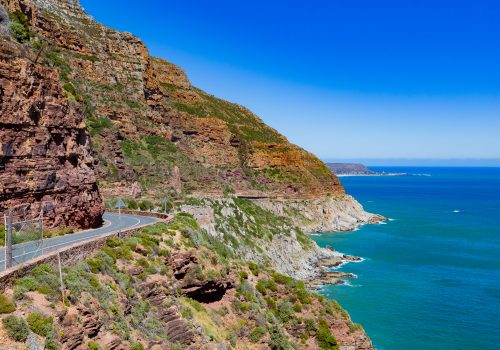
Constructed using convict labor and opened in 1922, Chapman’s Peak is an engineering marvel. It offers world-renowned scenic views, unique Table Mountain geology, and exceptional biodiversity within a UNESCO World Heritage Site.
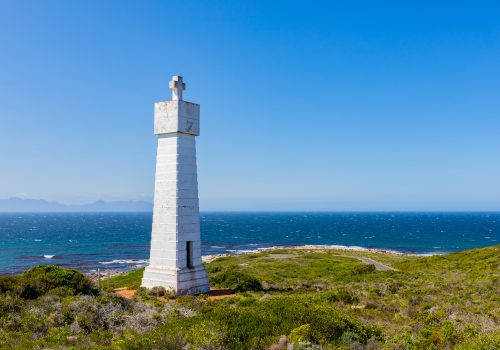
Unveiled in 1969, this monument commemorates Vasco da Gama’s 1497 landing at St Helena Bay. Originally a navigational beacon, it symbolizes the maritime link between Europe and India and Portuguese heritage.
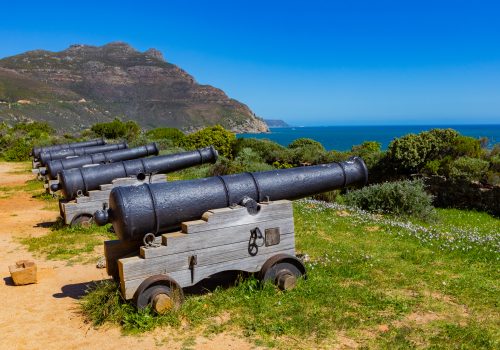
Originally built by the French in 1782, East Fort was a strategic battery defending Hout Bay from naval invasion. Today, its restored guns and sandstone ruins showcase 18th-century colonial military architecture.
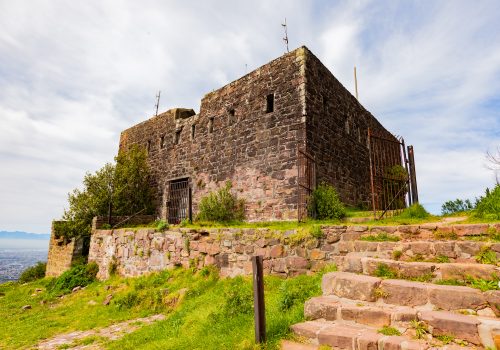
Perched on Devil’s Peak, the 1795 King’s Blockhouse is the only intact British fortification of its kind. Built for strategic surveillance of both bays, it now serves as a historic hiking landmark.
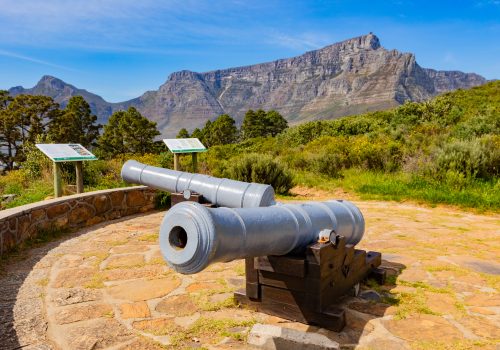
Cast in England, these unique King George III cannons were relocated to Lion’s Head in 1961. Today, they serve as a historic military landmark, offering 360-degree views and significant heritage value.
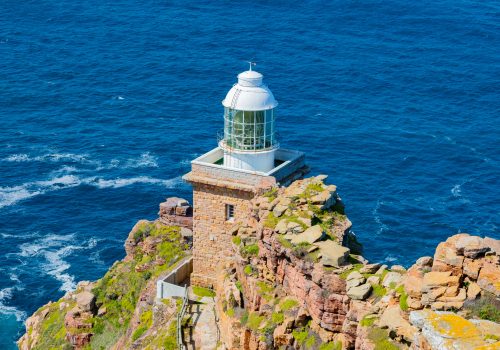
Cape Point features two historic lighthouses. The 1860 cast-iron original proved too high and often clouded, leading to the 1919 masonry replacement on Diaz Point, now South Africa’s brightest navigational light.
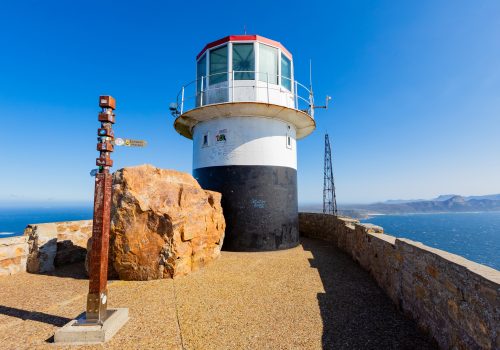
Cape Point features two historic lighthouses. The 1860 cast-iron original proved too high and often clouded, leading to the 1919 masonry replacement on Diaz Point, now South Africa’s brightest navigational light.
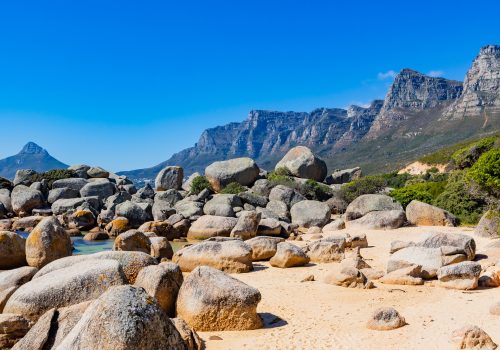
Oudekraal is a biodiverse coastal haven. Once a site for early inhabitants and later segregated under apartheid, it now serves as a communal space for healing.
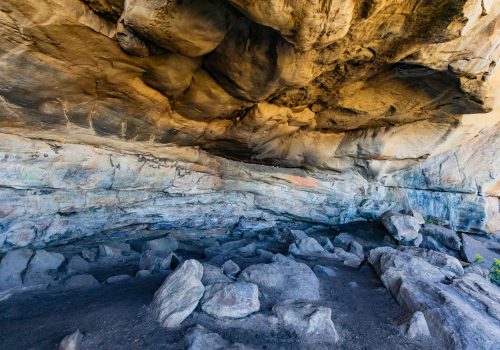
Peers Cave, a significant archaeological site in the Cape Floristic Region, preserves ancient human history and Stone Age remains. Its unique geology and biodiversity offer valuable scientific, cultural, and environmental insights.
The MFV Princess Elizabeth is a 1961 fishing trawler intentionally scuttled in Smitswinkel Bay. Now an artificial reef, it promotes marine biodiversity, conservation, and local maritime history within False Bay.
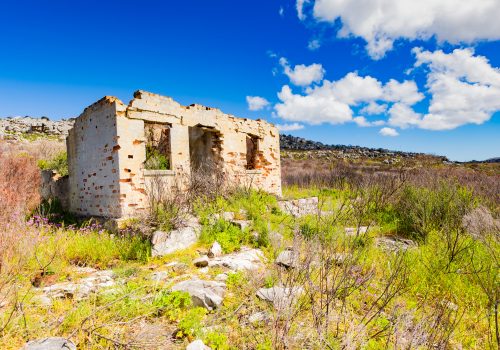
Red Hill Village is a site of high social significance, marking the forced removal of families under Apartheid’s Group Areas Act. Today, it stands as a poignant symbol of community resilience.
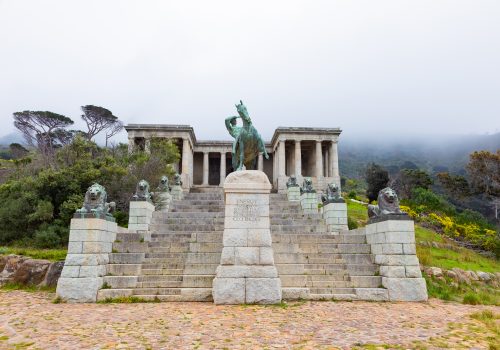
Designed by Herbert Baker, Rhodes Memorial is a Greek-inspired monument honoring Cecil John Rhodes. Today, it remains a controversial architectural landmark, sparking vital debates regarding colonialism, heritage, and South African decolonisation.
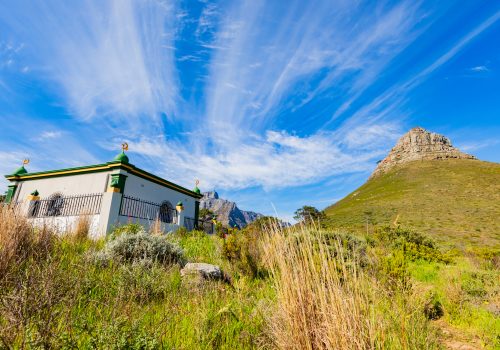
The Kramats, sacred shrines of Islamic saints, symbolize resistance against colonial oppression. Forming a “Circle of Tombs” around Cape Town, these National Heritage Sites represent spiritual protection and Islam’s enduring legacy.
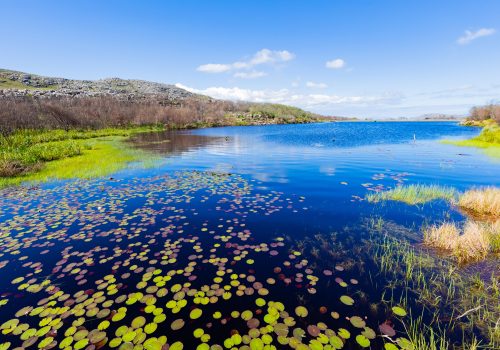
Silvermine Dam is a historic 19th-century reservoir. Originally built for Cape Town’s water supply, it is now a cherished heritage site for recreation and conservation.
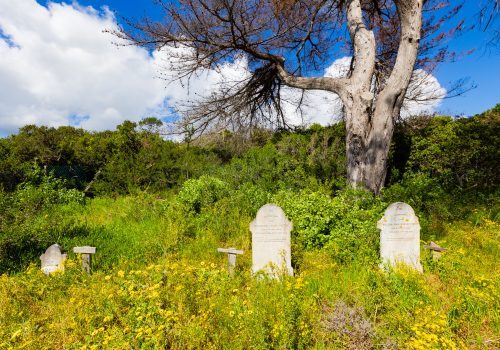
This secluded gravesite on Silvermine Farm contains three marked graves of former owners from the late 1800s. Nestled under pines, it serves as a serene link to the region’s agricultural heritage.
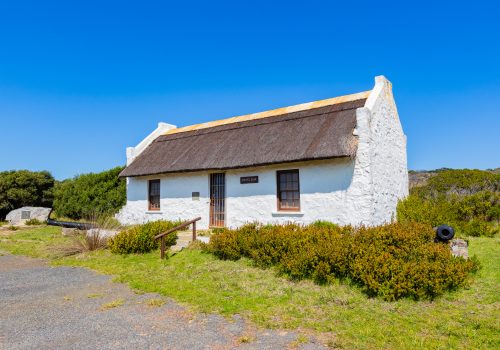
Located near the Buffelsfontein Visitor Centre, Skaife’s Barn honors Sydney Harold Skaife, a pioneering conservationist. It celebrates his instrumental role in establishing the Good Hope Nature Reserve and South Africa’s modern conservation movement.
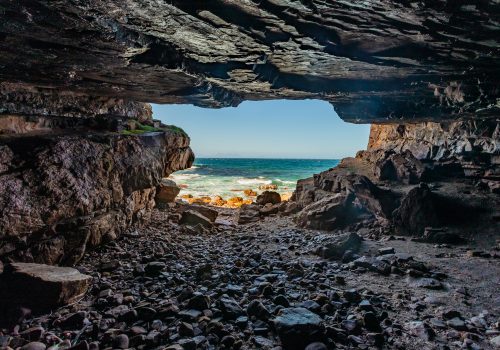
Located on the eastern Cape Peninsula, Smitswinkel Bay Cave provided millennia of shelter. Excavations reveal unique bone and shell tool use, offering vital insights into hunter-gatherer adaptation and coastal resource management.
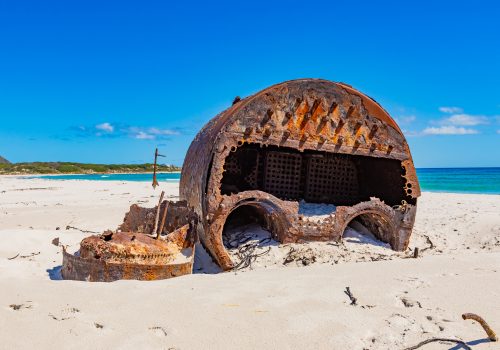
In 1900, the SS Kakapo wrecked on Noordhoek Beach due to a navigational error in heavy fog. Its boiler remains a landmark, illustrating the region’s treacherous maritime history and coastal geography.
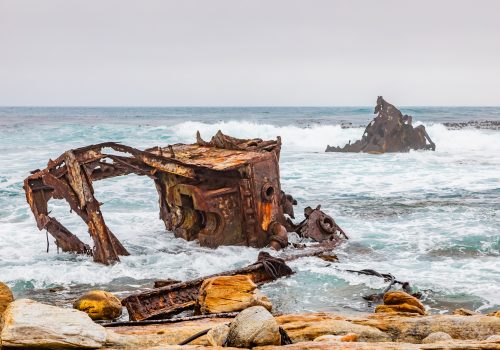
The SS Thomas T. Tucker, a WWII liberty ship, wrecked near Cape Point in 1942 during its maiden voyage. Today, its scattered remains serve as a historic landmark within a biodiverse coastal environment.
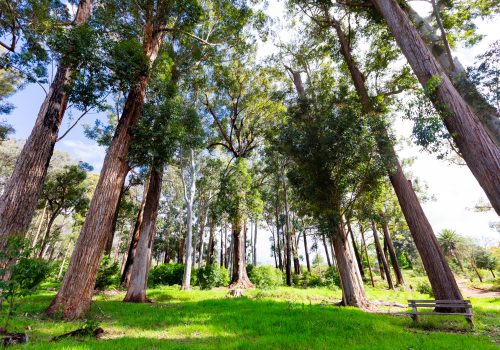
Established in 1886 by Joseph Storr Lister, the Tokai Arboretum is a National Monument used for forestry research. It showcases exotic and indigenous species while representing colonial-era scientific experimentation and conservation.
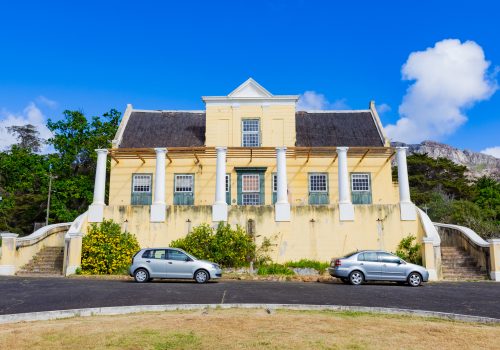
Built in 1796 by architect Louis Thibault, Tokai Manor is a Cape Dutch landmark featuring a unique raised stoep. It is celebrated for its agricultural history, restorations, and haunting local legends.