Buffelsfontein Homestead
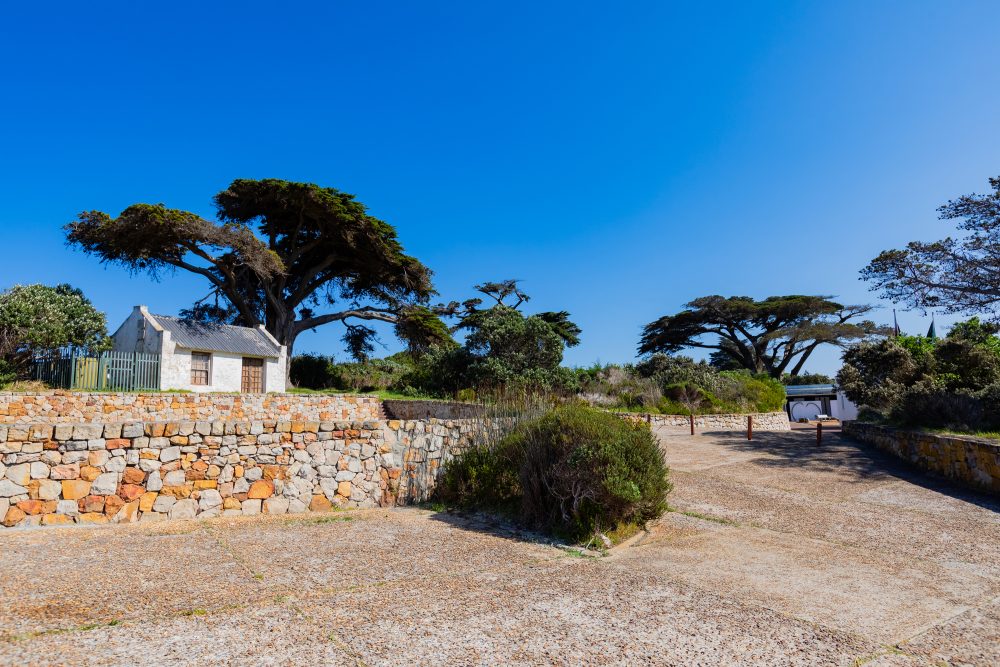
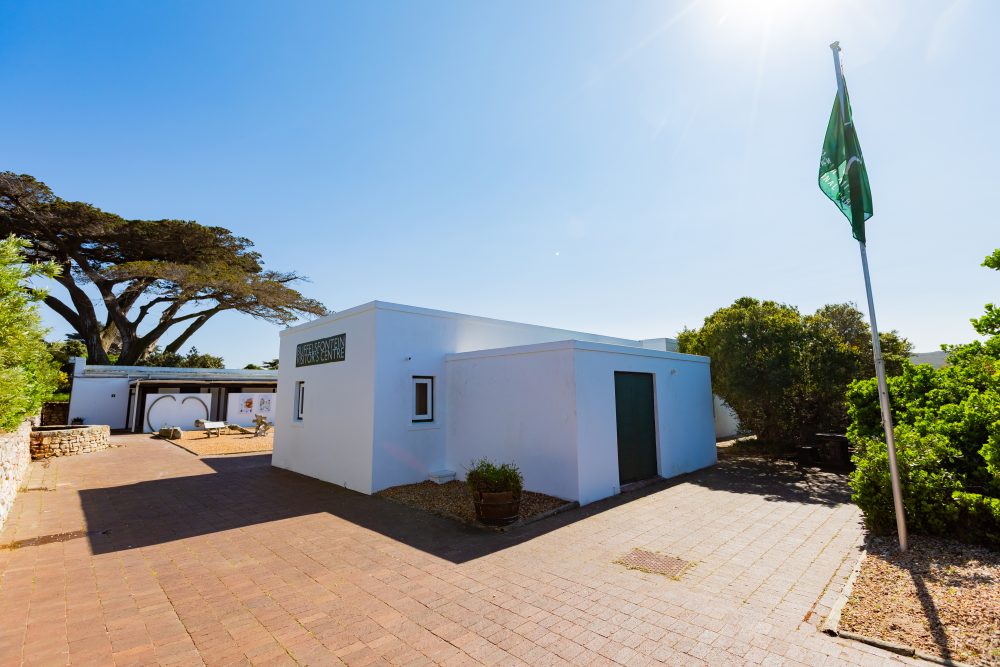
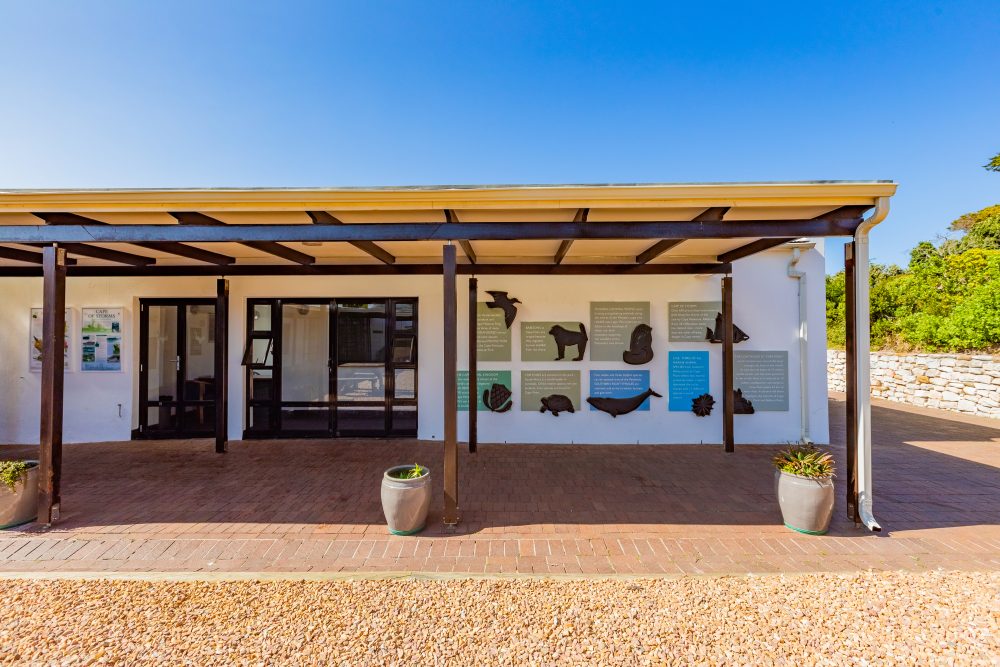
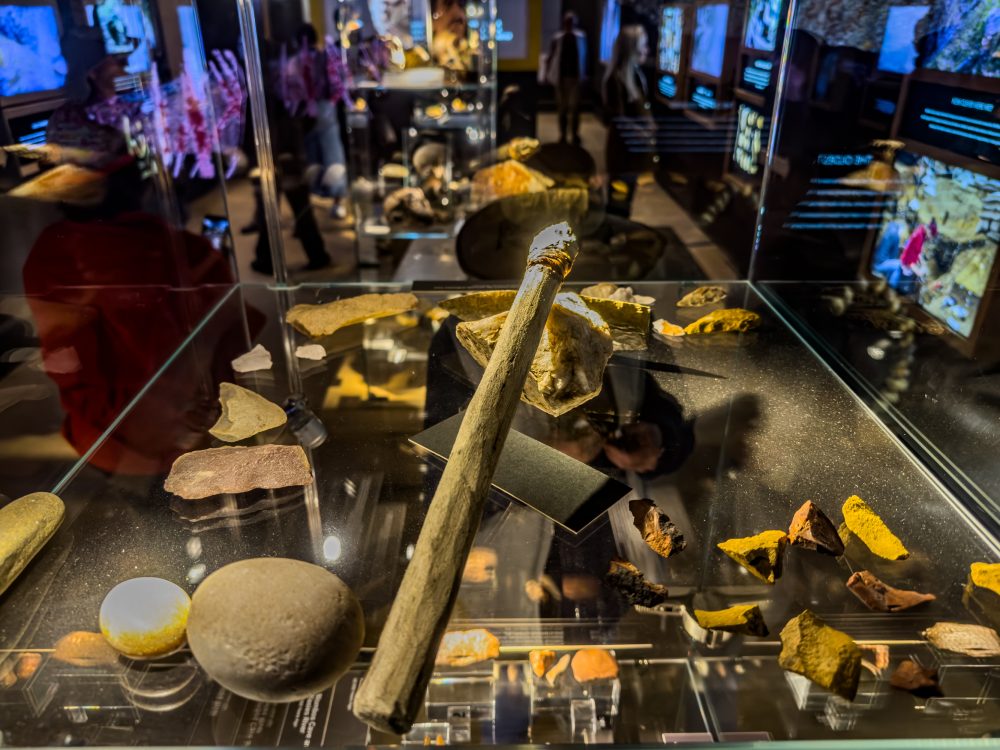

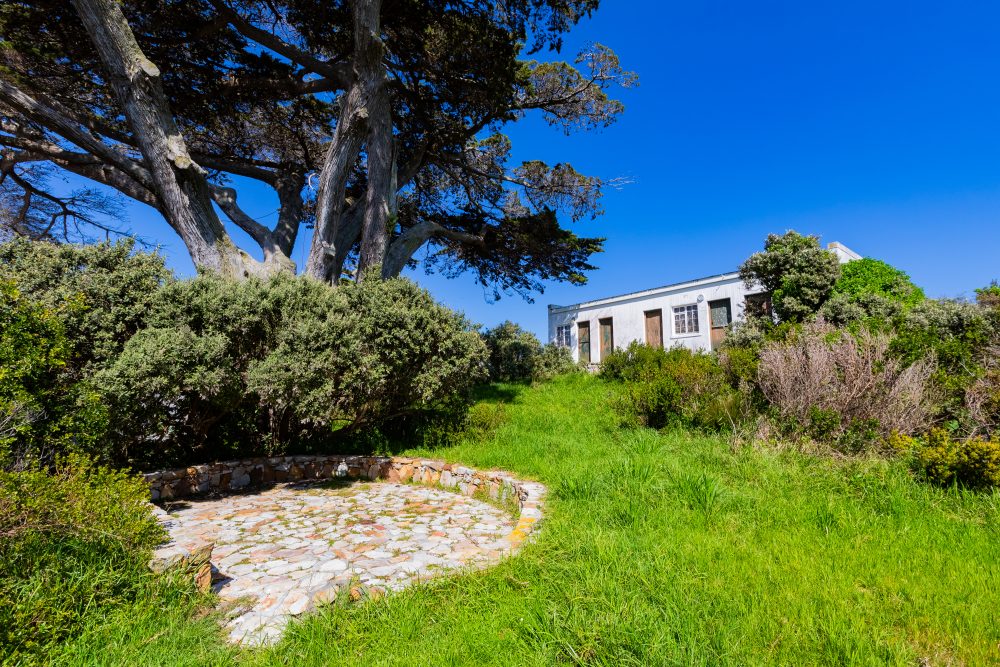
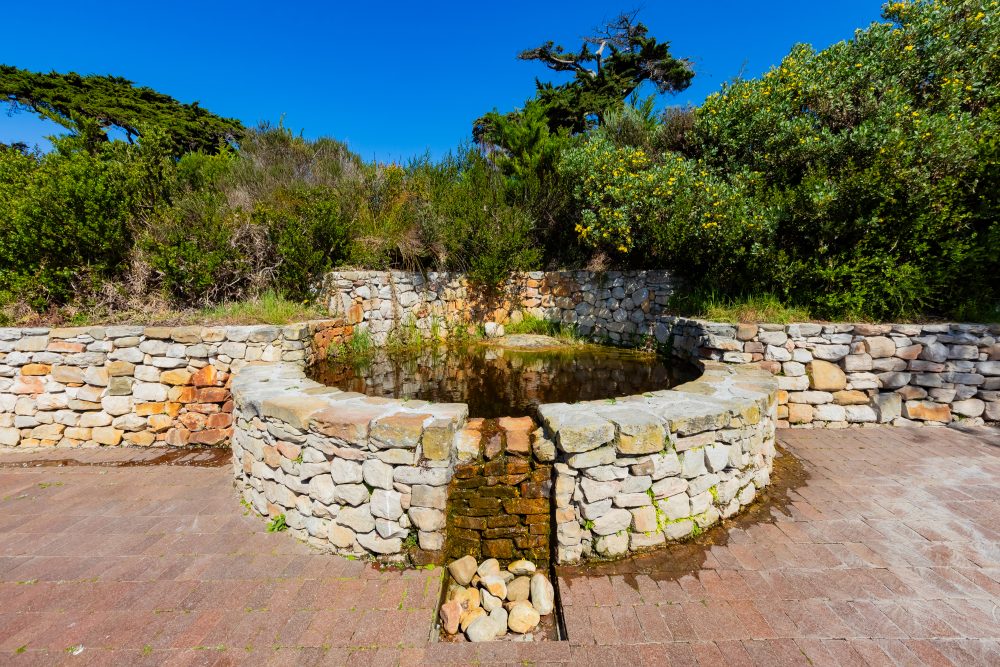
Buffelsfontein Homestead was constructed in 1811 below the Buffelsfontein spring, within a land that has casually been called Smiths farm. This is because the area was bought by George Smith from John McKellar who had experienced financial difficulties when his schooner, which was critical in his production of the valuable lime, sank. After Smith bought the farm, he established a company which he named Cape Point Lime and Cement Works. This property was under his ownership until it was declared a part of the greater Table Mountain National Park in 1939.
The homestead is set within a natural fynbos landscape, surrounded by culturally significant trees and vegetation. Its historical architecture, along with the surrounding vegetation and landscape, reflects the cultural and industrial heritage of early colonial Cape settlements, making it an important site for preservation and interpretation. The surrounding landscape retains its historic agricultural character while blending seamlessly with the ecological values of the park. The area is part of the Cape Peninsula and is accessible from the park’s visitor routes.
GPS Waypoints: 34°18'48.0"S 18°26'57.8"E