Tokai Manor
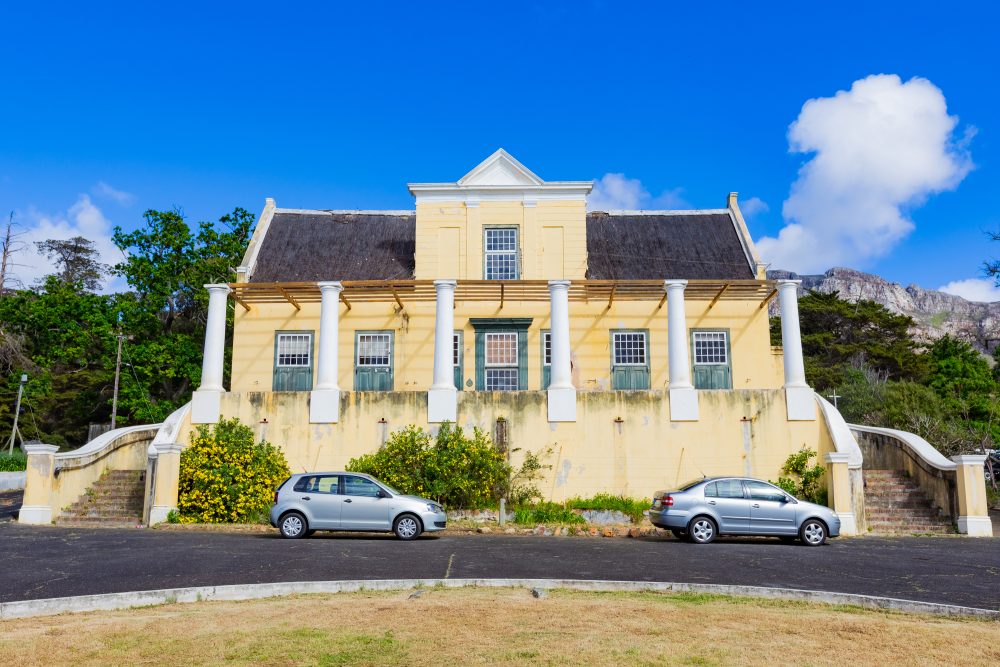
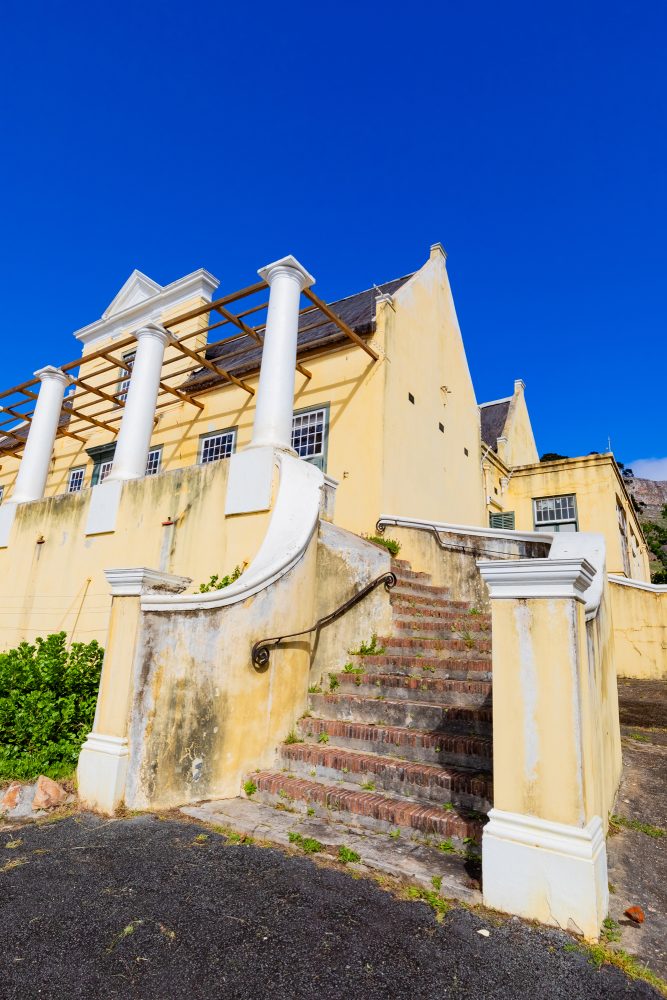
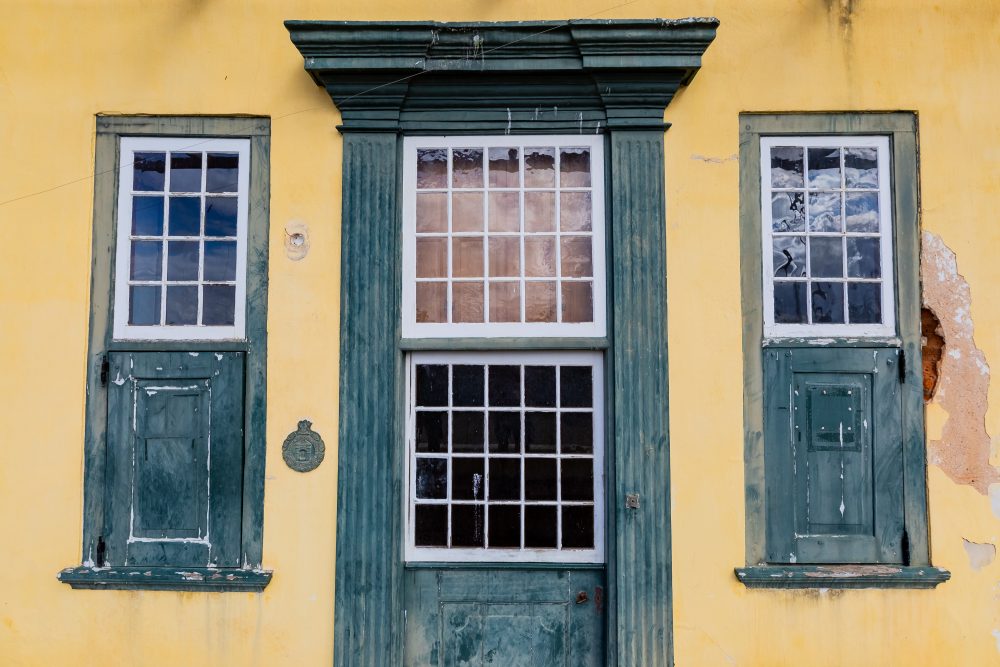
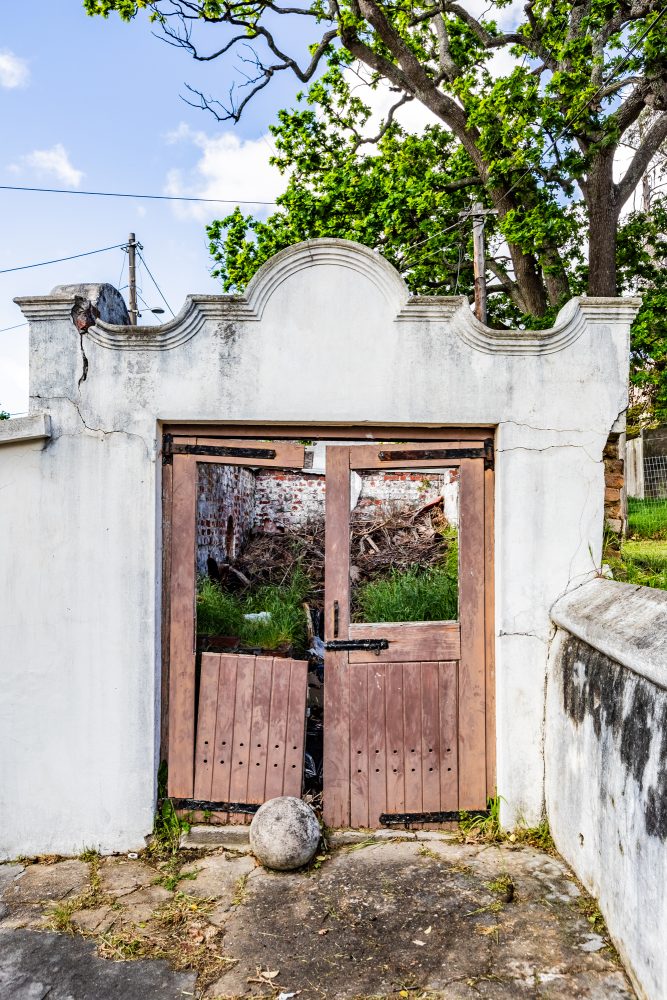
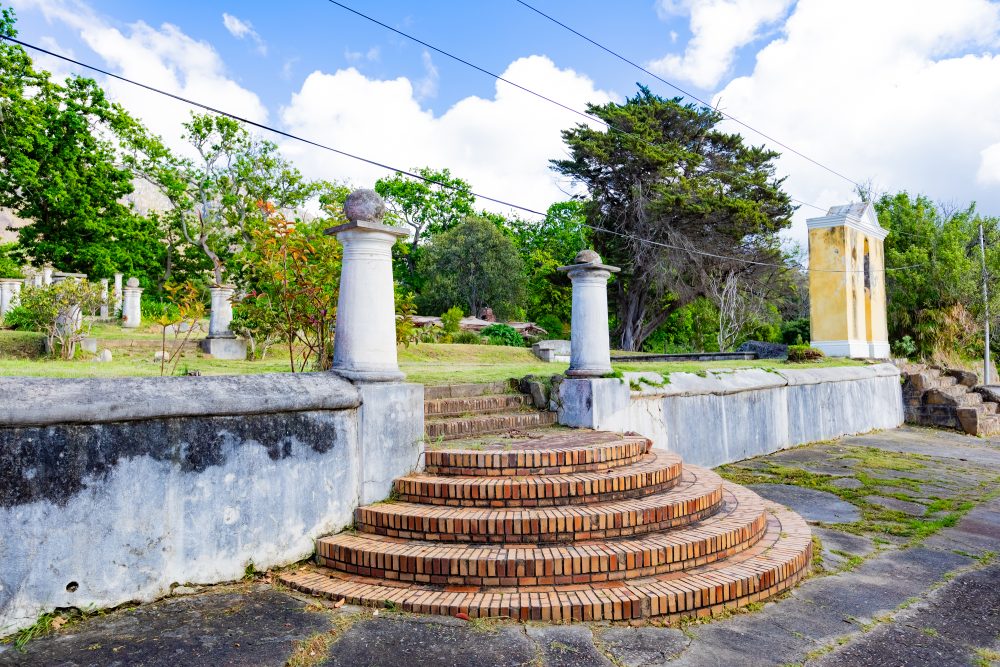
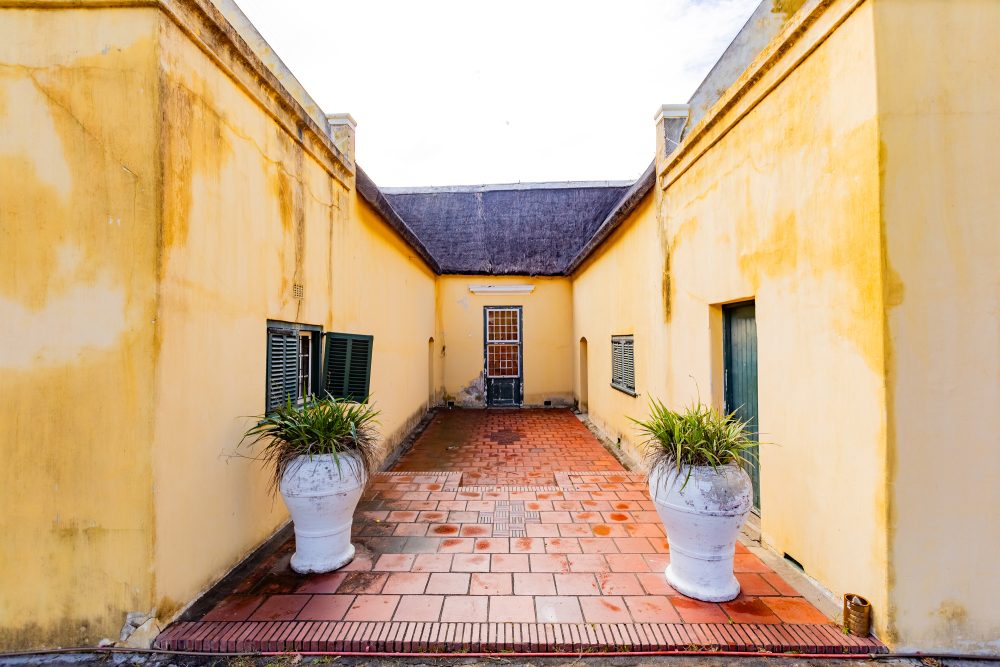
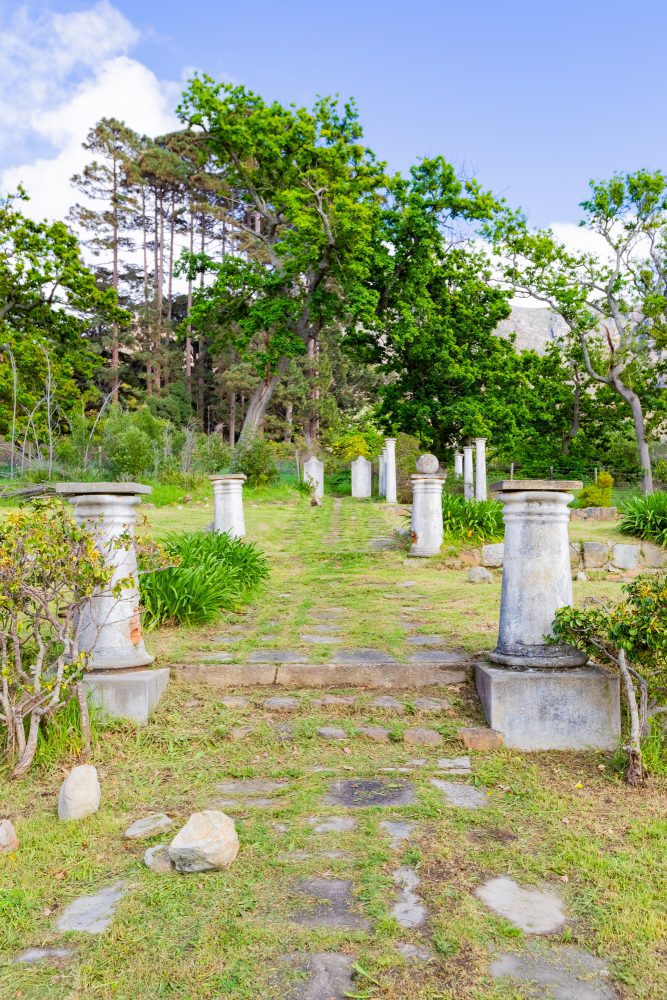
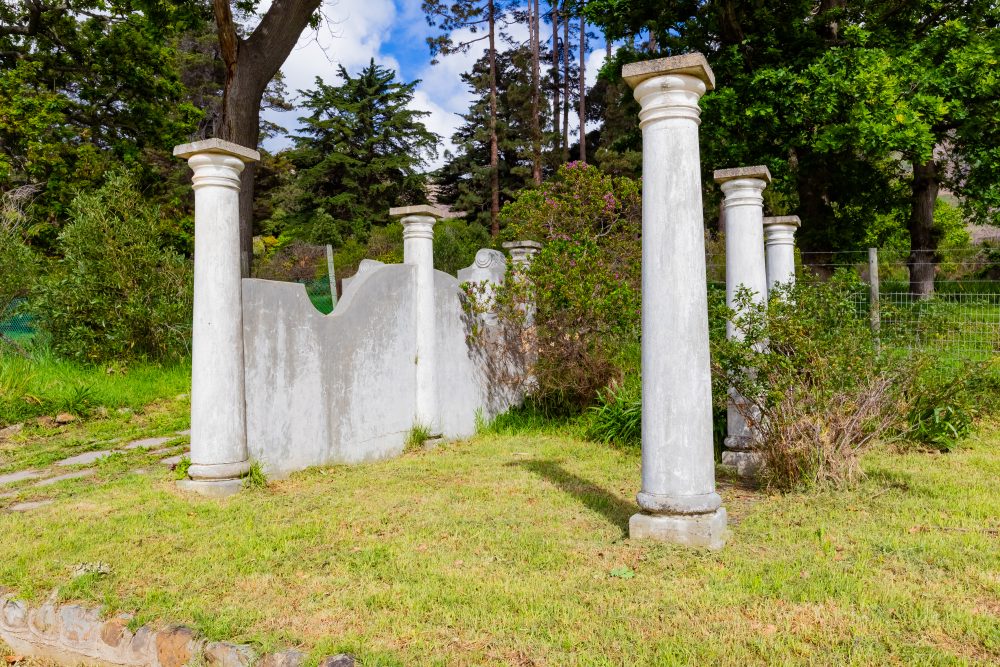
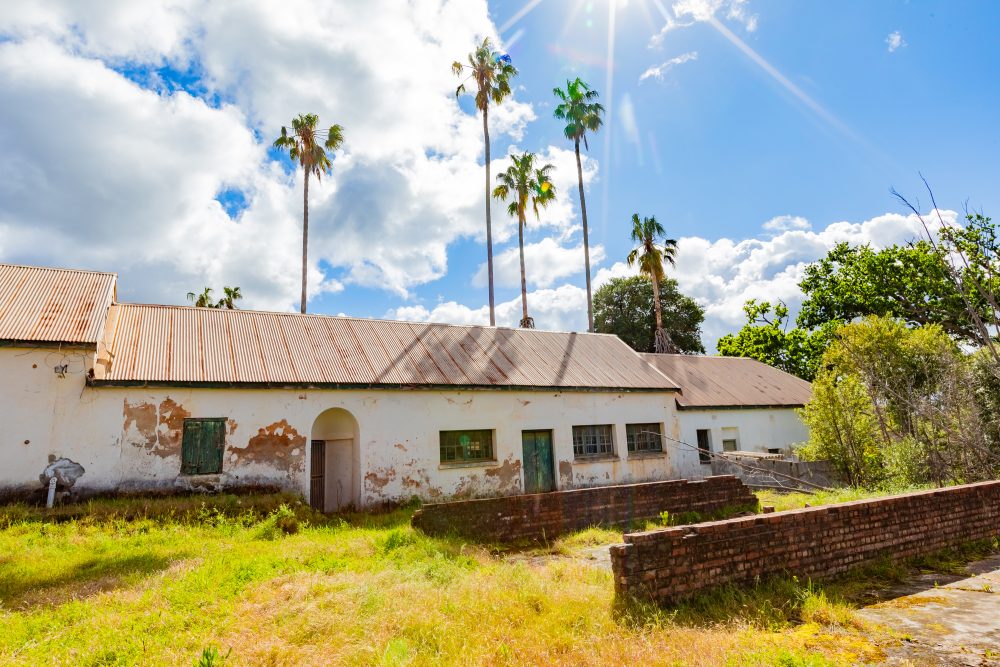
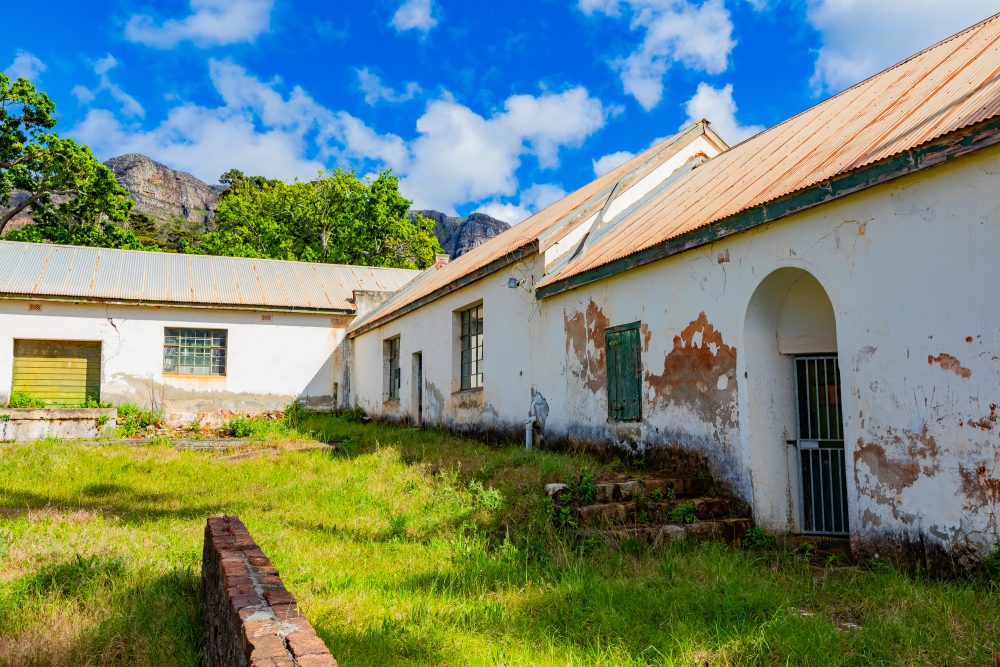
Tokai Manor is located within the Tokai Forest area, adjacent to the Tokai Arboretum. The property is accessible via Tokai Road and forms part of the historical agricultural landscape of the Cape Peninsula. The manor is set within a managed rural landscape, surrounded by mature trees and open land that was historically cultivated as part of the farm. The site provides a tranquil setting reflecting both its residential and agricultural heritage, with vistas over the surrounding forested areas of Tokai. The manor rests on the Table Mountain Sandstone foothills, which provide a firm and stable foundation for the historic Cape Dutch style structure. The gentle slopes of the surrounding terrain were historically suitable for farming and tree plantations, contributing to the site’s selection for settlement and agricultural development.
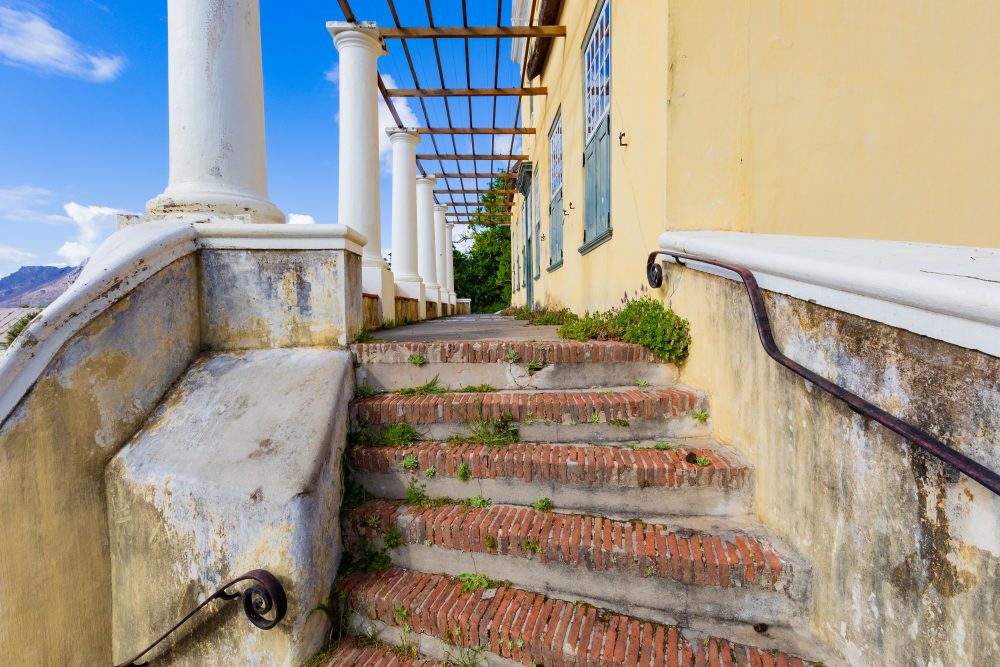
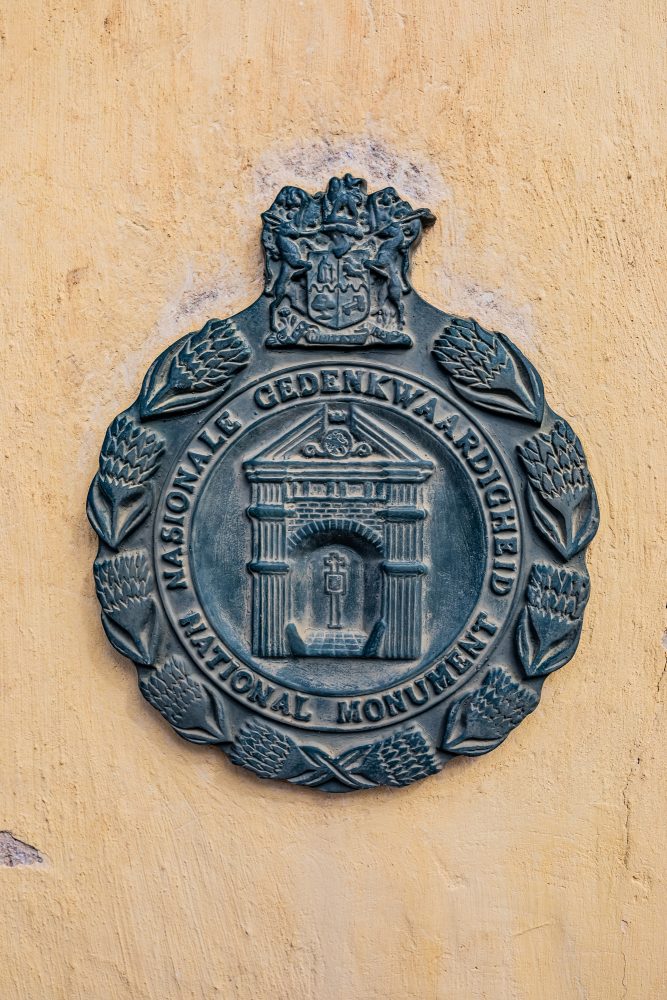
The farmhouse was designed by a Frenchman named Louis Thibault, who is recognised as a South African based architect that designed many of famous buildings in the country. It was built in 1796, defined by unique features, including a raised front stoep. Soon after its construction, it is reported that the owner Andries Teubes went bankrupt in 1799, after building what was a very expensive house. The farm was purchased by Petrus Eksteen in 1802. The family kept ownership of the property until it was handed over to the colonial government in 1883. Lategan became the caretaker at the time. Between 1884 and 1885, this Cape-Dutch property was occupied by W. C. Harman. He subsequently evacuated the house to make room for newlyweds Joseph and Georgina Lister who lived at the property for three years between 1885 and 1888. The Tokai Manor was subjected to extensive restoration in the 1960s, after which it was declared a National Monument in 1961 under the National Monuments Act. Following major renovations, including a proper bathroom, an ablution adjacent to the house, and the removal of the hearth in the kitchen, Georgina ‘declared’ the house a manor house in accordance with the English custom. The house had an unusual front stoep that was raised, uncommon for the Cape-Dutch architecture. Georgina also established the so-called ghost story where a New Years party ended in the tragic death of a rider and his horse on the front steps. No relation to any children or family names could be found. The manor not only demonstrates architectural and historical value but also carries social and cultural stories, such as the ghost legend associated with the house, contributing to its character and visitor interest.
GPS Waypoints: 34°03'33.12"S 18°24'58.92"E