Rhodes Memorial
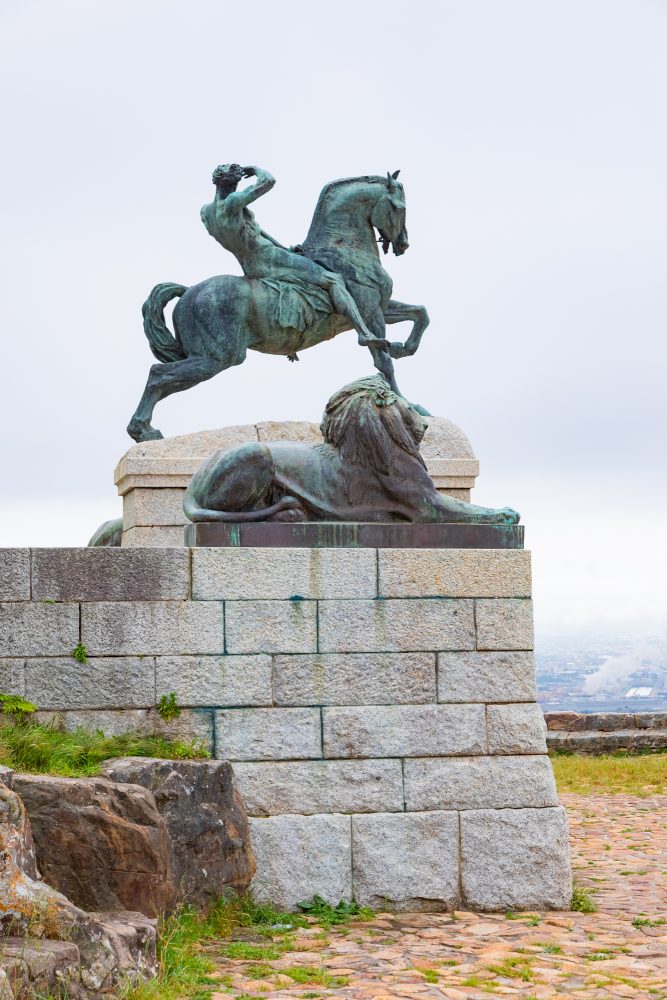
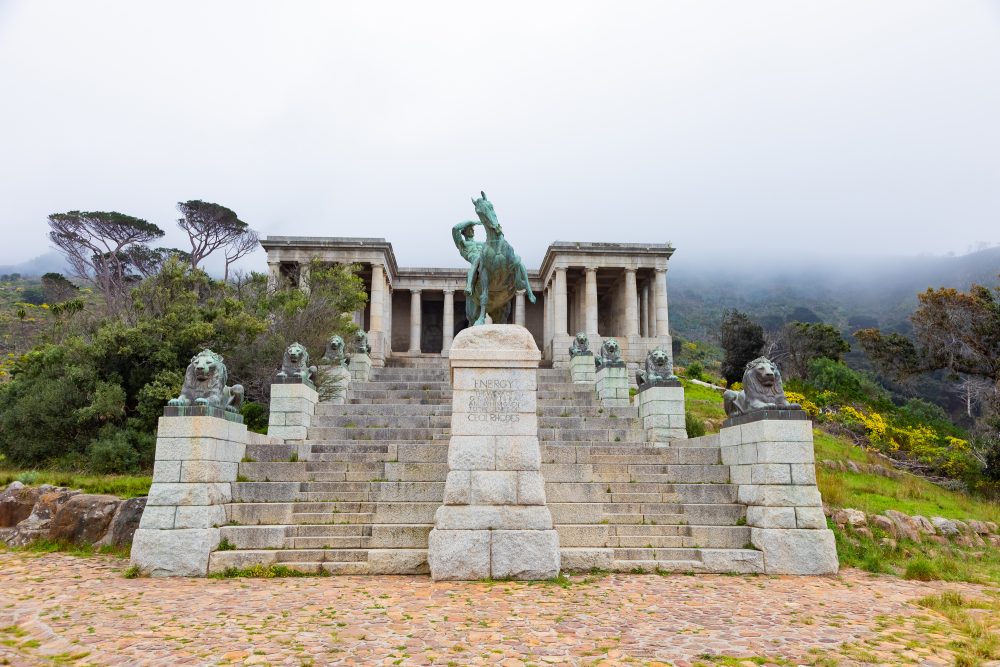
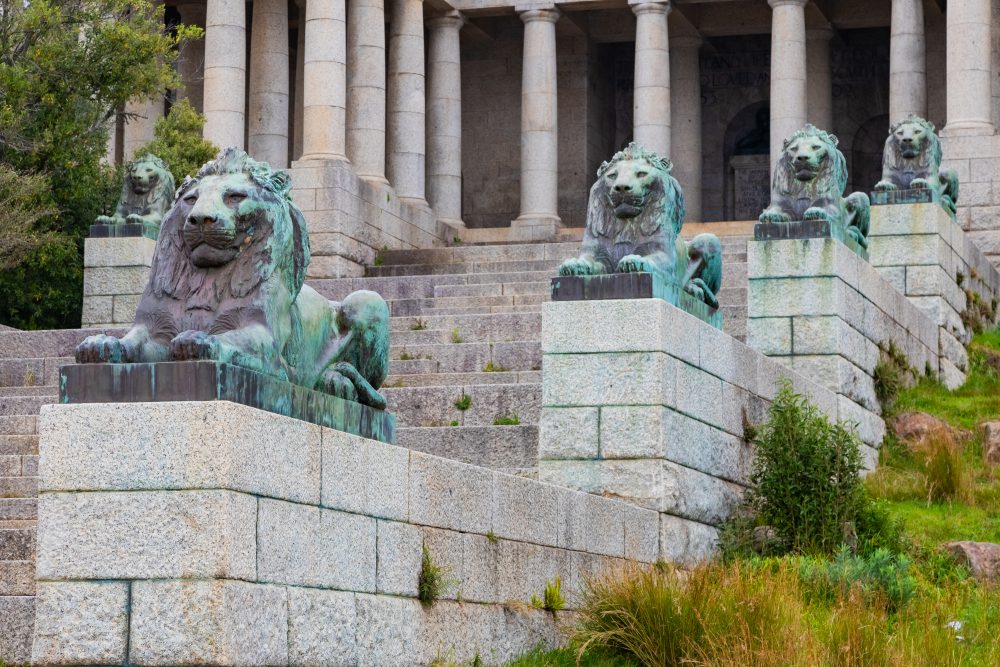
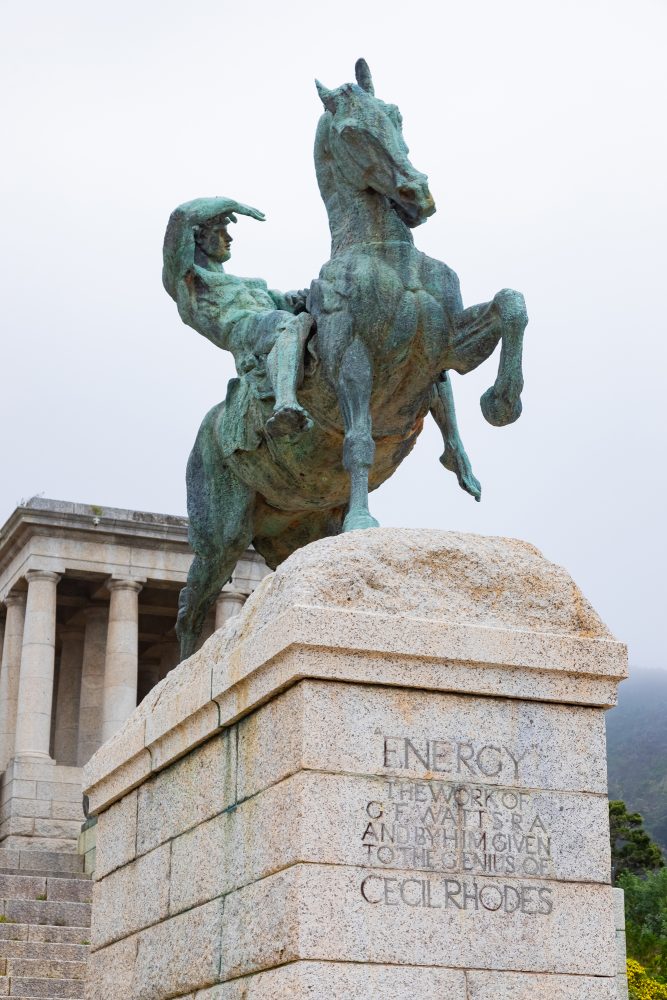
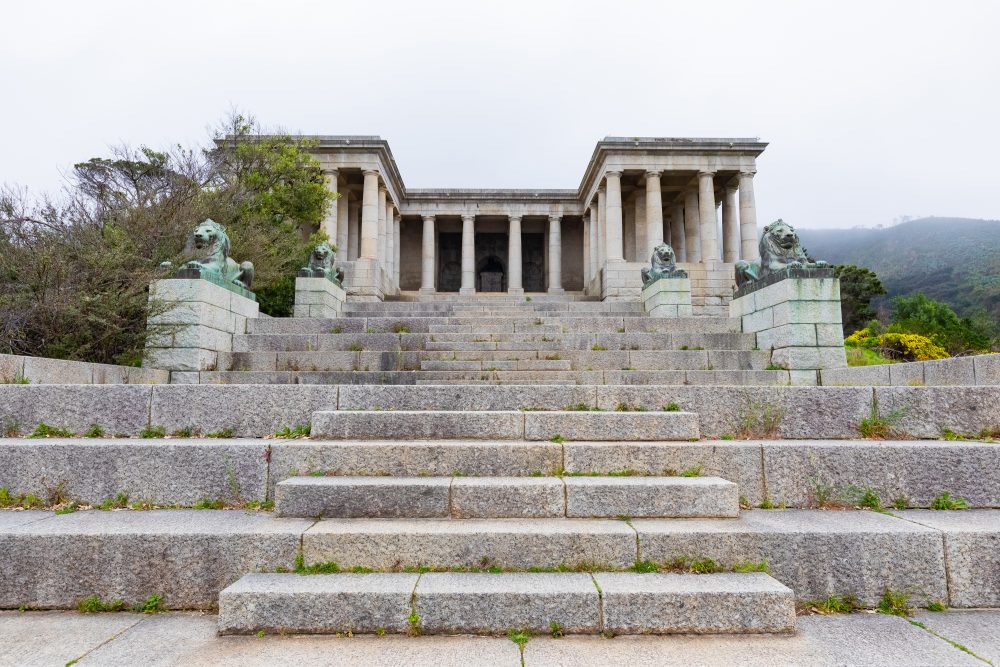
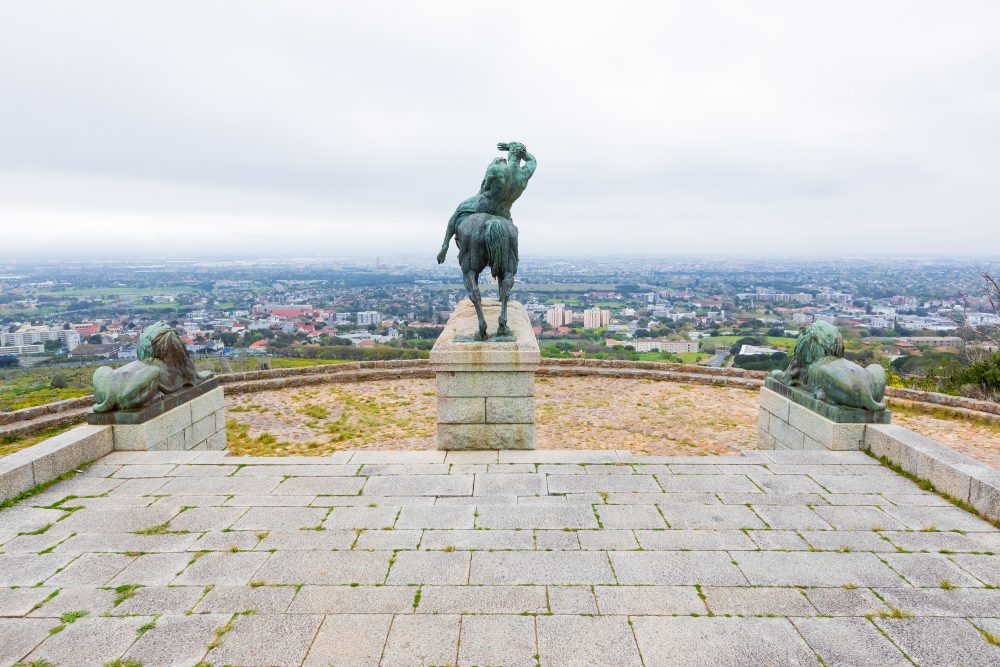
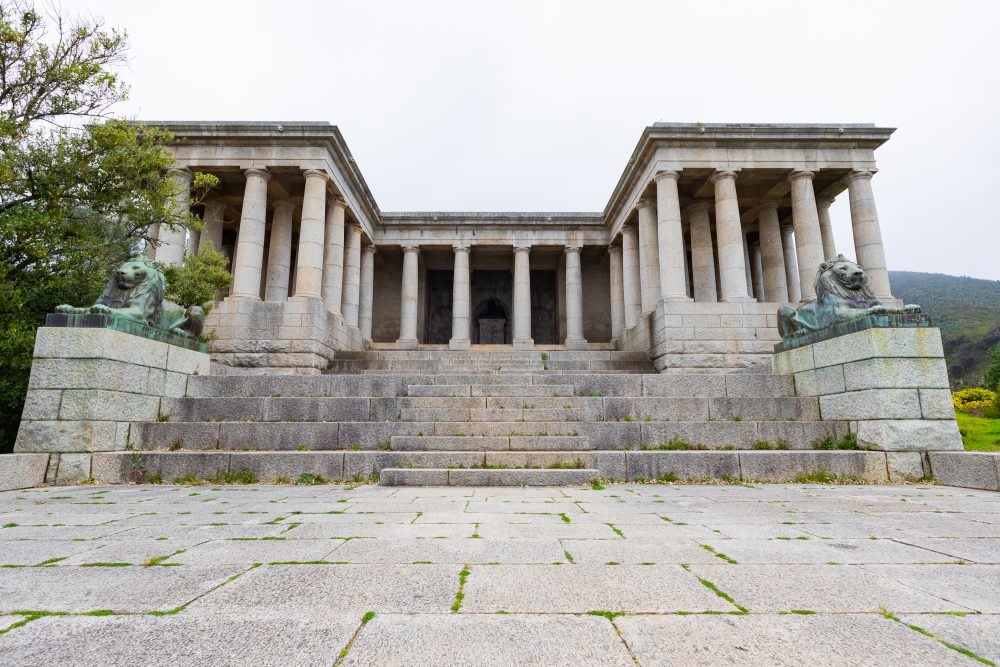
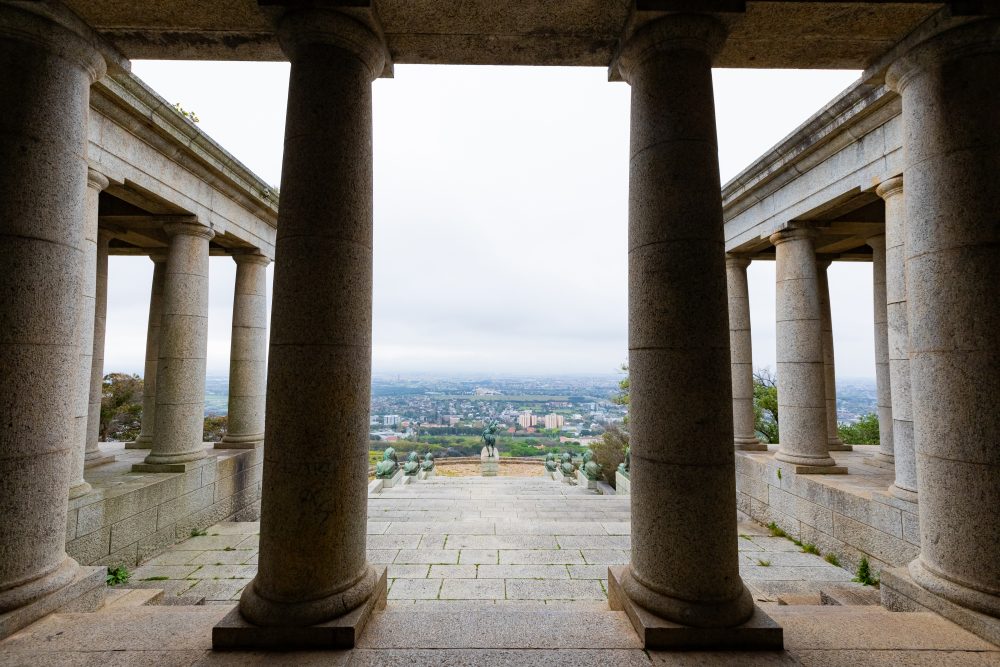
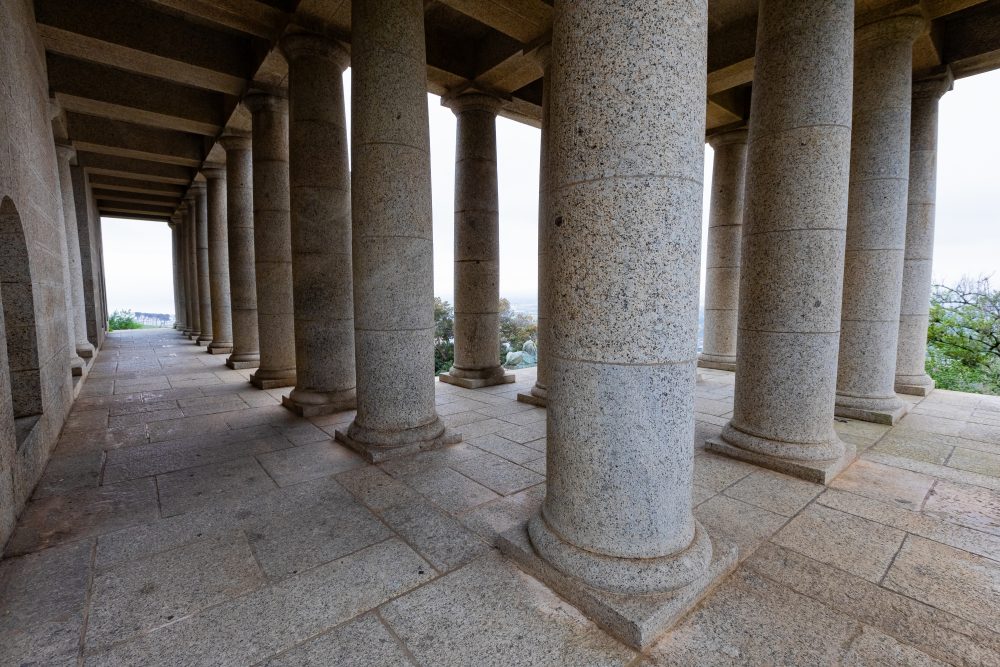
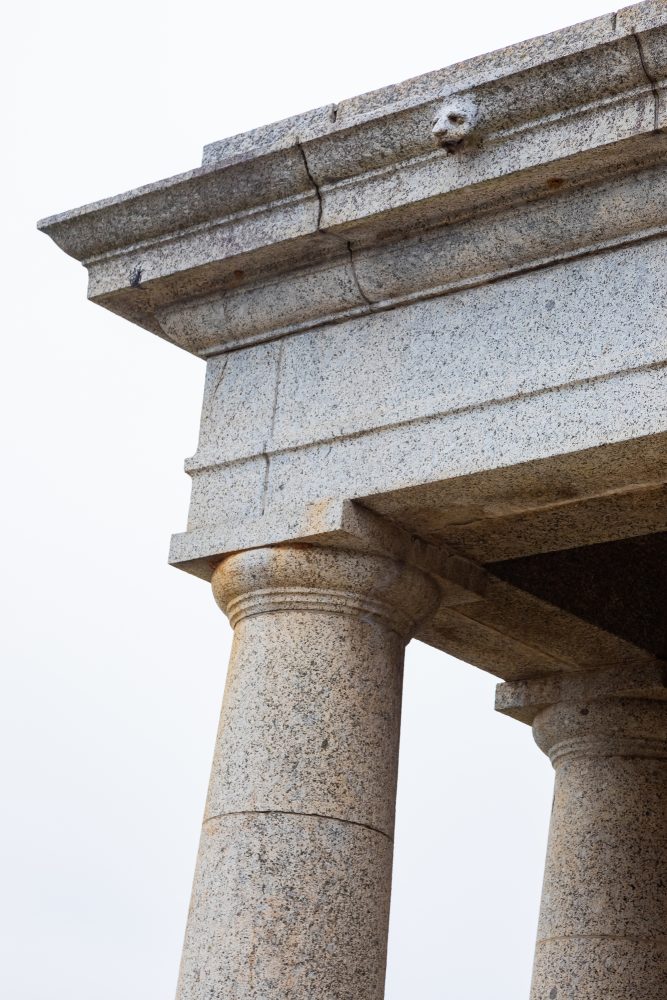
The Rhodes Memorial is a large monument that was constructed in 1912 and whose architecture was inspired by an ancient Greek temple. It is found on Devil’s Peak in Cape Town, near the Table Mountain, offering expansive views of Cape Town, the Cape Flats, and the Atlantic coastline.
The memorial is surrounded by landscaped gardens featuring Cape flora and stone terraces. It was constructed using Cape granite quarried from Table Mountain, integrating seamlessly with the sandstone and granite formations of Devil’s Peak, reflecting the natural geology of the Cape Peninsula. The elevated location provides a prominent vantage point over the surrounding natural and urban environment.
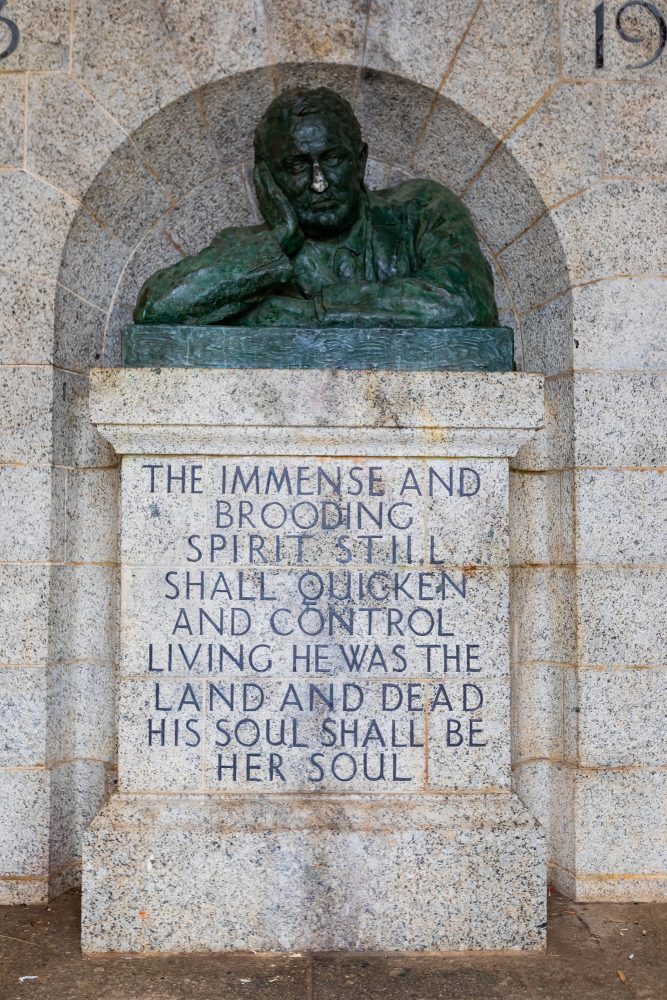
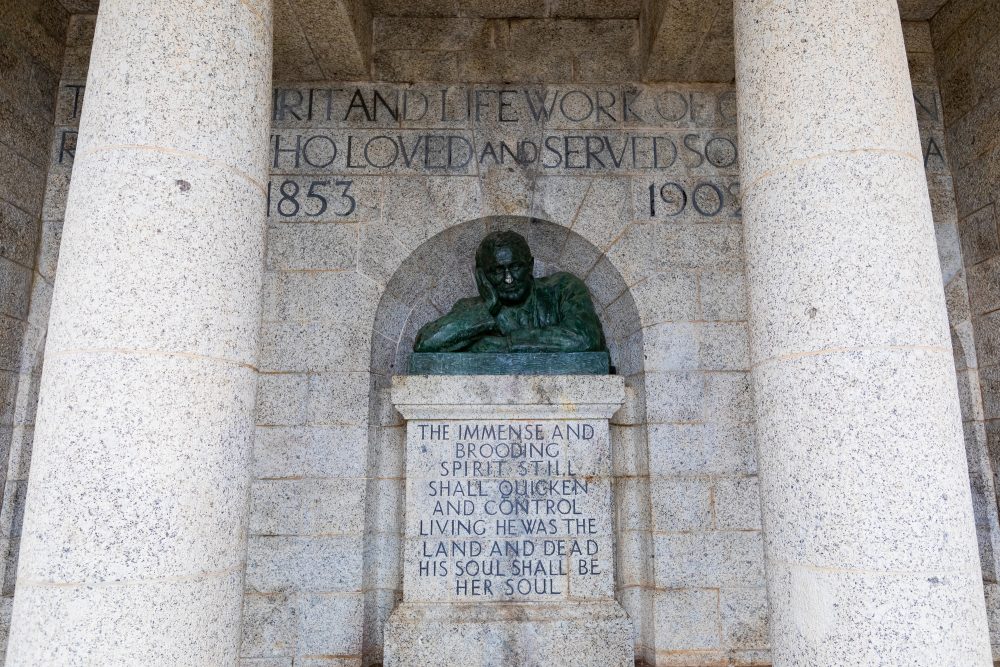
Rhodes Memorial was designed by South Africa’s famous architect called Herbert Baker. Finished a decade after his death, Rhodes Memorial is a commemorative building that was constructed to honour the memory of Cecil John Rhodes (1853 – 1902), a British-born mining magnate and politician whose character has become entangled with colonialism of South Africa – thus the focus on him by those calling for the decolonisation.
Rhodes is historically associated with colonialism and racial inequality in South Africa. This is the reason why his statue, previously located below the Sarah Baartman Hall, was the subject of protest during the #FeesMustFall in 2015. It has since been removed. It is for this direct association with a problematic figure in South African politics that the Rhodes Memorial, built from the Cape granite that was quarried from the Table Mountain, has been considered by some to be an inappropriate and controversial structure in a democratic era. Yet, it still remains, thus representing an architectural landmark and viewpoint, illustrating both early 20th century commemorative pwctises and ongoing conversations around heritage, memory, and decolonisation.
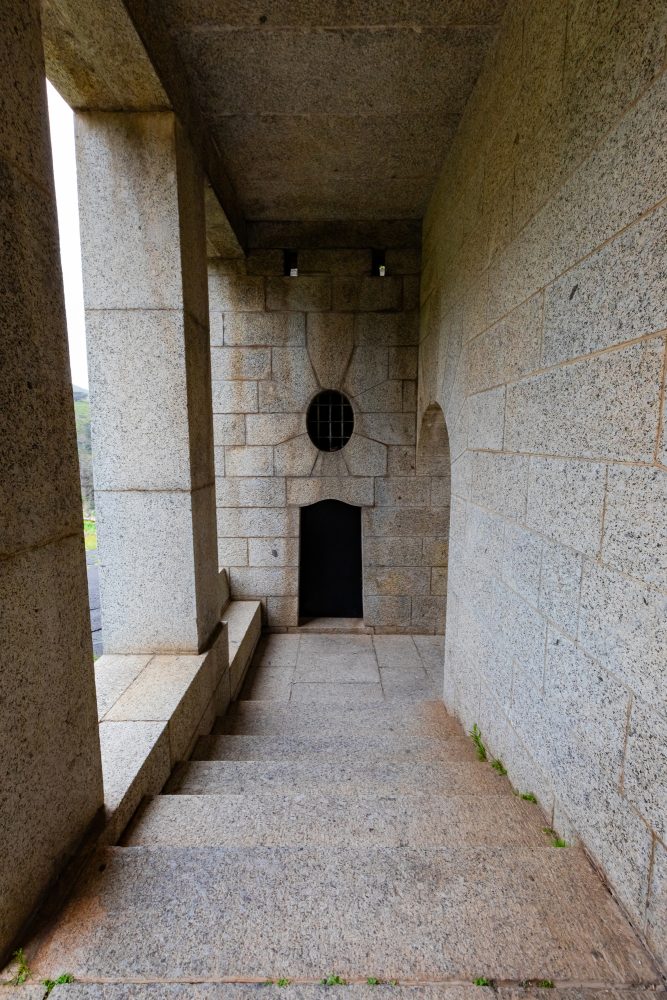
One of the prominent features of the memorial are the 49 steps which apparently represents the age of Rhodes at death.
GPS Waypoints: 33°57'8.30"S 18°27'32.43"E