Smitswinkel Bay Cave
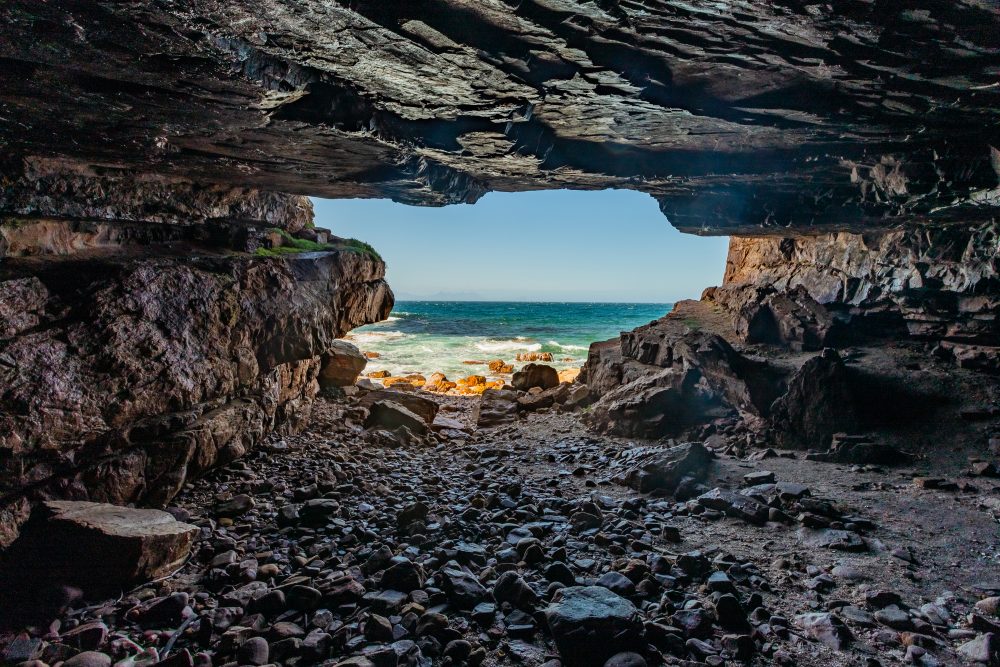
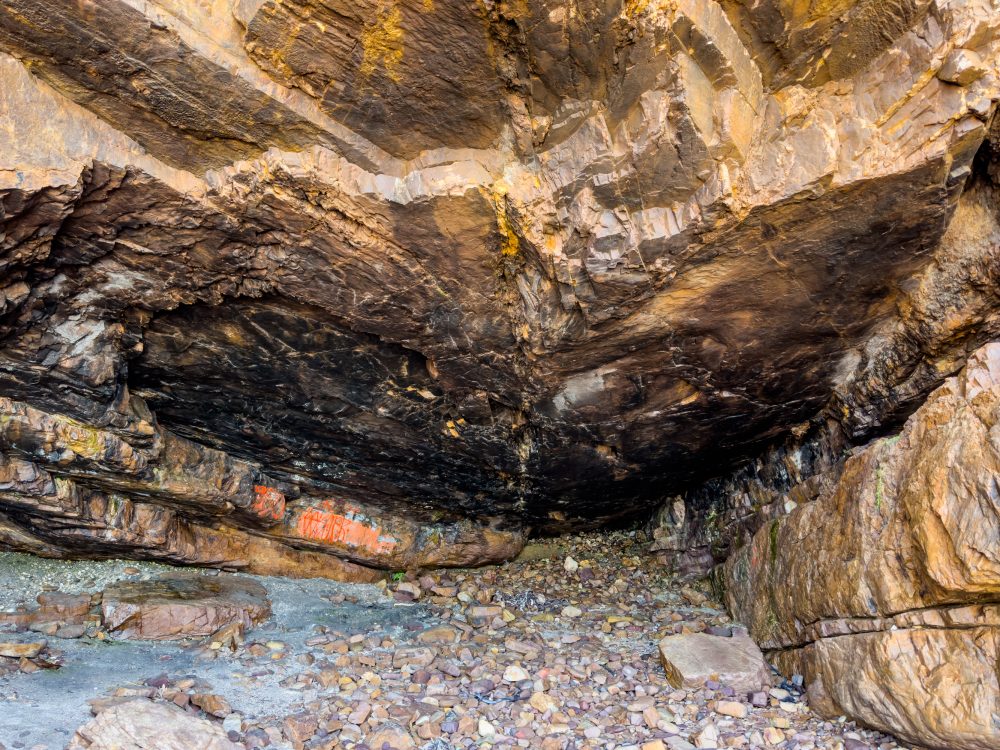
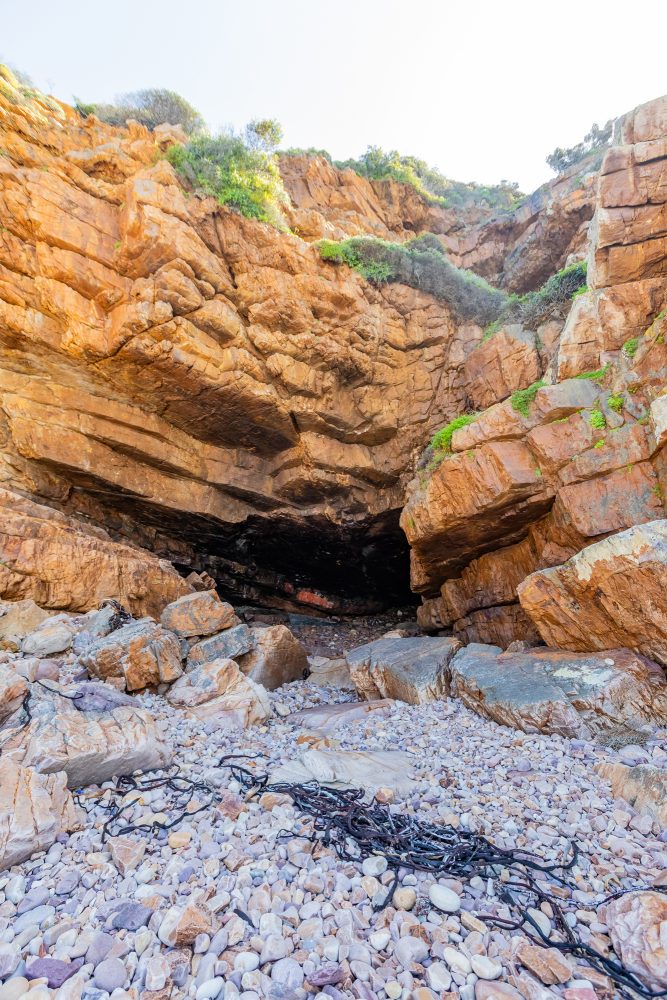
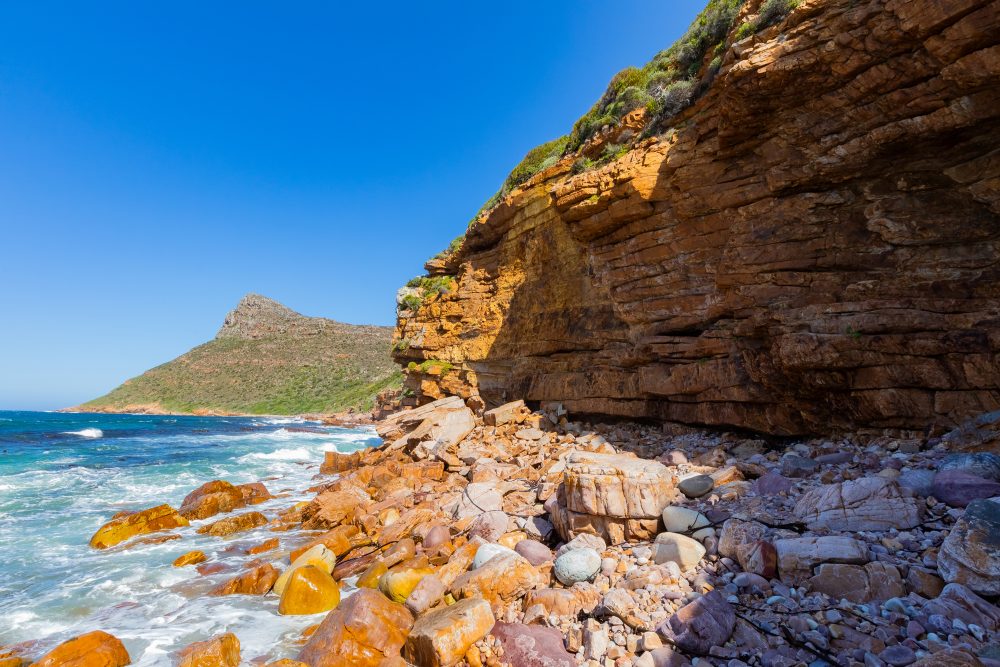
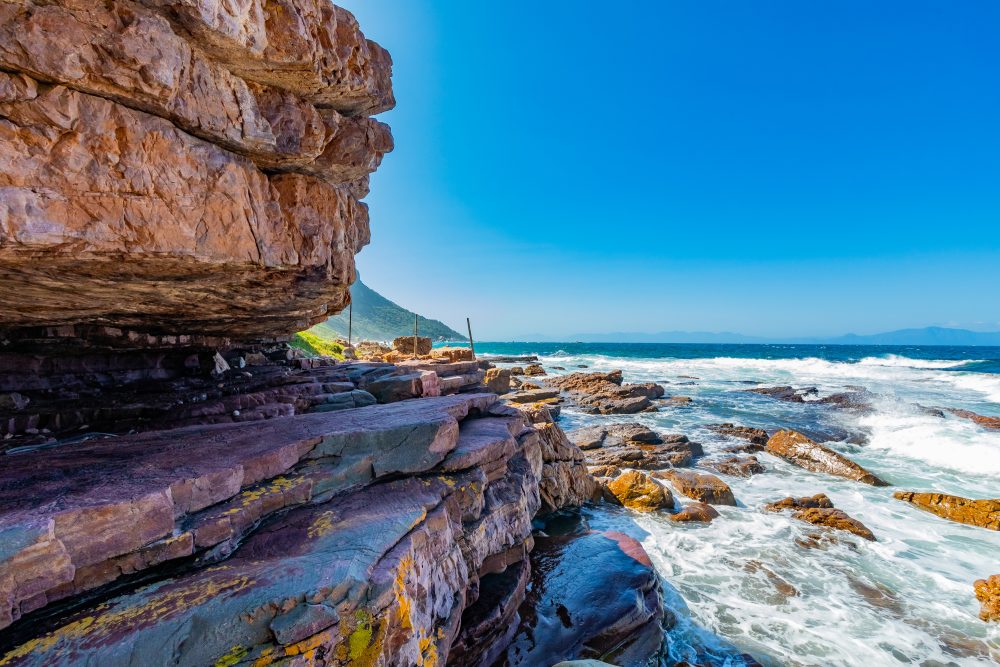
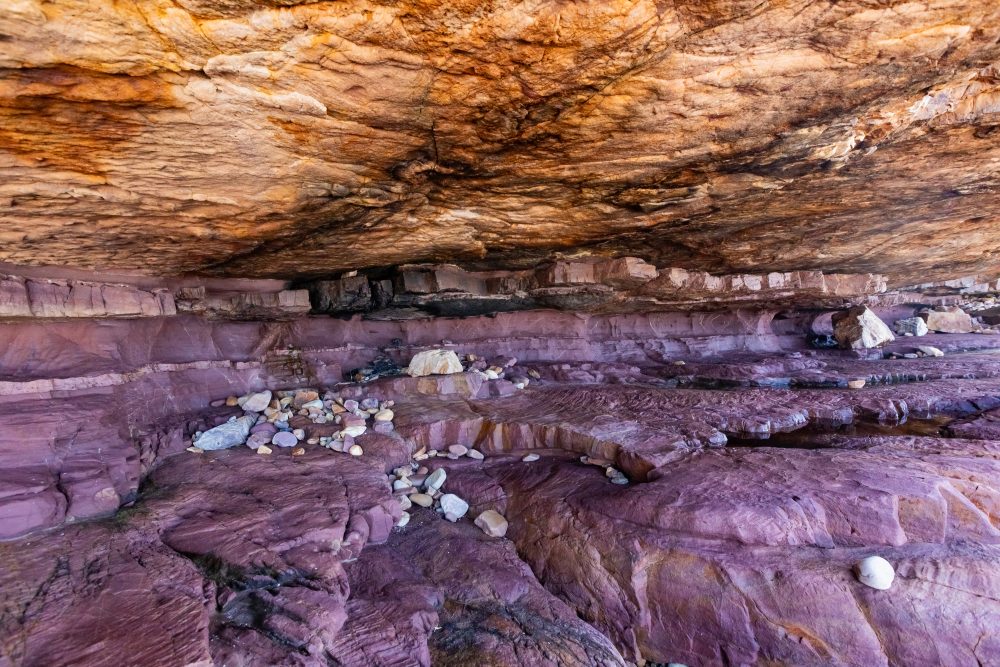
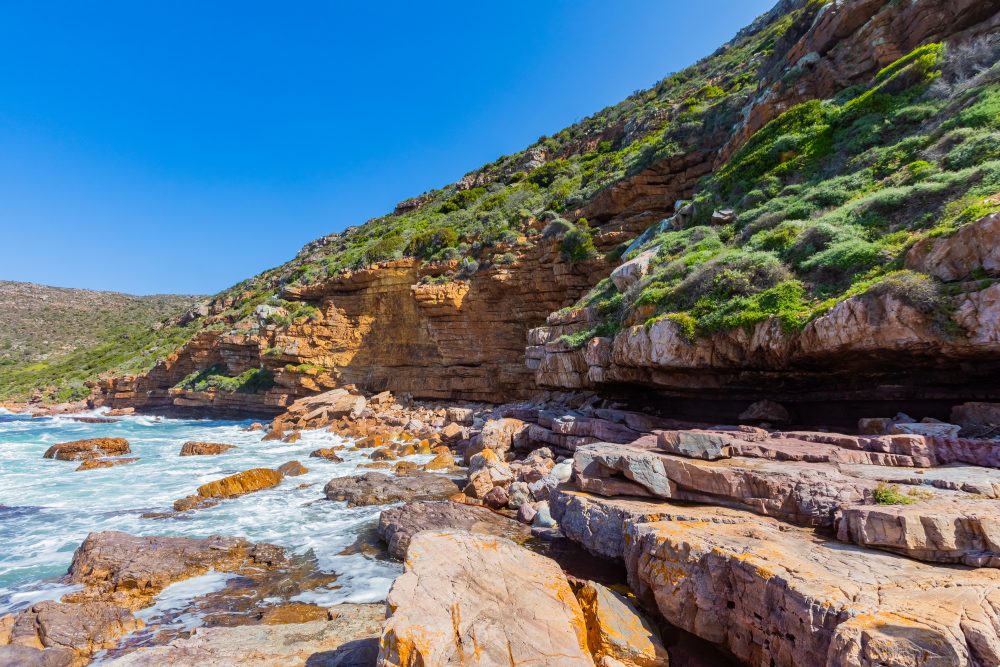
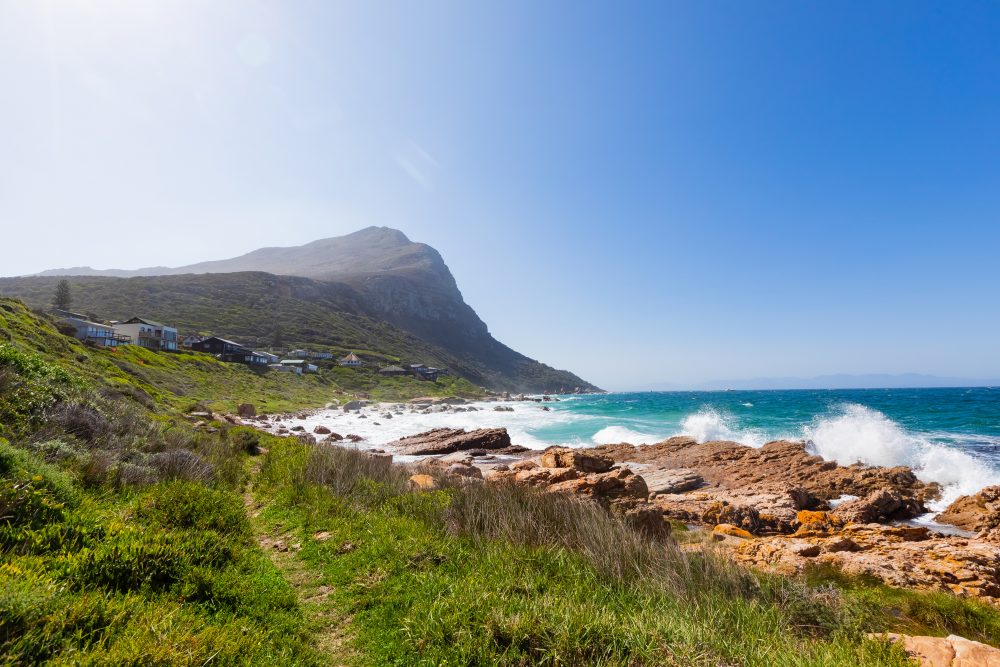
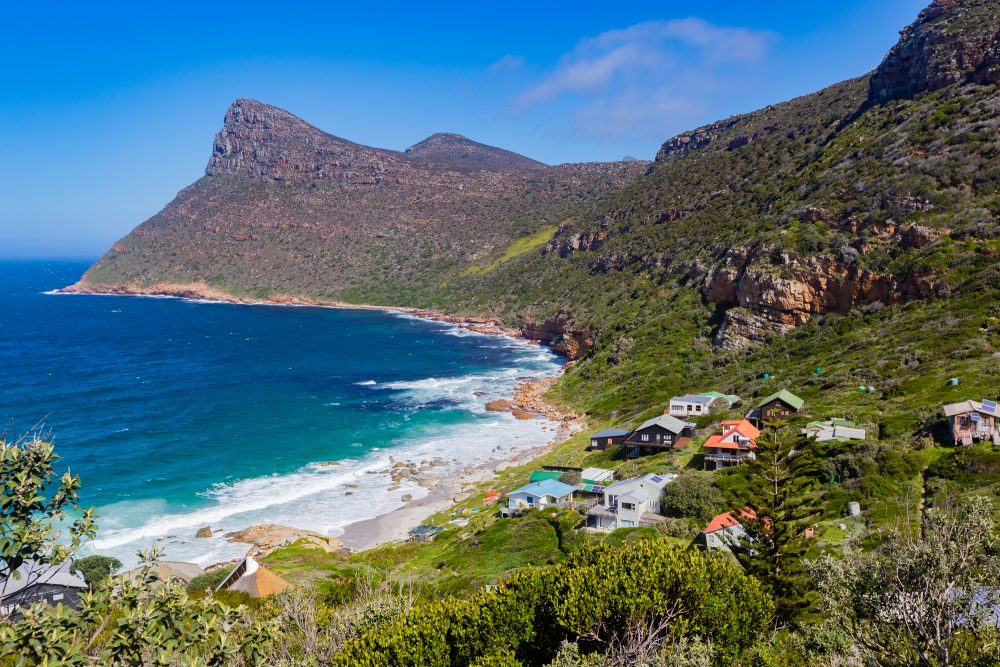
Smitswinkel Bay Cave is located on the eastern side of the Cape Pensinsula, overlooking Smitswinkel Bay. The cave occupies a sheltered position along the rocky coastline. Its elevated location provides natural protection from the natural elements while offering strategic views of the bay, making it an attractive site for human occupation over millennia. Historically, the cave’s environment provided shelter and sustenance for hunter-gatherers, while today it continues to be influenced by natural erosion, tidal action, and human activity such as fishing and recreational use.
The cave was first excavated by amateur archaeologists in 1977, under the leadership of two archaeologists, Poggenpoel and Robertshaw. Based on the artefacts that had been collected and curated at the then South African Museum and the threat from fishermen and tourists who used the cave for fishing and camping respectively, it was deemed appropriate to have it excavated. One of findings revealed the lack of formal stone tools. Perhaps this is not surprising because of the absence of raw materials (i.e. quartz and silcrete) in the vicinity that were generally preferred at other archaeological sites in the Cape. As a result, it is possible that tools made from shells and bones may have been preferred for the same tasks undertaken using stone tools elsewhere. There was also a presence of mostly undecorated pottery discovered at the site, with only a single rim that was found to be decorated. Excavations at Smitswinkel Bay Cave have provided insight into the daily lives and material culture of the cave’s occupants, thus contributing to our understanding of adaptation strategies, resource use, and cultural practices in the historic Cape, making it a valuable component of South Africa’s archaeological heritage.
The cave lies within the Cape Floristic Region, renowned for its biodiversity and high level of endemism. The surrounding fynbos vegetation thrives on the nutrient-poor sandstone soils of the peninsula, while the proximity to the Atlantic Ocean offers access to marine resources.
GPS Waypoints: 34°15'57.7"S 18°27'59.4"E