Tokai Arboretum
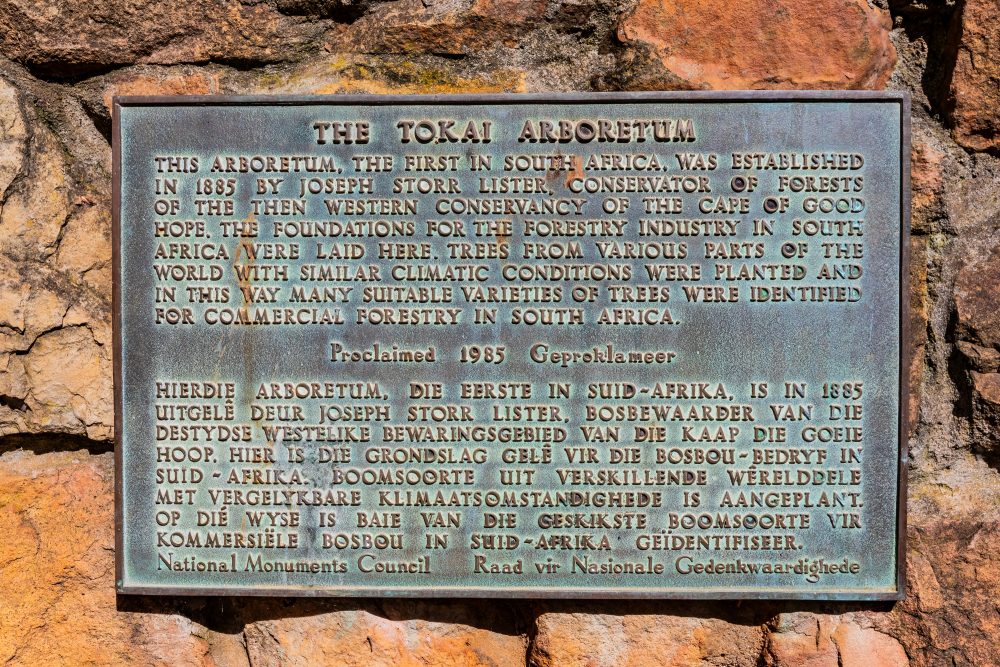
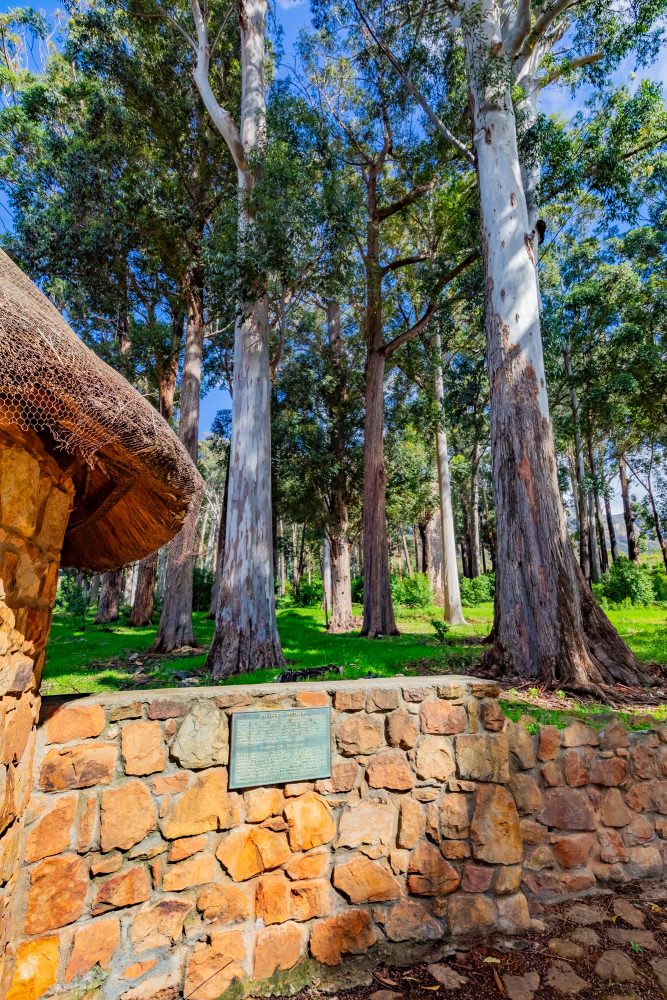
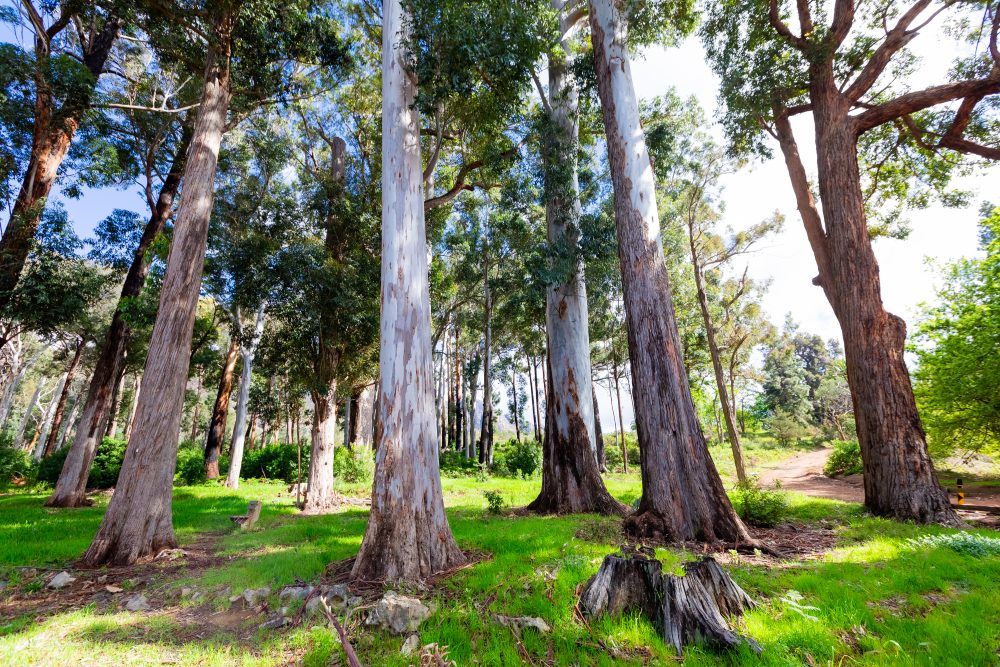
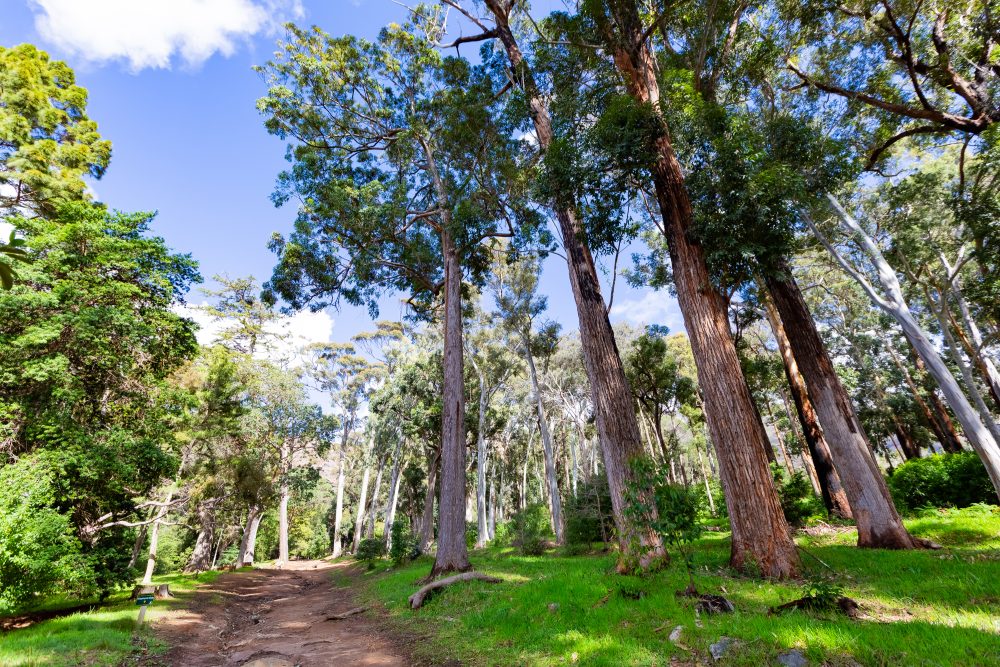
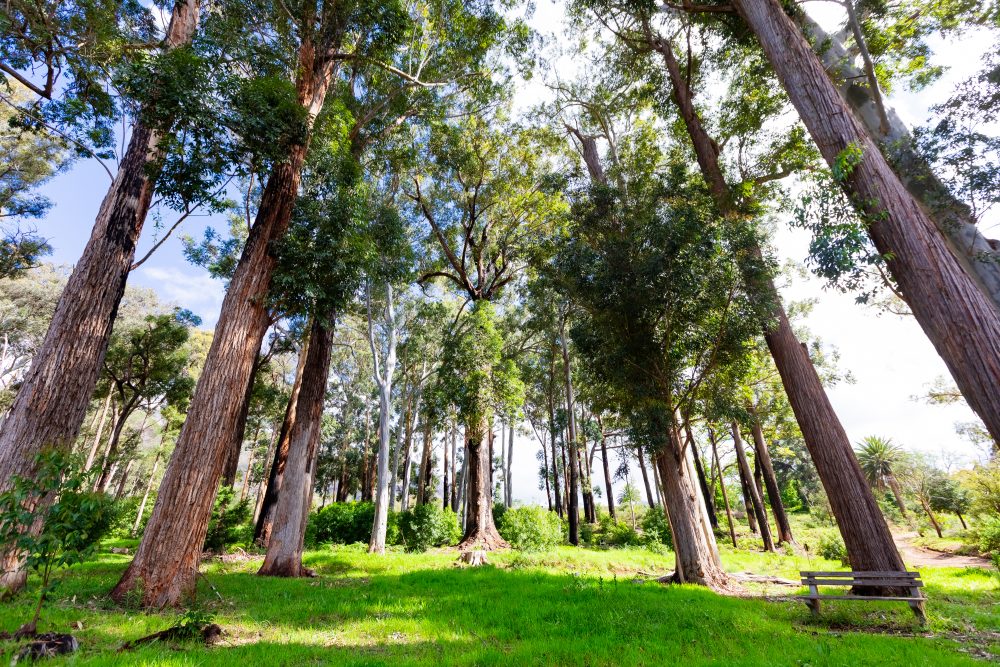
The Tokai Arboretum is located within the Tokai Forest area near the historic Tokai Manor Hall, which dates to 1795. The main Tokai Arboretum and adjacent compartments, which covers an area that is about 14 hectares and 12 hectares respectively, serves as a significant historical, cultural, scientific, and educational landscape within the Cape Peninsula. Located near the old Tokai Manor Hall that was constructed in 1795, the Tokai Arboretum was first established in 1886 by Joseph Storr Lister, Chief Conservator of forests for the Cape Colony. The arboretum is in an environment that is a managed landscape of exotic and indigenous tree species, including Californian Redwoods, Eucalyptus, and various Oaks, designed to evaluate their growth potential in the Cape climate. Over time, some trees have flourished while others have died or are declining due to age and invasive species. The arboretum is also affected by invasions by exotic plant, including long leaf Wattle, Blackwood, Outeniqua and Real Yellowwood, Cypress, Kikuyu, and Buffalo Grass, which challenge the management and conservation of the site. The surrounding environment is a mix of fynbos and cultivated forest, providing educational, recreational, and research opportunities.
In addition, its geology is the typical Table Mountain Sandstone with associated soils of the Tokai area. These soils provided a stable substrate for experimental plantings and contributed to the selection of species that could adapt to local drainage, soil fertility, and moisture conditions. The relatively flat terrain of the arboretum compartments facilitated systematic planting, monitoring, and research.
The purpose of the arboretum, whose continued existence was also based on research coordinated by Joseph Storr Lister – the Chief Conservator of Forests for the Cape Colony – since 1886, was to assess what exotic species of trees would grow and flourish in this area. Among some of the trees planted in the Arboretum are Californian redwoods, Eucalyptus, and Oaks of various ages. The main interest was to establish the list of commercial species that could be grown locally. Above all, the arboretum culturally represents colonial forestry practices and early experimentation in commercial forestry, reflecting the scientific and environmental ambitions of the late 19th century. It continues to serve as an educational and research site, providing insight into forestry history, conservation challenges, and landscape management in the Cape Peninsula.
The Arboretum was declared a National Monument in 1985, on its 100th anniversary. While some of the trees have remained strong over time, many have died or are a process of dying. Besides the issue of age, the Tokai Arboretum is also troubled by other exotic plants that have infested the area. Among these plant species are Long-leaf Wattle, Blackwood, Outeniqua and Real Yellowwood, Cypress, Kikuyu and Buffalo Grass.
GPS Waypoints: 34°3'41.96"S 18°24'52.48"E