Natural & Cultural History
Table Mountain is more than a landmark — it is a National World Heritage Treasure.
As part of the Cape Floral Kingdom UNESCO Natural World Heritage Site, Table Mountain National Park (TMNP) protects one of the most biologically rich and unique ecosystems on Earth. Its slopes, plateaus and coastal margins host plants and animals found nowhere else, while the mountain itself is woven into the lives, histories and cultural identities of Cape Town’s communities.
How would you rate your experience of Table Mountain National Park?
Thanks for participating!
 Loading ...
Table Mountain or Hoerikwaggo – “Mountain in the Sea”
Table Mountain is described as one of the “New Seven Wonders of the World” and part of the “Big 6 destinations in Cape Town.” It was proclaimed as both a “National Monument in 1958 and a Nature Reserve in 1964” and has been influential in the physical design and growth of Cape Town. The mountain has been a central point for travellers around the continent by sea, it provided a place of safety, a relief, and a place to refuel for these travellers. It was a marker used by seafarers to “locate and orientate themselves” in unidentified waters, and is known for its distinctive cloud cover, “the table-cloth” during summer’s south-easter winds.
The earliest known description of Table Mountain comes from the Khoi word Hoerikwaggo, which translates to “Mountain in the Sea.” Archaeological evidence shows human presence and interaction with the mountain from as early as 30 000 years ago during the Stone Age period.
It is claimed that “the first recorded climb of Table Mountain was in 1503 by the Portuguese navigator Admiral Antonio de Saldanha”. Since then, countless others have followed, and the mountain has become a beacon of hope and identity for those living beneath its magnificent slopes. Oral history indicates that indigenous people had access to the mountain via Platteklip Gorge, also described by some as the “highway to the top” long before the arrival of Europeans.
From Landmark to National Park
Today, this iconic mountain chain — and one of the New7Wonders of Nature — forms part of Table Mountain National Park (TMNP), one of 21 national parks managed by the South African National Parks (SANParks) system.
Proclaimed in 1998 to protect “the Peninsula Mountain Chain and the Cape Floral Kingdom,” TMNP is a park unlike any other. Surrounded entirely by the City of Cape Town, it is fragmented by urban development and private land ownership. Because it is largely an open-access park with only four managed pay points, TMNP is the most visited national park in South Africa, receiving over 4.2 million visits annually.
Before its proclamation, approximately 30 000 hectares of conservation-worthy land on the Peninsula were identified as the Cape Peninsula Protected Natural Environment (CPPNE). TMNP currently includes about 25 000 hectares of this area, with plans to incorporate the remaining 5 000 hectares into the park. The Park’s jurisdiction also extends to the Table Mountain and Robben Island Marine Protected Areas, which conserve marine biodiversity and the region’s rich maritime cultural heritage.
Also forming part of the TMNP is the Cape Floral Kingdom (CFK), the smallest and richest of the six floral kingdoms that occur on earth. The CFK spans the eastern and western Cape and in June 2004, was declared to be of universal significance to humanity and was inscribed as a Natural World Heritage Site.
The site is a serial nomination and is made up of eight separate areas that are considered to be representative samples of the entire region and is managed by four different authorities namely South African National Parks (SANParks), CapeNature, the Eastern Cape Nature Conservation Board (ECNCB) and the South African Biodiversity Institute (SANBI):
- Cedarburg Wilderness Area – CapeNature
- Groot Winterhoek Wilderness Area – CapeNature
- Boland Mountain Complex – CapeNature
- De Hoop Nature Reserve – CapeNature
- Swartberg Complex – CapeNature
- Baviaanskloof Protected Area – ECNCB
Natural Heritage: The Cape Floral Kingdom and Fynbos
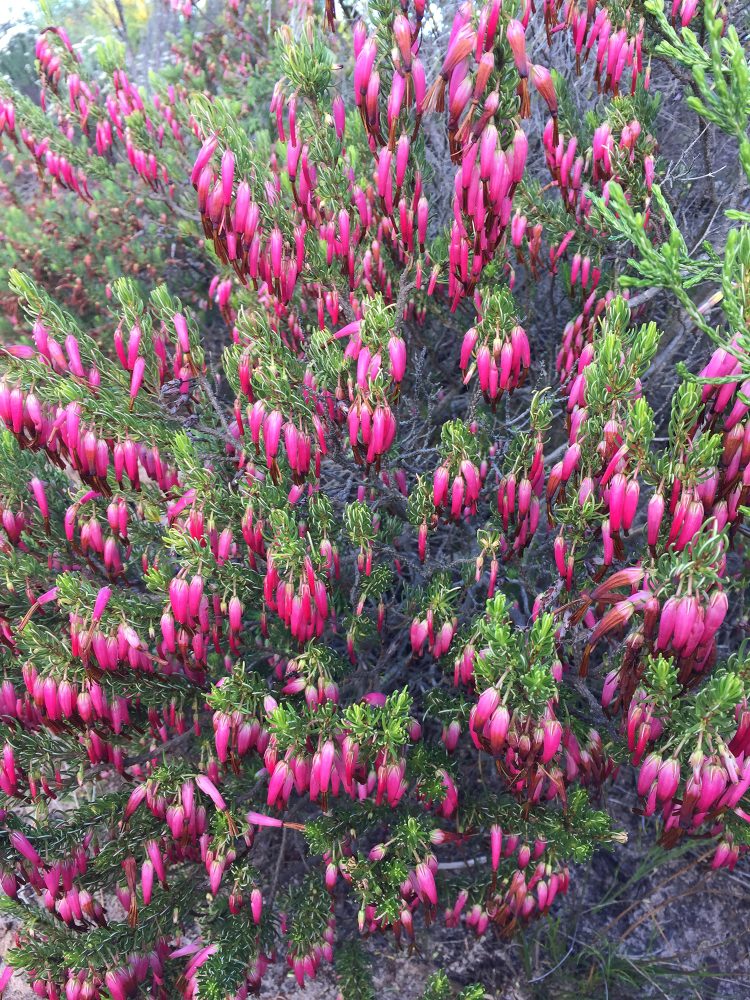
Erica plukenetii © Pat Holmes
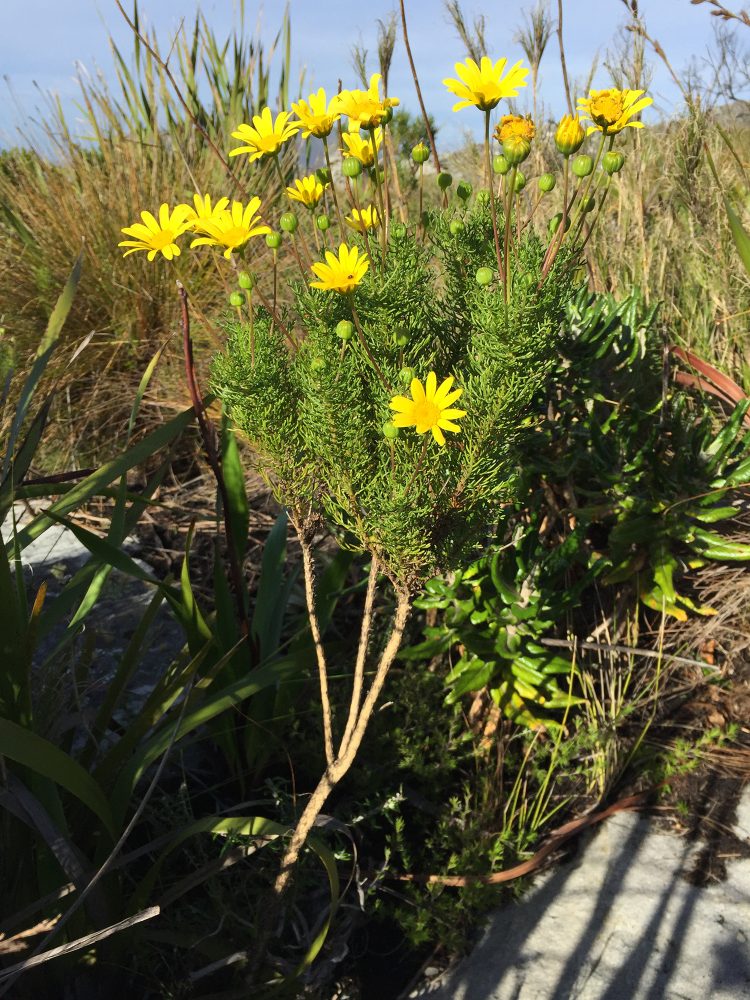
Euryops abrotanifolius © Pat Holmes
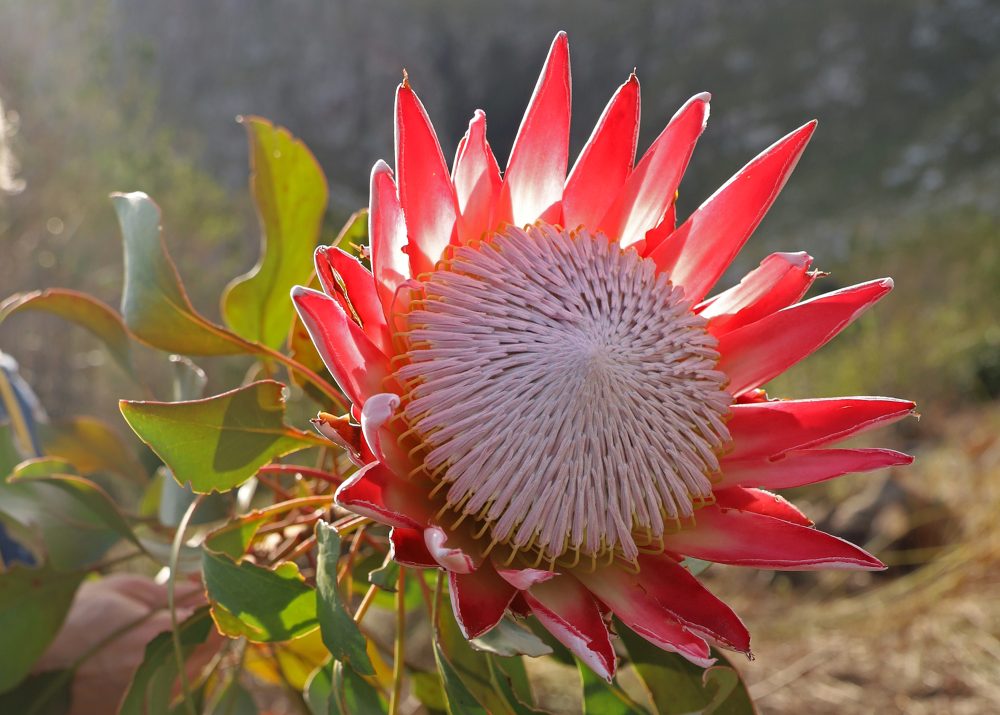
Protea cynaroides © Nicola van Wilgen
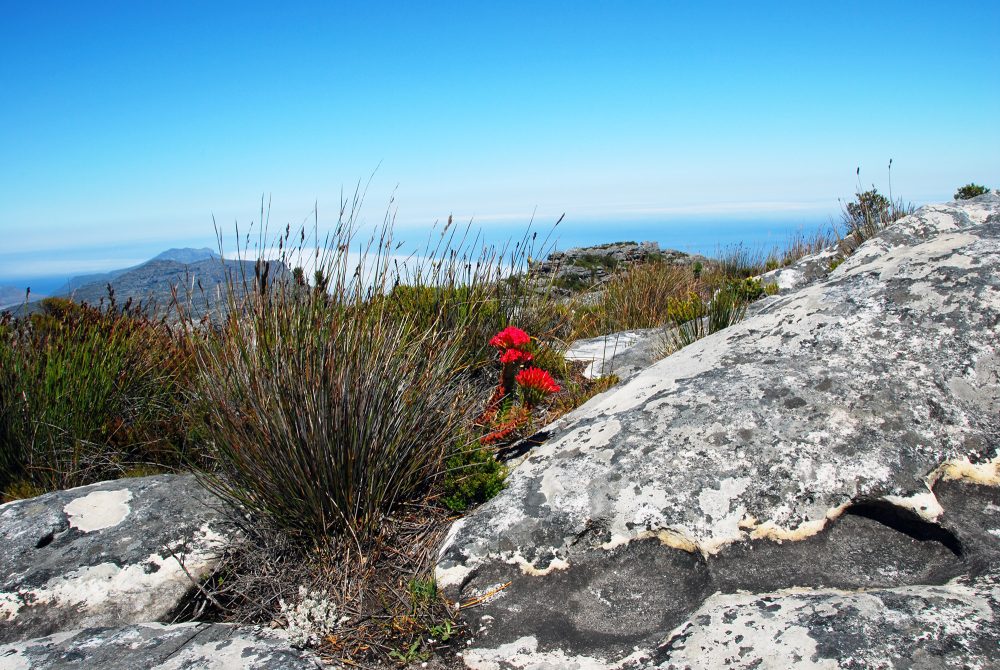
Crassula coccinea © Nicola van Wilgen
In 2004, TMNP was inscribed by the United Nations Educational, Scientific and Cultural Organization (UNESCO) as part of the Cape Floral Region Protected Areas World Heritage Site (CFRPAWHS). The Cape Floral Region (CFR) spans parts of the Eastern and Western Cape and is the smallest yet richest of the six floral kingdoms found on Earth.
Home to around 8 200 plant species, about 80% of which are fynbos, the Cape Floral Region is the only floral kingdom confined to a single continent. Many of these species occur nowhere else on Earth, making Table Mountain a global centre of endemism.
Fynbos vegetation — including proteas, ericas and restios — has adapted over millennia to nutrient-poor soils, seasonal rainfall and periodic fire. These plants provide essential ecosystem services: they safeguard water catchments, purify air, stabilise soils, support pollinators, and provide habitat for countless birds, reptiles and small mammals. They also define the iconic scenery that gives Cape Town its unique character.
Yet this remarkable biodiversity faces significant threats. Over 1 400 plant species are threatened, 300 are endangered or critically endangered, and 29 have already gone extinct. The main drivers include urban expansion, invasive alien plants, disrupted fire cycles, pollution, and climate change. This combination of high diversity and vulnerability makes the Cape Floral Region the world’s hottest floral hotspot — and its protection a global imperative.
Wildlife, Coastal Ecosystems and Key Threats
© Nicola van Wilgen
© Nicola van Wilgen
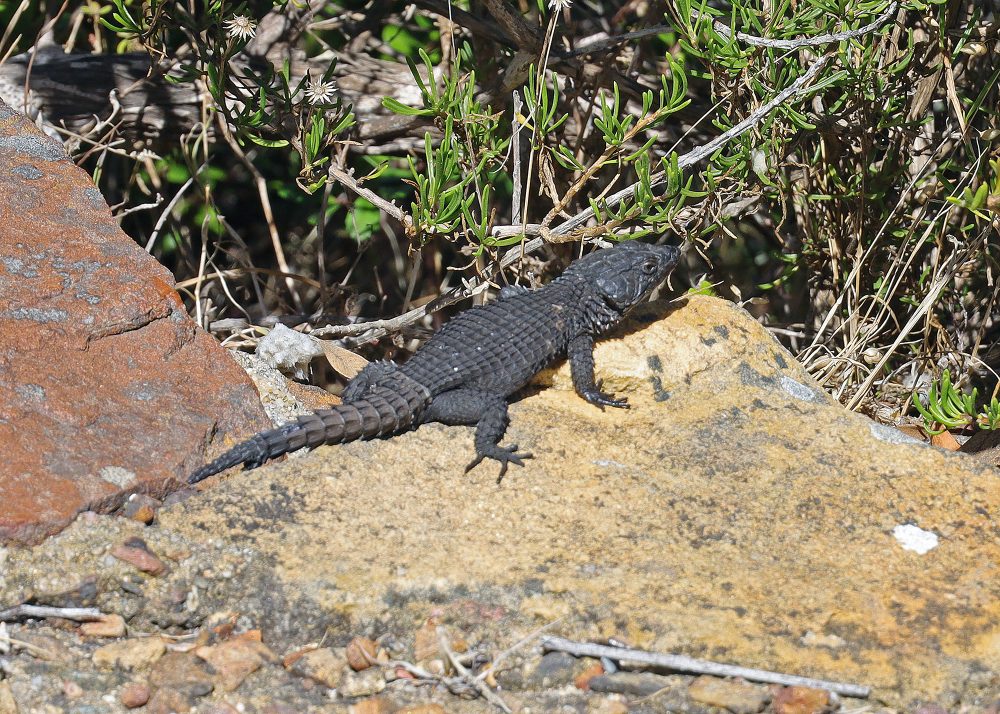
Cordylus niger © Nicola van Wilgen
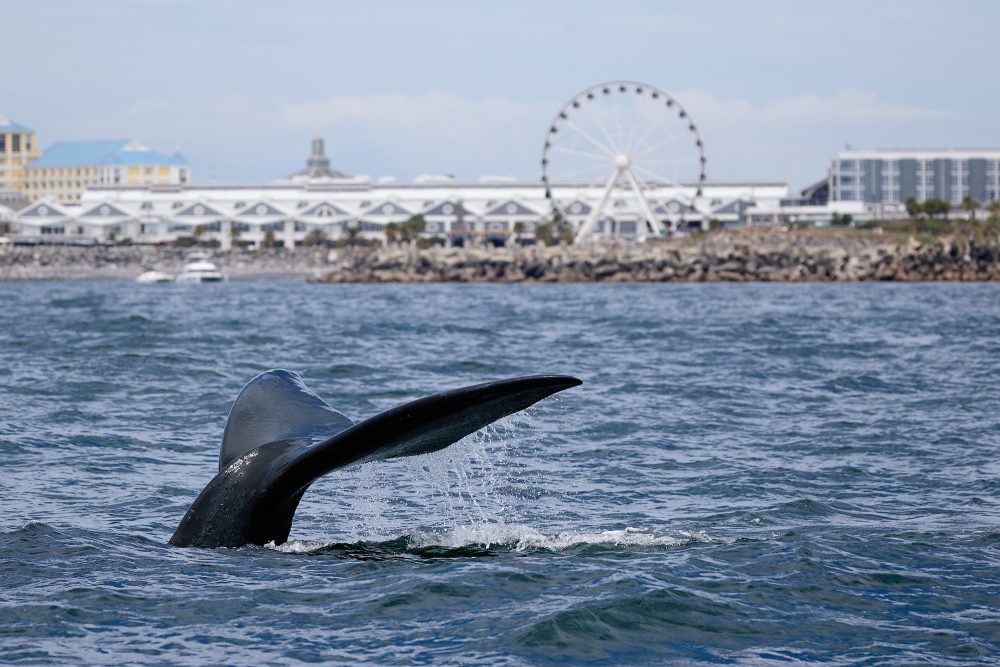
Southern right whale © Nicola van Wilgen
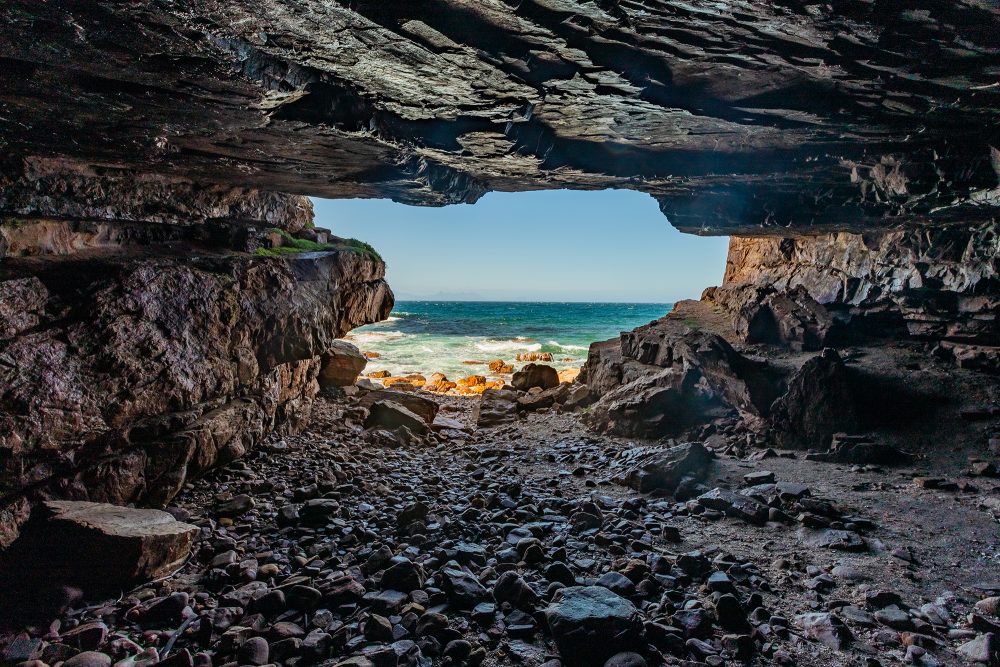
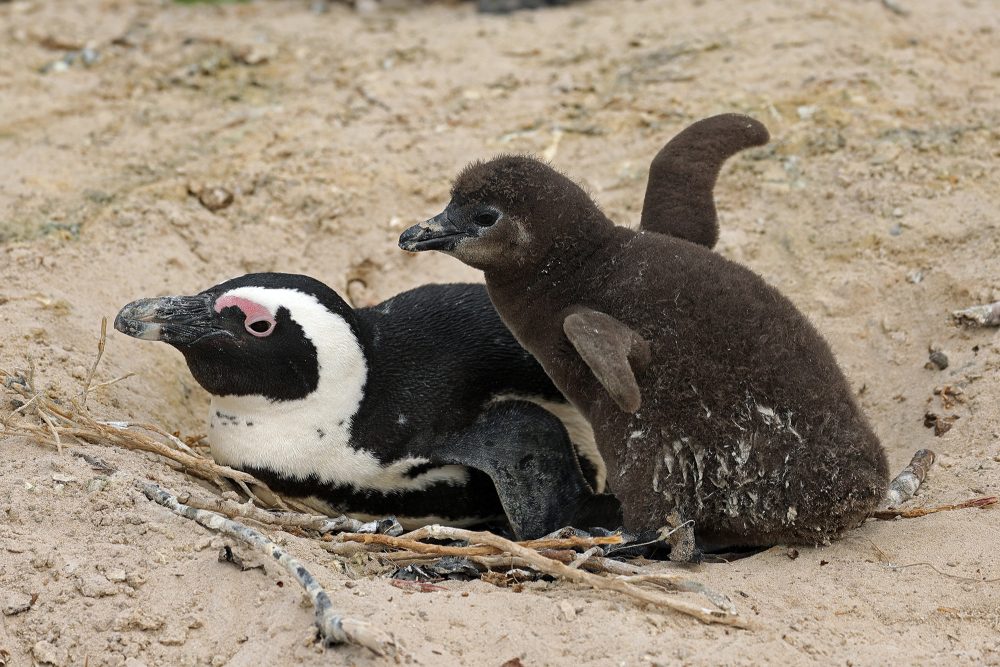
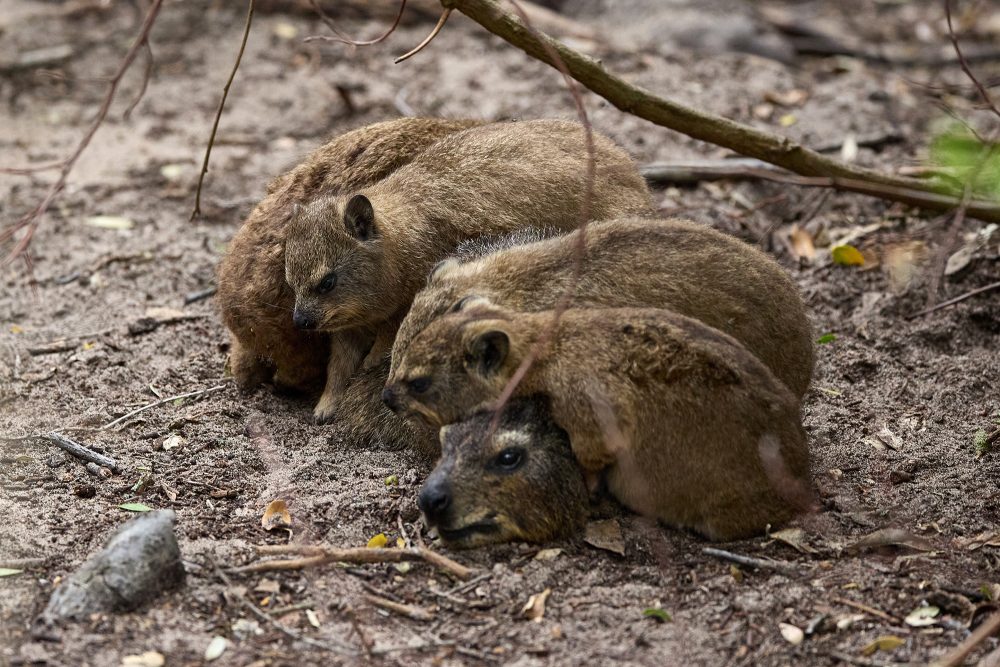
TMNP supports an exceptional variety of wildlife, from sunbirds and rock hyraxes (dassies) to the rare Table Mountain ghost frog, found only in shaded streams on the mountain’s slopes.
The park’s coastal and marine ecosystems — including kelp forests, rocky shores and sandy beaches — provide refuge for marine life and sustain local fisheries.
However, this natural heritage is under increasing pressure from:
- Urban expansion and habitat fragmentation.
- Invasive alien plant species.
- Altered fire regimes disrupting natural regeneration.
- Pollution and degradation of rivers and coastal ecosystems.
- Climate change and extreme weather events.
As a UNESCO World Heritage Site, the protection of TMNP is not only a local responsibility but a global one.
People and Place: Cape Town’s Communities and Their Cultural Ties
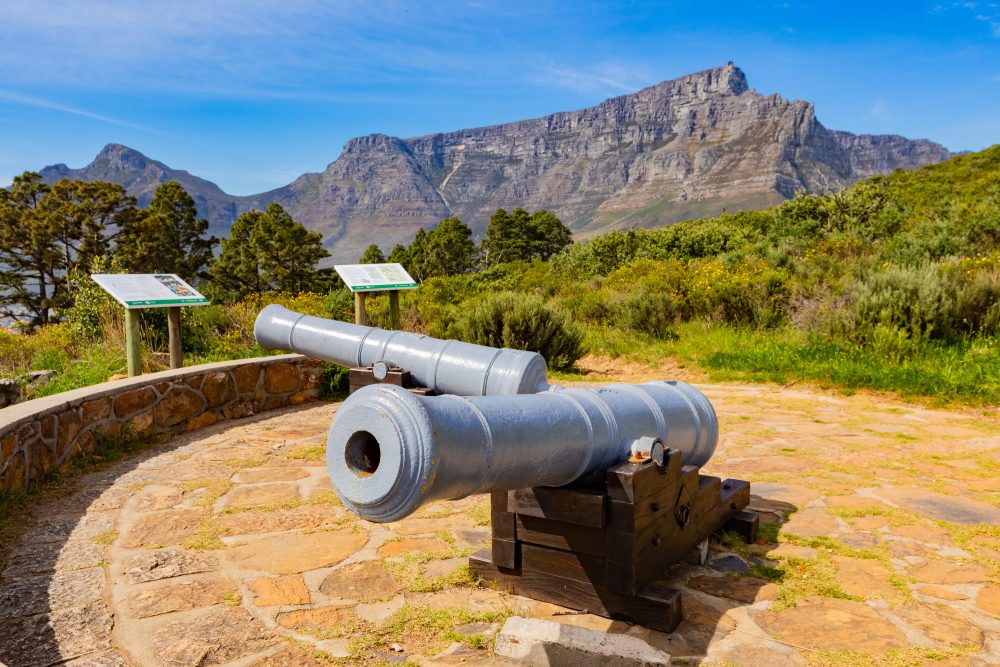
Lion’s Head Cannons
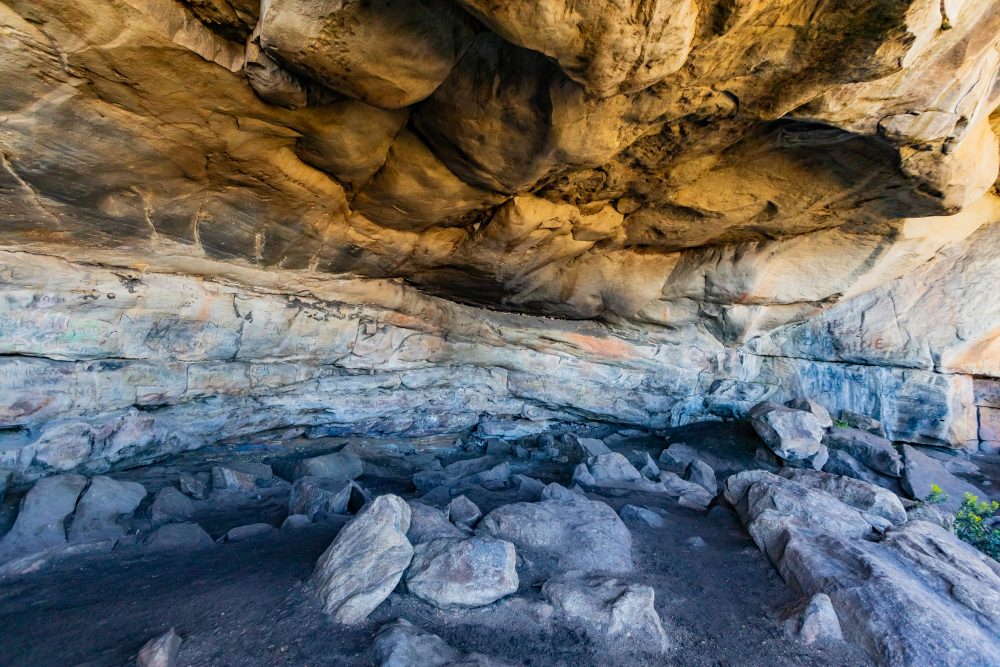
Peers Cave
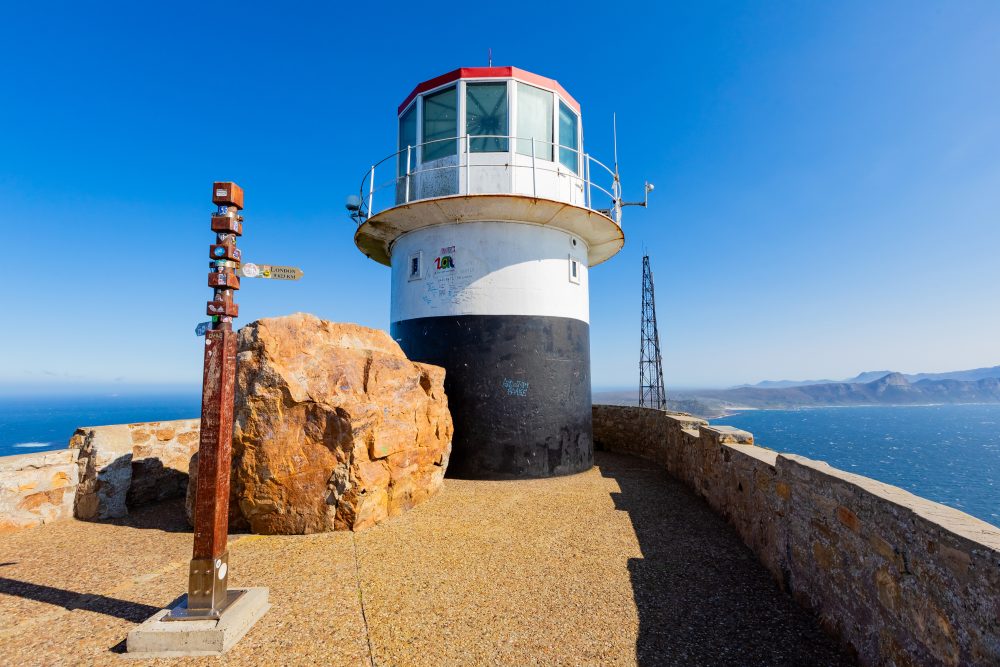
Old Cape Point Lighthouse
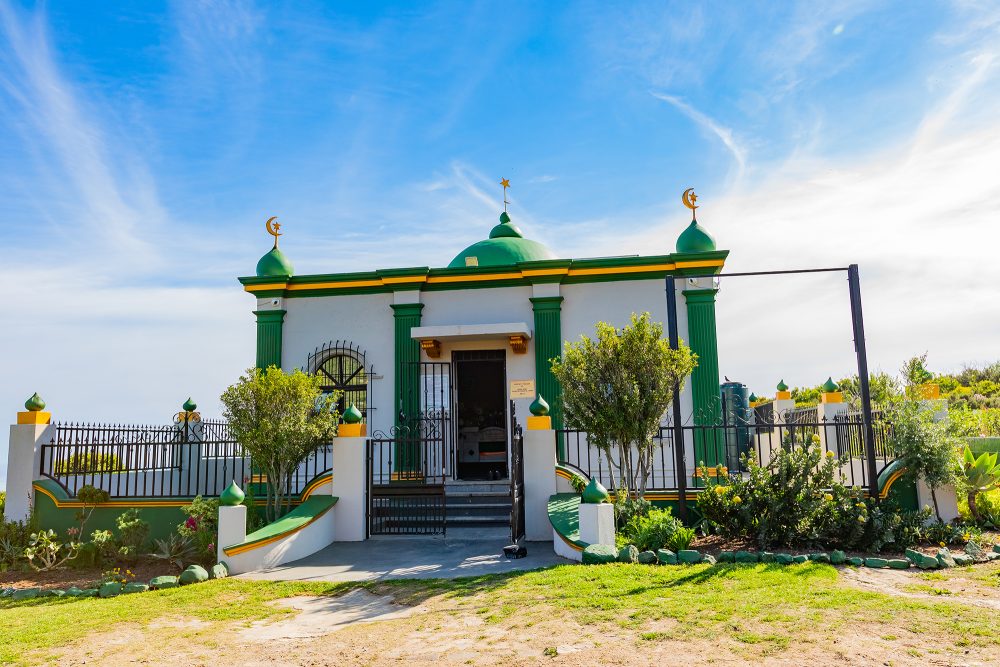
Signal Hill Kramats
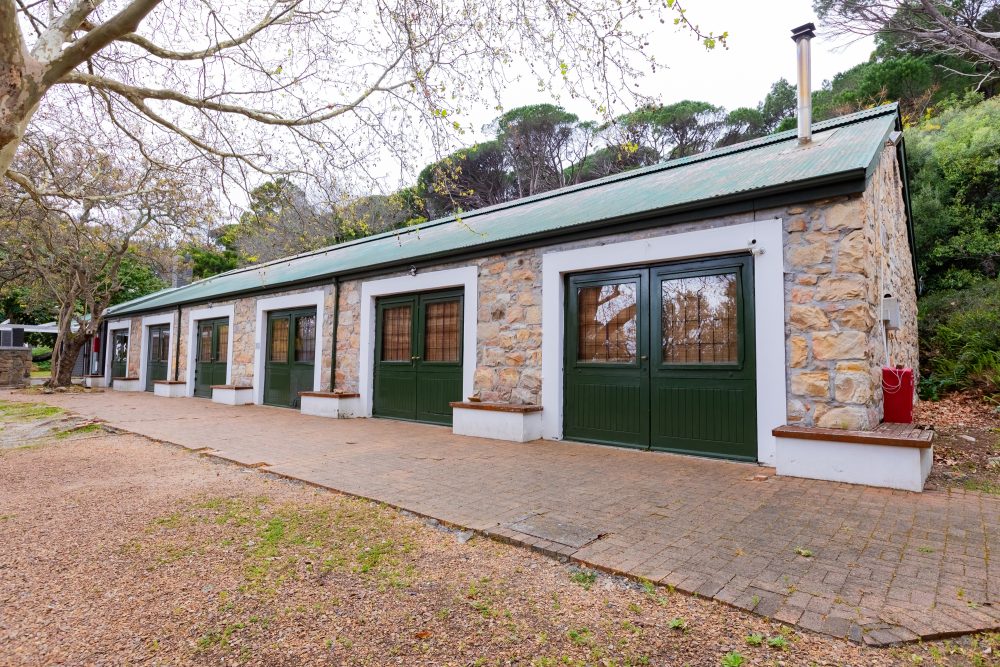
Wash Houses
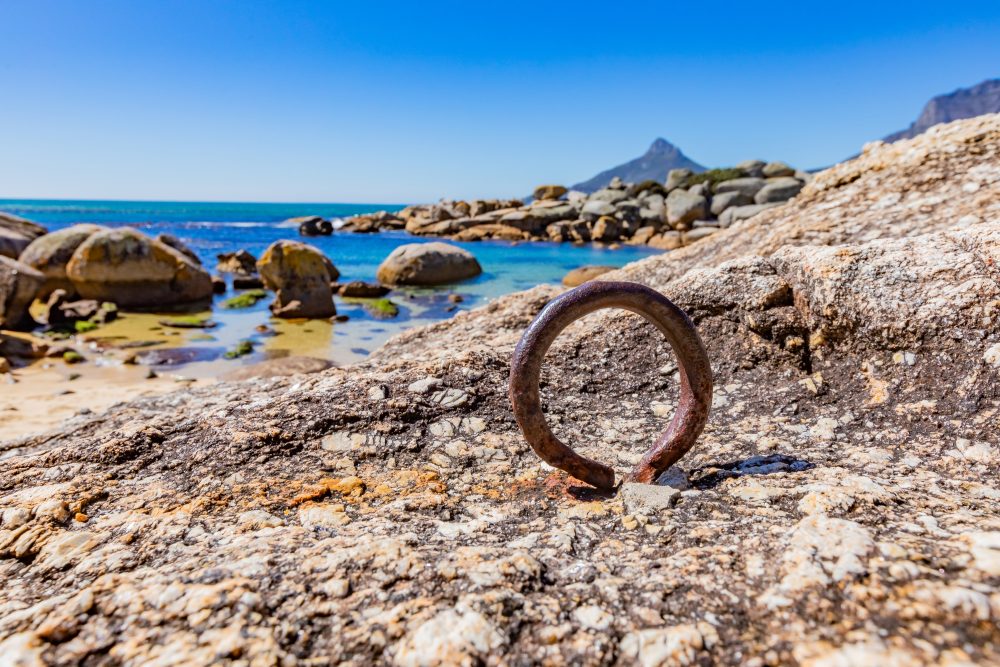
Oudekraal Beach
Table Mountain, as a landmark in Table Mountain National Park, is a Cultural Landscape, and has very strong natural and human attributes. From its early naming by the Khoi to the lived experiences of Cape Town’s diverse communities today, the mountain remains central to identity, spirituality and belonging.
It is believed that there is a connection between communities from the East and West when they arrived at the Cape in the later 17th century, and Table Mountain became “sacred to the slave and Muslim” communities, as they considered it to be the birthplace of the “Tauheed (Unity of Allah).”
An initiative was earmarked upon to make communities more integrated into the cultural heritage of TMNP with the park becoming part of the transformation of the city and provided a positive social space for residents and affordable access for visitors to the Table Mountain as a public amenity.
The park is now presented as a site of racial integration, and an inclusive resource. It is no longer just an area for the privileged, but is open to all, with a restored history and a recognition of different belief systems of nature. By doing so, this is meant to address past injustices and foster empathy for the difficulties faced by local communities.
Stewardship: Shared Responsibility for a World Heritage Site
As part of a UNESCO Natural World Heritage Site, caring for Table Mountain National Park is a collective responsibility shared by all who live in and around Cape Town.
Ways to support stewardship include:
- Removing invasive alien plants and supporting ecological restoration.
- Practising safe fire awareness and participating in community fire management.
- Planting indigenous vegetation in gardens and public spaces.
- Reducing litter and pollution in coastal and mountain environments.
- Taking part in citizen science and educational programmes.
- Supporting responsible urban development that balances people and nature.
Why Stewardship Matters
Table Mountain’s biodiversity is globally significant and locally indispensable. Its ecosystems provide clean water, regulate climate, purify air, and offer cultural, religious and recreational value to millions.
Its cultural significance — from Khoi and San traditions to the heritage of Bo-Kaap, Hangberg, Langa and Khayelitsha, connections to slave history, maritime and military history — makes it a shared tangible and intangible heritage of extraordinary value.
By protecting Table Mountain National Park, Cape Town’s communities not only preserve their own natural and cultural heritage — they also help South African National Parks uphold a responsibility to the world.