Peers Cave
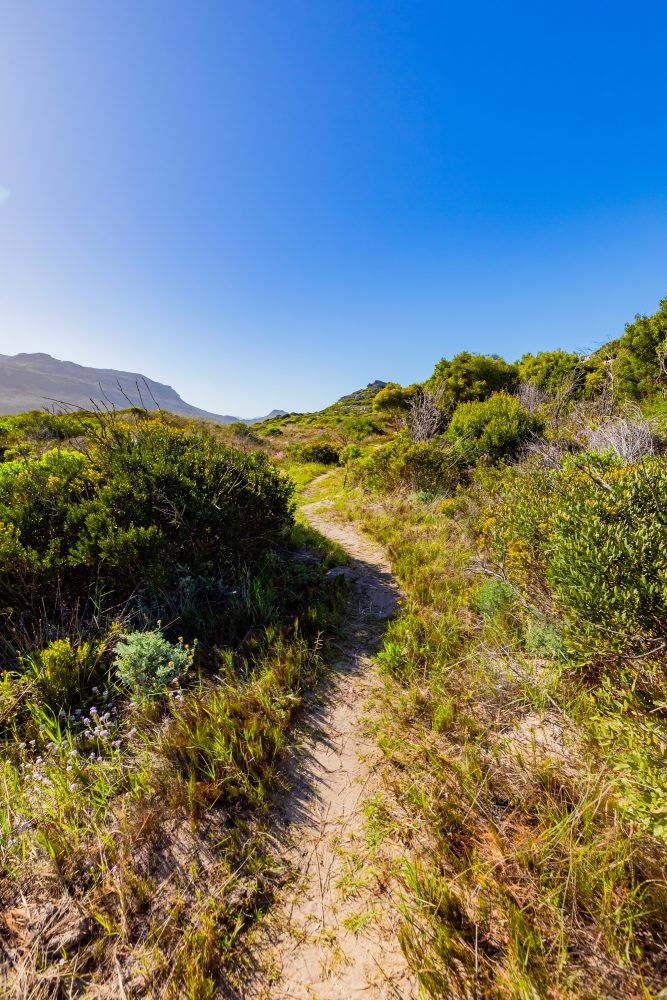
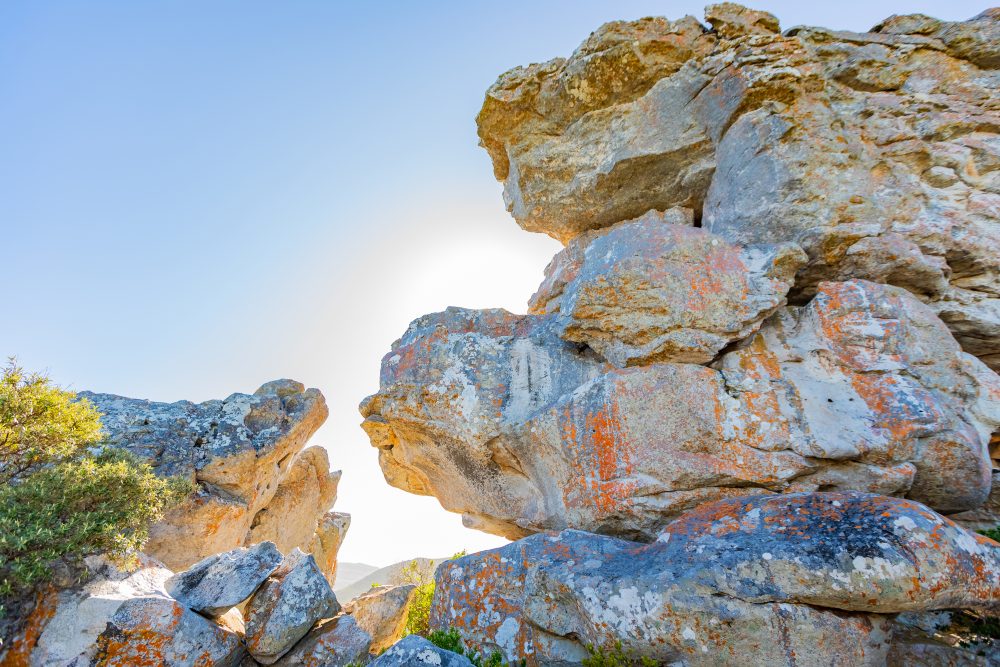
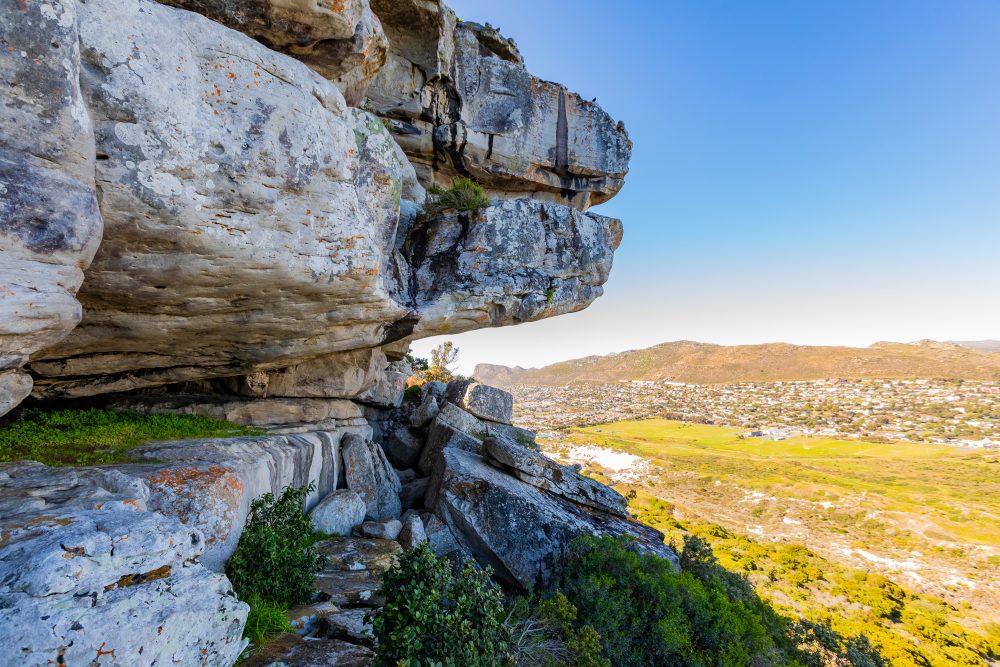
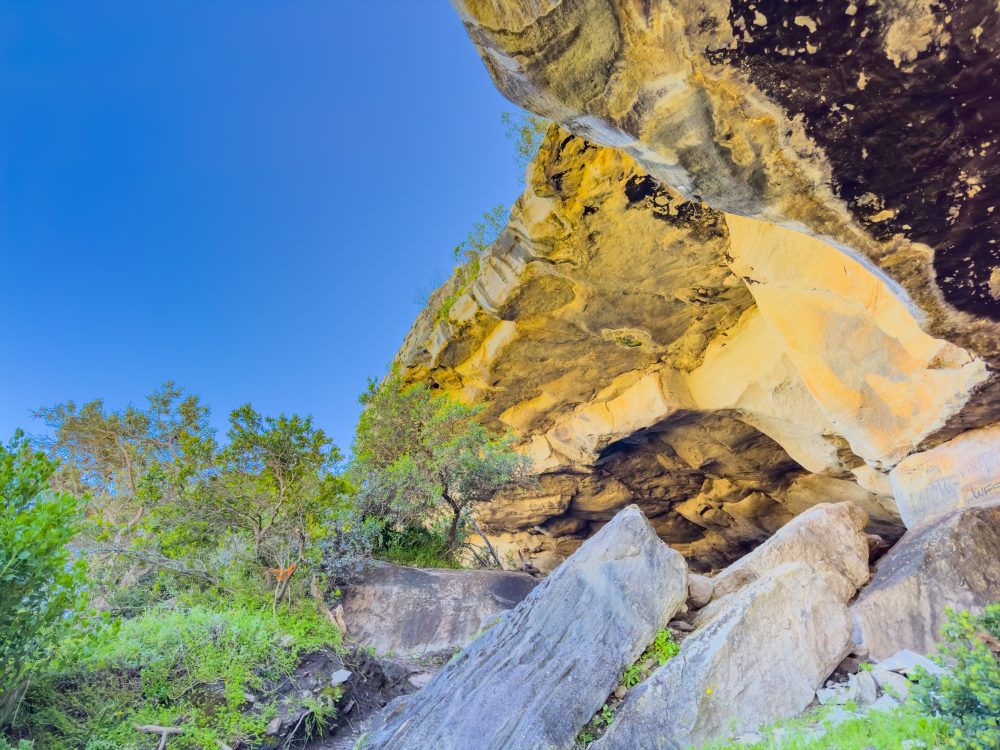
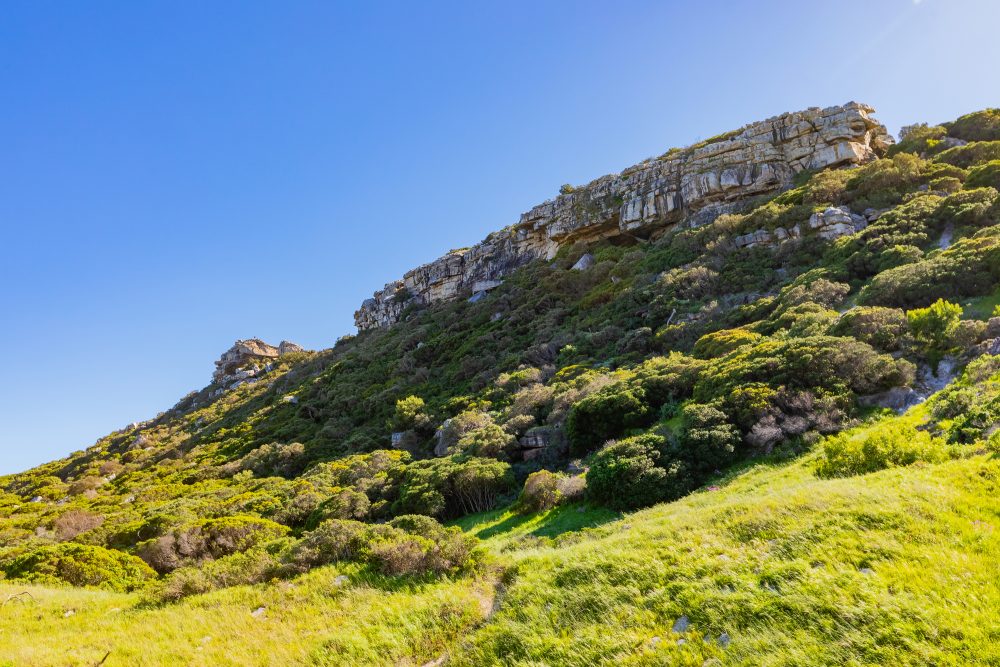
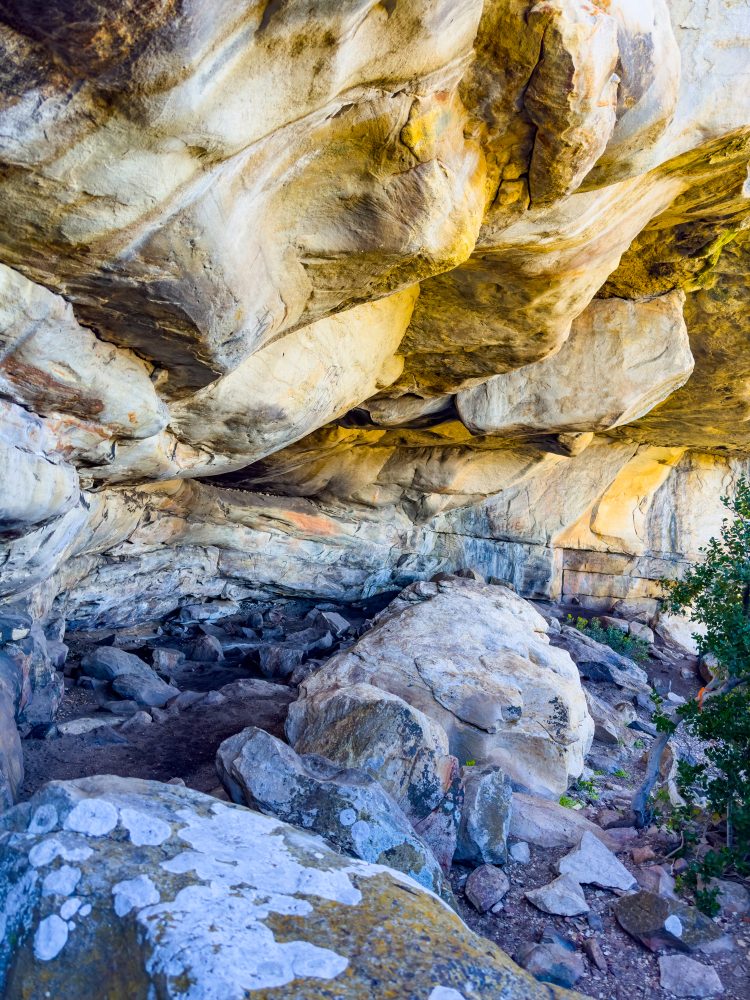
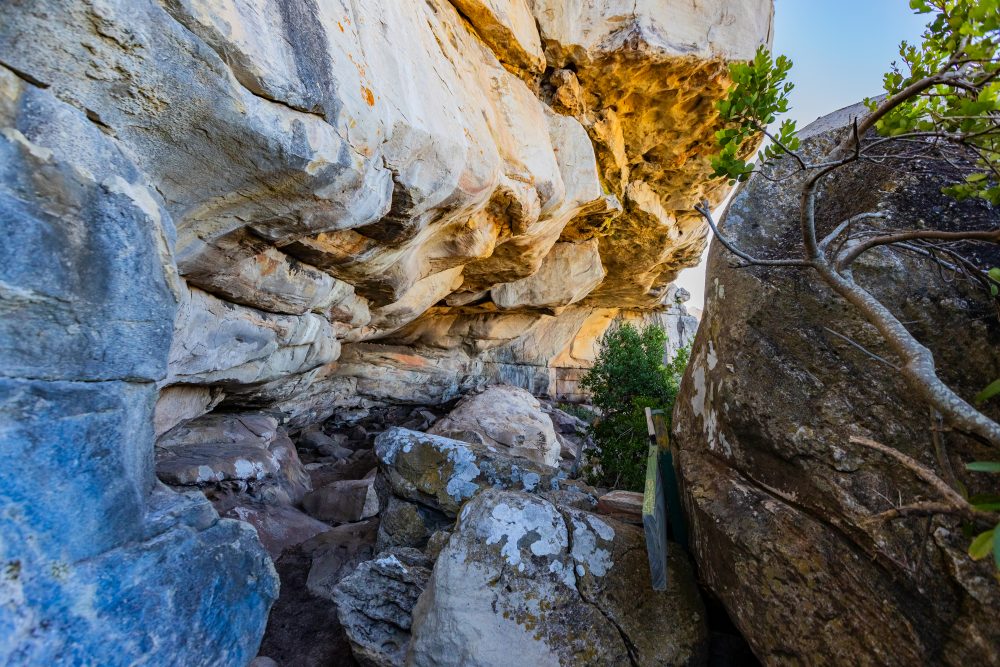
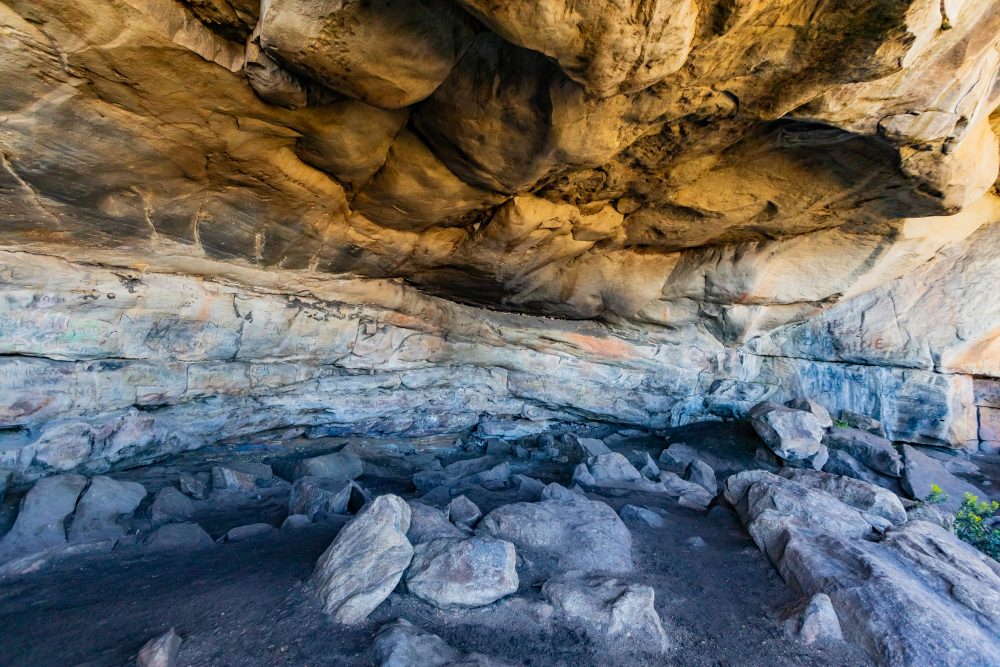
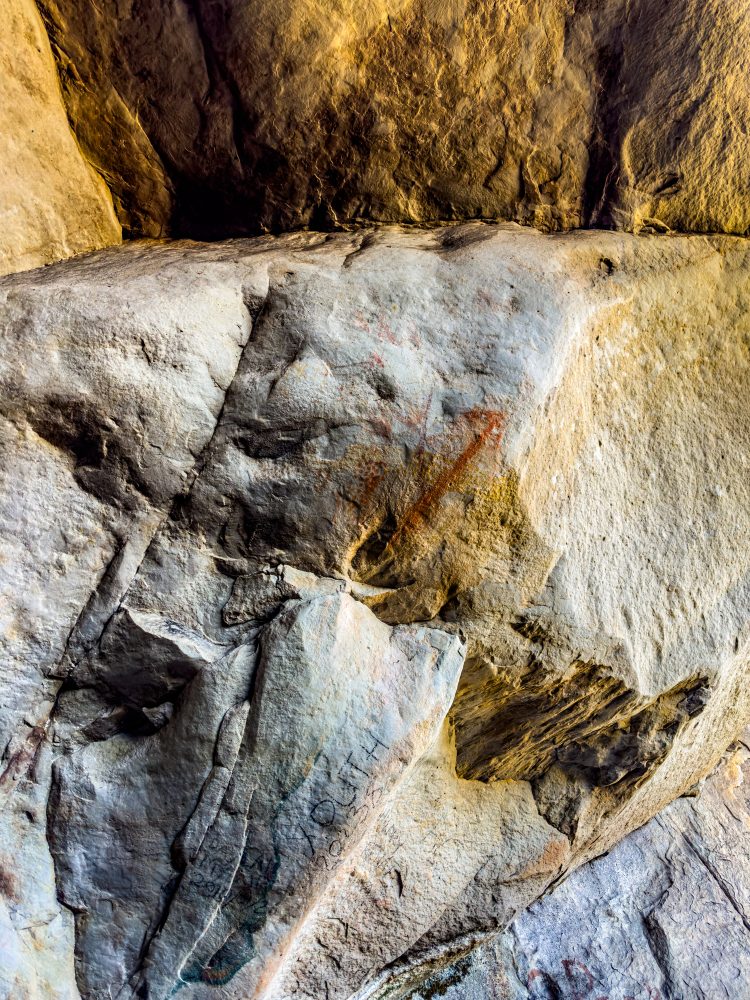
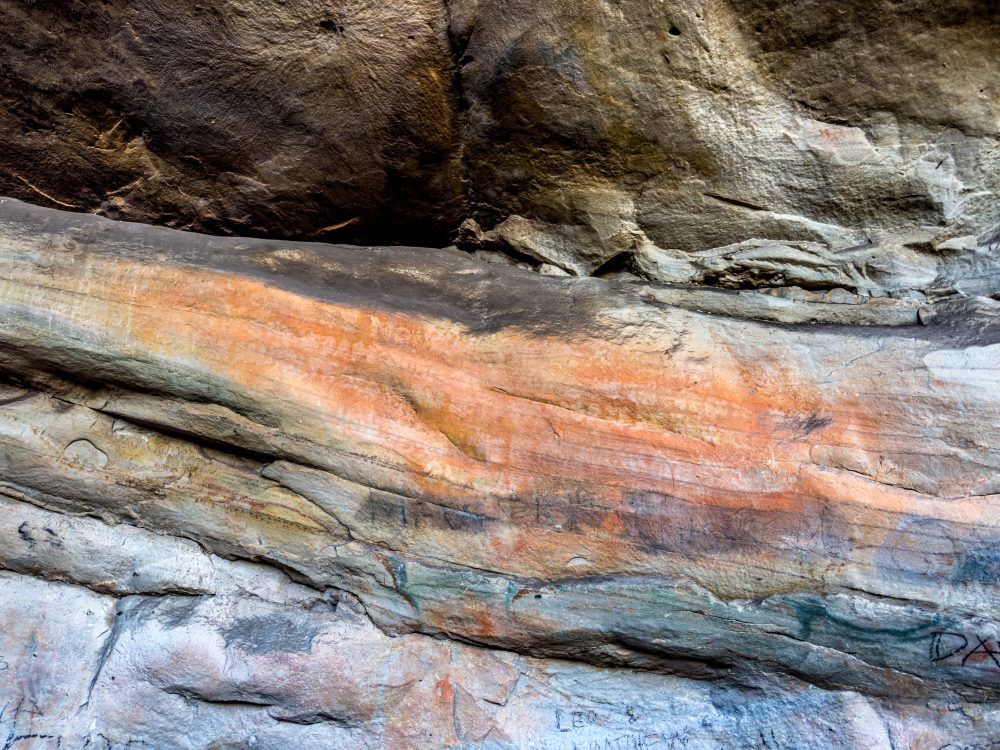
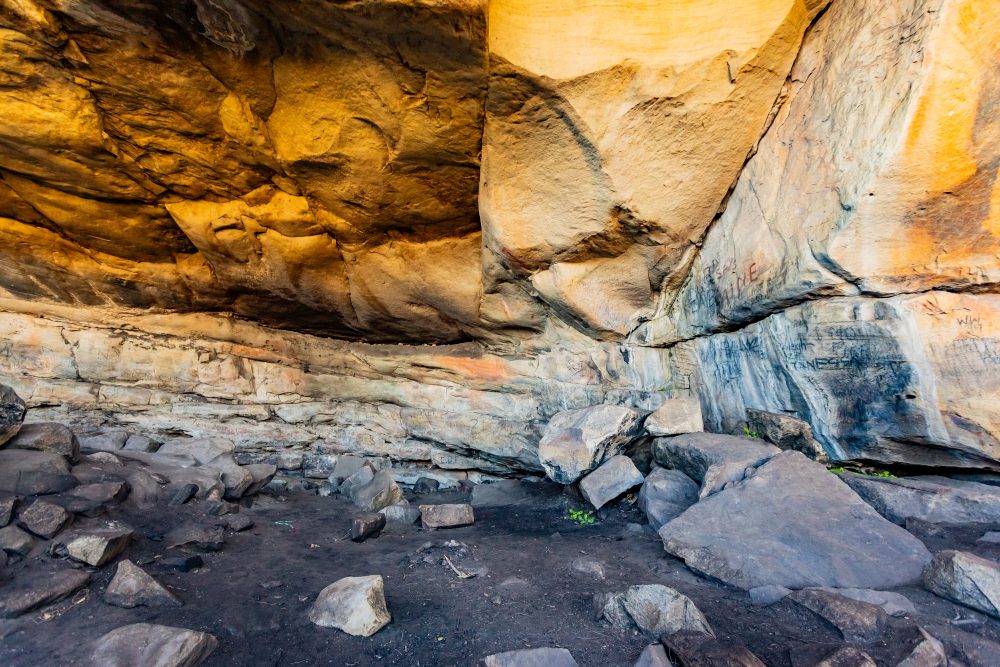
Peers Cave, found high above the Fish Hoek valley on the western side of the Cape Peninsula, lies within a rugged mountain landscape accessible by a hiking trail that offers panoramic views across the valley, False Bay, and surrounding mountain ranges. Its elevated position provided early inhabitants with both shelter and vantage, making it an ideal site for occupation by earlier communities. The site, one of South Africa’s most important archaeological sites, tells a story that reaches back over 12,000 years. The site was excavated by Victor and Bertie Peers in 1927 during which they uncovered the remains of a Stone Age human now known as Fish Hoek Man, shedding light on early human life in the Cape. This discovery offered significant insight into Late Stone Age human life in the Cape, including subsistence patterns, tool use, and burial practices. This former National Monument is one of the most important archaeological finds in South Africa – holding great scientific, educational, and heritage value, connecting modern visitors with the deep human history of the region. Peers Cave is not only an important archaeological site but also offers breathtaking views, rich biodiversity, and deeper connection to the land’s past. There have been reports of rock art paintings, but these have never been found. Beyond its archaeological importance, Peers Cave also serves as a place of reflection and appreciation for the enduring relationship between people, landscape, and time.
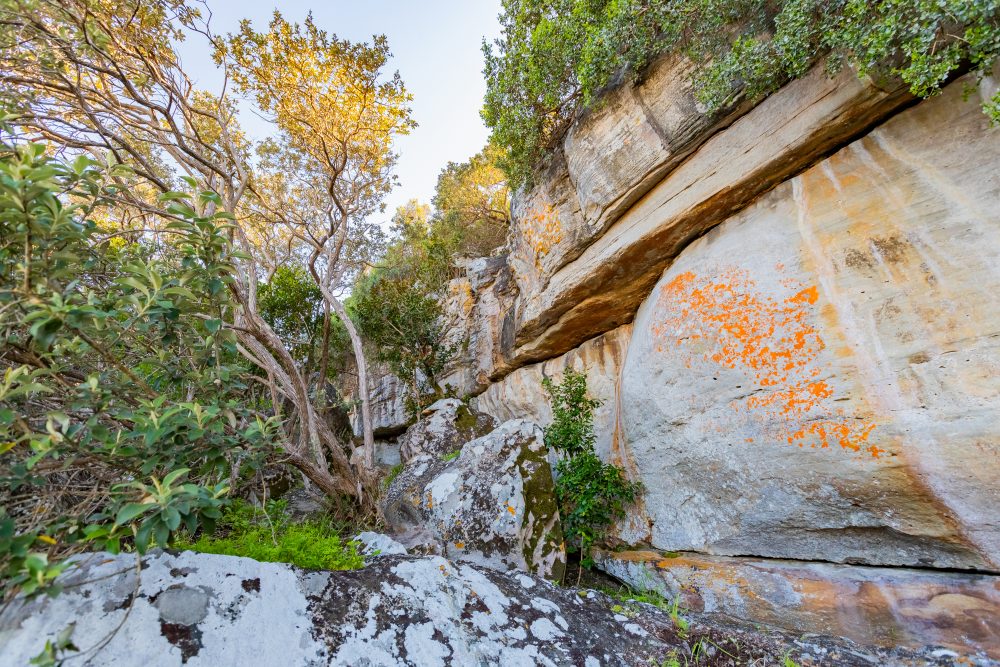
The surrounding environment forms part of the Cape Floristic Region, a UNESCO World Heritage Site known for its remarkable biodiversity and high proportion of endemic species. The slopes around Peers Cave are covered in fynbos vegetation, including proteas, ericas, and restios, which thrive in the nutrient poor, sandy soils. The area is also home to various bird species, small mammals, and reptiles adapted to the rocky terrain. The setting offers visitors not only insight into the region’s ancient human history but also a chance to experience the rich natural heritage of the Cape Peninsula.
Peers Cave was formed within Table Mountain Sandstone, a hard and erosion resistant quartzitic rock that dates back approximately 450–510 million years. The sandstone cliffs and overhangs of the area have been shaped over millennia by natural weathering and erosion, creating sheltered spaces that were ideal for prehistoric habitation. The geological structure of the cave has helped preserve archaeological deposits, including stone tools, animal remains, and evidence of human occupation, which have provided valuable information about the lives of early hunter gatherer communities in the region.
GPS Waypoints: 34°7'9.04"S 18°24'26.83"E