King’s Blockhouse
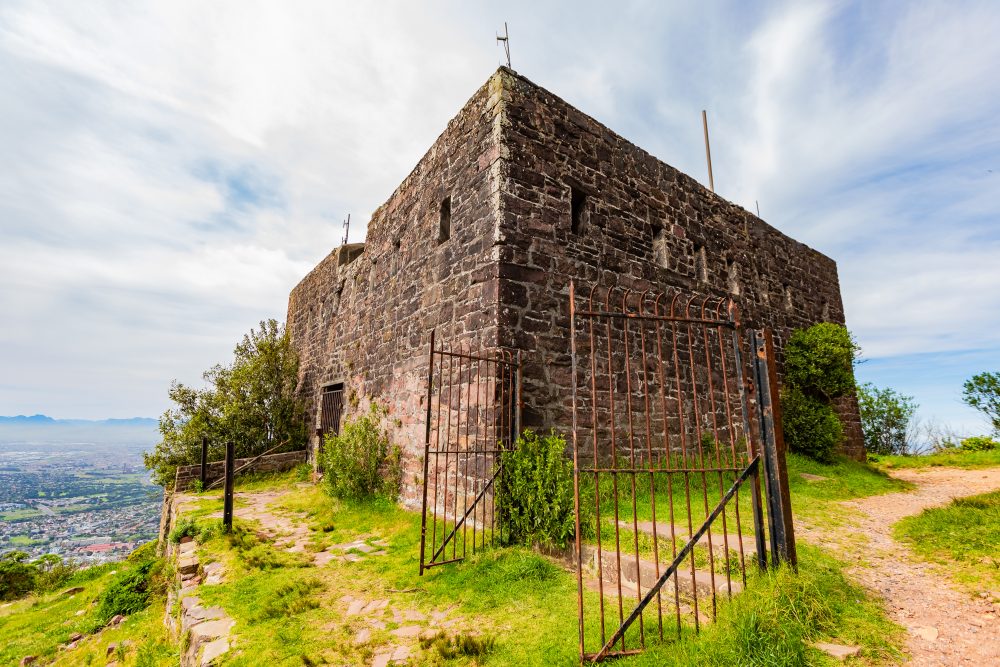
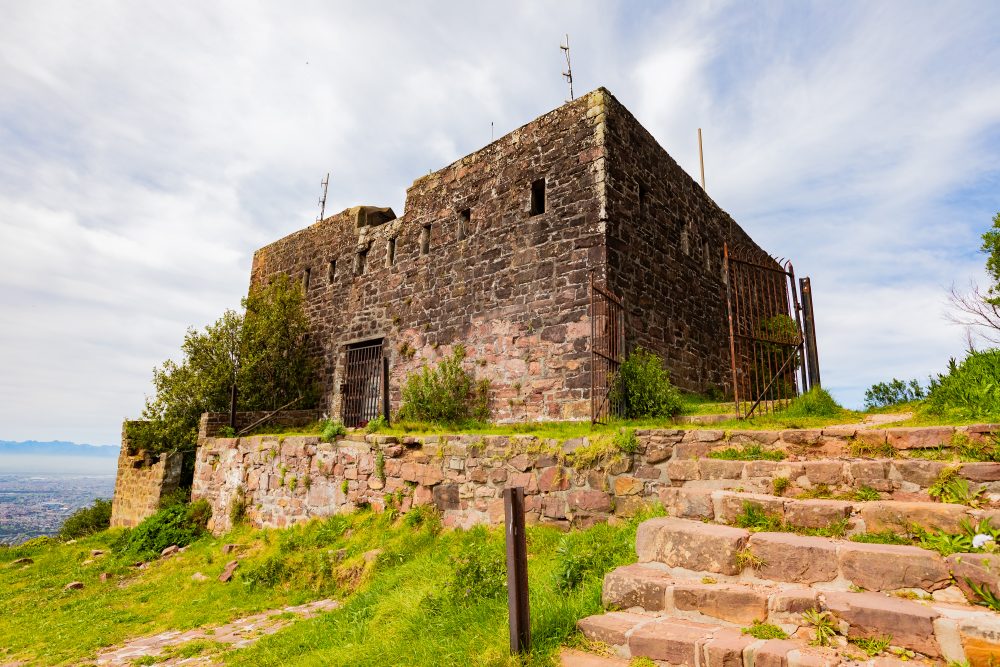
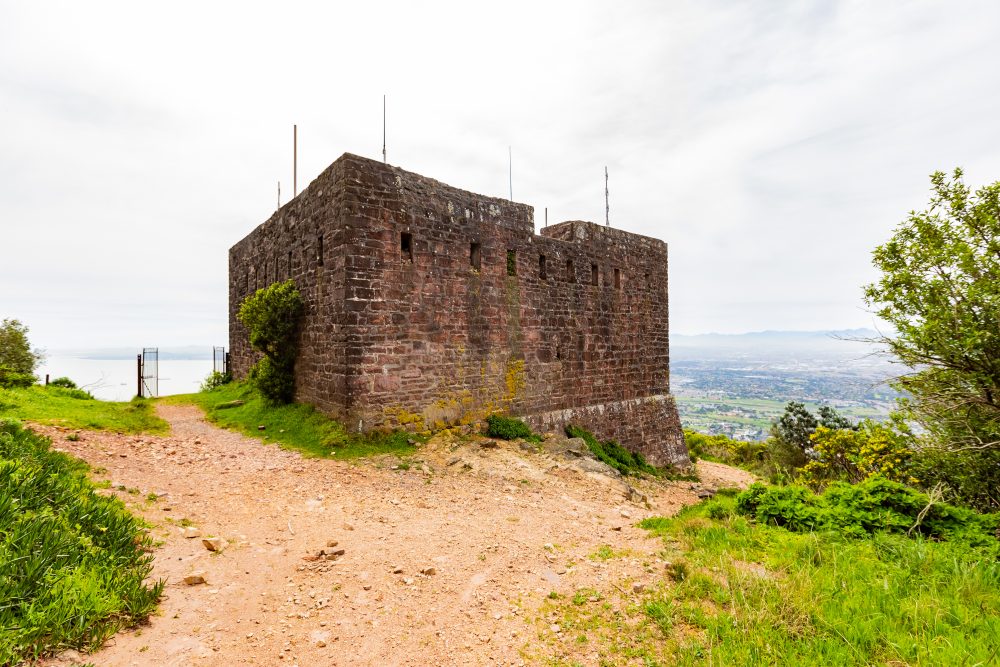
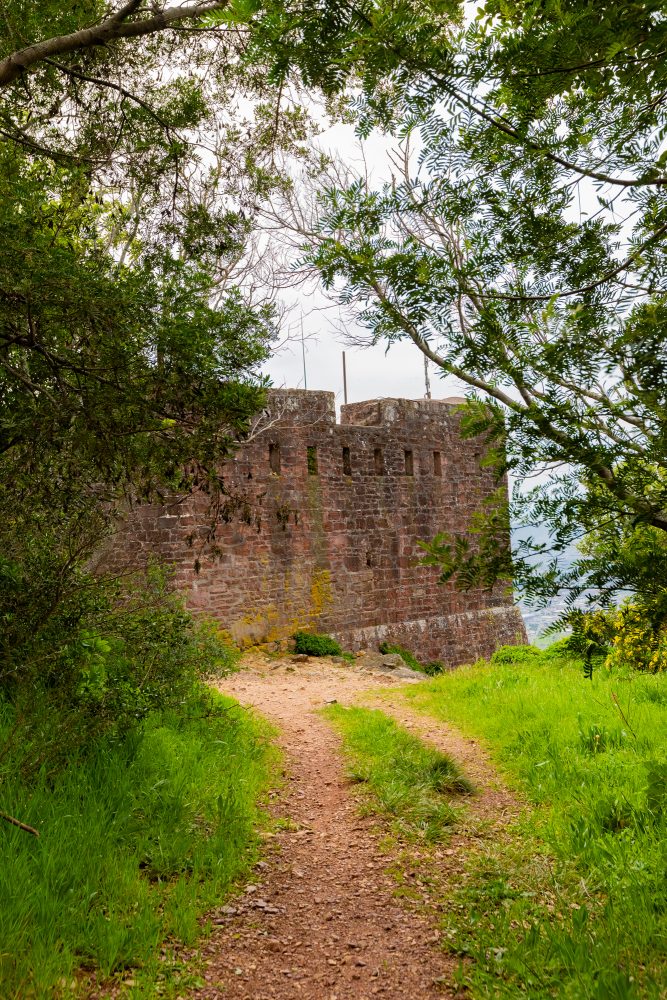
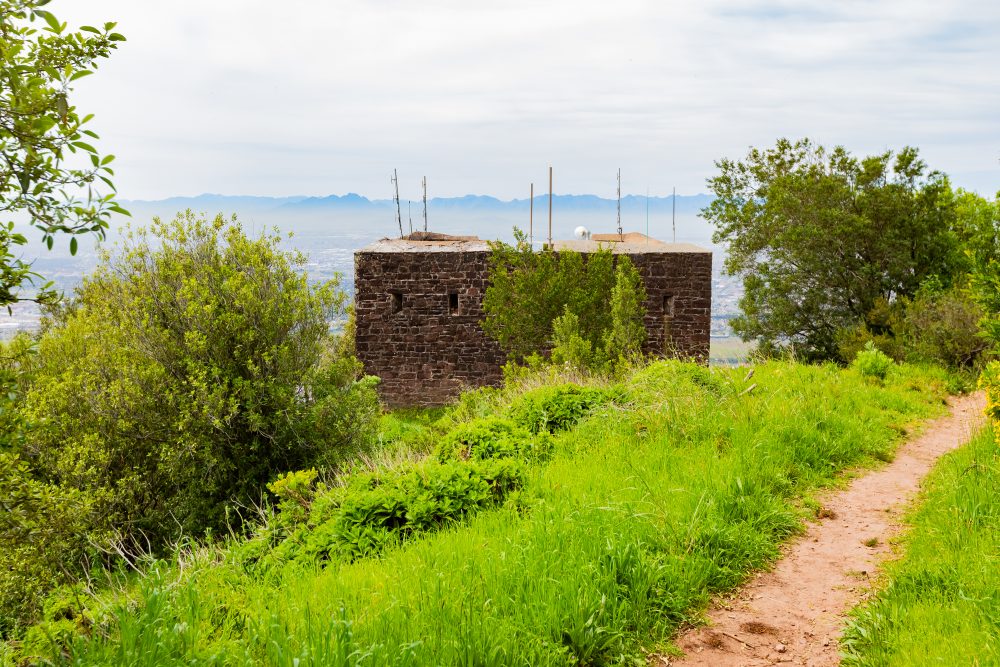
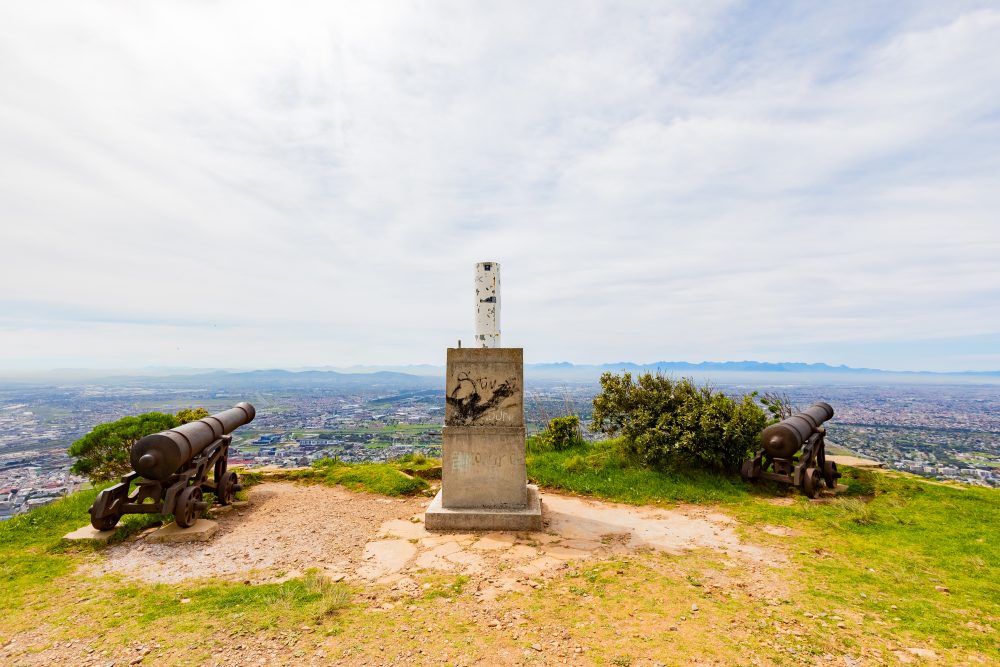
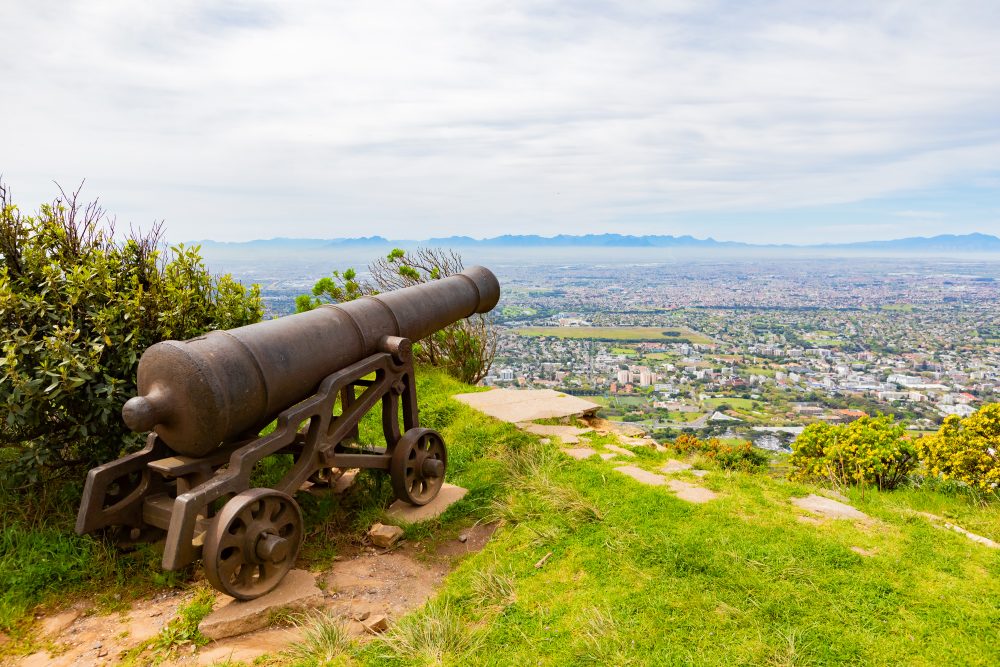
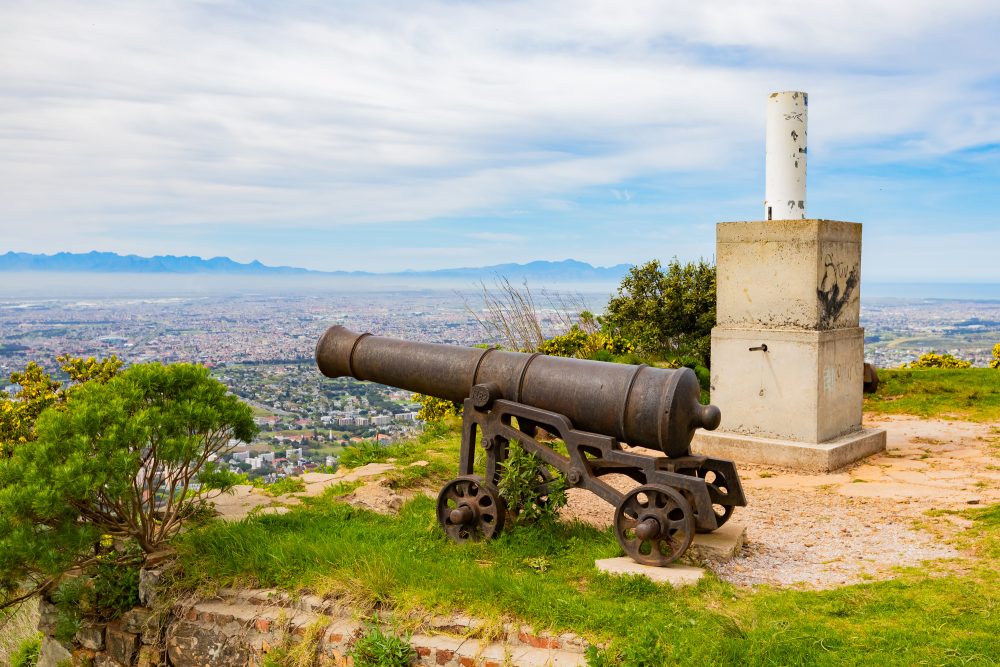
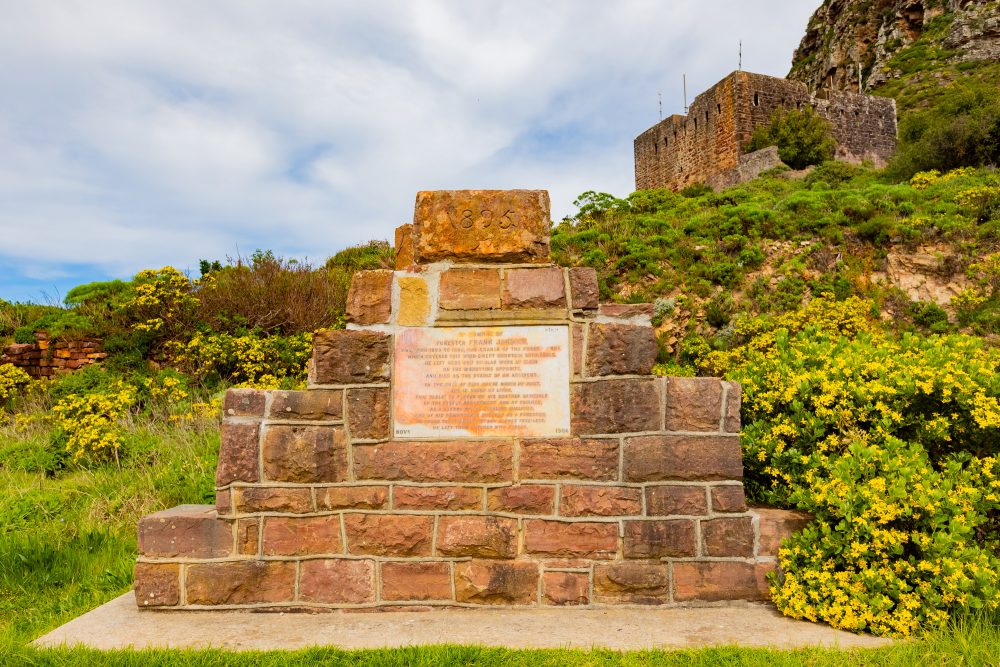
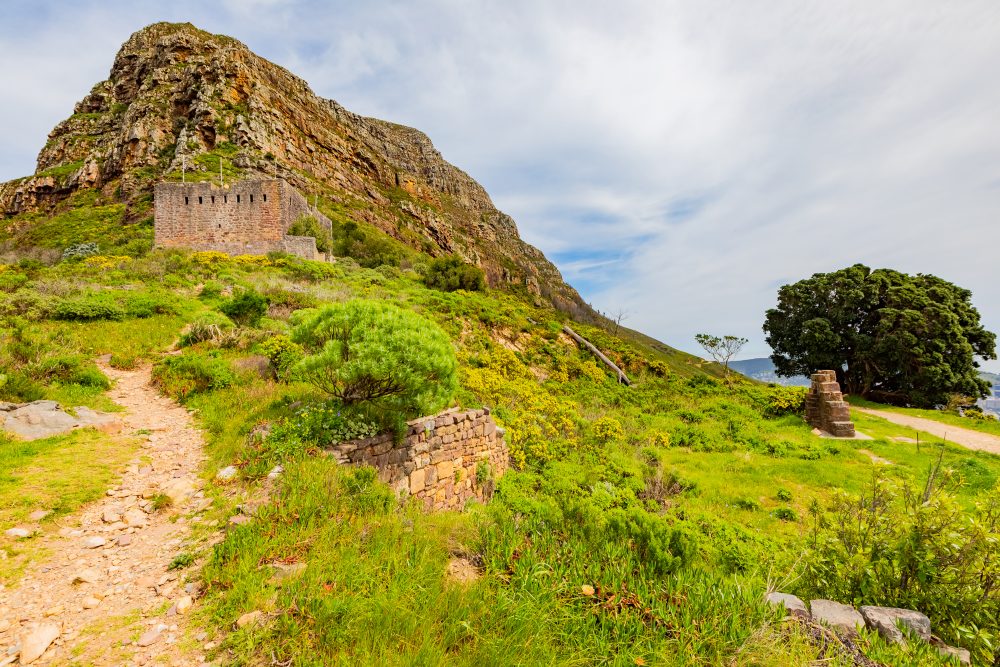
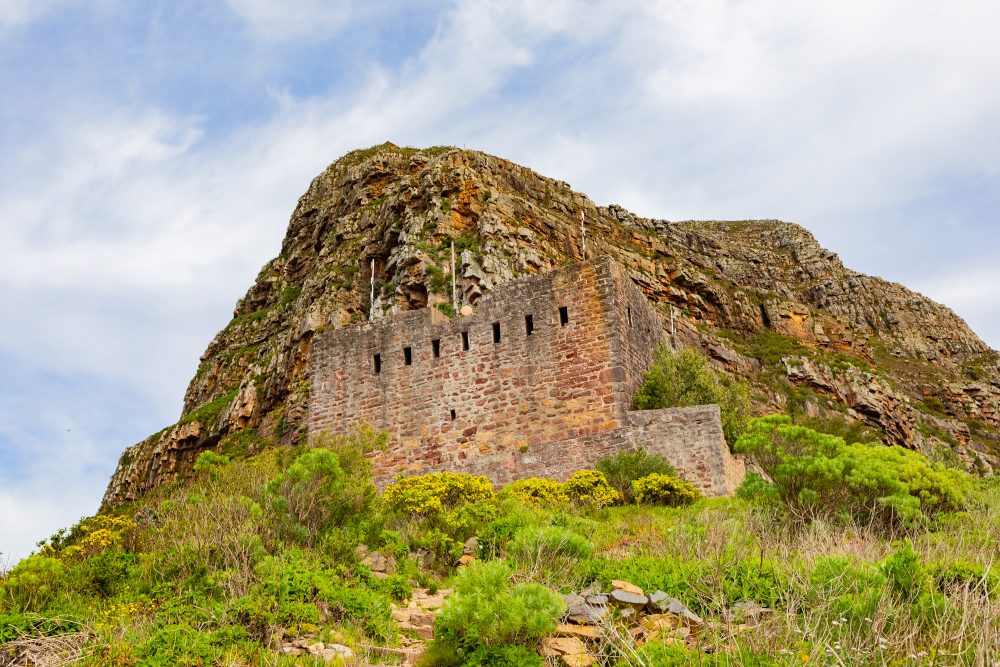
The King’s Blockhouse is located on the slopes of Devil’s Peak. Positioned high above the city, the blockhouse overlooks both Table Bay and False Bay, offering panoramic views of the Cape Peninsula. Its elevated and strategic position made it an ideal lookout and defensive point, linking the mountain’s natural topography with the military history of the Cape.
Furthermore, the blockhouse is situated within the fynbos dominated landscape of the Cape Floristic Region, a UNESCO World Heritage Site known for its exceptional biodiversity and ecological significance. The surrounding environment consists of hardy shrubland adapted to the dry, rocky conditions of the mountain slopes. The site is frequently visited by hikers and nature enthusiasts, and its vantage point provides clear views of both the city and coastline below. Despite its proximity to urban areas, the blockhouse remains embedded in a large natural setting, reflecting the coexistence of cultural heritage and natural beauty that characterises Table Mountain National Park.
In addition, the King’s Blockhouse stands on a foundation of Table Mountain Sandstone, a hard, erosion resistant quartzitic rock that forms the dominant geological structure of the mountain range. This ancient sandstone, dating back over 450 million years, has weathered into steep cliffs and ridges, offering both a natural fortress and an enduring foundation for defensive structures. The rugged topography and commanding elevation of Devil’s Peak provided the perfect setting for the British military’s surveillance and communication needs during the colonial period.
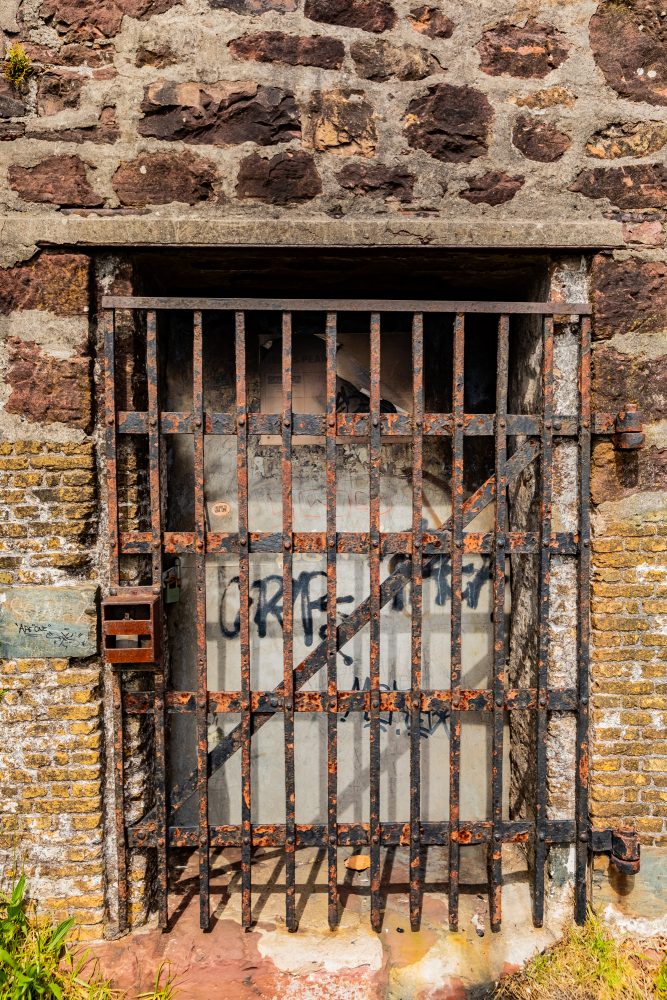
The British conquered the Cape in 1795, after which they decided to build more defence structures, adding to those that had been constructed by the Dutch. As a result, three blockhouses were built on the slopes of Devil’s Peak. These were the Queen’s blockhouse (on the Zonnebloem Estate), the Prince of Wales blockhouse (above present-day De Waal Drive), and the King’s blockhouse further up the mountainside, with views of both Table and False bays. The latter was strategically placed to command views of both Table Bay and False Bay, enabling military forces to monitor maritime movements and provide advance warning of potential threats. It thus holding great historical and military significance as one of the earliest British defensive structures in the Cape. The Queen and the Prince of Wales blockhouses are no longer intact. It is only the King’s Blockhouse that still has structural integrity. It was once also used as a signal station for communication between the two bays, namely Table Bay and False Bay, thus becoming an essential structure in the defence network of the early Cape Colony. Noting its military significance in protecting the Cape Peninsula, the King’s Blockhouse was declared a National Monument on the 4th of February 1938. The King’s blockhouse, the only one that still remains intact today, is now a landmark for hikers on the slopes of Devil’s Peak, Cape Town. Beyond its physical remains, the blockhouse stands as a reminder of the Cape’s colonial military heritage, the strategic importance of the mountain in regional defence, and the enduring relationship between history, landscape, and identity in the Cape Peninsula.
GPS Waypoints: 33°57′2.2″S 18°27′1.63″E