Skip to Content

Heritage Sites

Addo Elephant National Park Marine Protected Area

Addo Elephant National Park Marine Protected Area

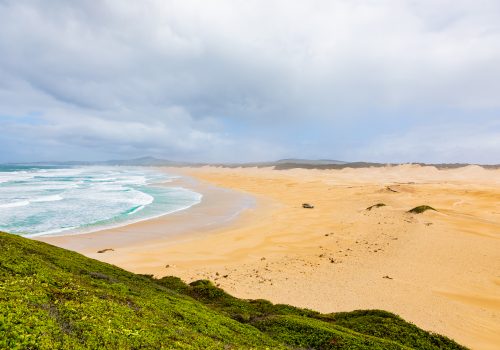
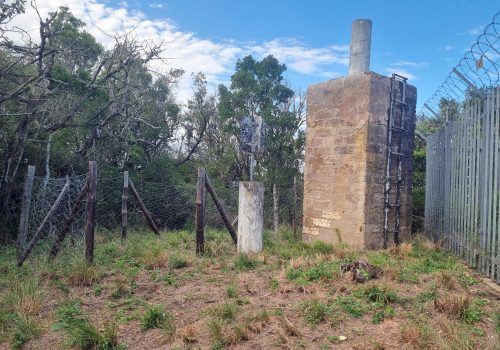
This biodiverse marine sanctuary protects vital seabird colonies and ancient limestone islands. It preserves a rich maritime legacy of shipwrecks, a historic 1898 lighthouse, and millennia of indigenous coastal foraging.
Learn More

Alexandria Dune Field Shell Middens

Alexandria Dune Field Shell Middens

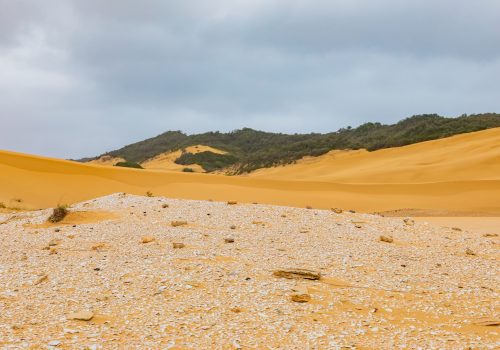
This active Southern Hemisphere dune system preserves shell middens belonging to ancestral Khoisan “Strandlopers.” These sites reveal complex coastal foraging, seasonal mobility, and trade networks stretching 40 kilometres inland.

Learn More

Chief Chungwa Memorial

Chief Chungwa Memorial

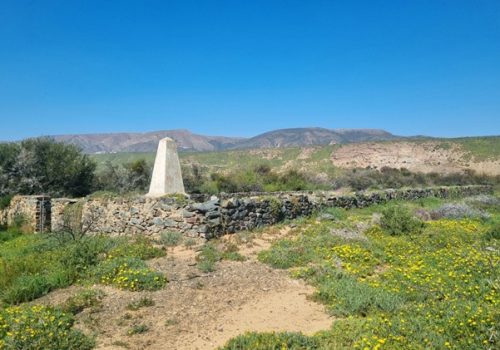
Leader of the amaGqunukhwebe, Chief Chungwa relentlessly fought colonial expansion during the early Frontier Wars. He was killed by colonial forces in 1812 and remains a revered symbol of land resistance.

Learn More

Darlington Graveyards

Darlington Graveyards

These two Addo cemeteries illustrate the reach of colonial racism into the afterlife. They contrast named European memorials against segregated, numbered African graves and “unknown” plaques, reflecting systemic dehumanisation.

Learn More

Jan Smuts House

Jan Smuts House

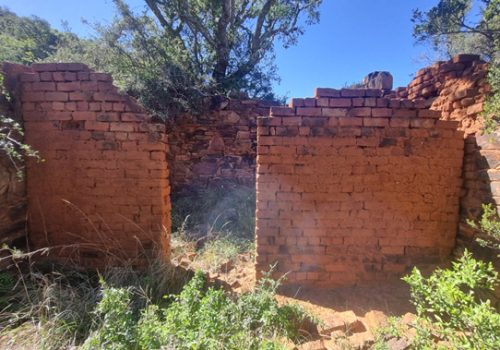
General Jan Smuts, former Prime Minister and international statesman, once owned a house whose ruins remain in Addo Elephant National Park. These structures provided a strategic, remote shelter during WWII.

Learn More

Kwaaihoek Cross and East Indiaman Doddington Shipwreck

Kwaaihoek Cross and East Indiaman Doddington Shipwreck

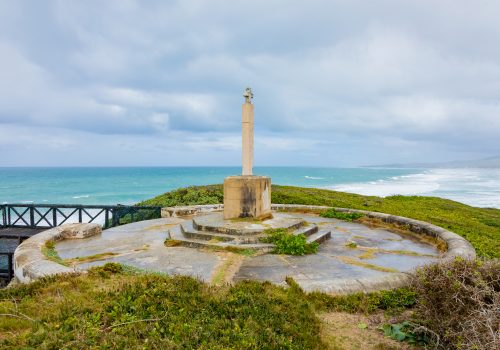
This rugged headland marks Bartolomeu Dias’s 1488 cross and the 1755 Doddington wreck. It represents a vital intersection of indigenous Khoisan heritage, early European exploration, and dramatic maritime survival.

Learn More

Melkhoutboom Cave

Melkhoutboom Cave

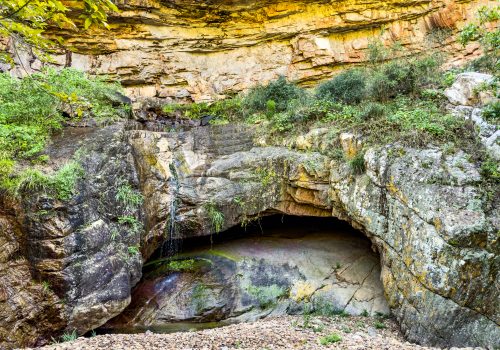
Located in the Zuurberg Mountains, this Late Stone Age site reveals how early hunter-gatherers thrived using Afromontane plants and stone tools. Its sandstone overhangs perfectly preserved thousands of years of subsistence.

Learn More

Nongqawuse’s Grave

Nongqawuse, a young Xhosa prophetess, sparked the 1856–1857 cattle-killing movement through visions promising colonial expulsion. This led to catastrophic famine and mass deaths, leaving a complex legacy of manipulation and tragedy.

Learn More

Zuurberg Pass

Zuurberg Pass

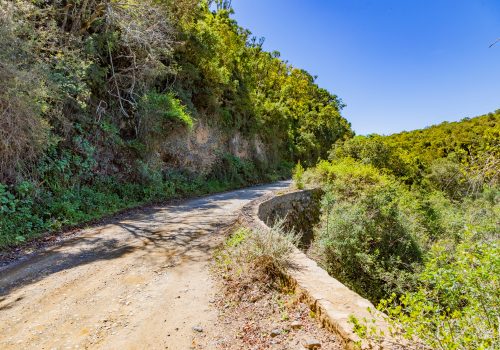
Carved by Henry Fancourt White using convict labour, this ambitious 19th-century pass linked Gqeberha to the interior. It remains a historic artery traversing rugged Cape Supergroup sandstones and Afromontane forests.

Learn More