Addo Elephant National Park Marine Protected Area
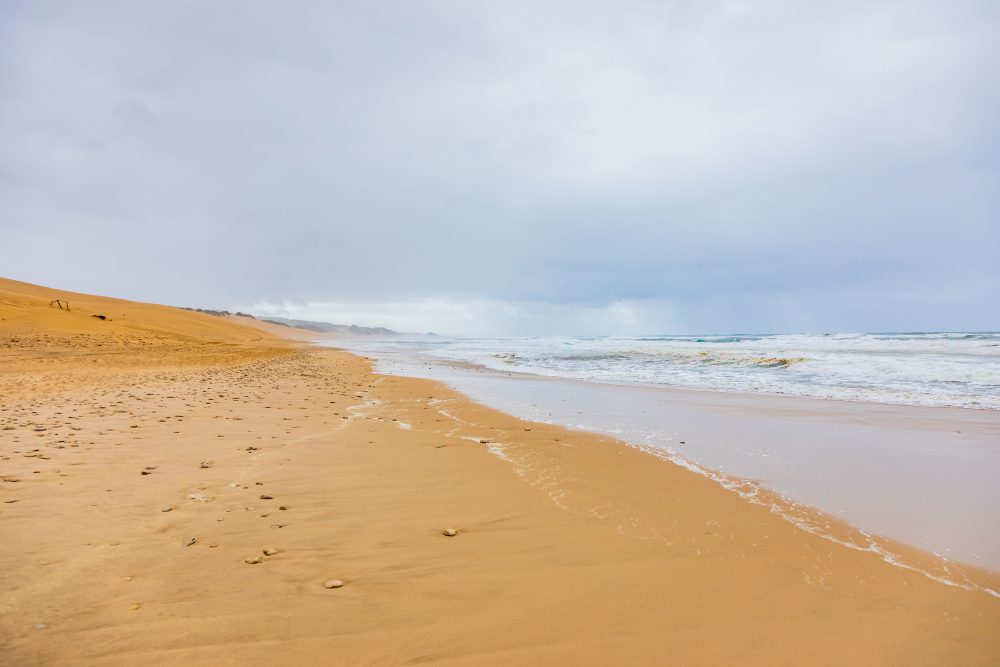
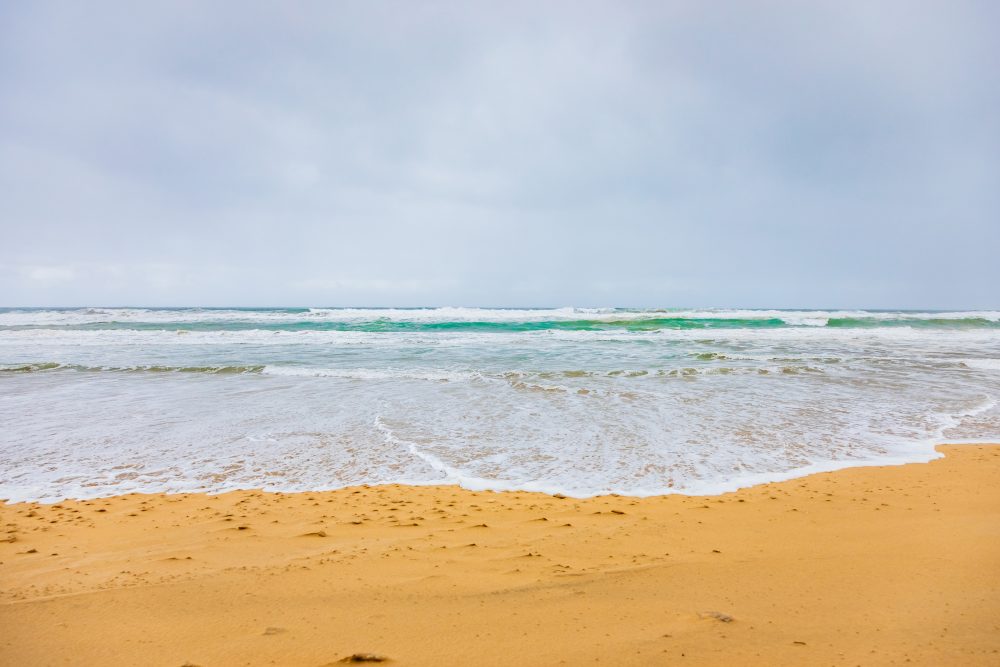
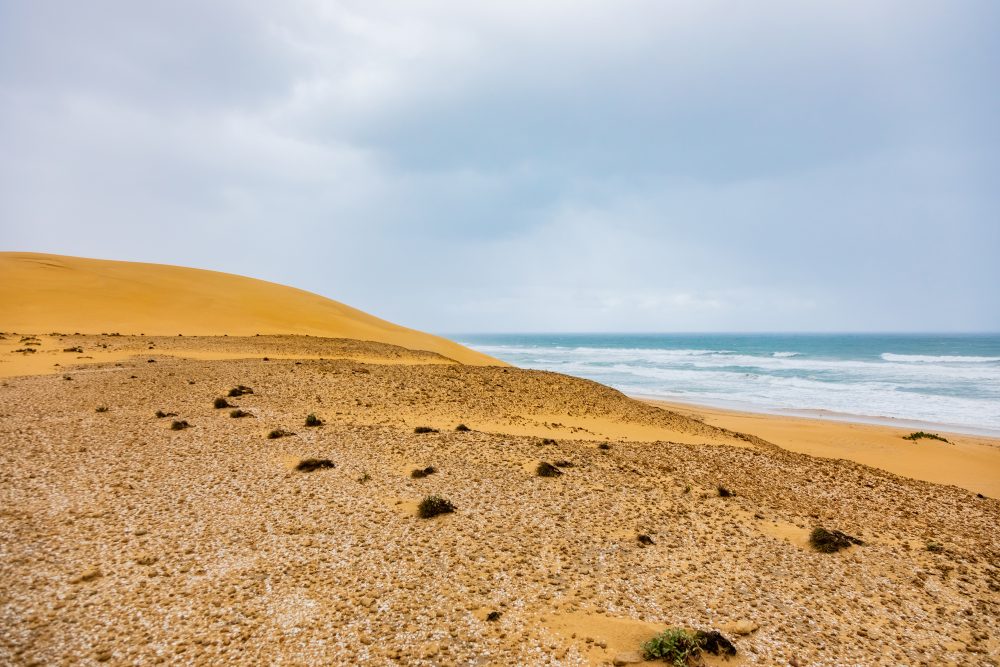
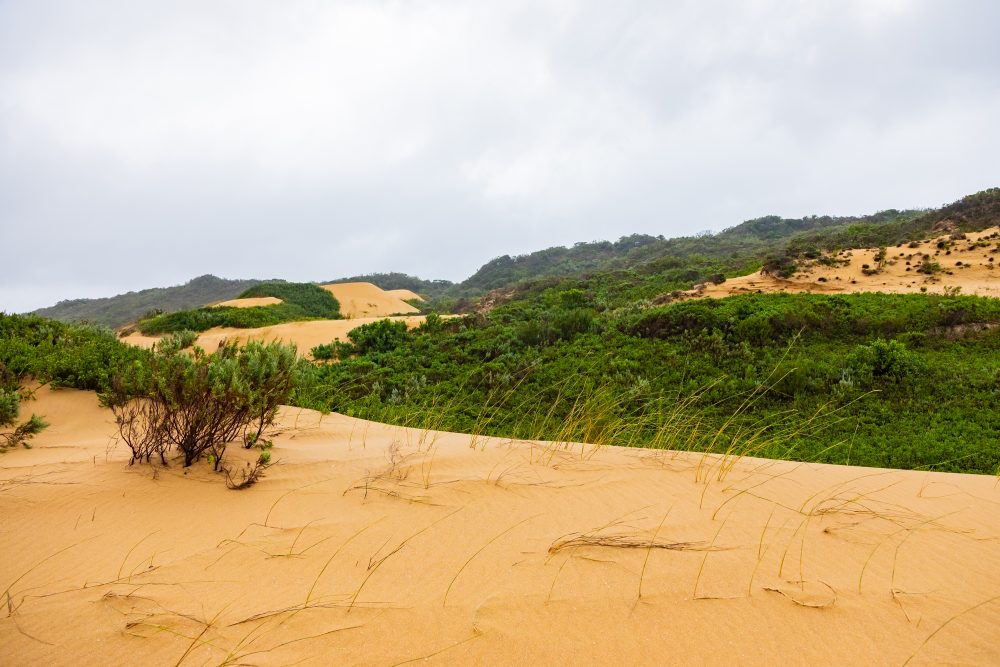
The Marine Protected Area (MPA), a component of the Addo Elephant National Park, holds cultural significance for coastal indigenous communities whose ancestors interacted with these waters for millennia. Though archaeological exploration has not been done, the rich marine environments has long been linked by archaeologists to foraging practices, seasonal movement, and spiritual connections to the sea by many indigenous groups. The MPA encompasses several ecologically and historically significant islands. Among these are the Algoa Bay Bird Island, Seal Island, and Stag Island. These islands lie within a biodiverse marine environment that is characterised by nutrient rich waters, kelp forests, sandy seabeds, and dynamic ocean currents influenced by both the warm Agulhas and cooler Benguela systems. The surrounding waters support an abundance of marine life, including sardines, penguins, Cape fur seals, dolphins, and numerous seabird species, making the MPA one of South Africa’s most important coastal conservation areas.
Furthermore, the Algoa Bay Bird Island is primarily composed of ancient calcareous sandstone and limestone formations shaped by wave action, sea level fluctuations, and long-term erosion. Bird Island, the largest of the group, features flat rocky platforms and pockets of dune vegetation adapted to salt spray and intense winds. These geological foundations have created stable breeding habitats that attract dense seabird colonies and seal populations. Their rugged coastlines and shallow reefs have also historically posed navigational hazards, contributing to the region’s notable maritime history. Bird Island also played a role in early economic activities, including the collection of guano and harvesting of seals during the 19th and early 20th centuries. These industries, though small in scale, left an imprint on the island’s cultural landscape and reflect historical human reliance on marine resources.
The MPA holds deep cultural significance rooted in maritime heritage, early navigation, and human interaction with the sea. Bird Island has long been a focal point of human concern due to the treacherous waters surrounding it. Numerous shipwrecks in the 19th century caused by strong currents, hidden reefs, and unpredictable weather prompted the construction of the island’s iconic lighthouse in 1898. This lighthouse stands as a testament to efforts to improve maritime safety along one of South Africa’s busiest historical shipping routes and remains an enduring symbol of the region’s nautical legacy. Before the lighthouse, seafarers navigating Algoa Bay relied on limited charts and coastal landmarks, making the islands both a threat and a refuge.
The waters surrounding Bird and Seal Islands became known for dramatic shipwrecks, daring rescue attempts, and stories of survival that continue to shape the cultural memory of the bay. These maritime events link the MPA to broader narratives of trade, migration, and colonial exploration, as Algoa Bay served as a strategic point for vessels traveling to and from the Indian Ocean world.
The Addo Elephant National Park MPA serves as both a sanctuary for wildlife and a living archive of maritime history. It thus preserves a dynamic intersection of ecology, heritage, exploration, and human resilience connecting modern conservation efforts with the deep cultural stories embedded in Algoa Bay’s coastal landscape.
GPS Waypoints: 33°45'18.0"S 26°16'58.8"E