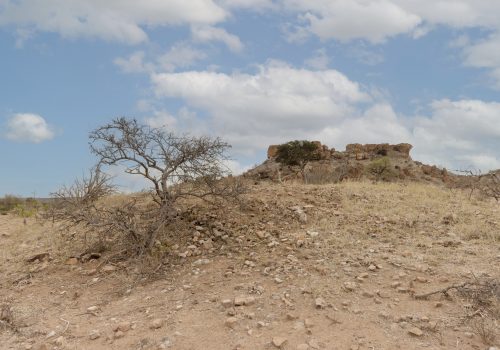
Bambandyanalo
Bambandyanalo (AD 1030–1220) features stone walls and trade goods, marking a transition from earlier sites. It shows emerging social stratification, serving as a direct cultural and political precursor to Mapungubwe.
Bambandyanalo (AD 1030–1220) features stone walls and trade goods, marking a transition from earlier sites. It shows emerging social stratification, serving as a direct cultural and political precursor to Mapungubwe.
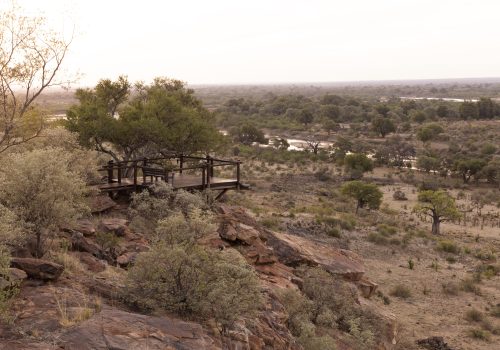
The Confluence Viewpoint overlooks the tri-national Limpopo-Shashe meeting point. Formerly a military base notorious for “rehabilitating” LGBTQ conscripts, it now offers panoramic views and rich biodiversity within Mapungubwe National Park.
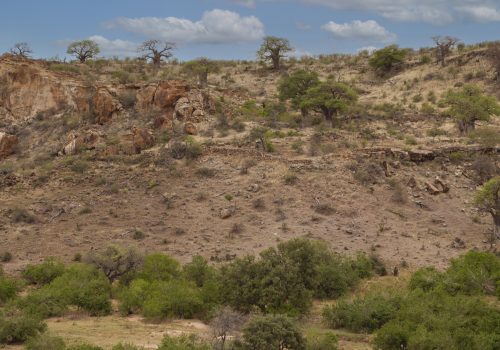
K2 (AD 1000–1220) was a transitional Leopard’s Kopje settlement preceding Mapungubwe. It shows evidence of agriculture, trade, and emerging social differentiation, laying the foundation for southern Africa’s complex state-level societies.
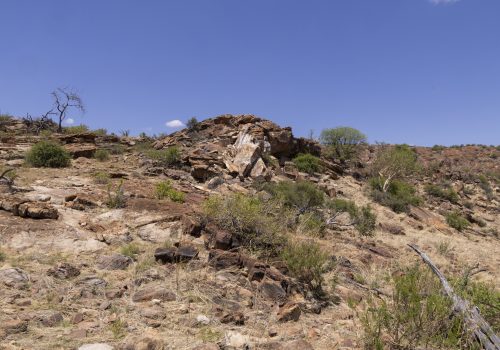
Leokwe Hill features stone-walled structures and terraces, indicating early settlement. Likely an elite site within the Mapungubwe polity, it highlights the architectural and social transition toward stratified Iron Age societies.
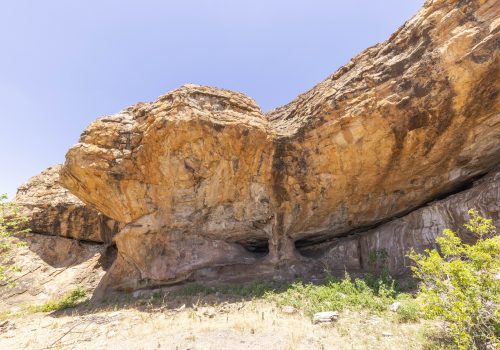
Little Muck Shelter features San rock art and archaeological deposits evidencing interactions between hunter-gatherers and farmers. It provides valuable insight into the region’s early cultural diversity and spiritual rituals.
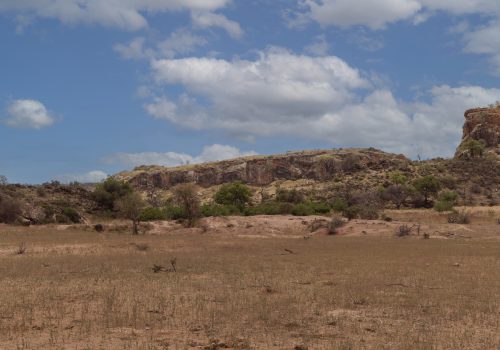
Mapungubwe Hill was a royal residence and elite burial site demonstrating early social stratification. It provides evidence of long-distance trade and agriculture, marking a significant political shift in southern African history.
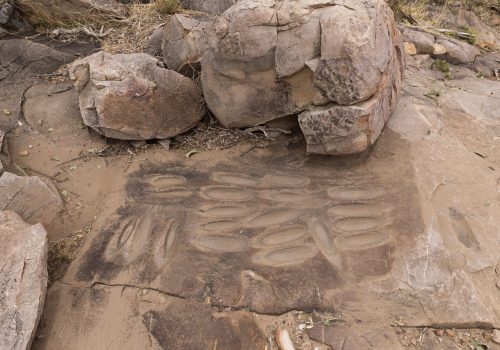
Schroda (AD 800–1000) was an early, unwalled Zhizo agricultural and iron-producing community. It provides crucial evidence for the transition from egalitarian life to complex societies in southern Africa.