Schroda
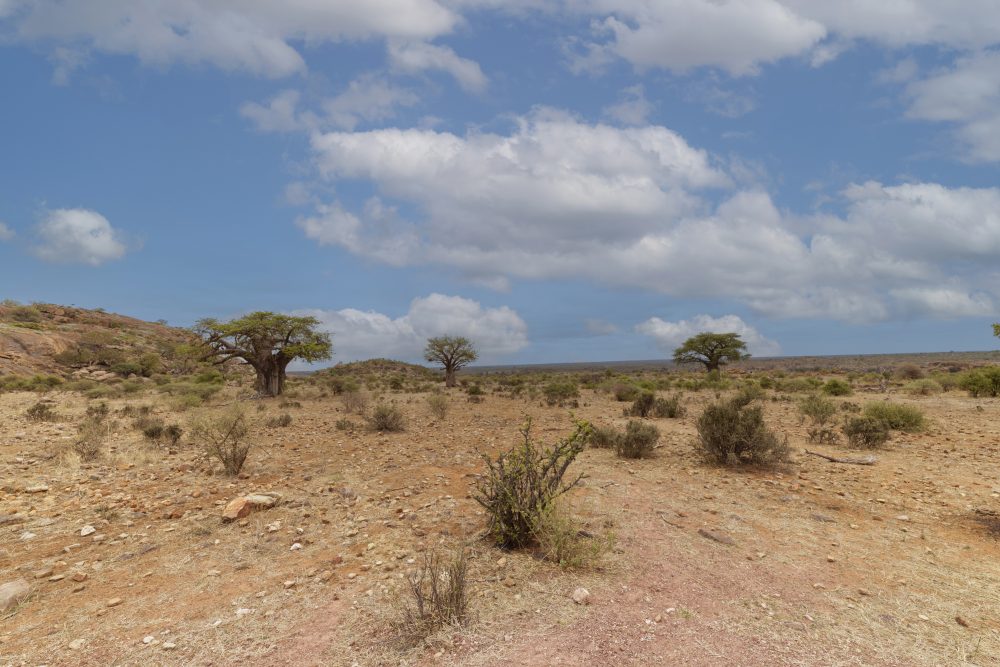
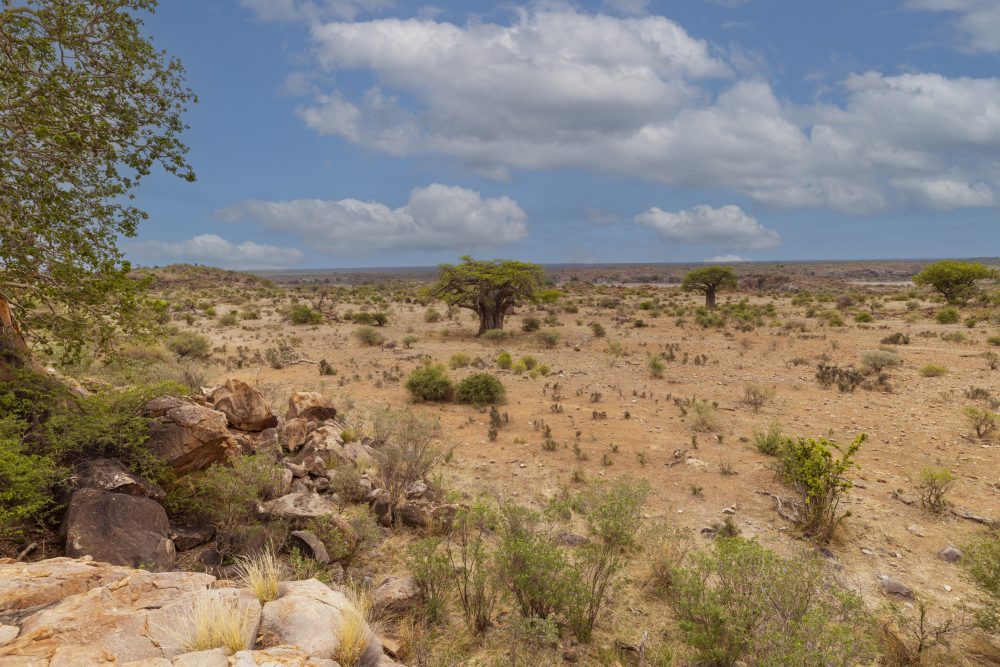

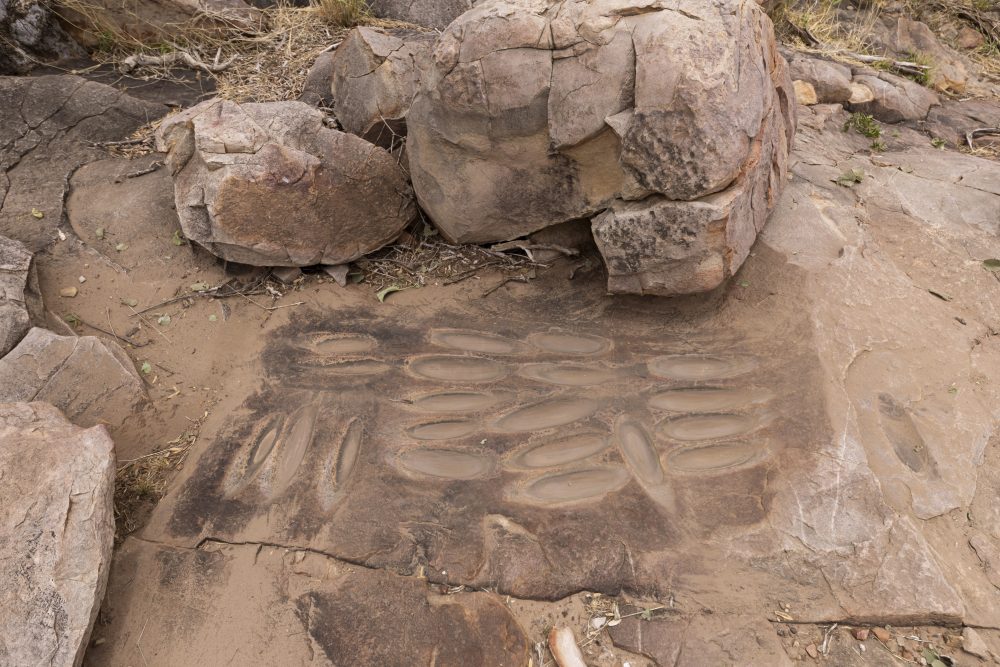
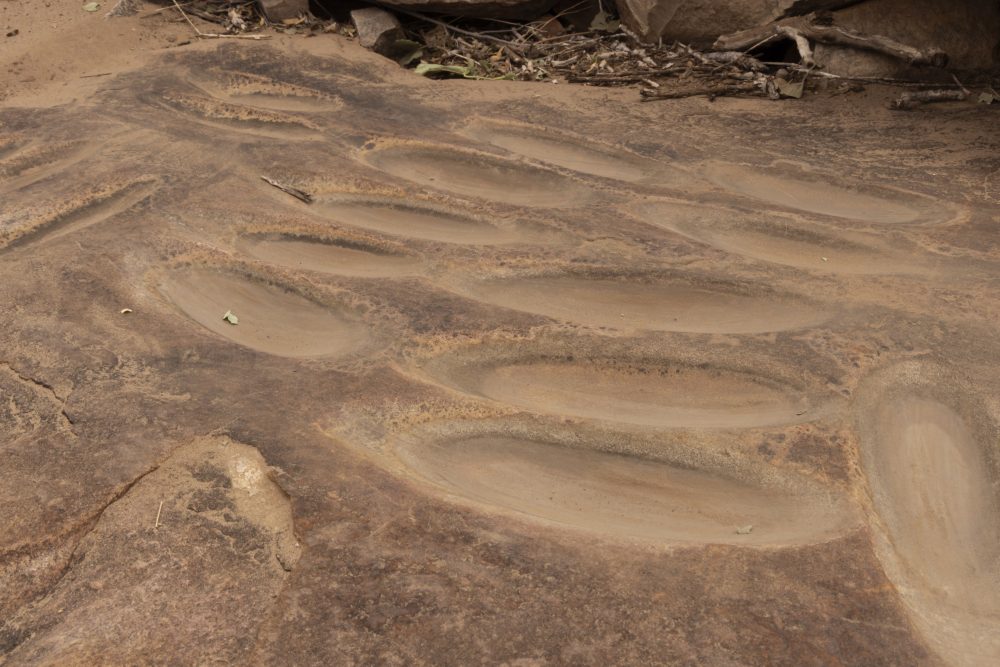
Schroda represents the material culture of the Zhizo people (distinct decorations and shapes of pottery) who inhabited the region between approximately AD 800 and AD 1000. It is one of the earliest known settled communities in the broader Mapungubwe area prior to the development of more complex societies at K2 and Mapungubwe. The site is characterised by its location near riverbanks and open plains suitable for agriculture and cattle herding. Most distinctively, there is a lack of stone walling and trade goods at Schroda, a sharp contrast to sites that date to a later archaeological period within the broader Mapungubwe landscape.
There is evidence for iron production, as illustrated by the presence of slag and furnace sites, indicating local production of tools and weapons. Livestock remains (especially cattle and goats) show evidence for a mixed economy of herding and farming.
Schroda provides crucial evidence of the early phases of sedentary life and complex society development in southern Africa. While the community was not yet socially stratified like Mapungubwe, it laid the groundwork for later cultural and political transformations in the region. The site is crucial for understanding the origins of agriculture and iron smelting in the Limpopo Valley, the early formation of local identity through distinct pottery and settlement patterns, as well as the transition from egalitarian to more stratified societies in southern Africa.
GPS Waypoints: 22°12'00"S 29°15'00"E