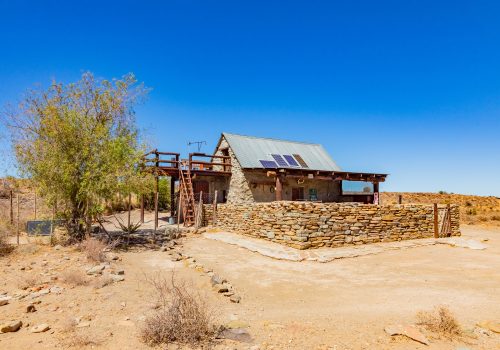
Afzaal Cottage
Afzaal Cottage is a rustic, stone-built former shepherd’s dwelling now used for secluded tourist accommodation. Its vernacular design utilises local materials for thermal efficiency, reflecting historical adaptation to the Karoo.
Afzaal Cottage is a rustic, stone-built former shepherd’s dwelling now used for secluded tourist accommodation. Its vernacular design utilises local materials for thermal efficiency, reflecting historical adaptation to the Karoo.
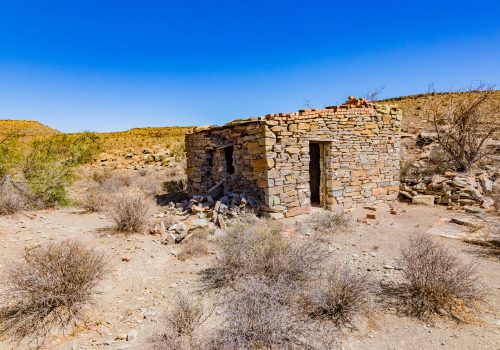
Situated near a historic farmstead, this Karoo cottage reflects colonial labour hierarchies and spatial segregation. Built from local materials, the modest, wind-damaged structure illustrates the socio-economic realities of farmworkers.
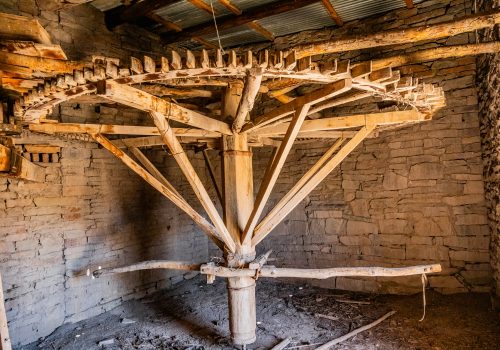
This dilapidated stone mill represents early rural industrialisation in the Karoo. Strategically located near water, it integrated agricultural production with trade, showcasing historical technological adaptation to the semi-arid environment.
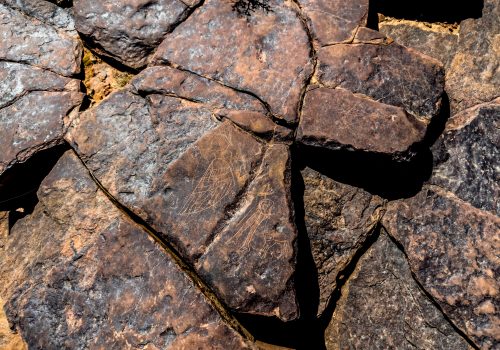
These four Karoo engraving concentrations feature indigenous art influenced by European contact, depicting women in colonial clothing. They provide vital, albeit debated, insights into 19th-century cultural adaptation and ritual.
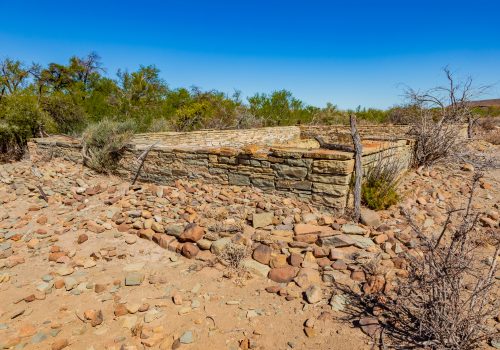
Dating to 1908, this intact Karoo stone structure reflects historical vernacular architecture. Its durable, locally sourced materials provided thermal stability against harsh climates, offering insight into past rural settlement and subsistence.
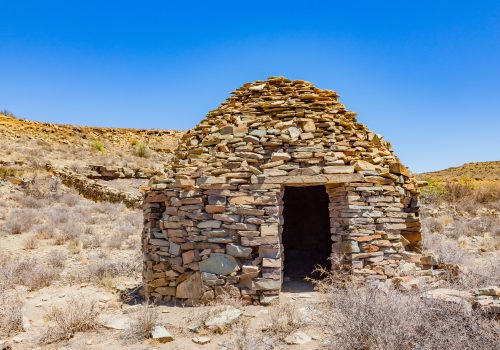
This intact stone-built house demonstrates traditional Karoo vernacular architecture. Constructed from local sedimentary rock, its thick walls provided thermal regulation, reflecting historical adaptation, craftsmanship, and pastoral settlement within the semi-arid landscape.
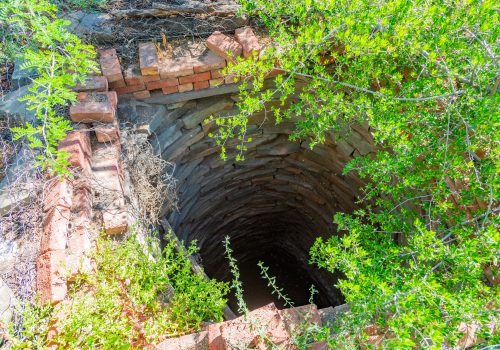
Two deep, hand-excavated wells in the Karoo reflect historical engineering and adaptation to a semi-arid climate. Built with local stone, they showcase indigenous knowledge of groundwater management for sustained survival.