Labourers’ Cottage
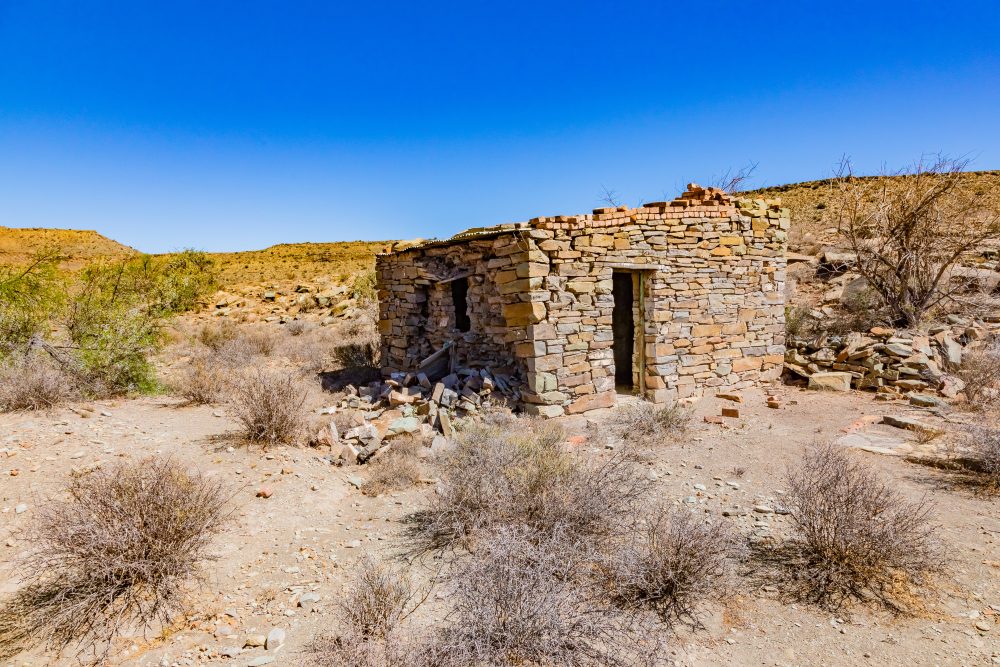
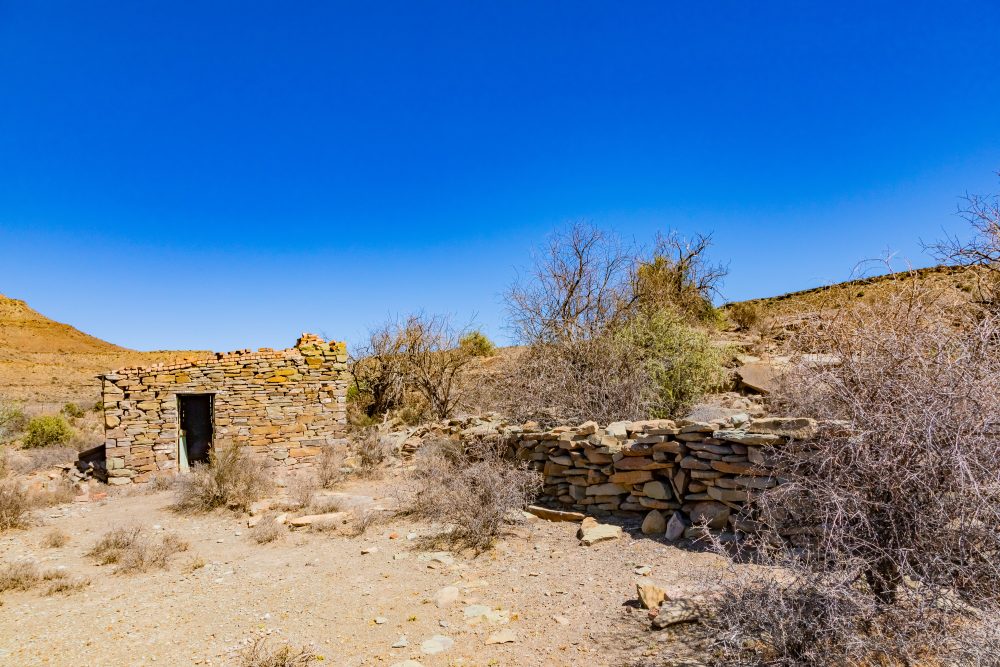
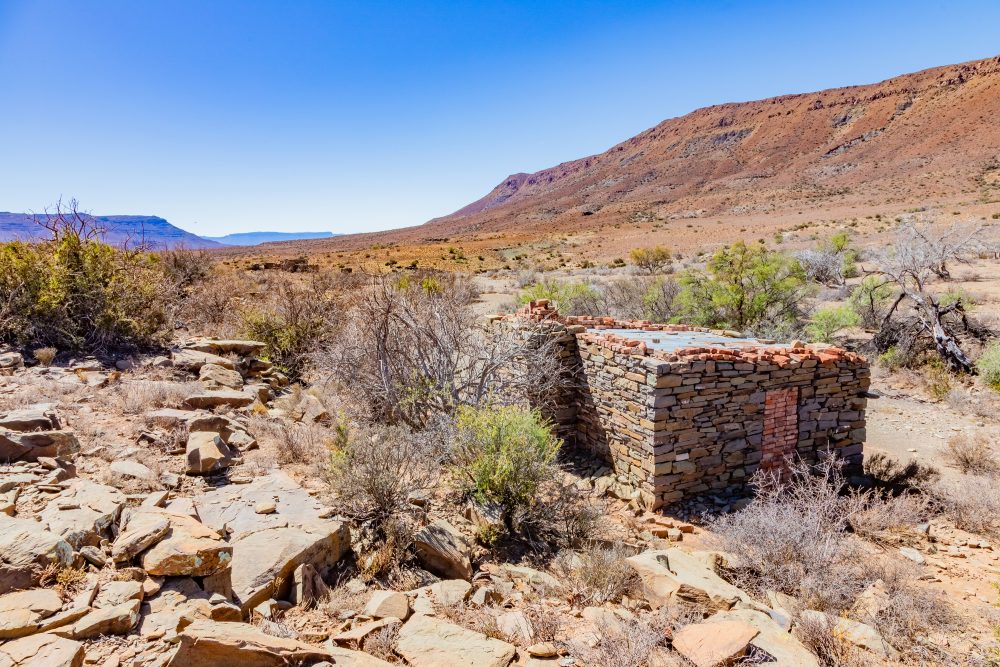
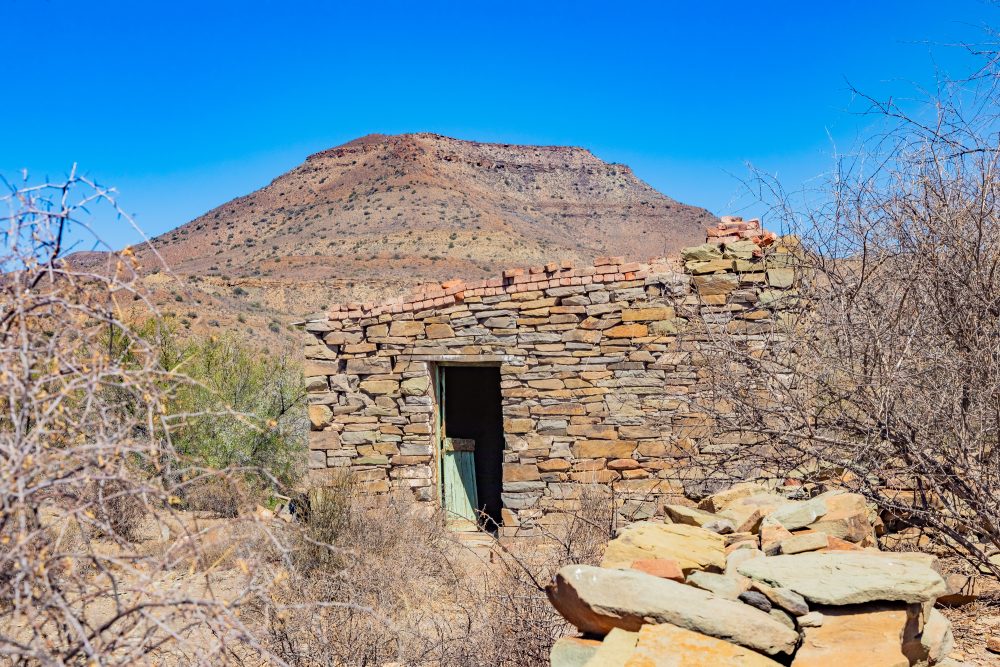
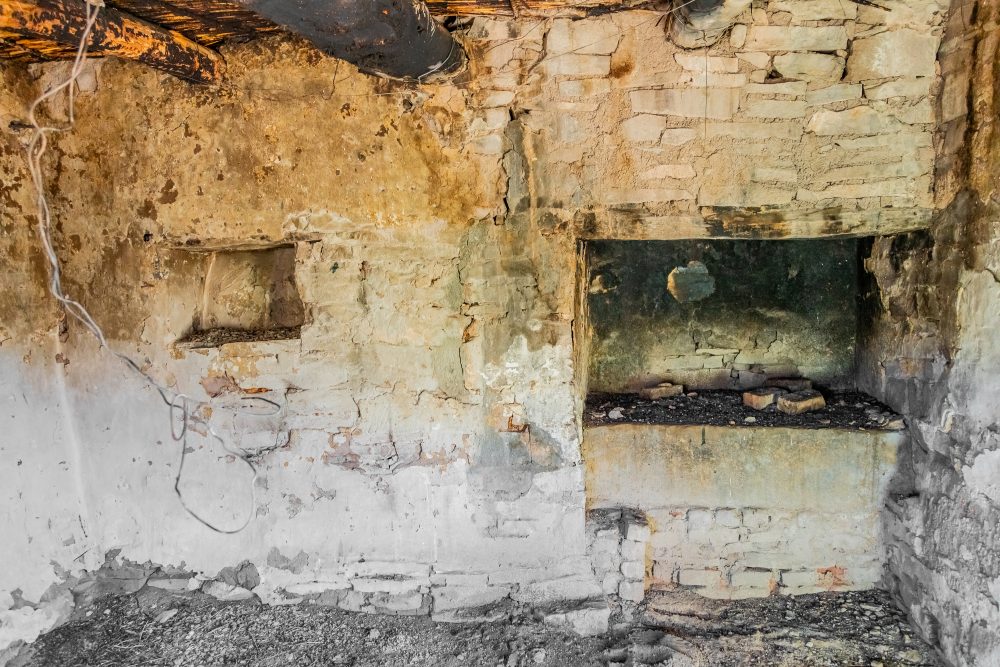
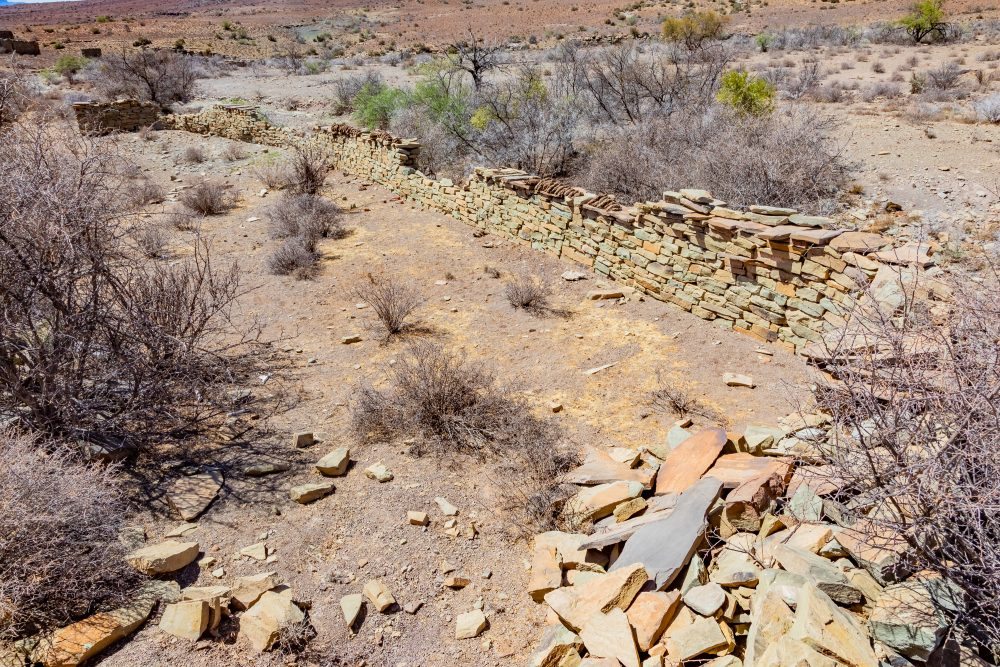
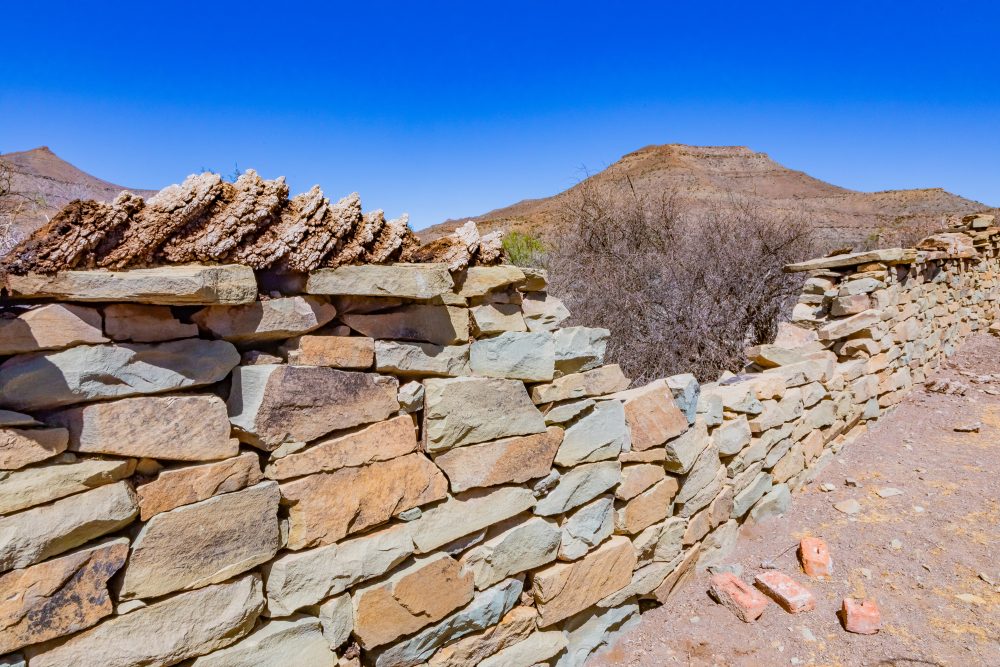
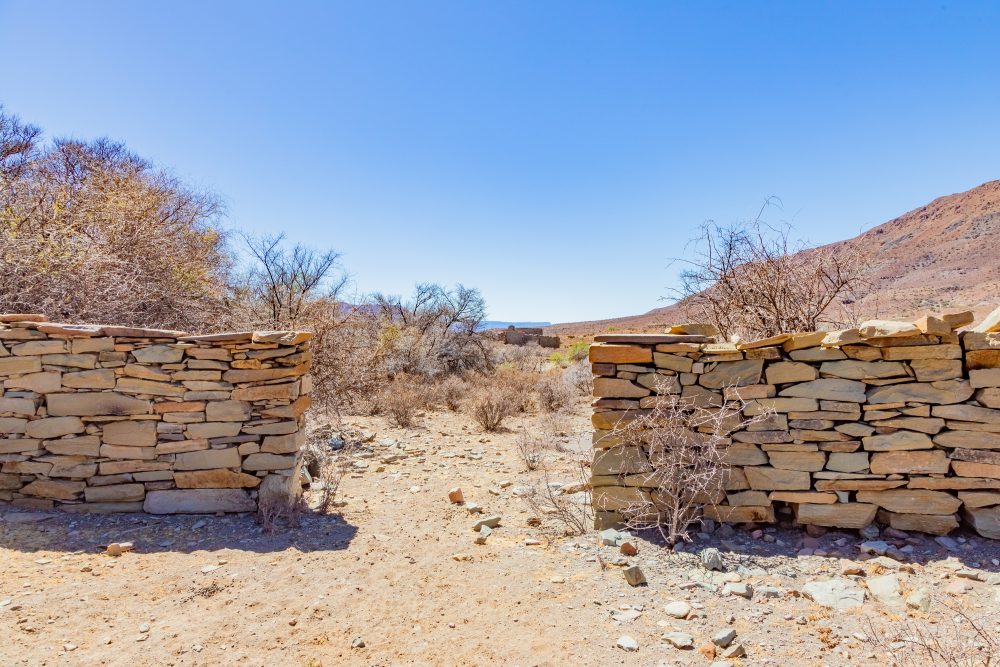
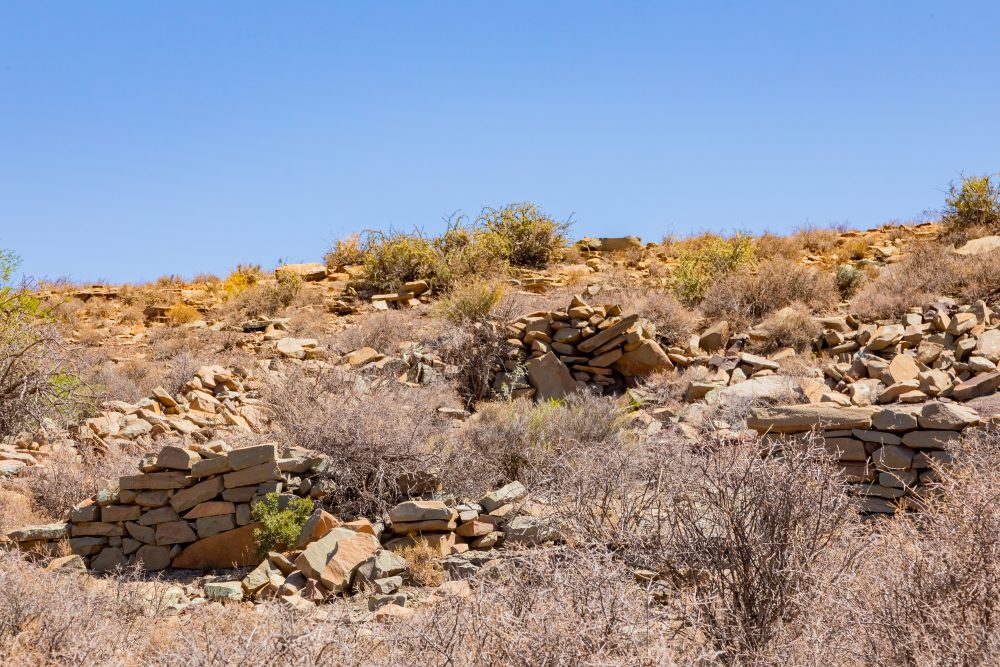
The Labourers’ cottage is situated within the semi-arid interior of the Karoo region of in proximity to a historic farmstead or agricultural werf. Such cottages were commonly positioned on the periphery of the main homestead, reflecting historical spatial hierarchies within rural farm layouts – thus highlighting patterns of segregation, economic dependency, and the daily experiences of farm workers and their families. Their placement illustrates patterns of land use and labour organisation characteristic of colonial and later Apartheid-era agricultural systems. As part of a broader farm complex, the cottage contributes to understanding social organisation, power relations, and the evolution of rural settlement patterns. The structure serves as an important reminder of the human dimension of agricultural history and the socio-political contexts that shaped rural communities in the Karoo.
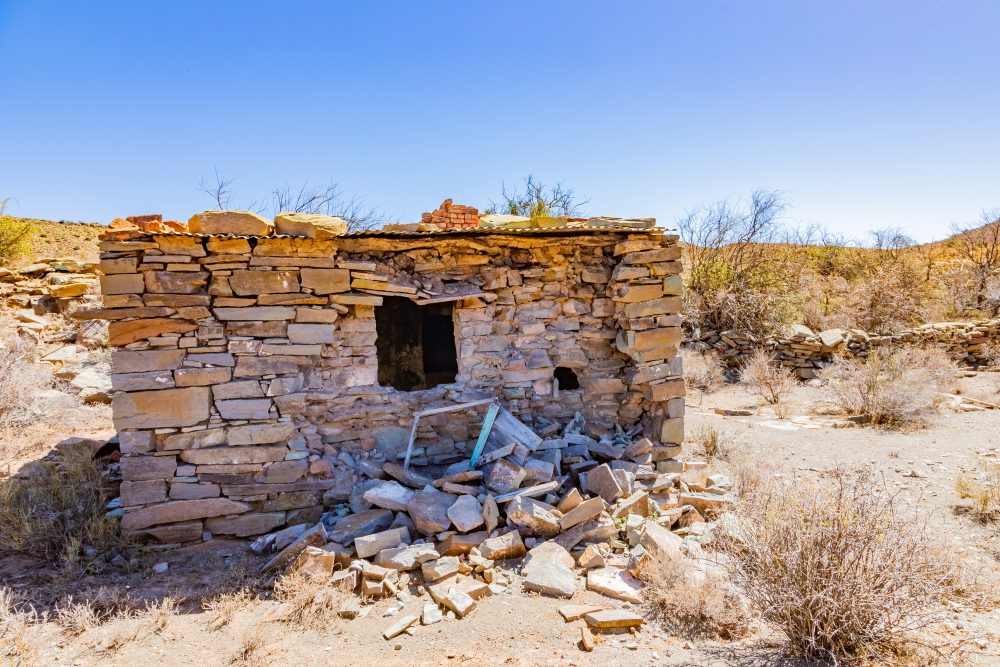
The building is badly damaged on the one side. This damage is most probably caused by wind and structural defects on the wall itself. Roof had been blown off but was immediately repaired.
The surrounding environment is characteristic of the Karoo biome, with sparse shrub vegetation, open plains, and pronounced seasonal temperature extremes. In this arid and often harsh climate, labourers’ cottages were generally modest in scale and constructed using locally available materials such as stone, sun-dried brick, or corrugated iron. The simplicity of the structures reflects both environmental adaptation and socio-economic constraints. The broader rural setting contributes to an understanding of agricultural life and the lived realities of farm labourers.
GPS Waypoints: 32°11'10.7"S 22°01'28.7"E