Your Ultimate Guide to Witnessing the Magic of Flower Season in the Northern and Western Cape’s National Parks
Every year, without fail, the springtime wildflower extravaganza takes place across the Northern and Western Cape regions of South Africa. It is a spectacle that draws visitors from both near and far, with hikes, accommodation and day bookings for flower season booked out more than a year in advance.
Namaqua National Park
Namaqua National Park
Namaqua National Park
Namaqua National Park
Namaqua National Park
Namaqua National Park
Namaqua National Park
Namaqua National Park
Namaqua National Park
Namaqua National Park
Namaqua National Park
Namaqua National Park
Namaqua National Park
Namaqua National Park
Flower Season, the Cape’s Annual Spectacle
The cold winter months in the Cape region bring about cloudy, grey days filled with winter storms, mountain snow, and generally vast amounts of annual rainfall that fill the dams and reservoirs for the dry, hot summer months ahead. These cold, grey winter months are what lay the foundation for the incredible wildflower superbloom that takes place during August and September each year.
As July comes to a close, the weather in the Cape begins to change. We begin to see the short cold, dark and grey days slowly welcoming earlier sunrises, later sunsets and warmer days. The wind that the Cape is so well known for, calms, and the days begin to provide longer stretches of gentle, warming sunshine that revives your skin. The promise of summer with each sunshine-filled, gentle breezing day. A promise of warmer days and stronger sunshine that calls for sunhats and sunscreen. But within these short-lived weeks is a blooming wonderful experience waiting for those lucky enough to witness it.
The transformation into the warmer spring months brings with it signs of new life, spouting from within the natural Cape bushes and shrubbery. Little buds of infant flowers, with some of them beginning to open with the warmth of the sun each day. What generally starts as a few pops of colour here and there, gradually transforms into an incredible sight to behold. A sight that is only visible when the sun is shining at its best on a cloudless day, for on those grey, cold days, the wildflowers hide their faces beneath their colourful petals.
On one of these idyllic fair weather days, with the sunshine warming the day, the little buds of wildflowers begin to turn their heads towards the sun, opening their petals to welcome the warmth from above. The birdlife awakens, chittering about their flights and feeding on all the little insects that come to visit and help propagate the wildflowers. Insects and bees bring about a buzz of life amongst the wildflowers… this is the Cape awakening for the springtime.
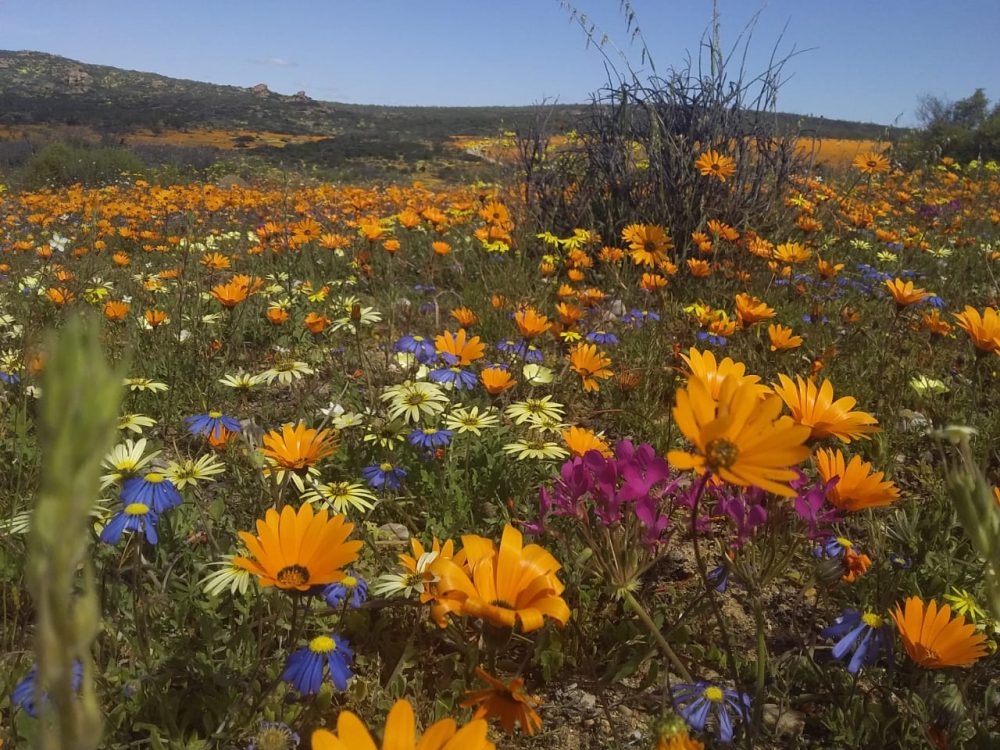
Now, if you know the tips and tricks, a perfect spring day in the Cape is the ideal time to go and view the spectacle of the wildflower superbloom. The spring wildflowers offer something that you will not experience anywhere else in the world – an explosion of orange, white, blues and purples laid across a carpet of wildflower magic.
The patches of snow-white wildflowers are a common sight across the West Coast and light up the everyday experiences for the residents of these areas, but the true superbloom can only be experienced as a breathtaking sight in the vast open landscapes of the Western and Northern Cape which require a bit of a trip out of the city to reach.
Allow us to provide you with the ultimate guide to witnessing the magic that this super bloom of wildflowers brings to our Western and Northern national parks during the limited months of August and September each year.
Namaqua National Park

Namaqua Flower Beach Camp

Namaqua Flower Beach Camp

Namaqua Flower Beach Camp

Namaqua Flower Beach Camp

Namaqua Flower Beach Camp

Namaqua Flower Beach Camp

Namaqua Flower Beach Camp

Namaqua Flower Beach Camp
Namaqua Flower Beach Camp
Namaqua Flower Beach Camp
Namaqua Flower Beach Camp


Namaqua Flower Beach Camp

Namaqua Flower Beach Camp

Namaqua Flower Beach Camp

Namaqua Flower Beach Camp
Namaqua Flower Beach Camp
Namaqua Flower Beach Camp

Namaqua Flower Beach Camp
Namaqua Flower Beach Camp
Namaqua Flower Beach Camp

Namaqua Flower Beach Camp
Namaqua Flower Beach Camp

Namaqua Flower Beach Camp

Namaqua Flower Beach Camp

Namaqua Flower Beach Camp

Namaqua Flower Beach Camp
Namaqua Flower Beach Camp

Namaqua Flower Beach Camp

Namaqua Flower Beach Camp

Namaqua Flower Beach Camp
Namaqua Flower Beach Camp

Namaqua Flower Beach Camp

Namaqua Flower Beach Camp

Namaqua Flower Beach Camp

Namaqua Flower Beach Camp

Namaqua Flower Beach Camp

Namaqua Flower Beach Camp

Namaqua Flower Beach Camp

Namaqua Flower Beach Camp

Namaqua Flower Beach Camp

Namaqua Flower Beach Camp

Namaqua Flower Beach Camp

Namaqua Flower Beach Camp

Namaqua Flower Beach Camp

Namaqua Flower Beach Camp

Namaqua Flower Beach Camp

Namaqua Flower Beach Camp
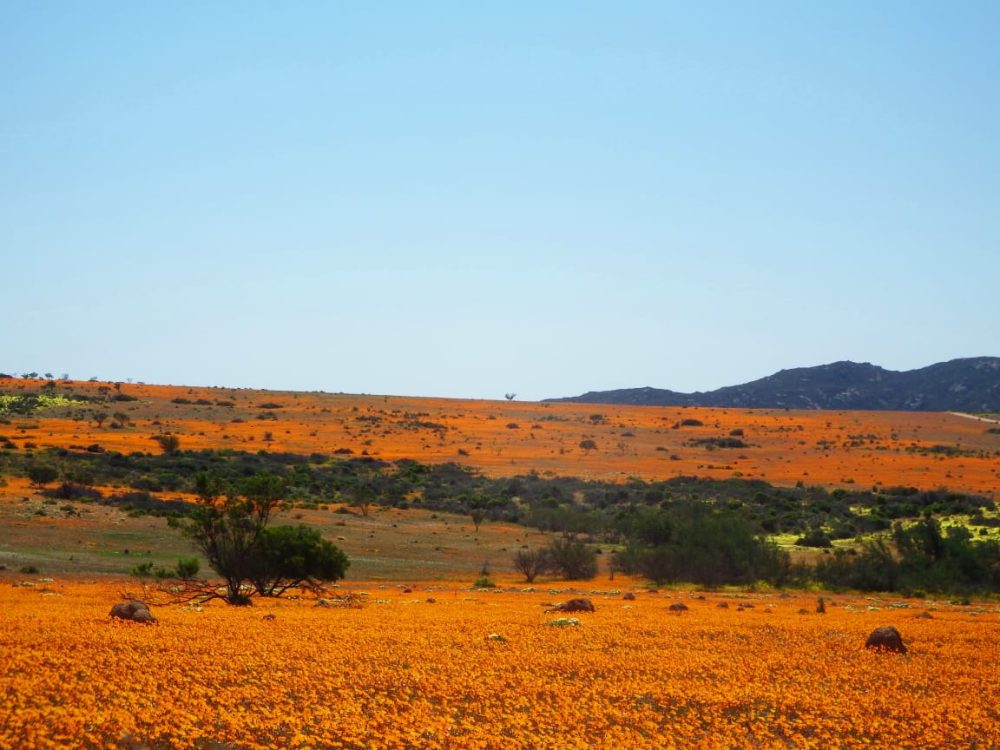
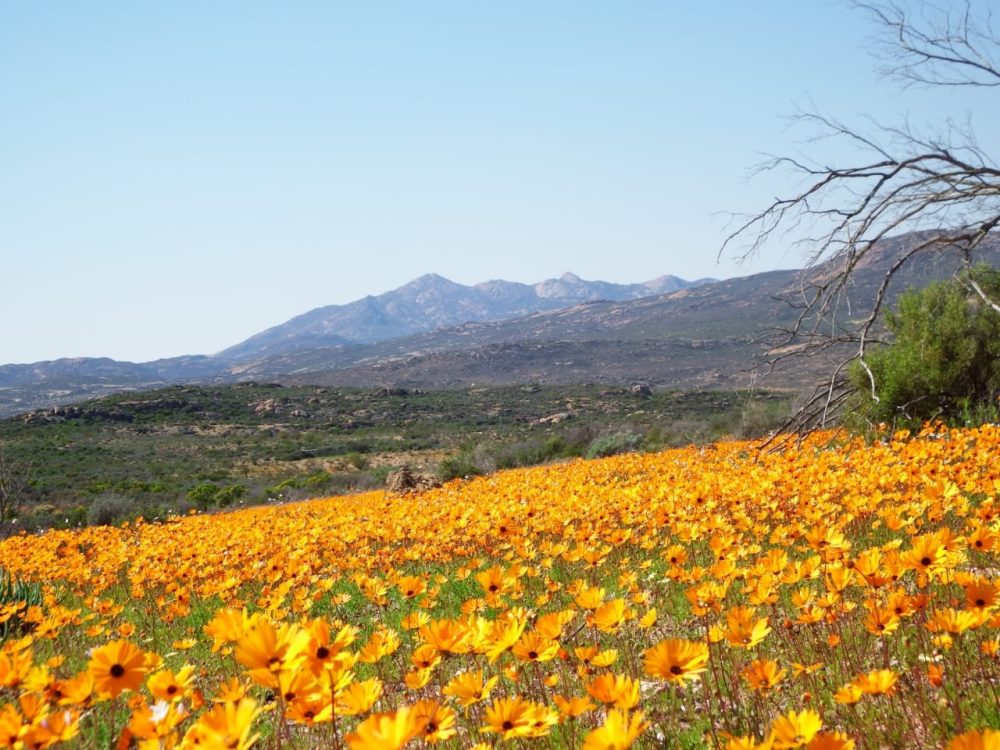
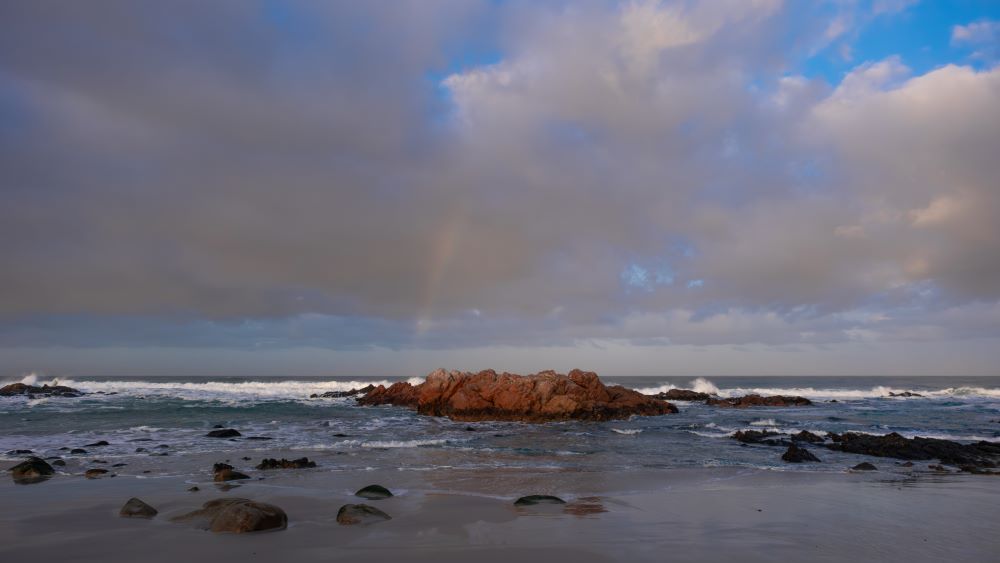
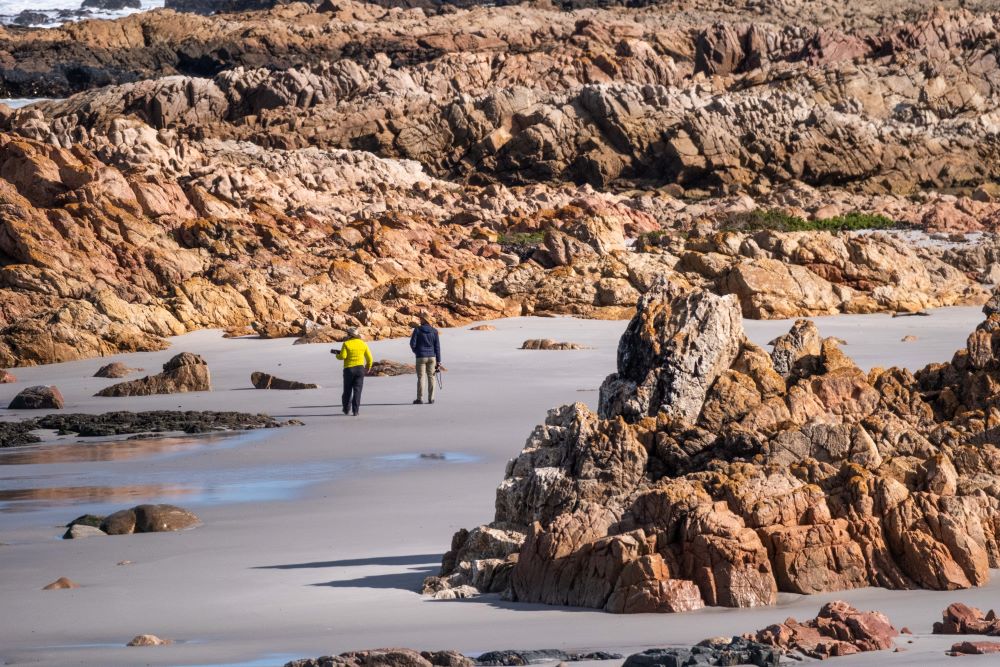
A landscape of contrasts, a rigorous climate that has created a myriad of lifeforms that have adapted to the specific climate and habitat of the Namaqua National Park. The arid vast landscapes of the Northern Cape offer winding roads through red, sandy valleys and huge granite outcrops with views of the wind-swept snowy Atlantic beaches.
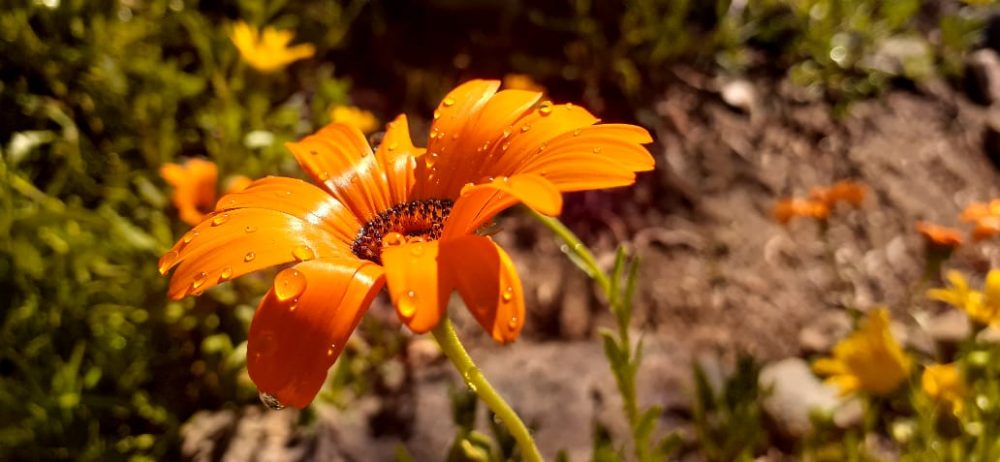
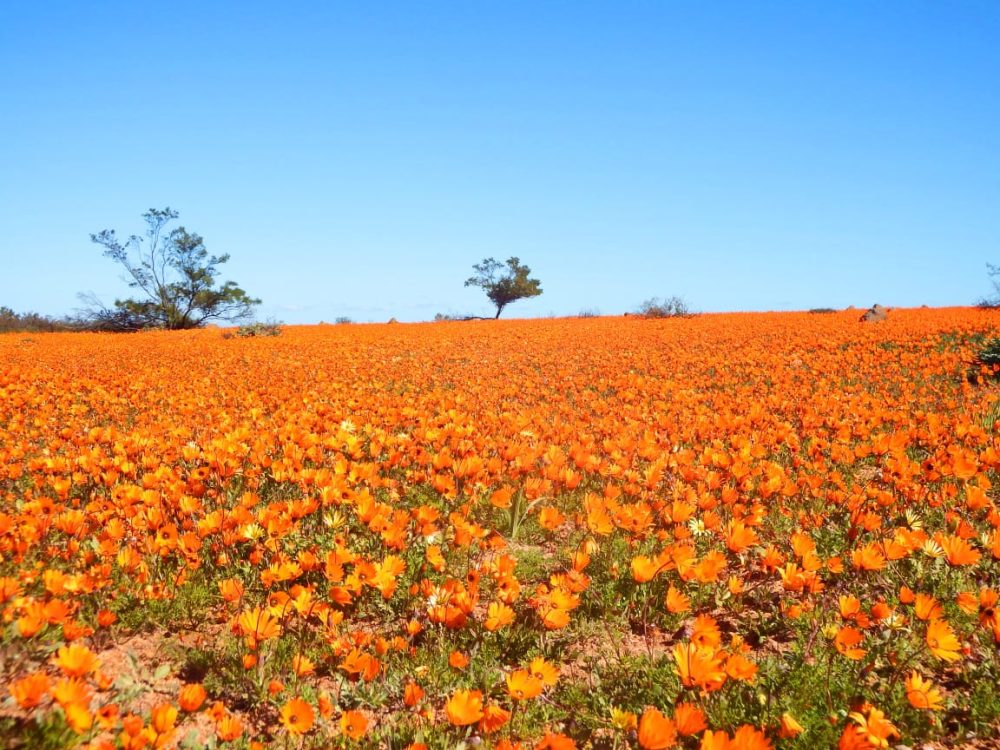
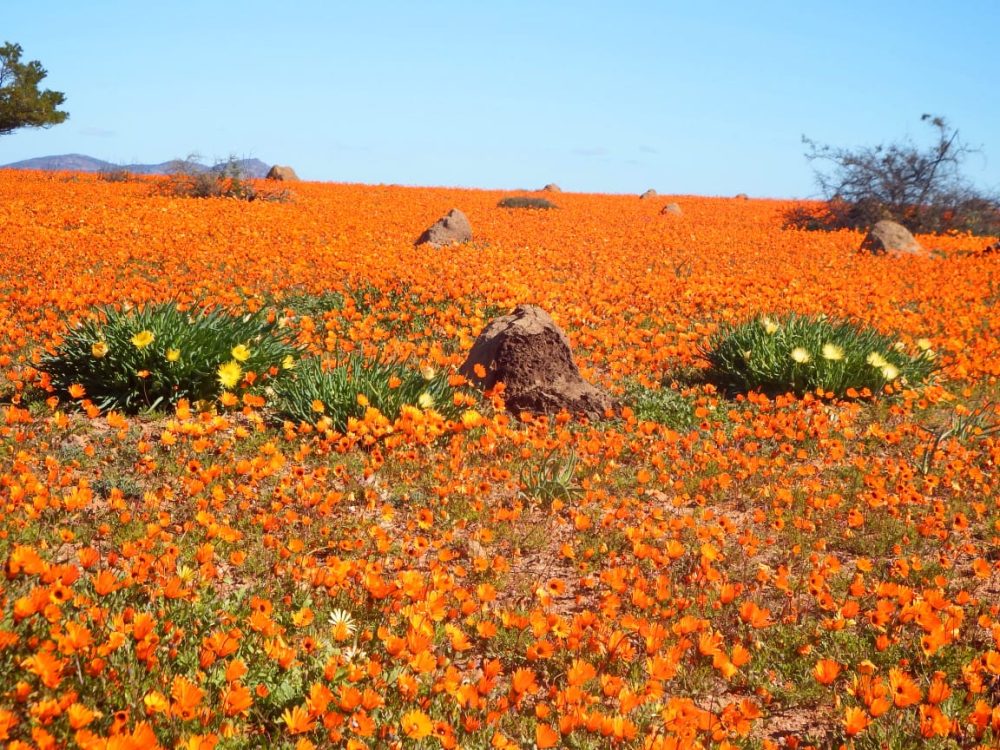
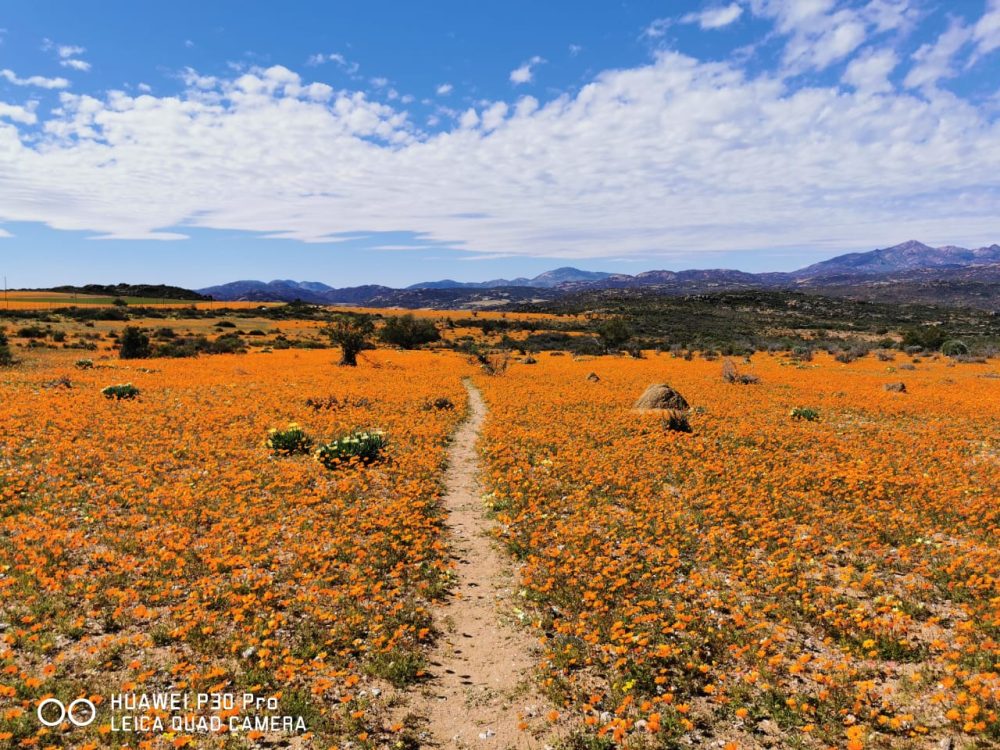
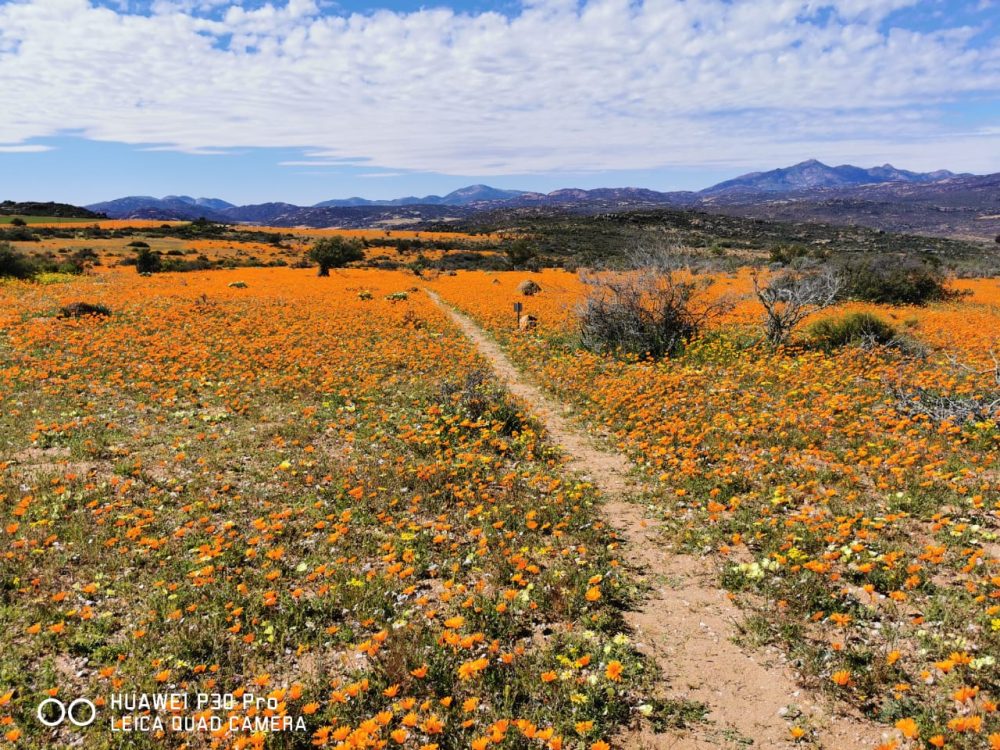
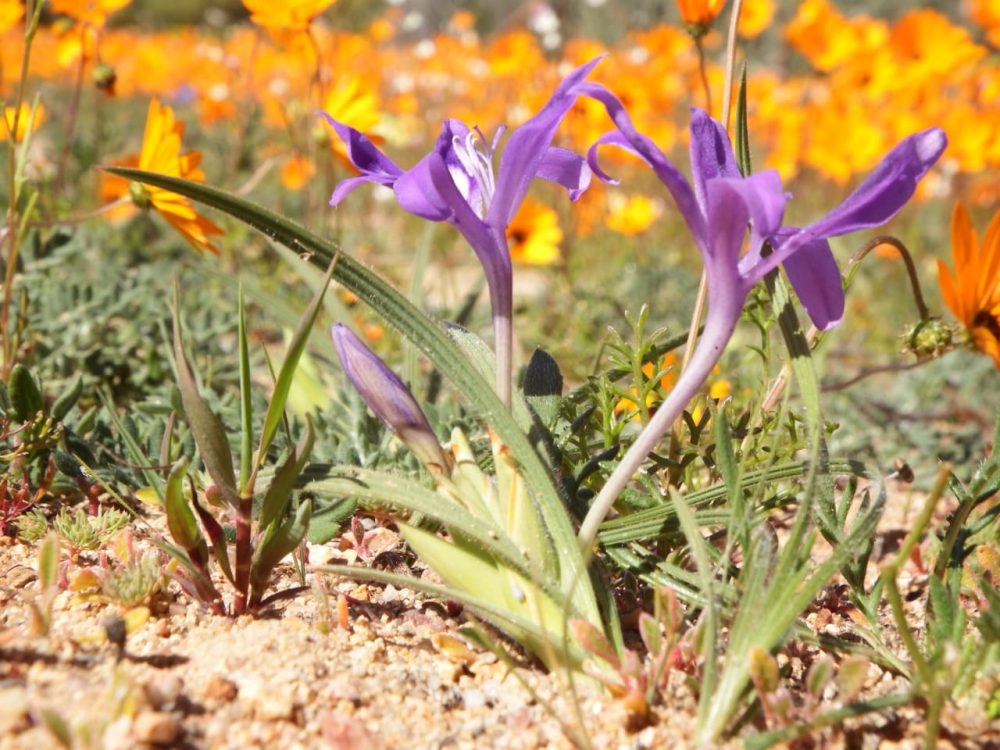
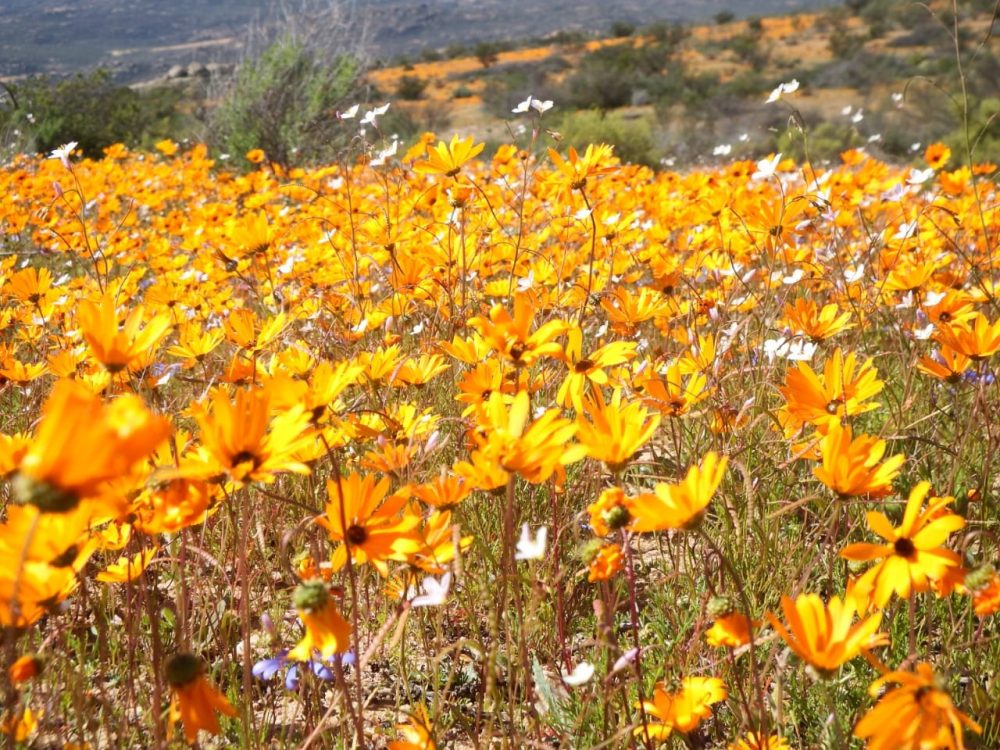
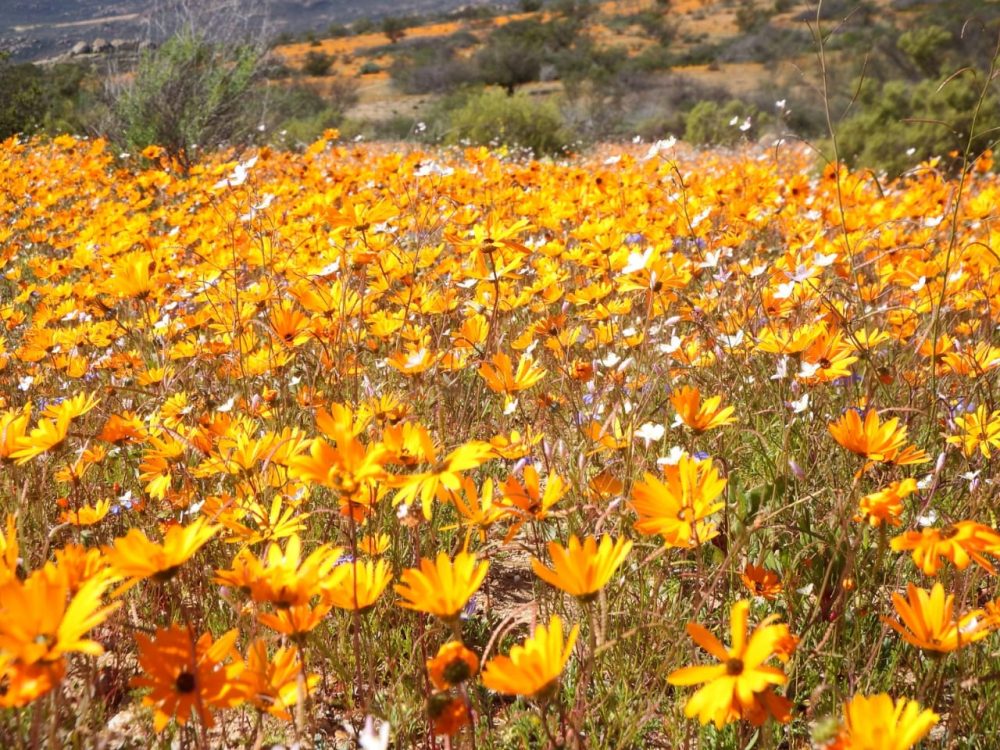
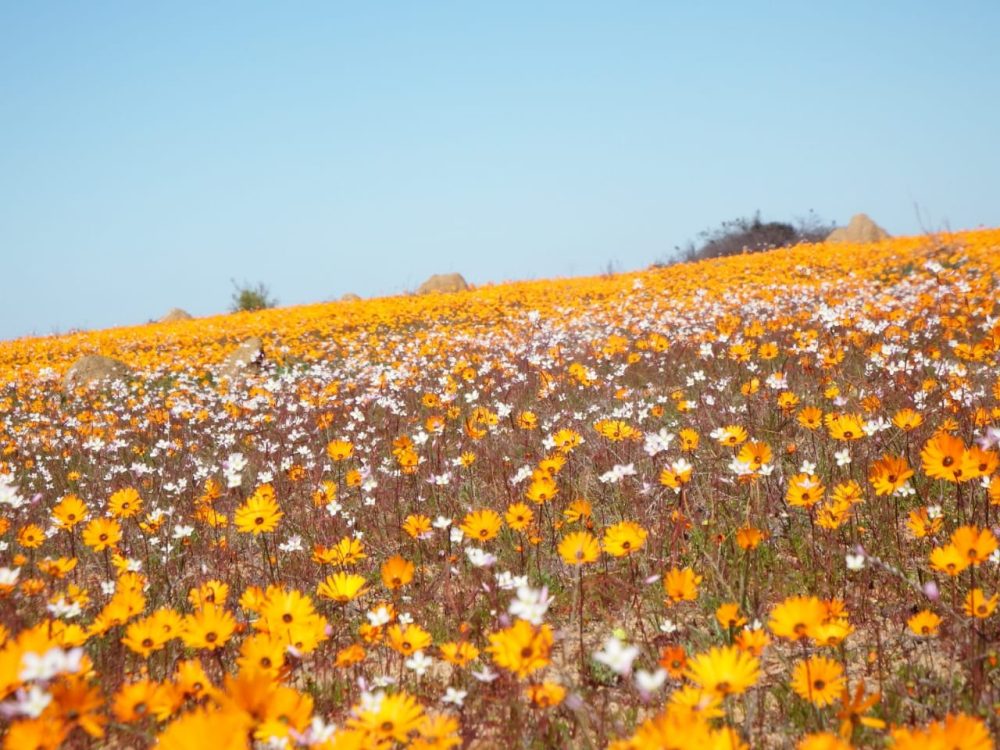
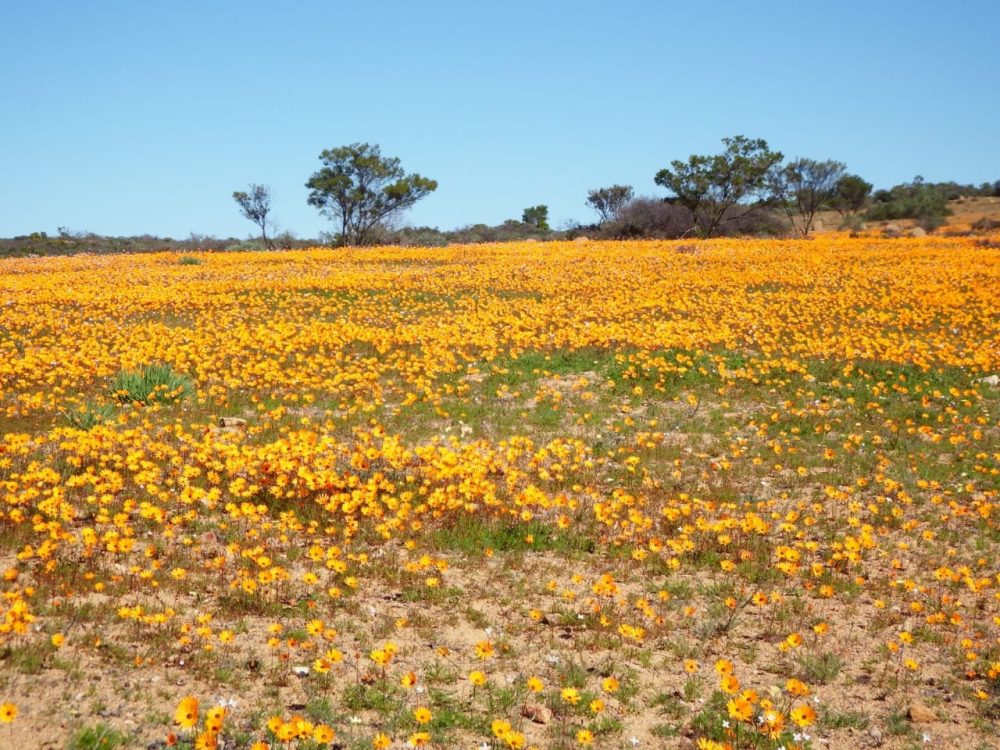
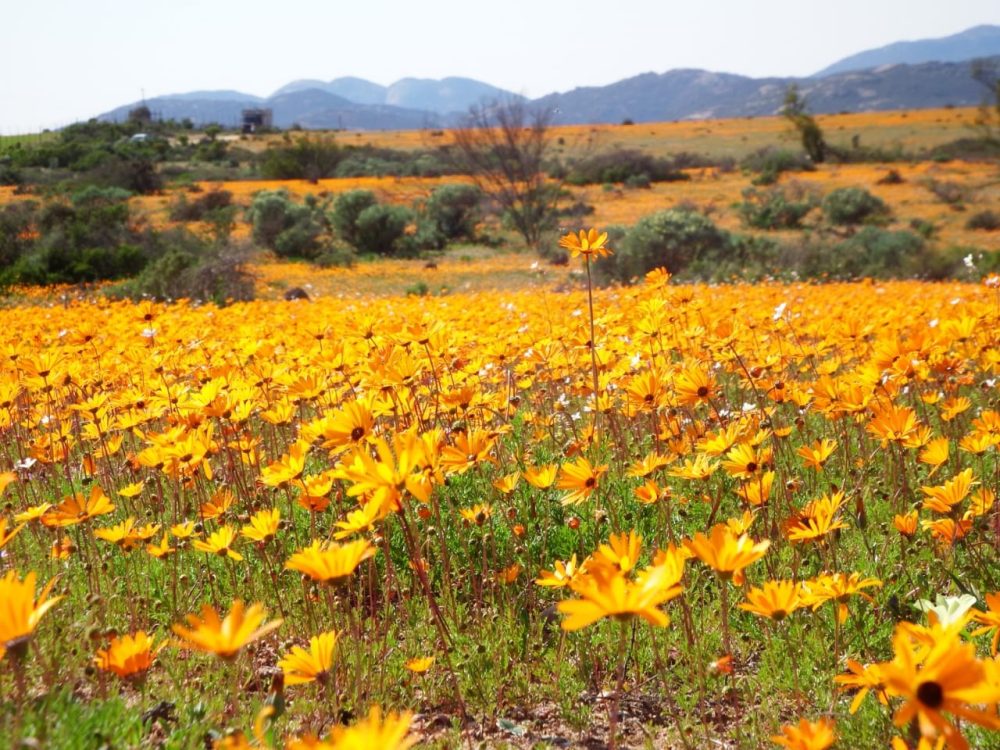
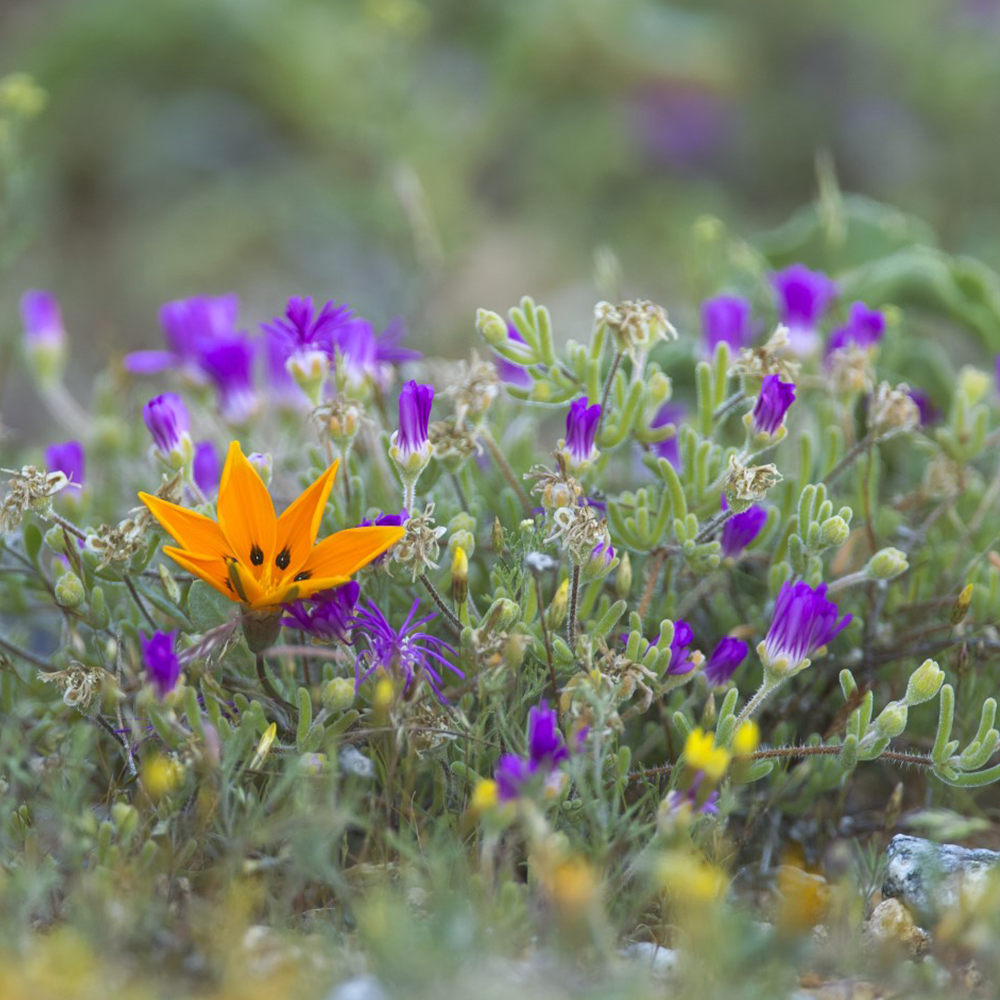
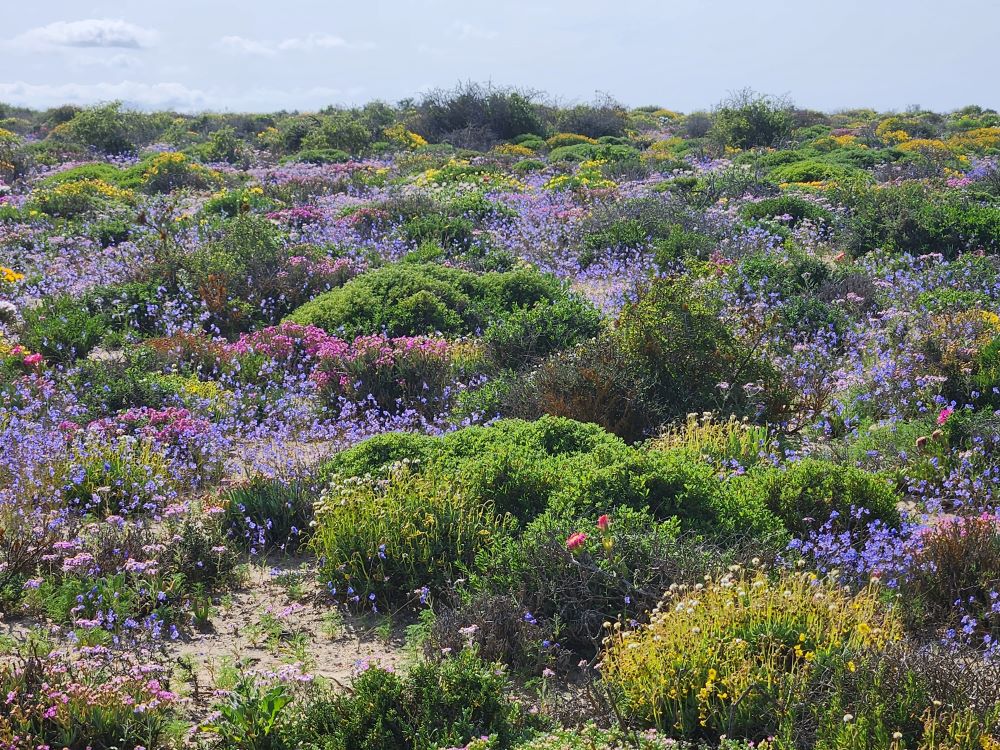
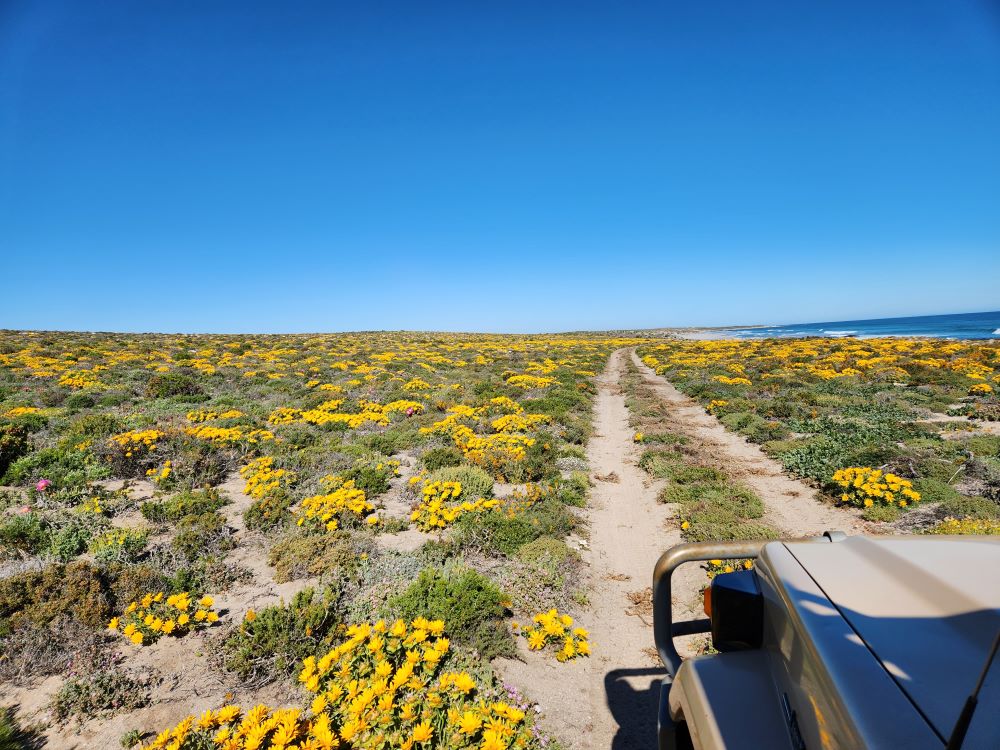
For the limited months of August and September, the arid landscapes of the Namaqua National Park transform into an incredible carpet of bright oranges and yellow with ascents of whites and purple. This super bloom extravaganza is a sheer sight to behold, and photos cannot do it justice.
The Namaqua region of South Africa falls within the Succulent Karoo Biome which has been identified as one of the world’s 34 biodiversity hotspots, with only three of these in South Africa. Comparing the Namaqualand with other semi-arid regions, the ‘richness’ of its biome is truly exceptional.
What truly distinguishes the Namaqua National Park from other desert regions is the presence of the vygies, irids, lachenalias and crassulas that make flower season a truly incredible spectacle in this park more so than others.
There are different routes in the Namaqua National Park where visitors can experience the magic of the super bloom: the popular Caracal Route to Kookfontein, the coastal route towards Hondeklip Bay Gate and the 4×4 Kurubees areas, and during flower season there is a circular drive with various viewpoints.
Visitors can visit the park in sedans and 2×4 vehicles, but the majority of the park requires a 4×4 vehicle and fuel and ATM facilities are only available in the town of Springbok which is 87 km away, and not within the park itself.
The Skilpad, Korhaan and Heaviside Walking Trails allow visitors to get up close to and experience the very best of the Namaqualand wildflowers with routes ranging from 3-6 km respectively.
Where To Stay
- Skilpad Rest Camp: Visitors can enjoy self-catering accommodation at the Skilpad Rest Camp. The camp provides four chalets, each with two single beds in the bedroom and a sleeper couch (suitable for one adult or two children) in the open-plan living room/kitchen. A dining area is available on the enclosed veranda and an indoor fireplace and an outside braai area are also provided.
- Groen Rivier Coastal Rest Camp: The pristine coastline from the Groen River mouth to the Spoeg River mouth offers eight rustic camping areas (31 campsites) along the coastline, with braai areas and Enviroloos.
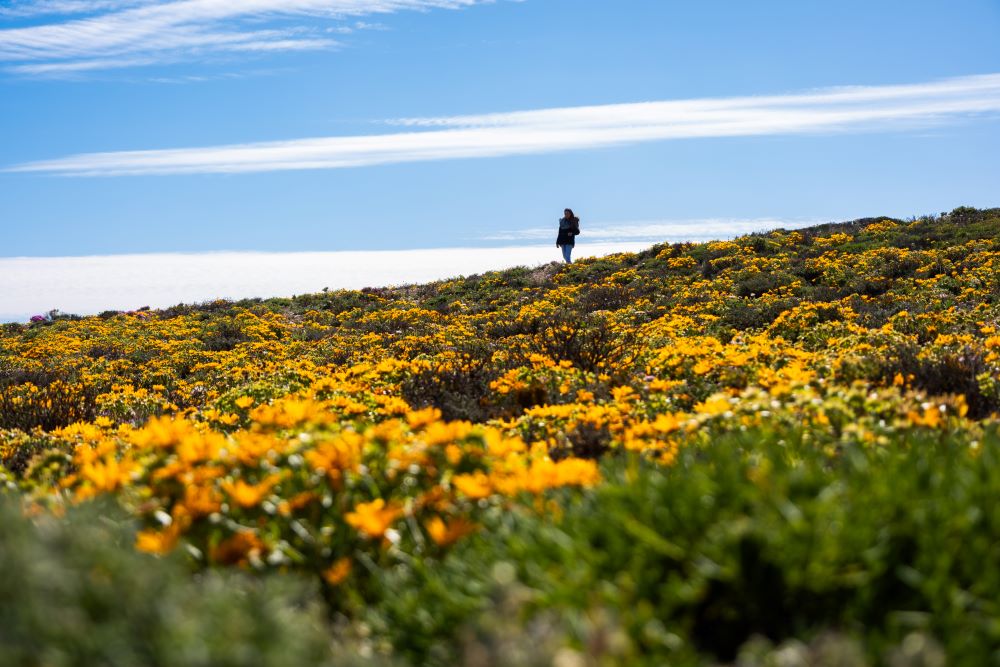
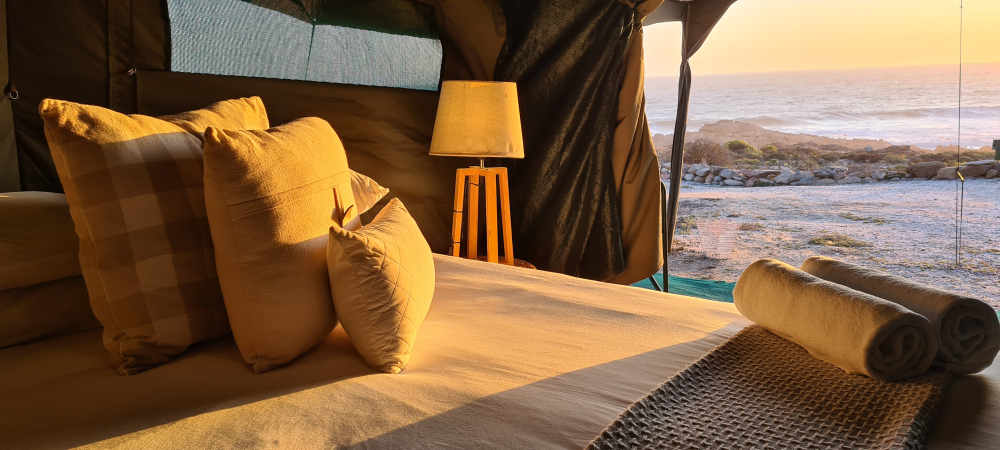
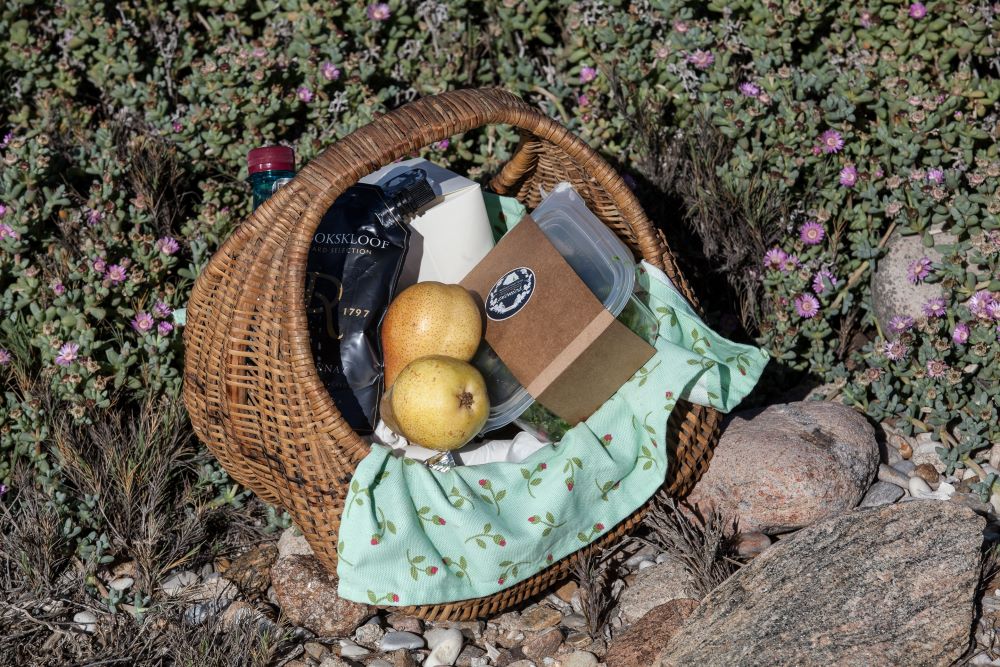
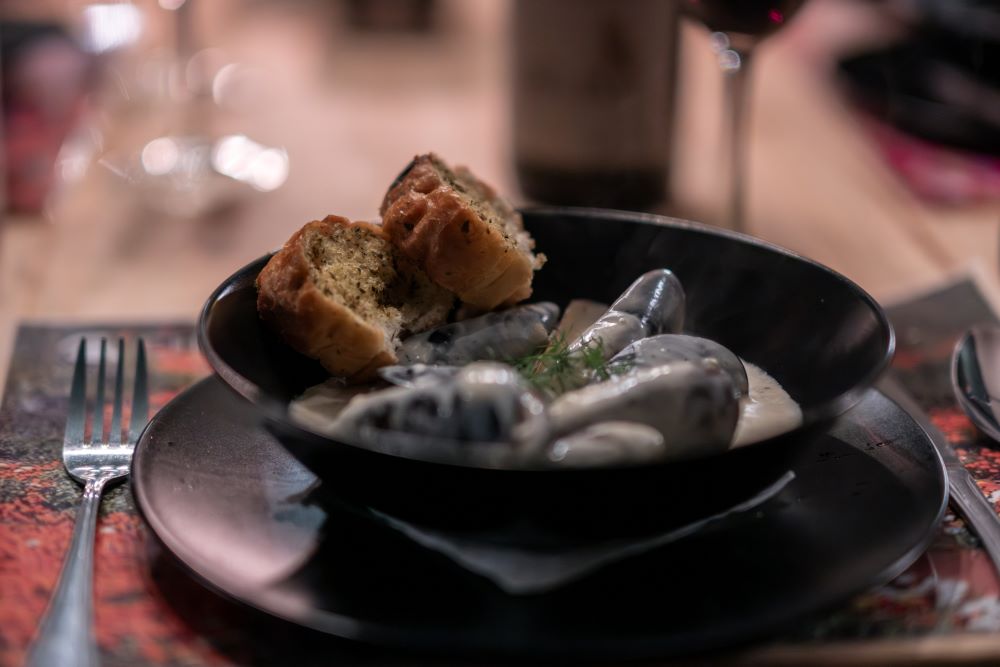
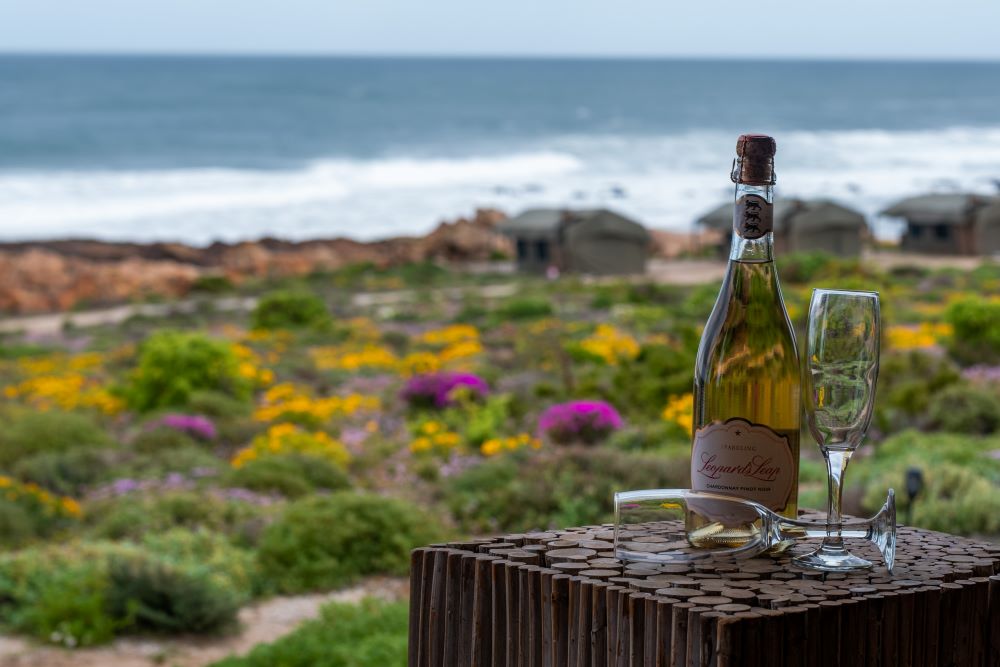
- Namaqua Flower Beach Camp: Wildflower and Ocean Safari – Discover the enchanting Namaqua Flower Beach Camp, a retreat perfect for flower enthusiasts, bird watchers, bikers, strollers, and relaxation seekers. Nestled along the stunning Namaqua coastline, just north of the Groenrivier entrance to Namaqua National Park, this elegant, sophisticated camp is open for only four weeks each year during the Flower Season. During this time, seasonal winter rains transform the arid region into one of the most spectacular floral kingdoms in the world, offering a breathtaking phenomenon unlike anything you have ever experienced. Accommodating 30 guests in 15 private, individual suites, the Namaqua Flower Beach Camp combines comfort and glamping decadence, seamlessly blending into the natural surroundings. The camp provides breathtaking sea views from every tent, beautiful beaches, rocks perfect for sundowners, extensive walking paths, and a variety of other experiences. Along the coast, you’ll encounter vibrant vygies, resilient succulents, and countless other floral wonders. This is your chance to experience a truly unparalleled natural wonder. Website: https://flowercamps.co.za
West Coast National Park
West Coast National Park
West Coast National Park
West Coast National Park
West Coast National Park
West Coast National Park
West Coast National Park
West Coast National Park
The West Coast National Park has always been known for its annual flower season. Located near the Langebaan lagoon, the West Coast National Park offers incredible views of vast open West Coast landscapes, filled with the local fauna and flora and a backdrop of the azure, calming blue waters of the lagoon.
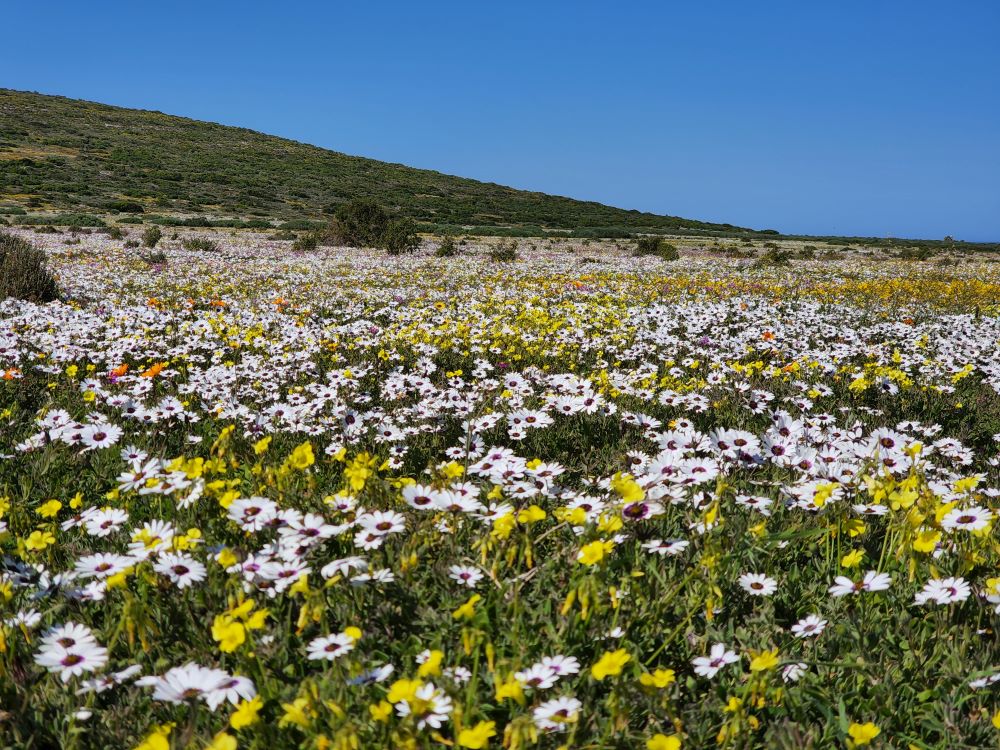
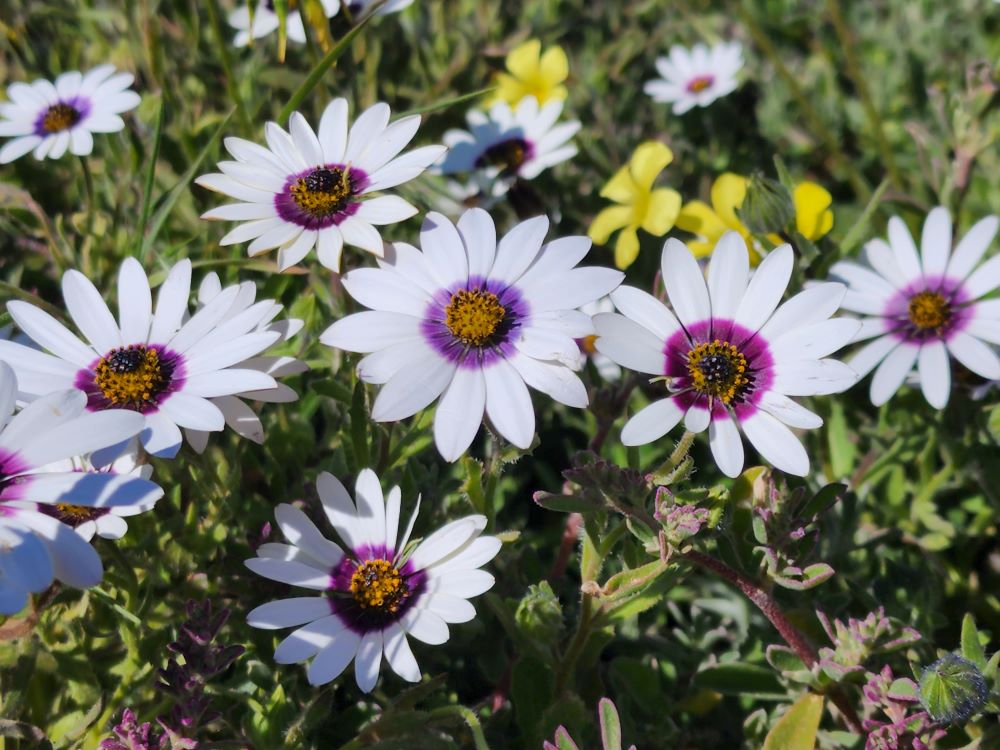
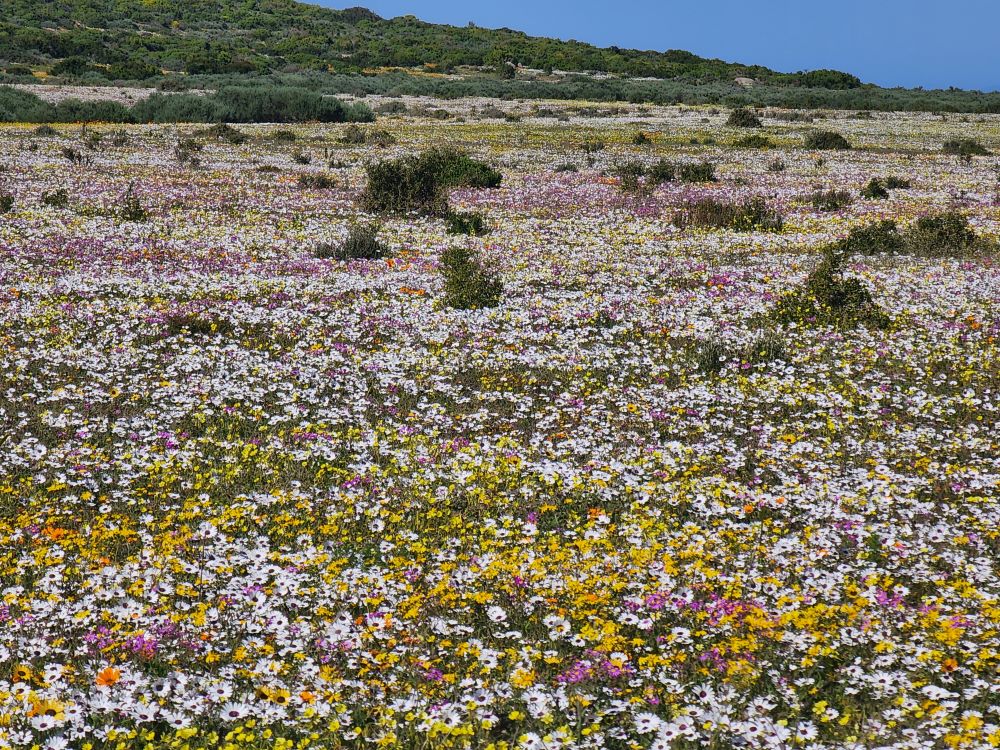
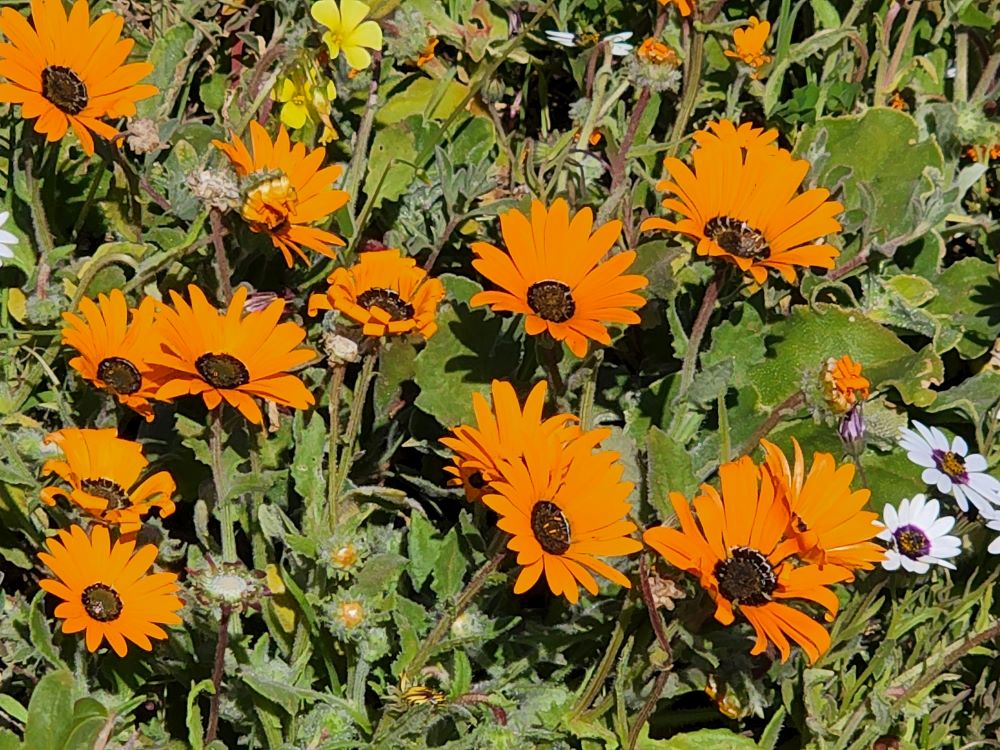
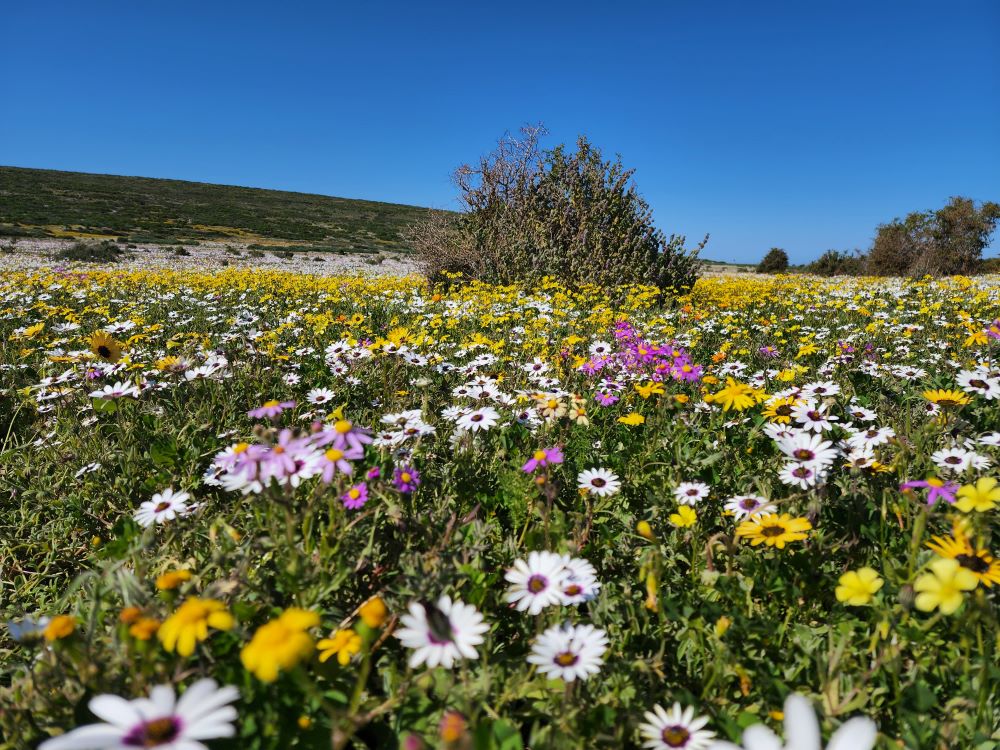
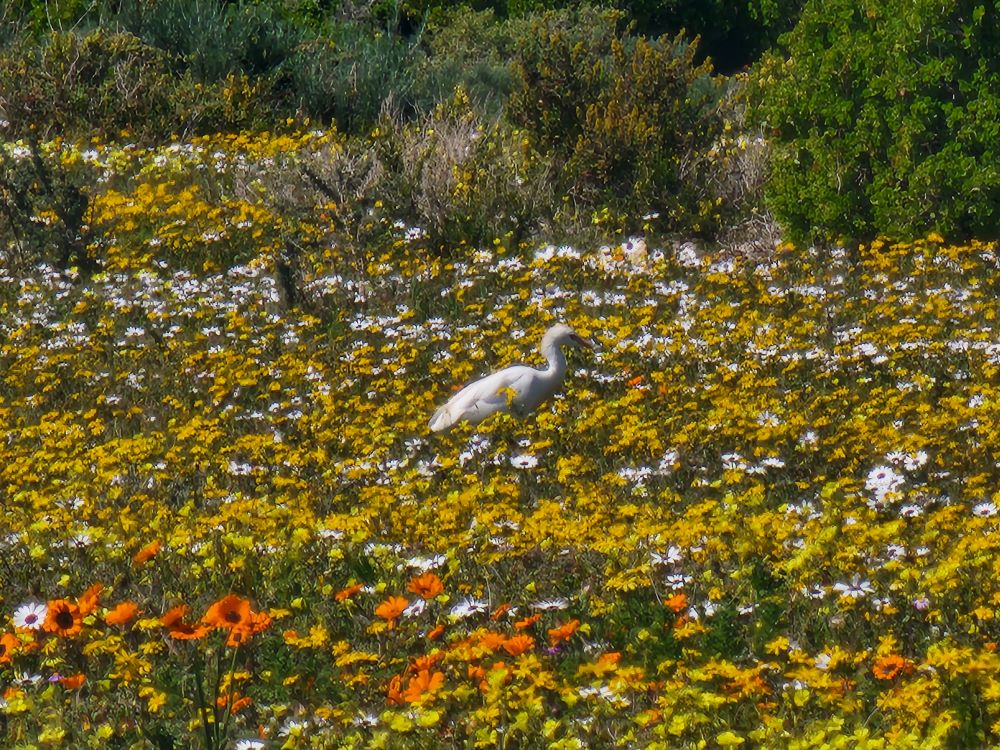
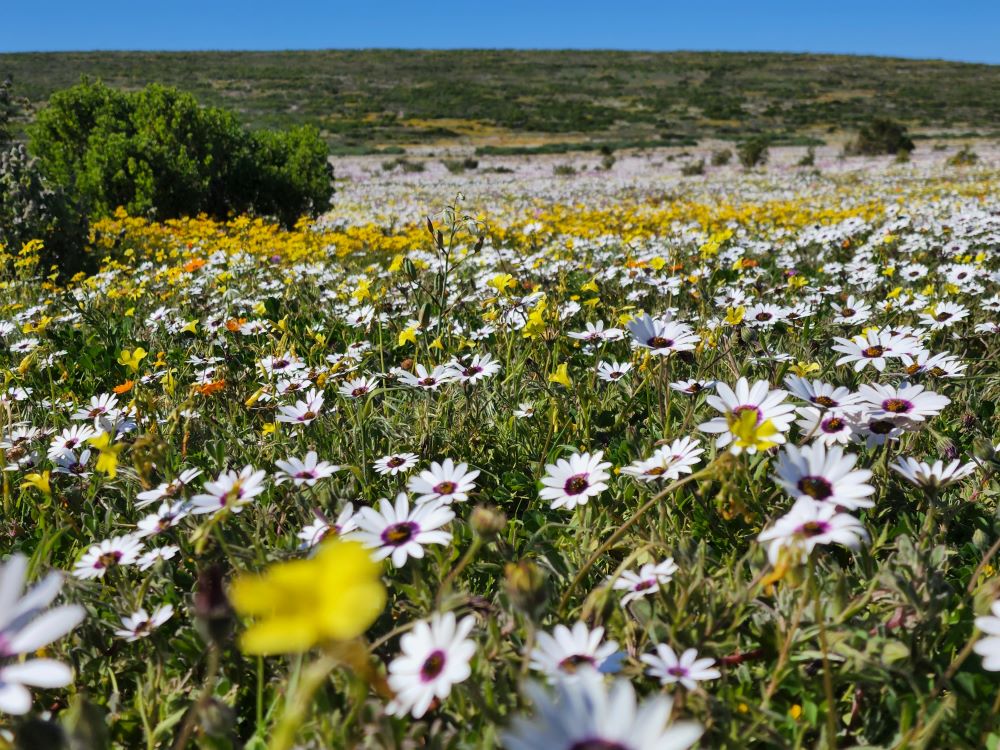
While access to the West Coast National Park is open year-round, there is one special section of the park that only opens up once a year, during flower season. Postberg Nature Reserve, situated within the West Coast National Park offers incredible views of landscapes covered in extravagantly colourful wildflowers, like a carpet of orange, pink, yellow and white.
Visitors gain access to the Postberg section of the West Coast National Park through either of the main park entrances: The Southern Gate located just off of the main West Coast road (R27) or the Langebaan Gate at the Northern Edge of the park.
Visitors can either take a leisurely drive through the Postberg Nature Reserve, or they can walk along the 15.6km looped single-day hike, frolicking in the beauty of the wildflowers. Bookings for the hike are limited and open in June each year – they usually sell out almost immediately. Bookings can be made with the Geelbek Visitor Centre 022 707 9902/3.
Weekends in the West Coast National Park get very busy during flower season, and there are very often queues to get into the main gates. If you’re able to, it’s ideal to make a flower day visit during the week or to book one of the various accommodation options.
Where To Stay
- Abrahamskraal Cottage: This self-catering cottage is situated near the Abrahamskraal waterhole. The Unit is a fully equipped 6 Bed Cottage (2 en suite bedrooms, 1 bedroom with a double bed and the second bedroom has 2 single beds and 2 pull-out beds), with an open plan living area and kitchen. There is a fireplace in the living area to utilize as a braai or fireplace. Guests should bring their own braai wood.
- Jo-anne’s Beach Cottage A: This exclusive self-catering cottage is situated near Churchaven, within walking distance of the lagoon. It is a fully equipped self-catering (3 en-suite bedrooms-sleeping six persons in total) cottage, with an open plan living area and kitchen. There are braai facilities on the front stoep and in the back yard.
- Jo-anne’s Beach Cottage B: This cottage has been renovated to accommodate a maximum of four guests. It is a self-catering cottage situated in the West Coast National Park, near Churchaven and within walking distance from the lagoon. The house is fully equipped (linen, cutlery and crockery) and includes one bedroom with a double bed and one bedroom with two single beds. It also features an open-plan kitchen and dining room area, a bathroom and a shower.
- Steytler Cottage: This recently renovated, self-catering cottage can accommodate a maximum of two (2) people. It is situated at the Geelbek stables. The Unit is fully equipped and has electricity available. The cottage features one bedroom with a double bed, bathroom and shower. There is an open-plan dining/kitchen area with a sleeper couch. The unit has a fireplace
- Van Breda Cottage: This recently renovated, self-catering cottage can accommodate a maximum of six (6) people. The cottage used to serve as one of the homesteads on the Geelbek Farm. It is situated at the Geelbek stables. The Unit is fully equipped and has electricity available.
- Kraalbaai Houseboats: The Kraalbaai Houseboats are permanently moored on the tranquil waters of the Langebaan Lagoon in the West Coast National Park, where Preekstoel (the Pulpit) watches over the serene surroundings.
Website: www.kraalbaailhb.com
- Gate times for Postberg Nature Reserve are:
- 09h00 – 17h00 with the last entry at 16h30
- Gate times for the main West Coast National Park are:
- August: 07h00 – 18h00 with last entry at 17h30
- September: 07h00 – 19h00 with last entry at 18h30
Spring Flowers Booklet
Be sure to purchase your copy of the Spring Flowers Booklet at the Postberg entry gate. This informative booklet was created as a fundraising project by the West Coast region, SANParks Honorary Rangers (WCR SHRs) and is aimed at enhancing the visitor experience of the West Coast National Park during our exciting flower season.
It is important to note that while there are over 1200 flowering species from close to 100 different families of plants on the West Coast, only 37 of these could be accommodated in the booklet. A selection was made from as many of the important families as possible, carefully avoiding undue weighting of any single-family and to try and select some of the most iconic members of these families whose normal flowering season coincides with the dramatic August/September floral displays that draw the crowds. The main goal of the publication was to produce a visually appealing glimpse into the stunning botanical diversity that visitors to the Park and its surrounding areas are privileged to witness during this limited time.