R136.5 million in upgrades underway in Addo Elephant National Park
SANParks has invested R136.5 million into upgrading facilities and basic infrastructure in the Addo Elephant National Park, aimed at enhancing tourism...
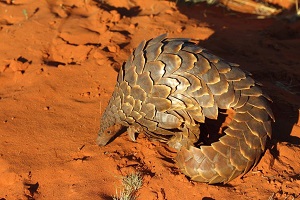
As the world marks World Pangolin Day and World Whale Day on Saturday, February 16, the Pangolin is still one of the most trafficked animals in the world and are being hunted and killed in vast numbers in Africa.
“World Pangolin Day aims raise to awareness about these rare and unique mammals and the plight of these endangered wildlife, especially given that Africa is home to four of the eight Pangolin species worldwide,” says SANParks Head of Corporate Communications, Janine Raftopoulos.
Local consumption of bush meat and traditional medicine usage continues to play a role, however the major driver in recent times is believed to be international illegal wildlife trade to Asia, mostly to China and Vietnam. Both flesh and scales are believed to have medicinal properties in eastern medicine, however a more alarmingly trend is the increasing social pressures driving demand. In China, Pangolin flesh in considered a delicacy and it is frequently offered at restaurants catering to wealthy patrons who want to eat rare and endangered wildlife in Vietnam.
The four species found in Africa include, the Black-bellied pangolin (Phataginus tetradactyla), White-bellied pangolin (Phataginus tricuspis), Giant Ground pangolin (Smutsia gigantea) and the Temminck's Ground pangolin (Smutsia temminckii). The Temminck’s Ground Pangolin is found in several national parks in South Africa and is listed as vulnerable on the INCU Red list. Over 1 million pangolins have been poached in the last decade and according to traffic.org a pangolin is poached from the wild every five minutes.”
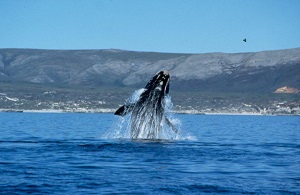
World Whale Day aims to boost the understanding of these large, intelligent, aquatic mammals that breathe air through blowhole(s) into lungs (unlike fish who breathe using gills). They are the only mammals, other than manatees (seacows) that live their entire lives in the water, and the only mammals that have adapted to life in the open oceans. Seven out of the 13 great whale species are classified as endangered or vulnerable, even after decades of protection.
Raftopoulos said SANParks is mandated to protect all the endangered species, “Whales are an important marine ecosystem engineer, and play an important role in the overall health, structure and functioning of marine ecosystems. Several species visit South Africa’s coastline during summer to feed and calf, and therefore we need to ensure that these important areas are safe places are well managed, particularly in our Marine Protected areas (MPA) such as Table Mountain and Tsitsikamma.”
Oceans are difficult places to protect in isolation especially when catering for these large, free-ranging ocean giants with various pressures exerted upon them. Plastic pollution, increased shipping which means increased noise and strikes on whales, climate change (sea level rise, ocean acidification, and changes in water temperature) and seismic surveys are just some of the challenges encountered in the protection of whales globally.
Creating larger and contiguous marine protected areas are a major tool in creating safe habitats for these giants to roam in our world’s oceans. To this end, in 2018 the Department of Environmental Affairs announced that Cabinet approved a network of 20 new MPAs, this is great news for the whales of South Africa.
Raftopoulos concludes by urging the public to join the world to continue to raise awareness about the World Pangolin Day and World Whale Day in South Africa. She said, “ As humans we must understand that we are all connected to the bigger food web of our planet, and removing these important creatures from our food web will ultimately impact us.” You can make a difference by protecting the environments in which these animals live, by not purchasing illegal animal products, recycling your plastic and reporting any illegal activity such as poaching.
Share your unique pictures of Pangolins and Whales with us on our social media platforms and #LiveYourWild #WorldPangolinDay #WorldWhaleDay.
South African National Parks (SANParks) Corporate Communications
Tel: 012 426 5170
Media Enquiries:
Reynold “Rey” Thakhuli
SANParks GM: Media, PR and Stakeholder Relations
Tel: 012 426 5203; Cell: 073 373 4999
Email: [email protected]