Imbasa Rock Art
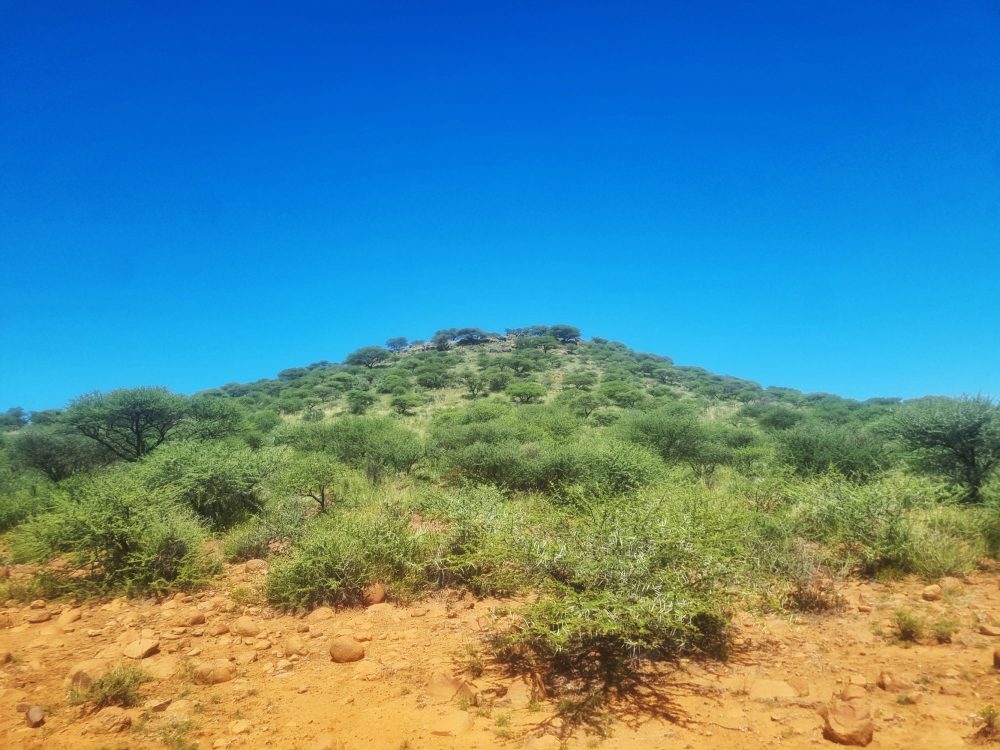
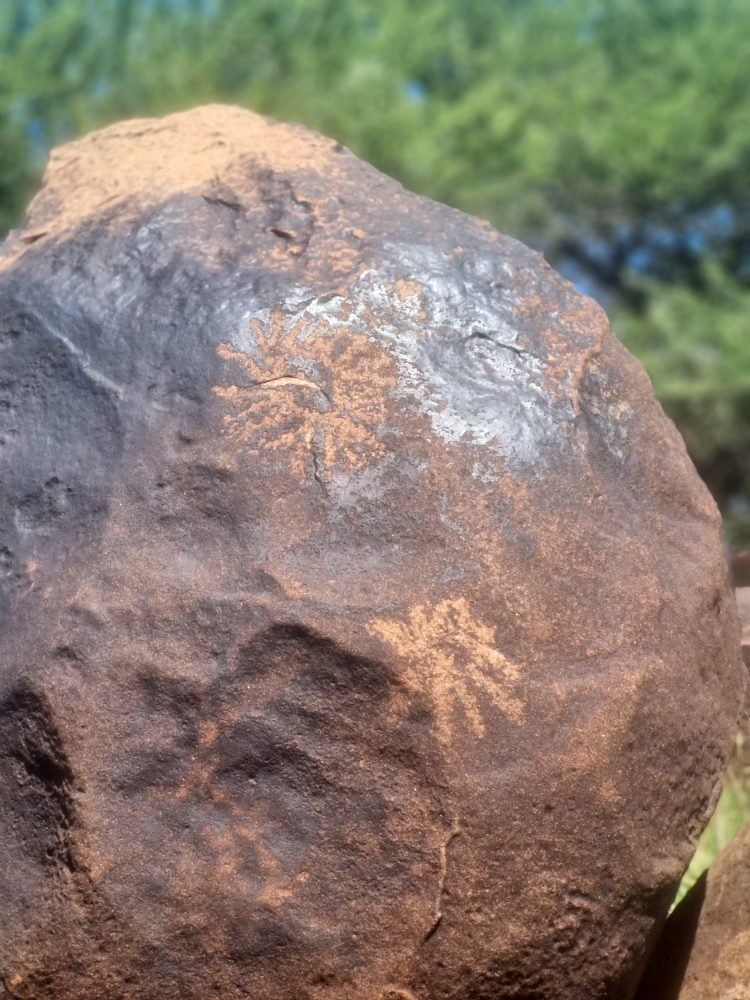
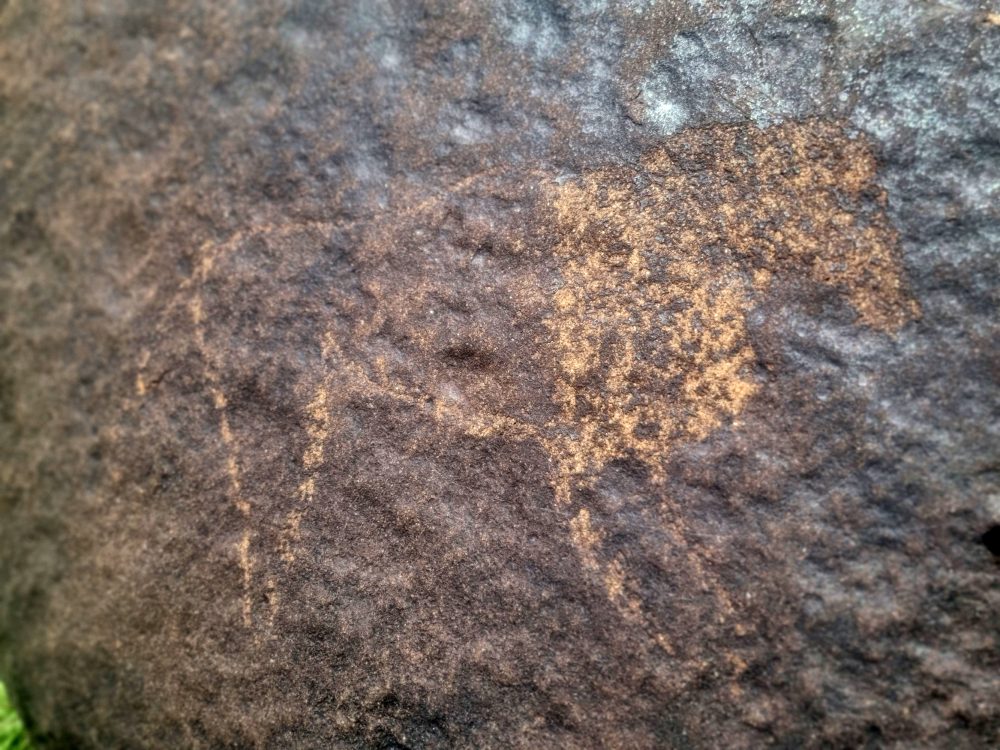
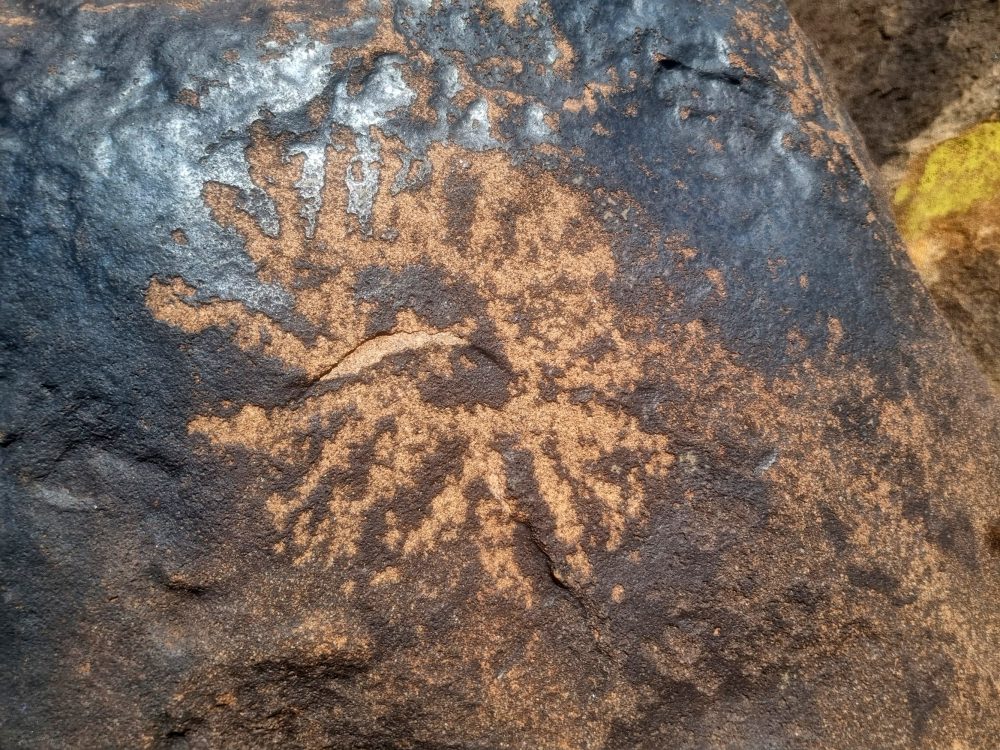
This is a rock art site with several engravings, on top of the hill, with some engraved boulders also found on the edges. It is found on the newly acquired portion of Mokala National Park, following the purchase made by the South African National Parks of Imbasa farm – which was previously used as a game farm for trophy hunting. The site is not easily accessible, as the road has not been used for a long period, with vegetation now having grown over it, obliterating its existence.
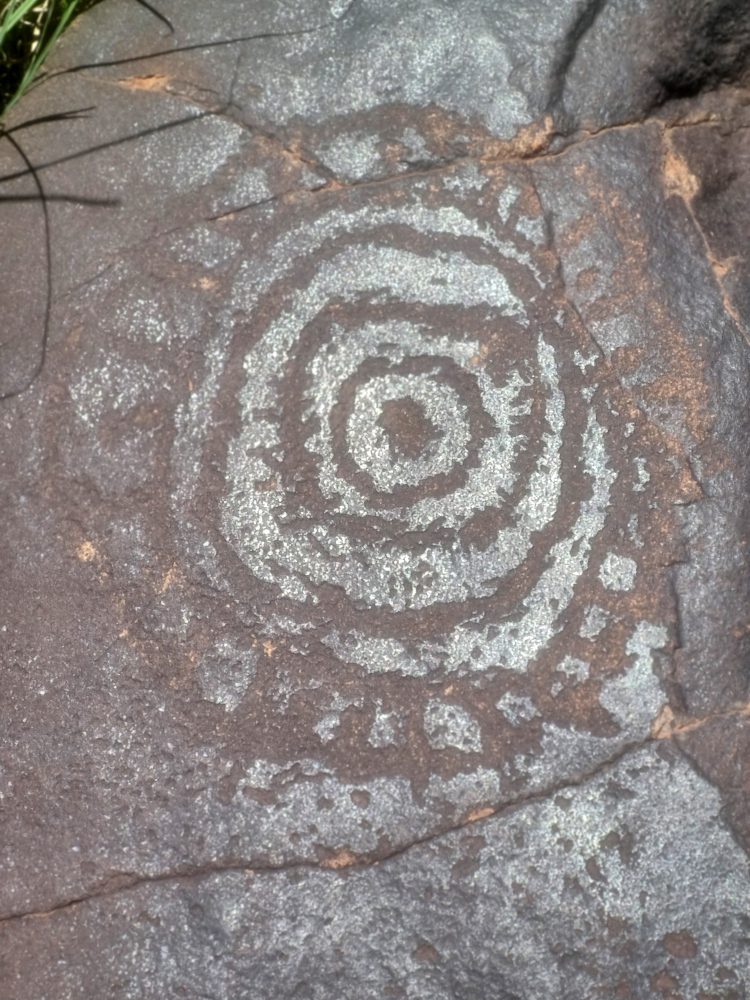
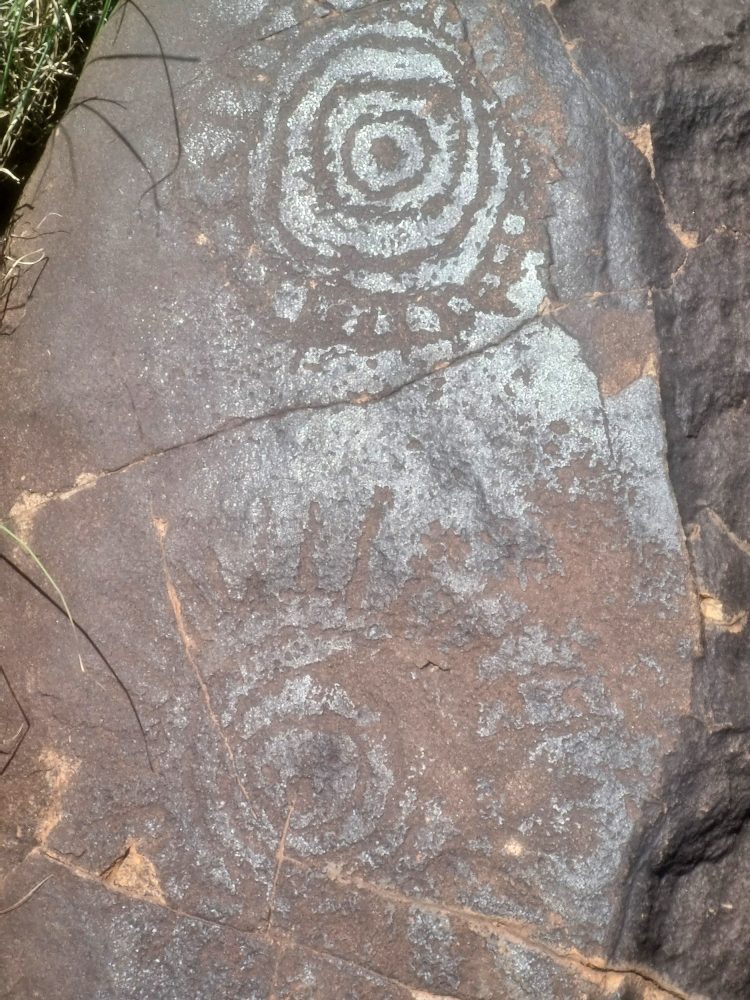
The site has several engraved geometric images, eland (with a shaded head), unidentifiable antelope and other representations that are no longer that identifiable. Among the most common geometric images are grids, zigzags, dots, spirals, and catenary curve (Knoll 1958; Horowitz 1964; Richards 1971; Eichmeier & Hofer 1974; Siegel 1977). The interpretation of geometric rock art has been largely informed by the neuropsychological model. This approach is informed by the idea that all mammals hallucinate, which suggests an ability to have altered states of consciousness (Siegel & Jarvik 1975: 81-104). The engraved geometric images must then be viewed with this state of altered consciousness, giving an insight into beliefs and cosmology of the people who produced them. As informed by the neuropsychological model, all the geometric representations derive from the human nervous system, meaning that they are experienced by all human beings, no matter what their cultural background is (Eichmeier & Hofer 1974, Reichel-Dolmatoff 1978).
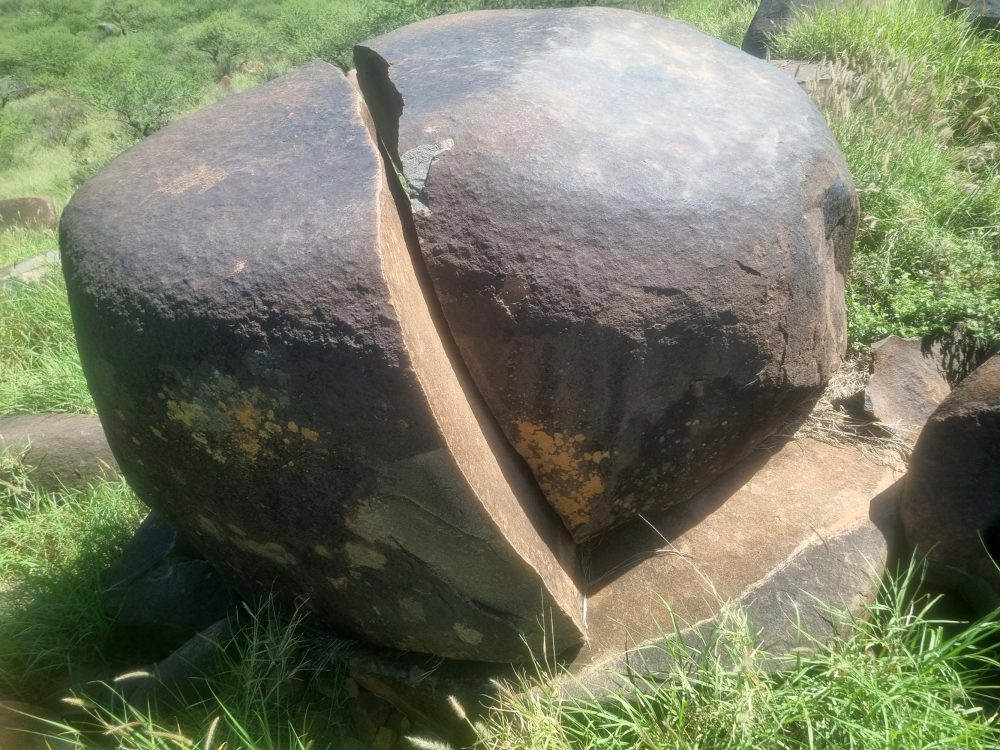
Besides one boulder that has been broken up, with evidence of movement by one of the portions, the engraved rock art images are well preserved.
GPS Waypoints: 29°13'50.3"S 24°16'33.9"E