Bushmenkoppie Engravings
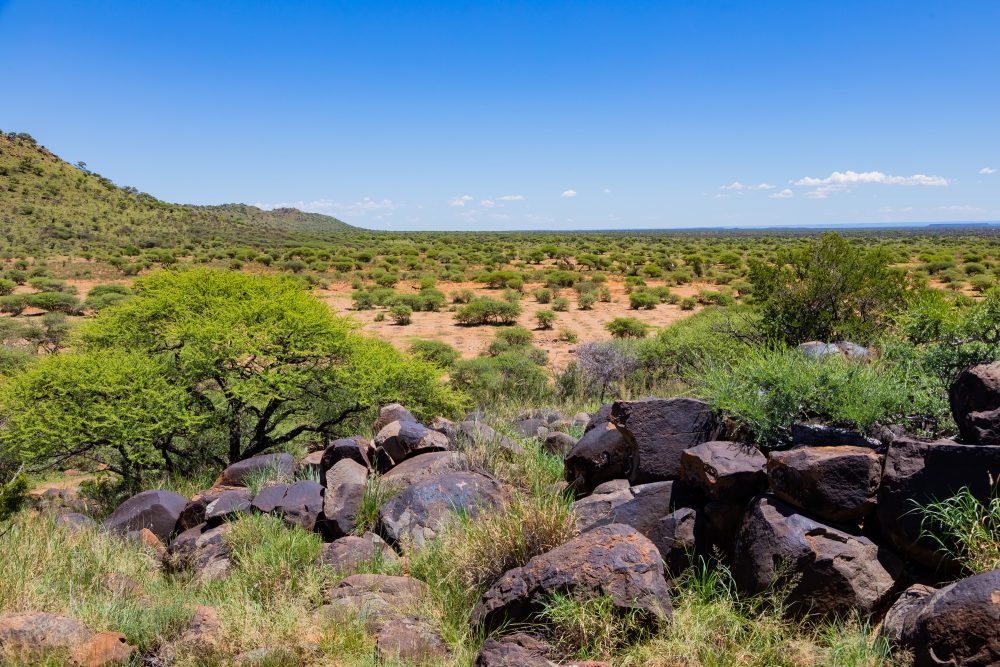
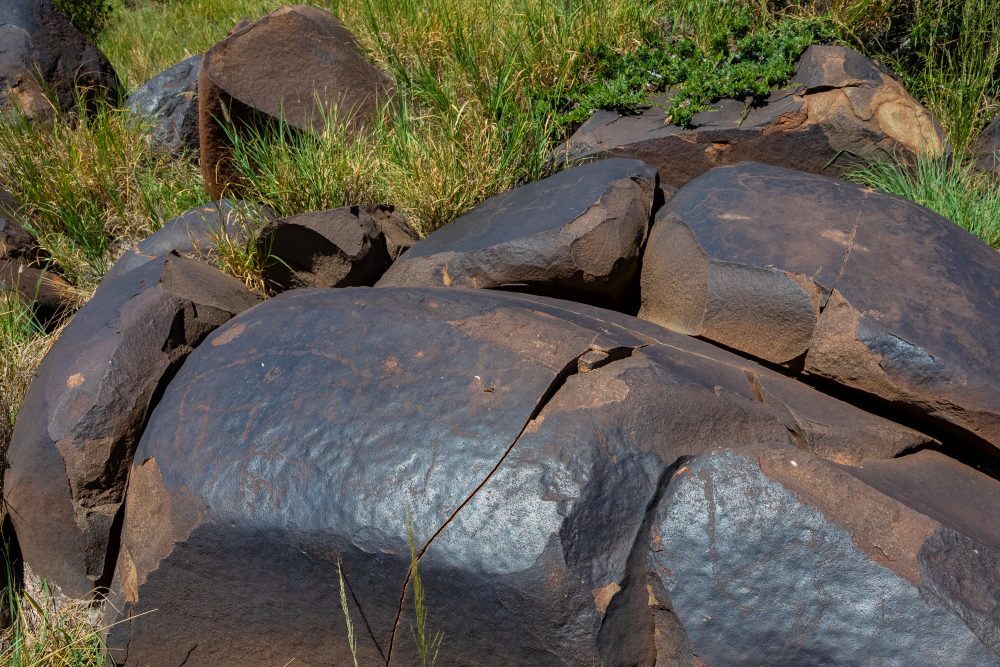
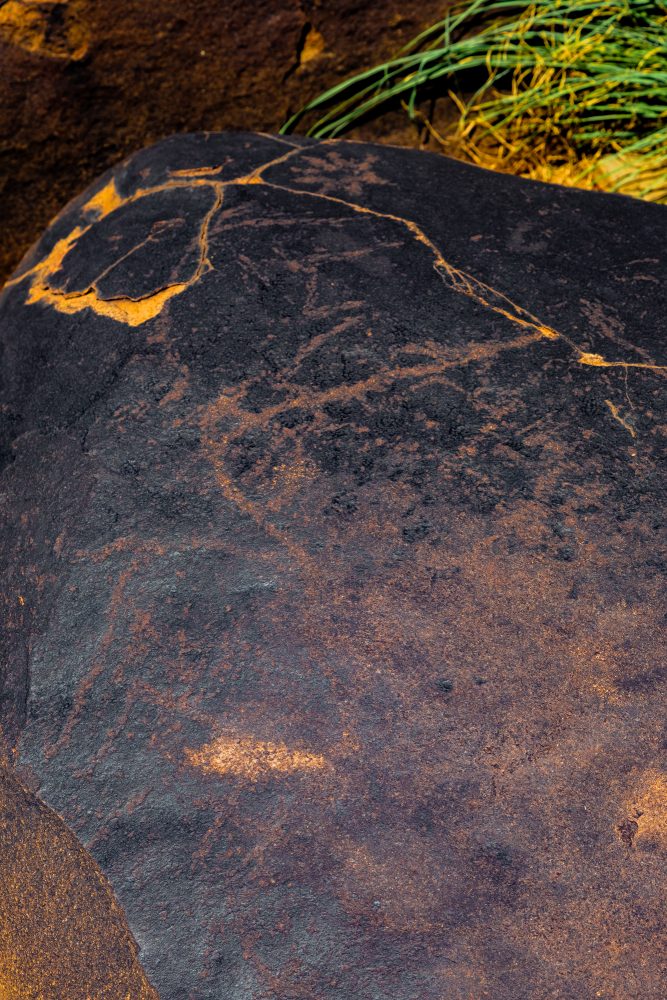
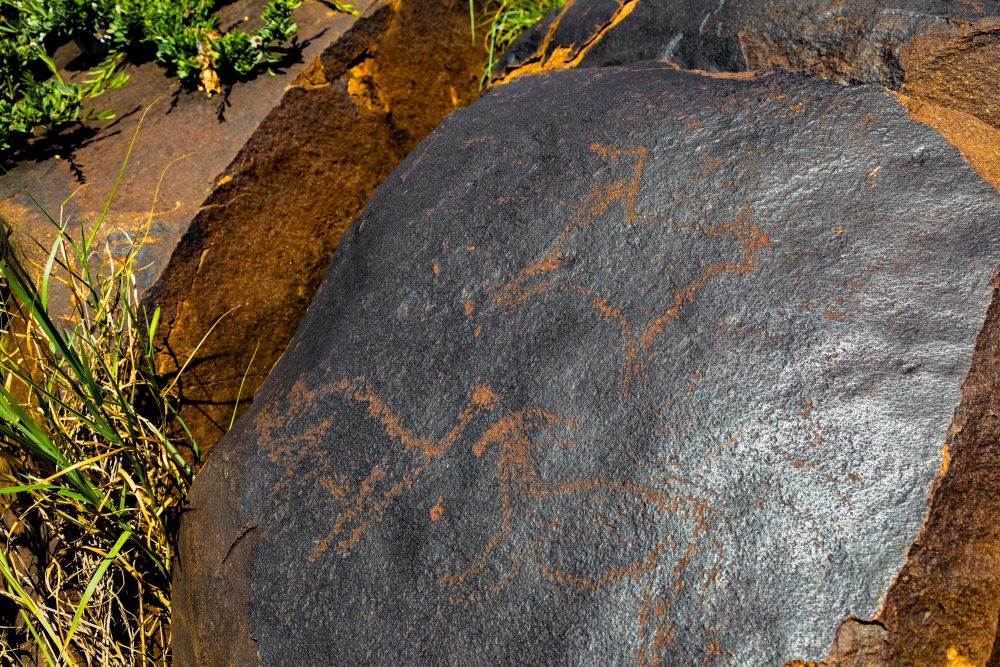
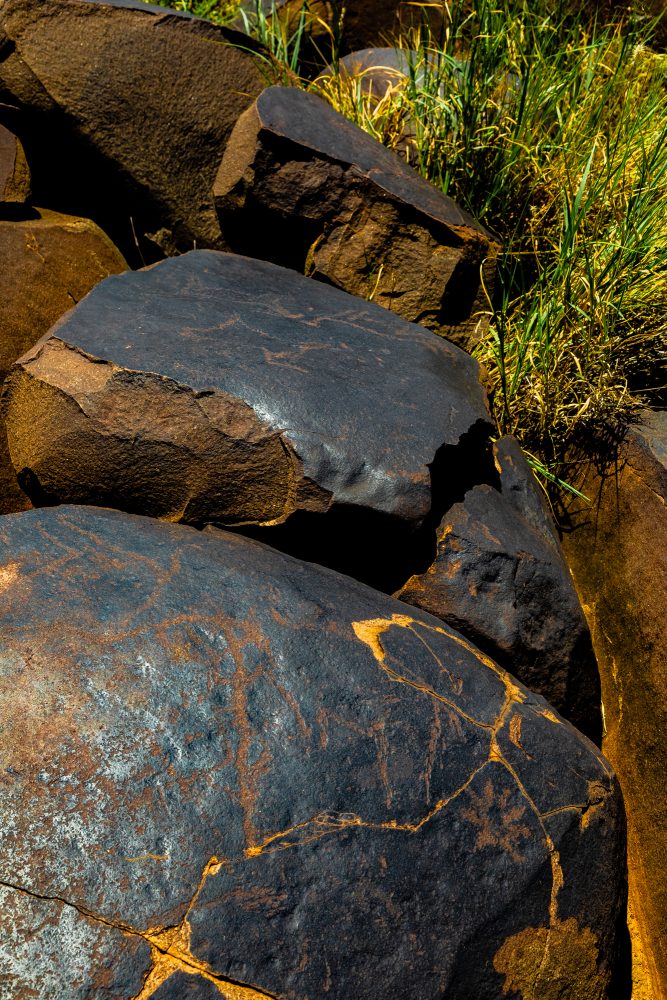
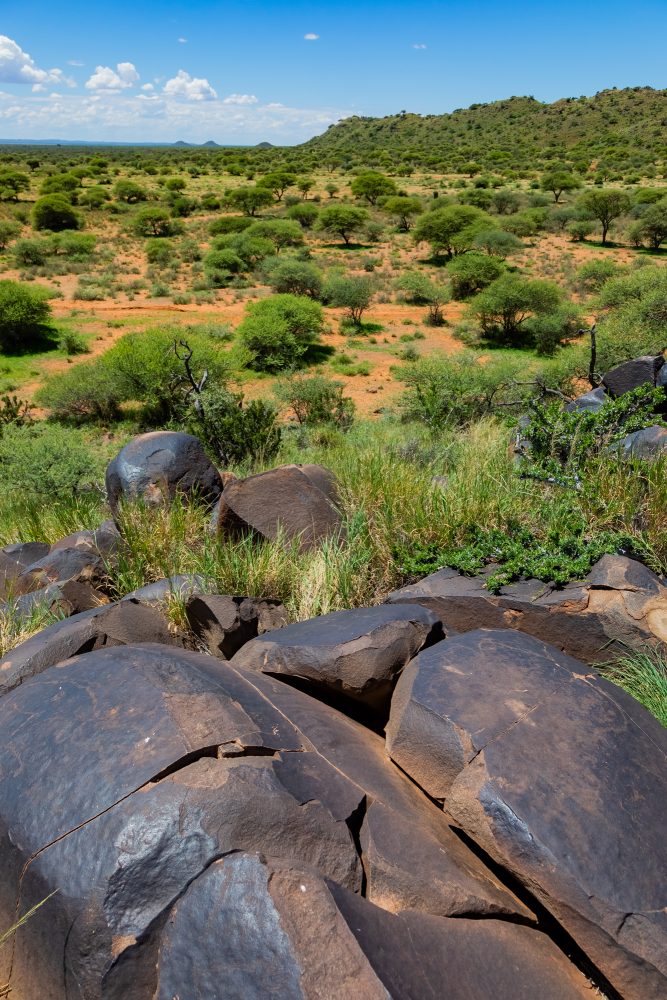
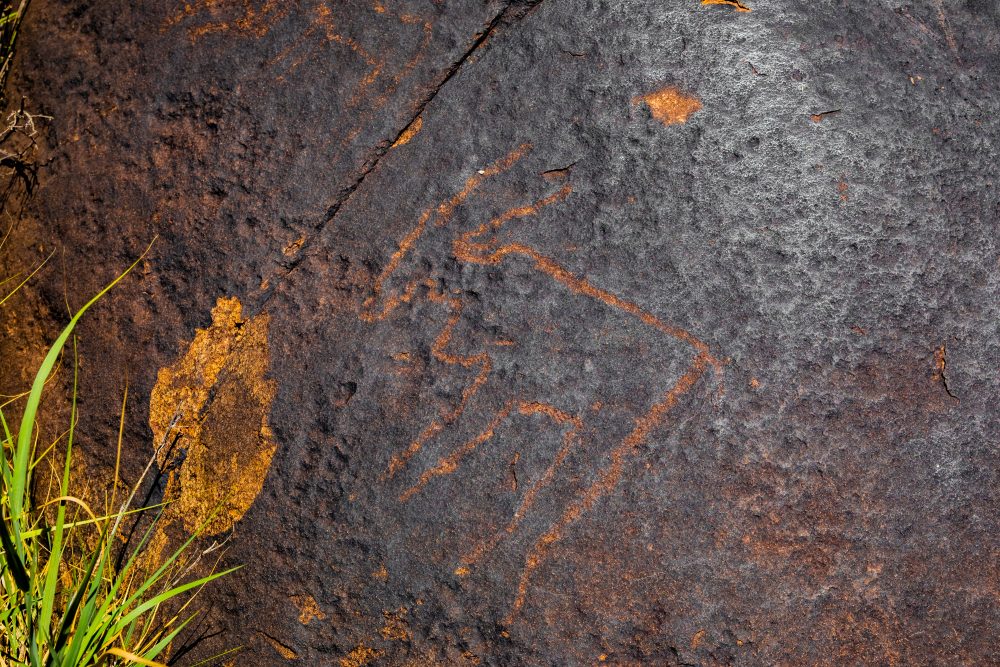
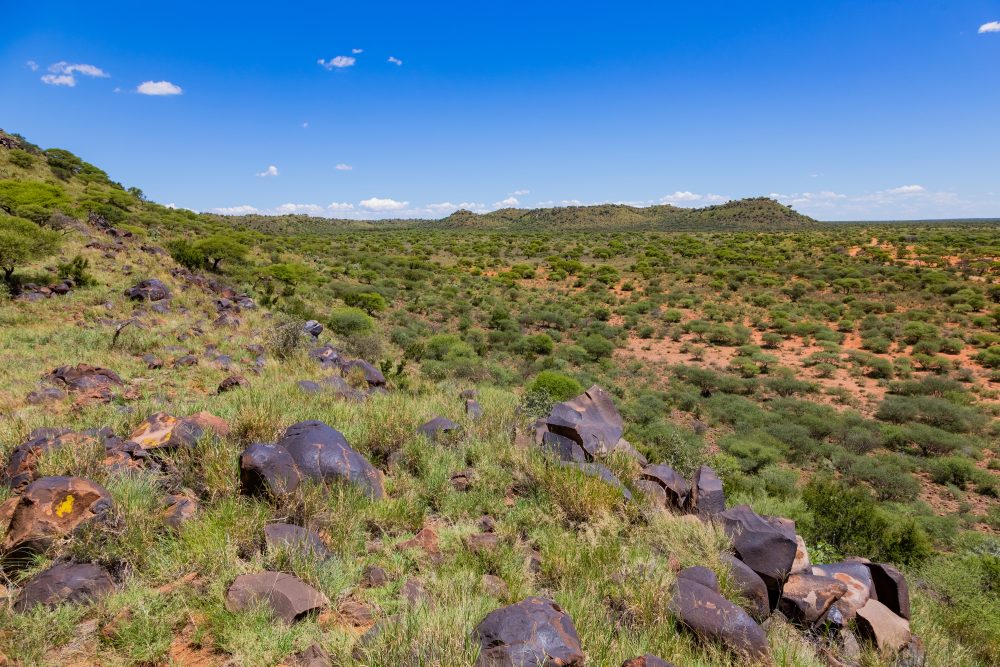
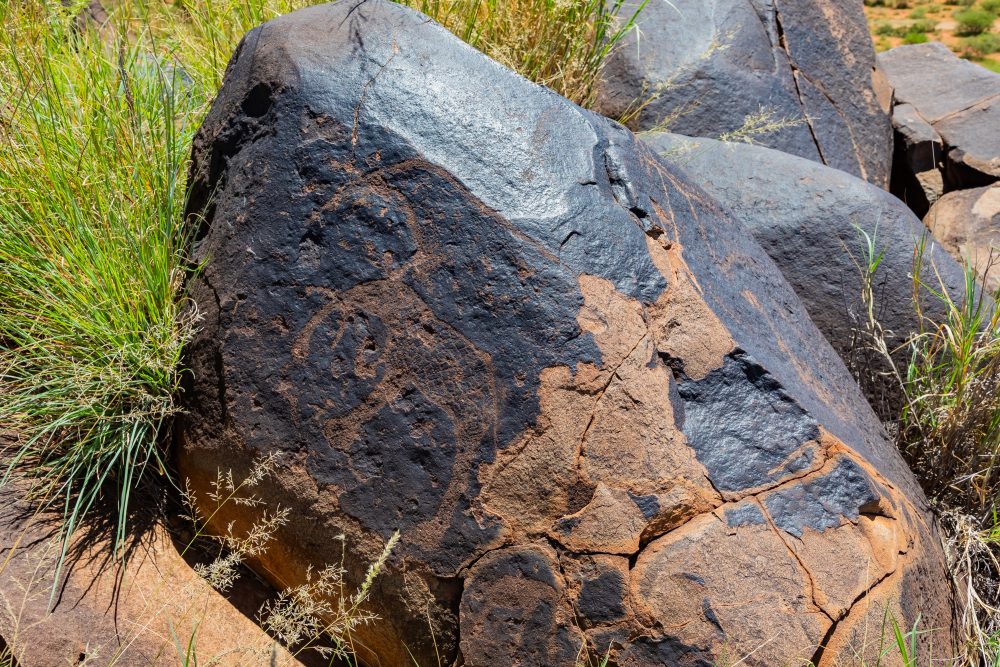
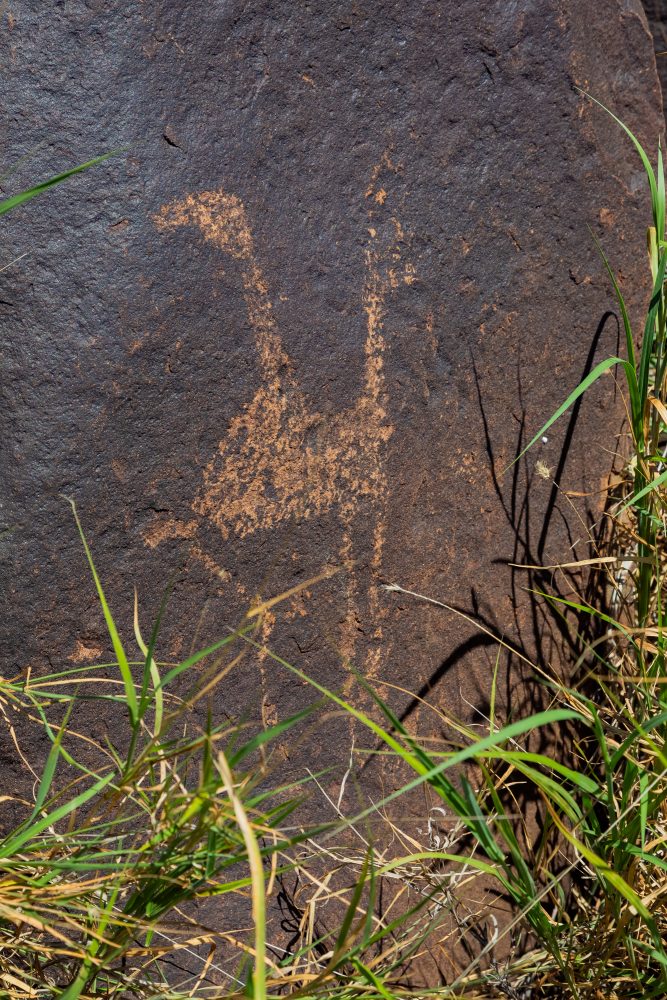
This rock art engraving site is found on a small hill that was previously recorded by Gerhard and Dora Fock (Fock & Fock 1989: 74-75). It is on the portion of the park that was previously known as the Doornlaagte farm, situated on the crest of a small knoll just below the main ridge, with commanding views over the Riet River Basin. Its elevated position provides wide visual access across the surrounding landscape that would have been home to a variety of animals, some of whom are represented in the rock art. The site lies close to an existing road, making it relatively accessible despite the short but steep ascent required to reach the engravings.
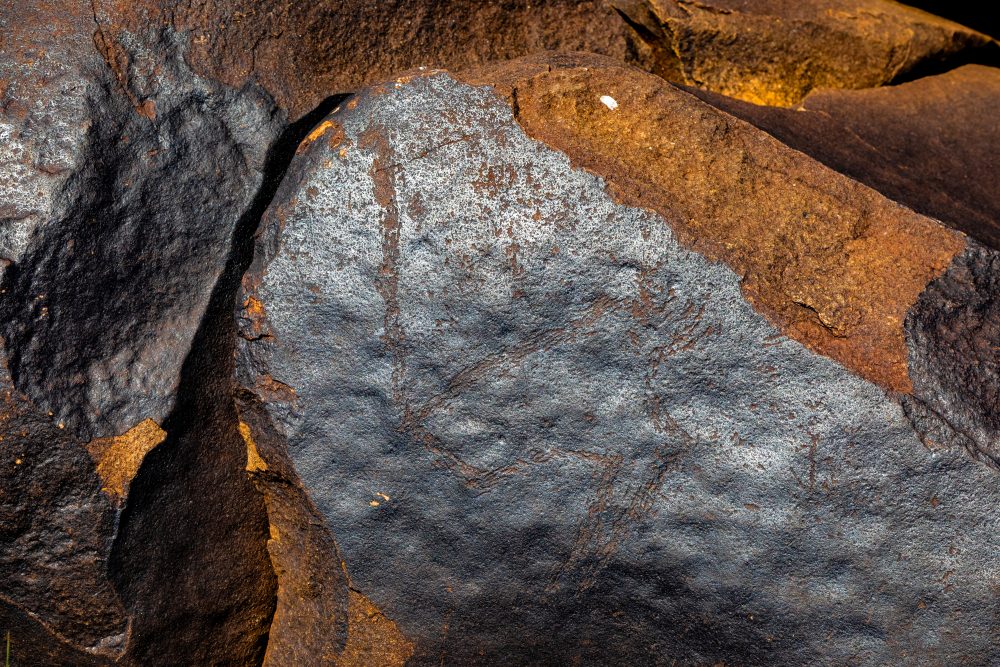
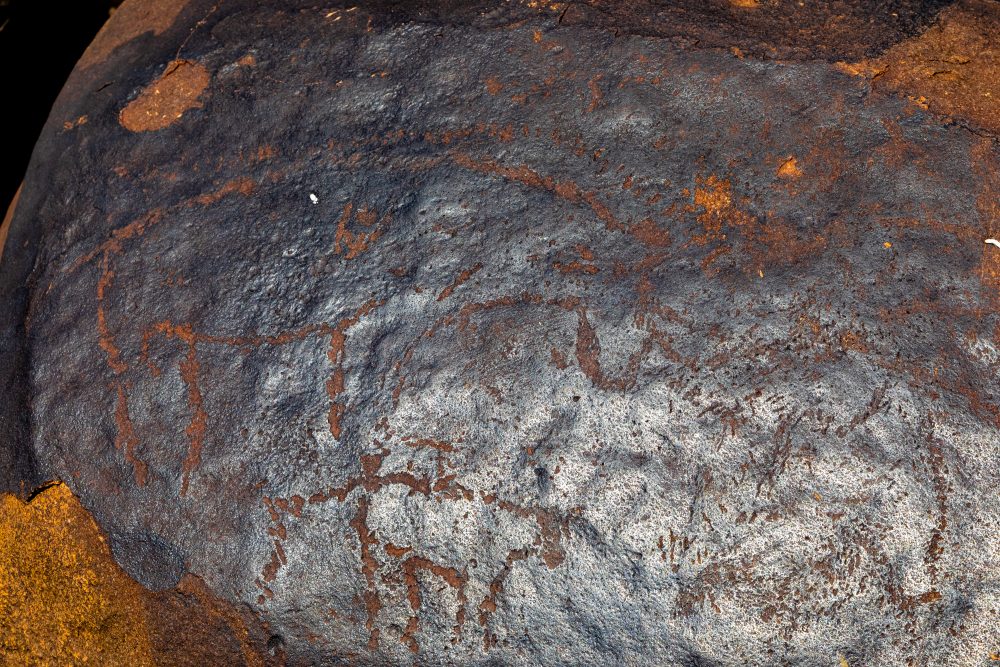
The images featured are pecked and hairline engravings, executed on exposed rock surfaces that are rough in texture, making them suitable for the pecked engraving technique. The knoll forms part of the local ridge system overlooking the river basin, suggesting long-term stability and limited erosion. The geological context offers durable rock faces that have preserved the engravings well.
There is graffiti (dated 1963 and 1967) at the site dating from the twentieth century, demonstrating some of the human impacts on the landscape over time. Fouche Naude could have been the local farm owner responsible for one of these graffiti (F. Naude 11.7.6). The other graffiti is 5.10.67. Despite this graffiti, which may have been made by the farmers, the images are still well preserved.
Among the engraved images is a rhino, eland (identifiable by the dewlap), ostrich, an engraved human figure with a bow and arrow (which might not be from the same period as the other engravings), warthog, an ostrich, and a possible hartebeest. There is also the striking image is a finely rendered elephant, notable for the depiction of elephant hide like markings, indicating a high level of skill and observation. Some of the engravings are no longer easily identifiable by species.
These engravings hold significant cultural value that contributes to understanding symbolic expression, animal representation, and landscape use by earlier communities. The quality of the elephant engraving enhances the site’s importance within the regional rock art record.
GPS Waypoints: 29°07'46.2"S 24°21'25.9"E