Woodville Big Tree
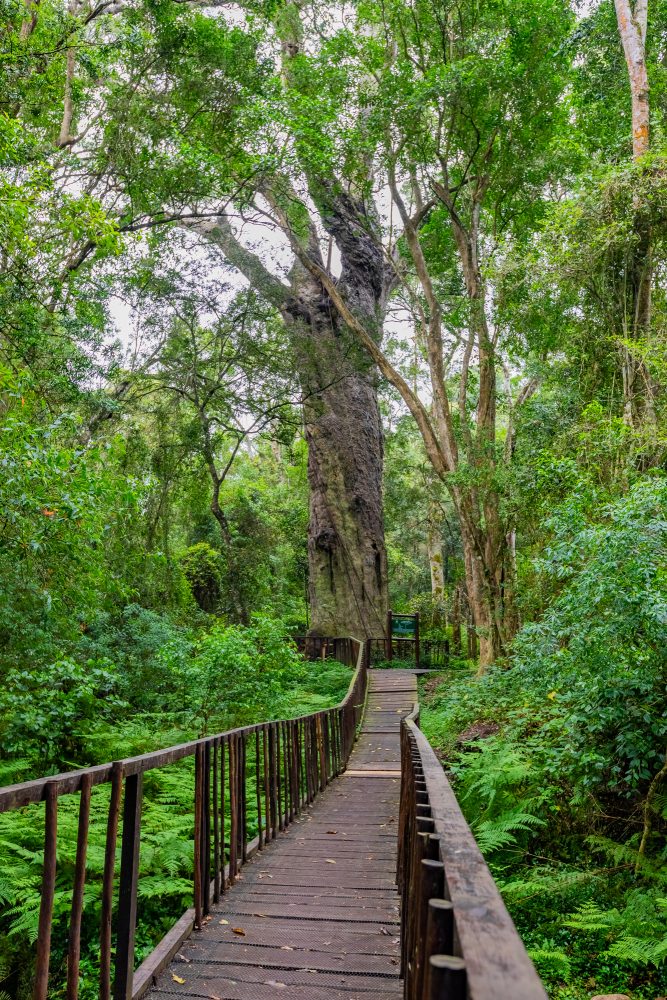
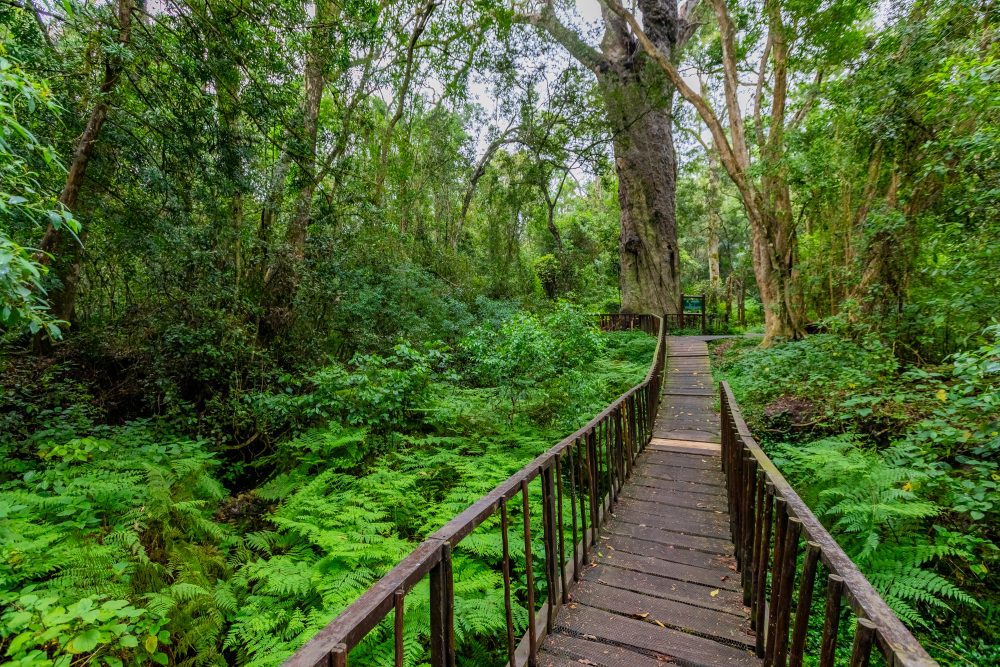
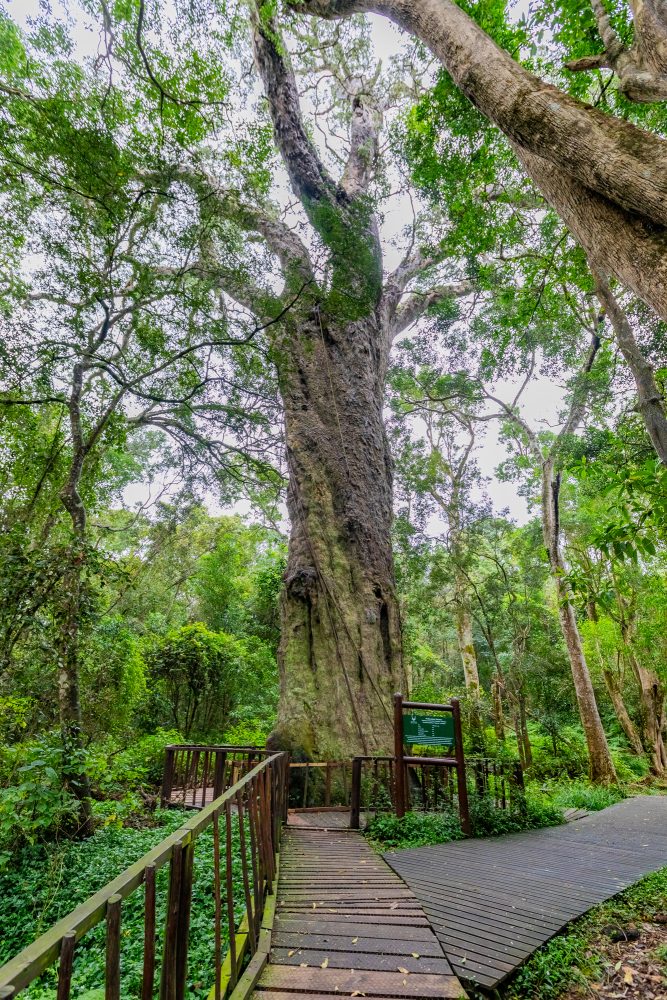


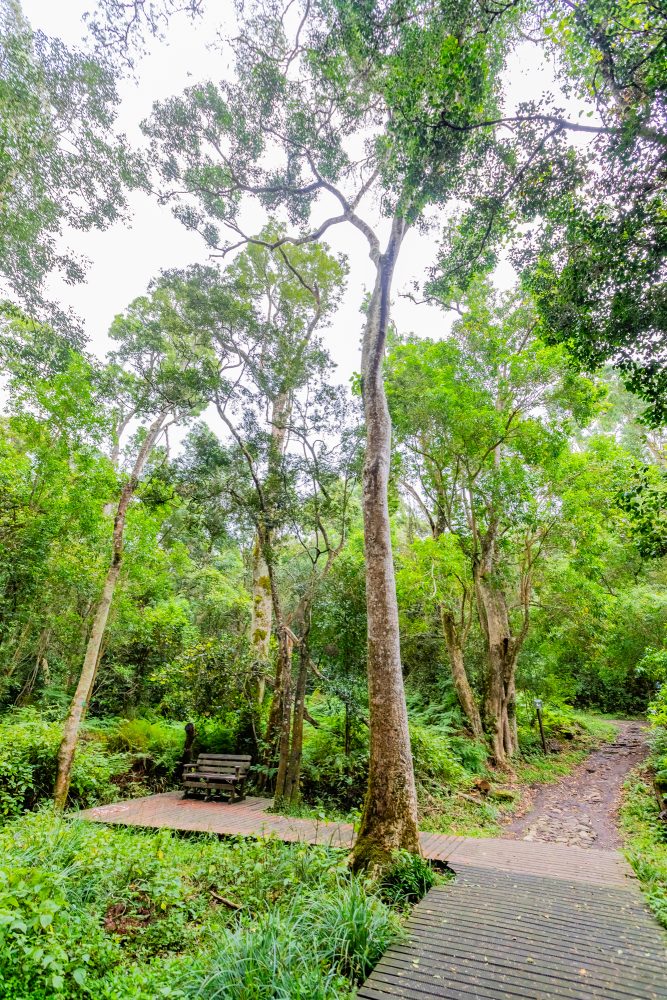
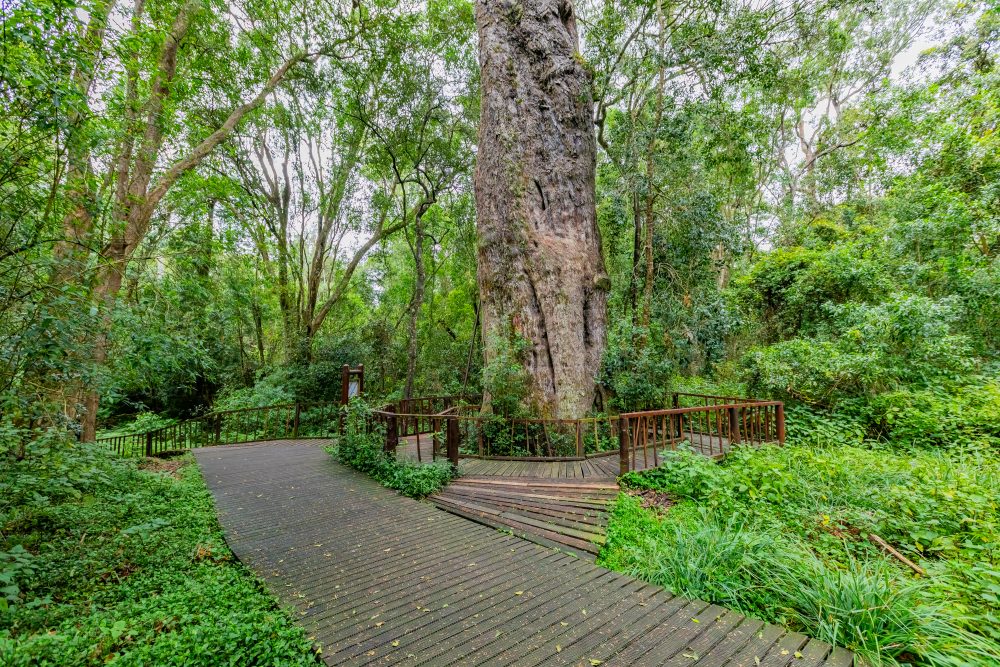

The Woodville Big Tree is located within a forested landscape of indigenous trees and shrubs, characteristic of the region’s temperate coastal climate. The surrounding area features fertile soils, small rivers, and streams, which support a rich biodiversity of flora and fauna. Its impressive size and prominent location make it a striking natural landmark visible across the surrounding terrain.
The Woodville Big Tree is not only an ecological marvel but also an important cultural and symbolic feature that represents the long-standing relationship between humans and the natural environment. Large, ancient trees have historically served as reference or landmark points for local communities (indigenous San and Khoikhoi peoples, as well as European settlers) through dense forests. They were further used as gathering points for social, ceremonial, or communal activities. Its age and size serve as a living connection to the past, offering insight into the historical landscapes that early communities would have known. Thus, such trees are sometimes associated with local folklore, storytelling, and cultural memory, acting as symbols of endurance, wisdom, and continuity in the landscape.
Today, the Woodville Big Tree continues to have cultural and educational significance. It draws visitors, naturalists, and researchers interested in South Africa’s indigenous flora, forest ecosystems, and conservation history. Preserving this tree is not significant for protecting a unique ecological specimen, but also because it provides a tangible link to the Garden Route’s cultural and environmental heritage, highlighting the importance of integrating natural landmarks into the broader narrative of human history in the region.
GPS Waypoints: 33°56'03.2"S 22°38'43.1"E