South Cave
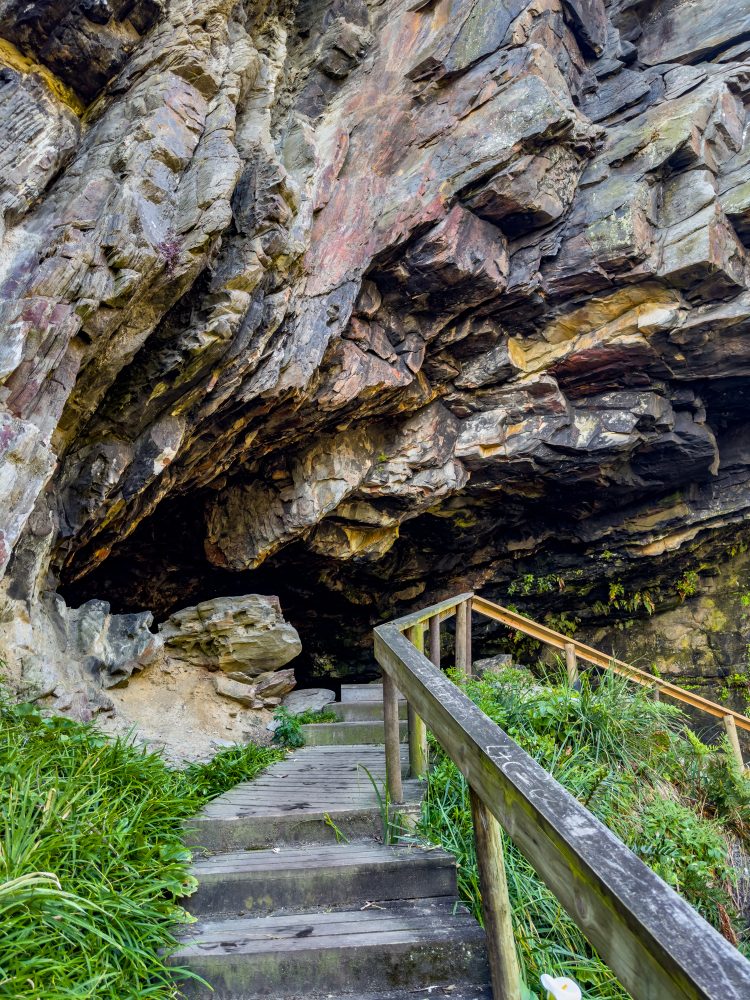
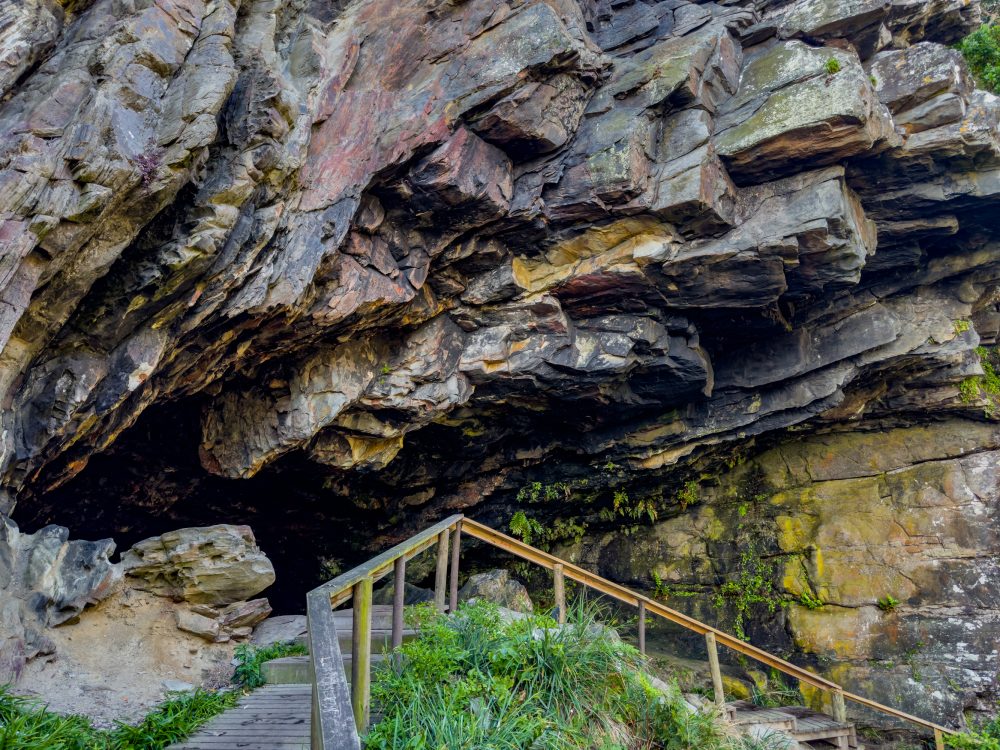
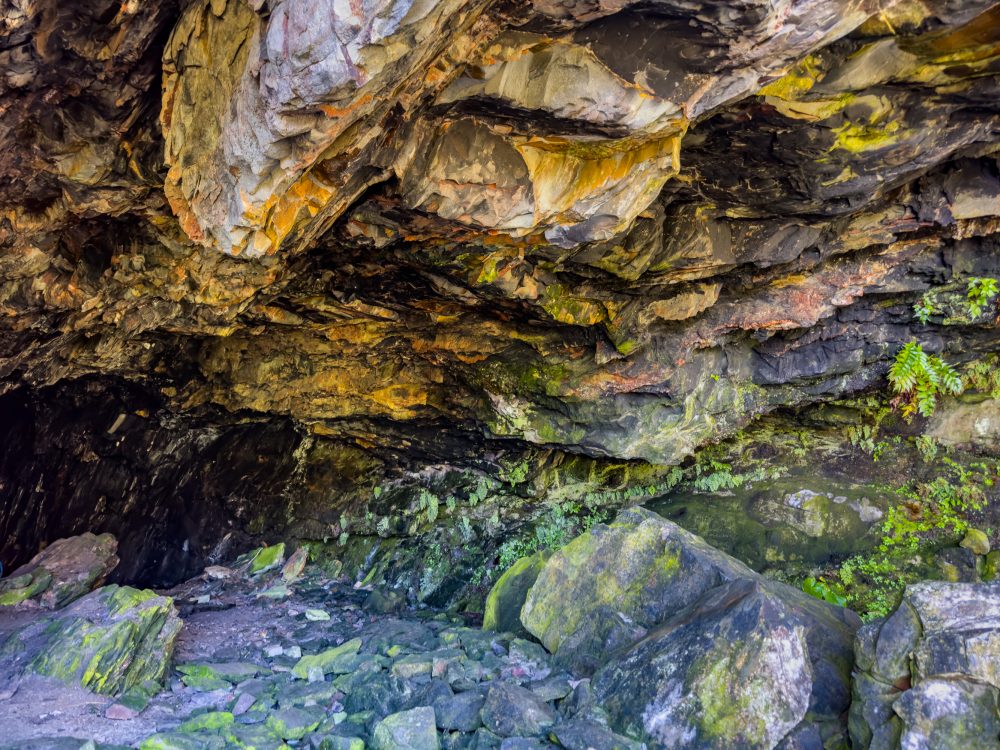
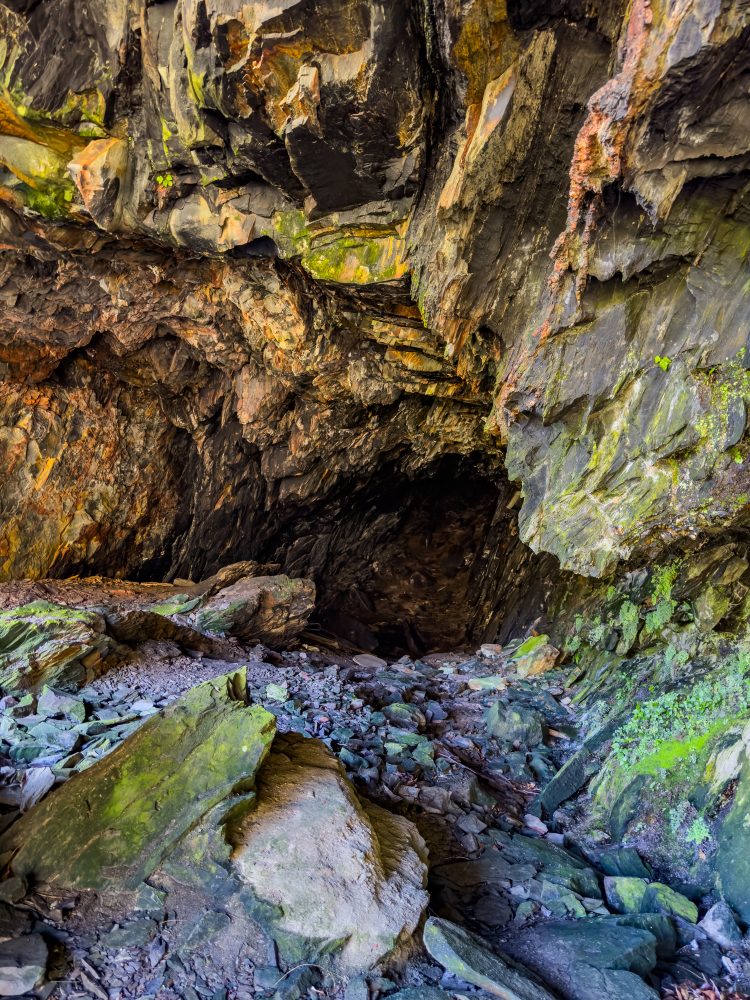
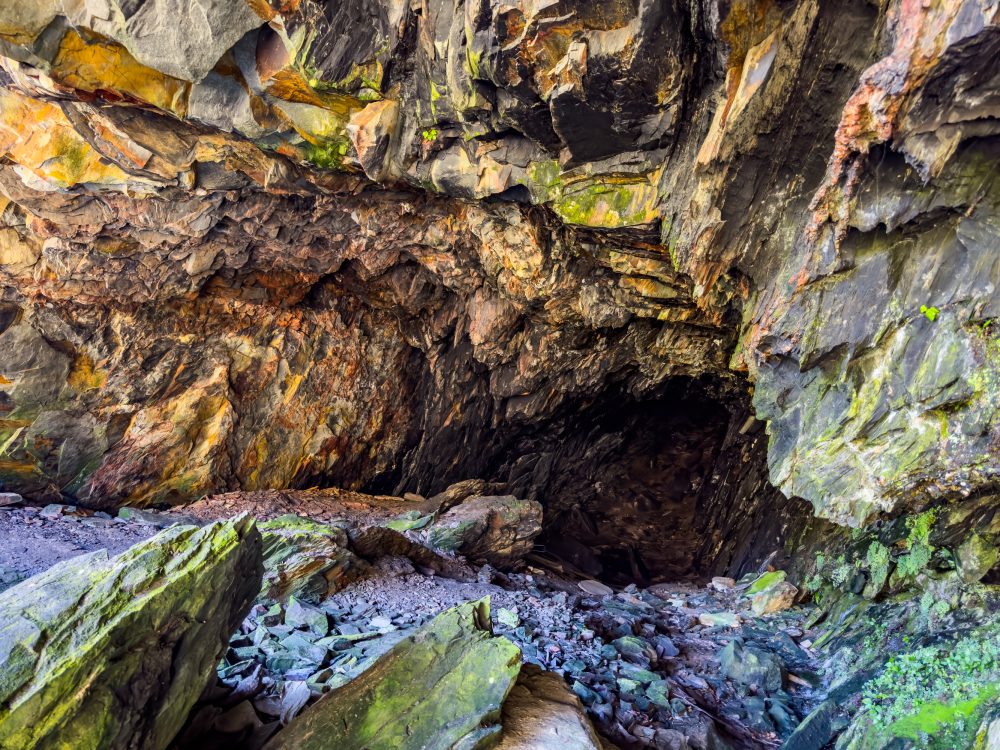
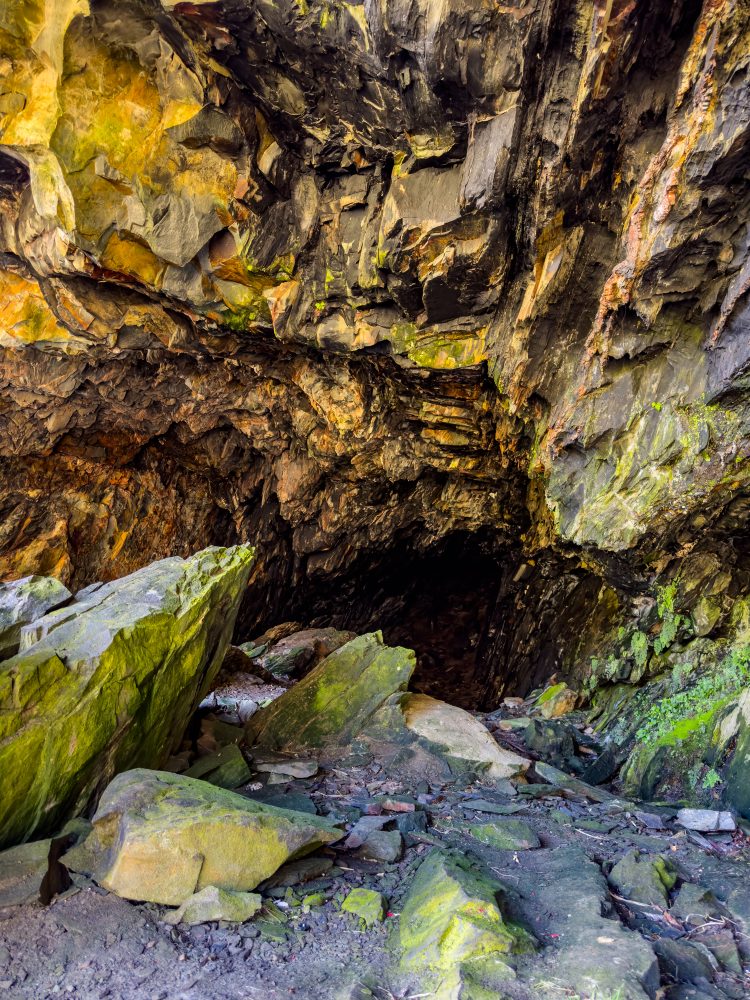
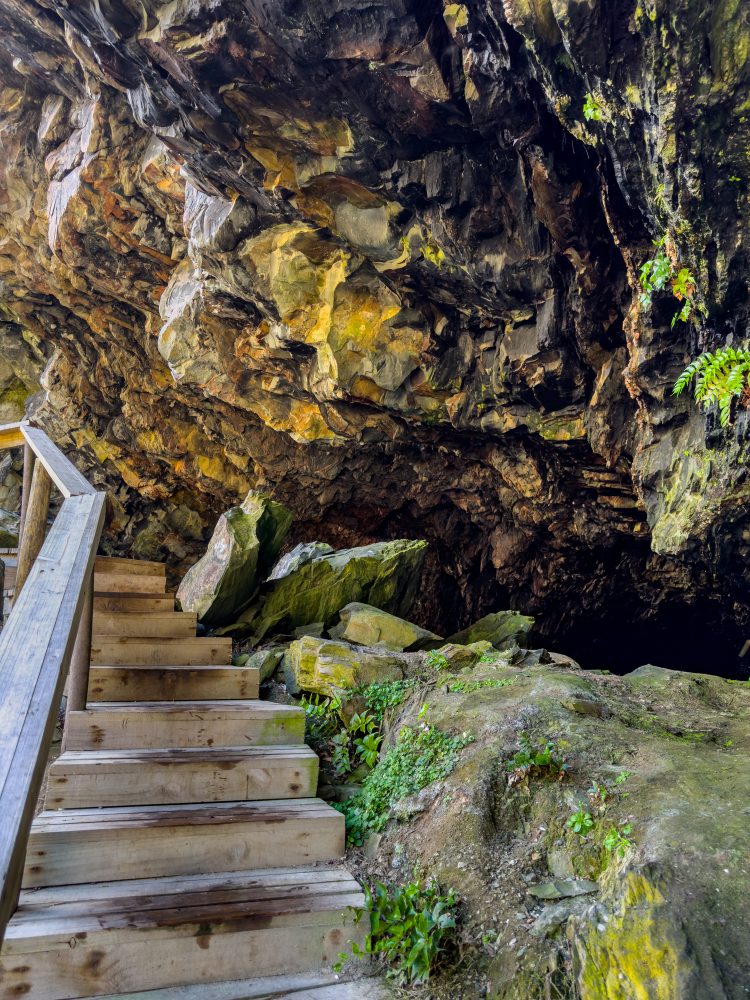
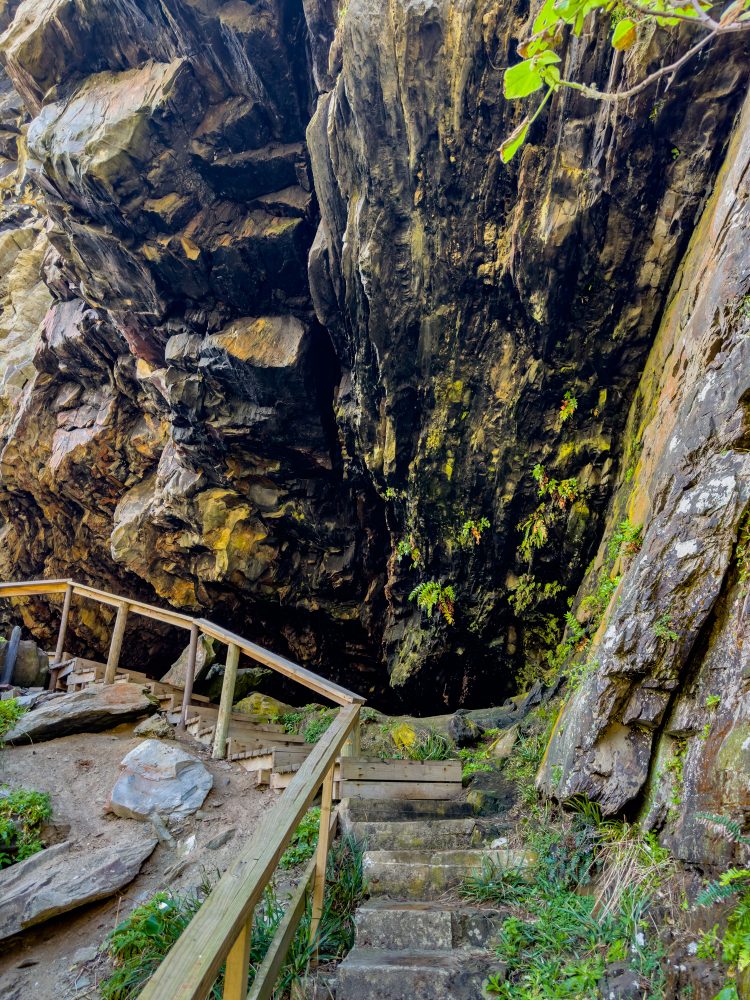
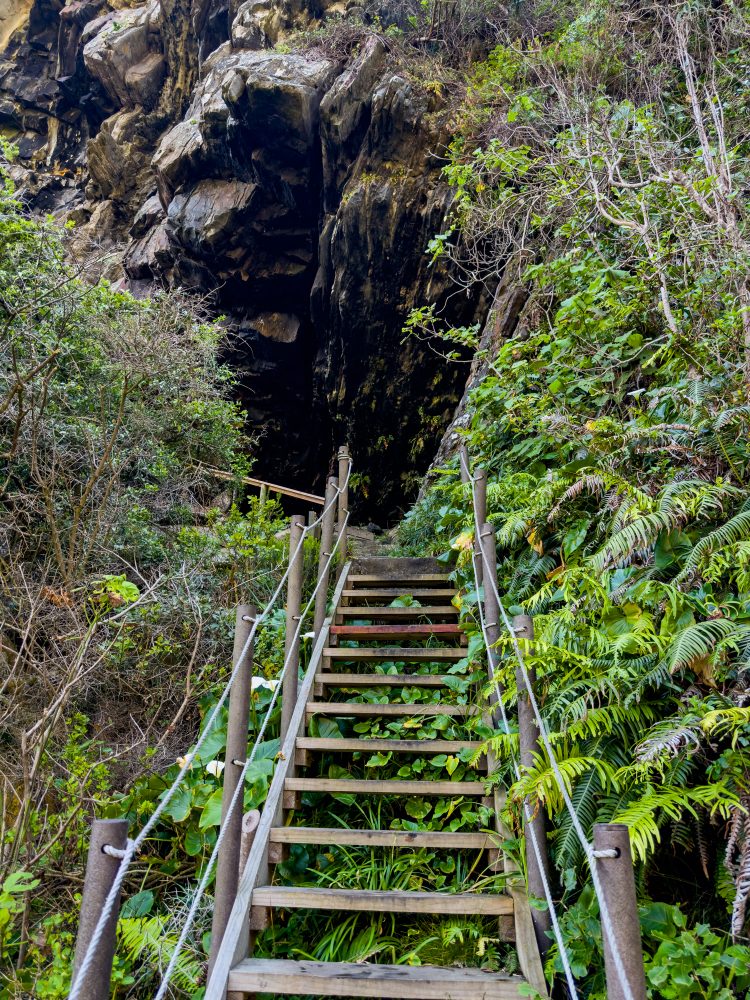
The South Cave is situated near the mouth of the Storms River along the coastline, within the rocky cliffs and coastal landscapes of the Storms River Mouth area. The site lies in a dramatic natural setting of steep cliffs, indigenous coastal forest, and the Indian Ocean shoreline. The cave forms part of the rugged coastal terrain that historically provided access to both marine and terrestrial resources. Its sheltered position would have made it a suitable temporary habitation site for early communities moving through the area.
The South Cave is archaeologically significant as it preserves evidence of early human occupation along the southern Cape coast. Investigations have uncovered stone tools, shell remains, and other cultural materials that indicate the use of the cave by San and Khoikhoi communities over extended periods. These findings assist to reconstruct patterns of seasonal movement, resource use, and settlement along the coastline, providing an important insight into the subsistence strategies of these groups, particularly their use of coastal resources. The site also contributes to the broader understanding of how indigenous communities adapted to coastal environments. Such sites demonstrate the long-standing relationship between the San and Khoikhoi people and the coastal landscape, highlighting their knowledge of local ecosystems and sustainable resource practices.
In addition, the cave forms part of a network of archaeological sites along the southern Cape that collectively document thousands of years of human presence in the region. As such, it is an important cultural heritage resource that contributes to the study of early human history, indigenous lifeways, and the cultural legacy of the San and Khoikhoi people in South Africa.
GPS Waypoints: 34°01'08.4"S 23°54'13.9"E