Guano Cave
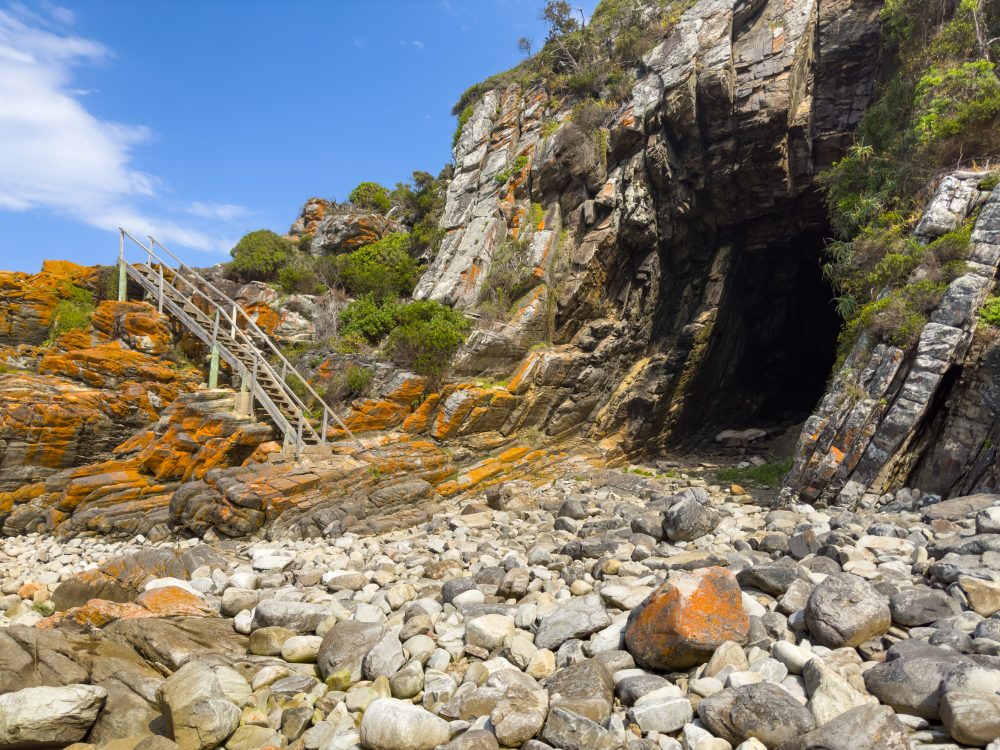
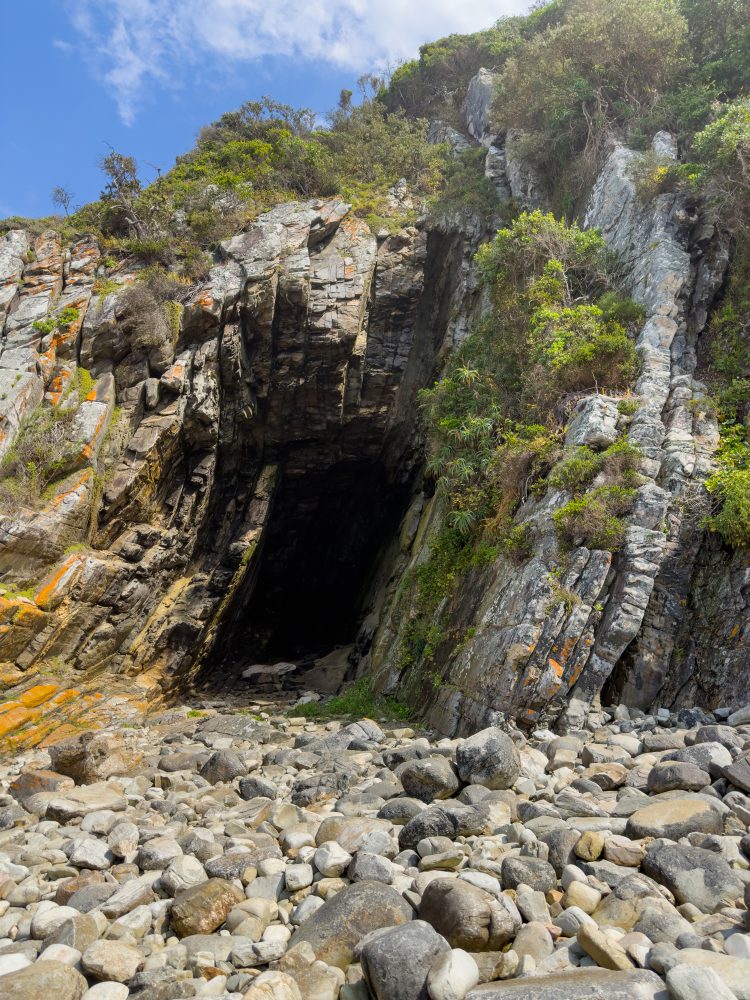
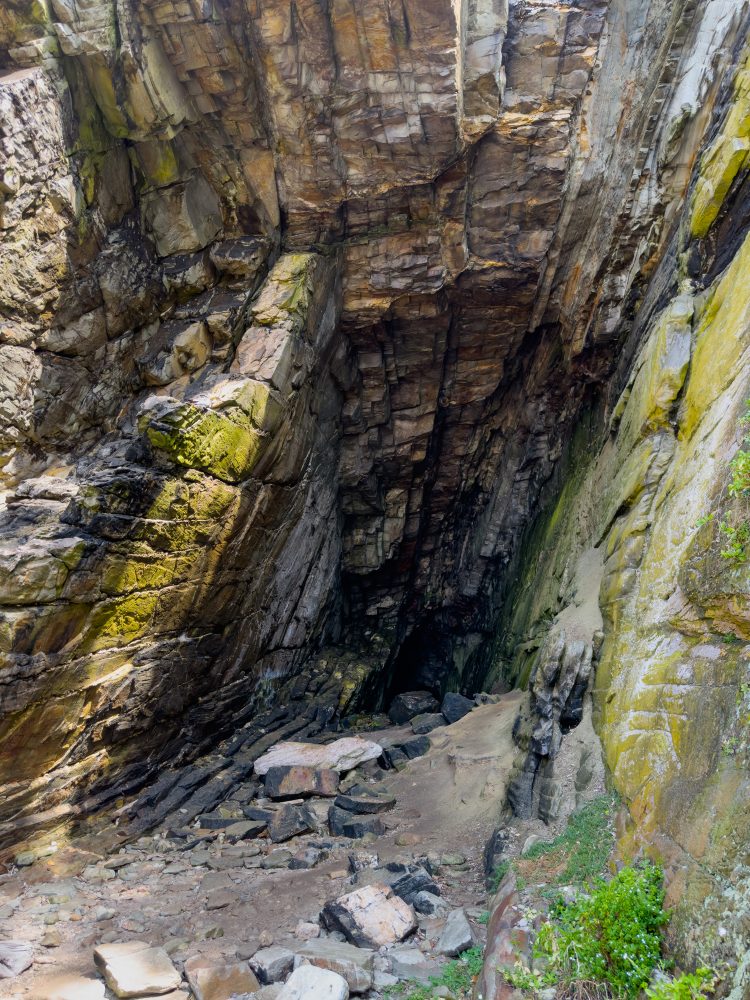
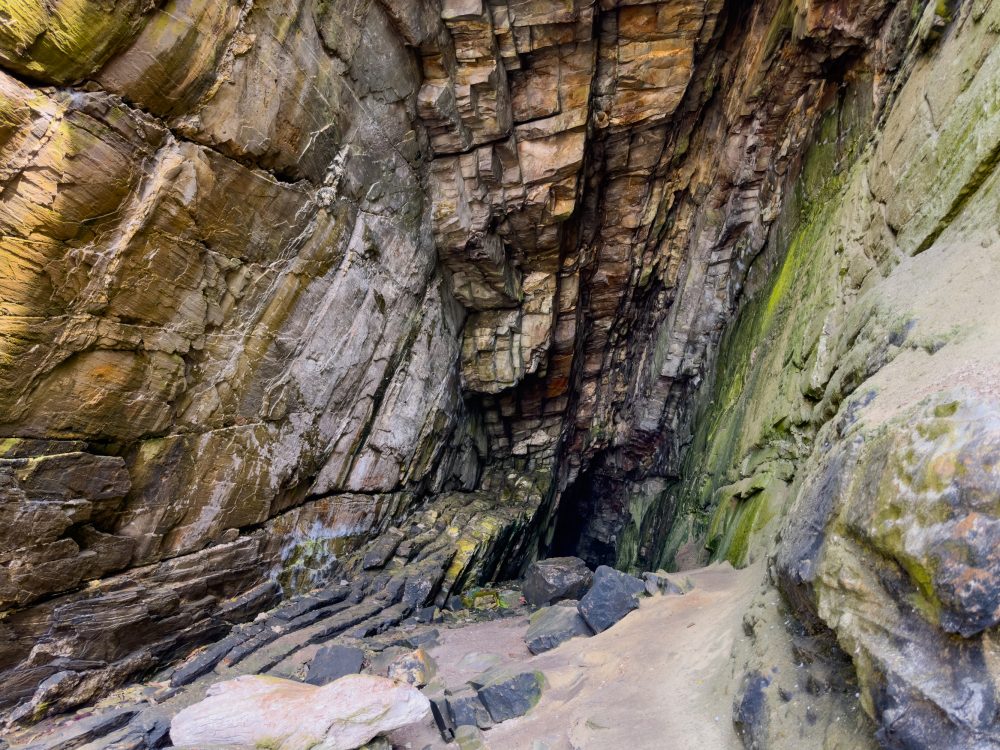
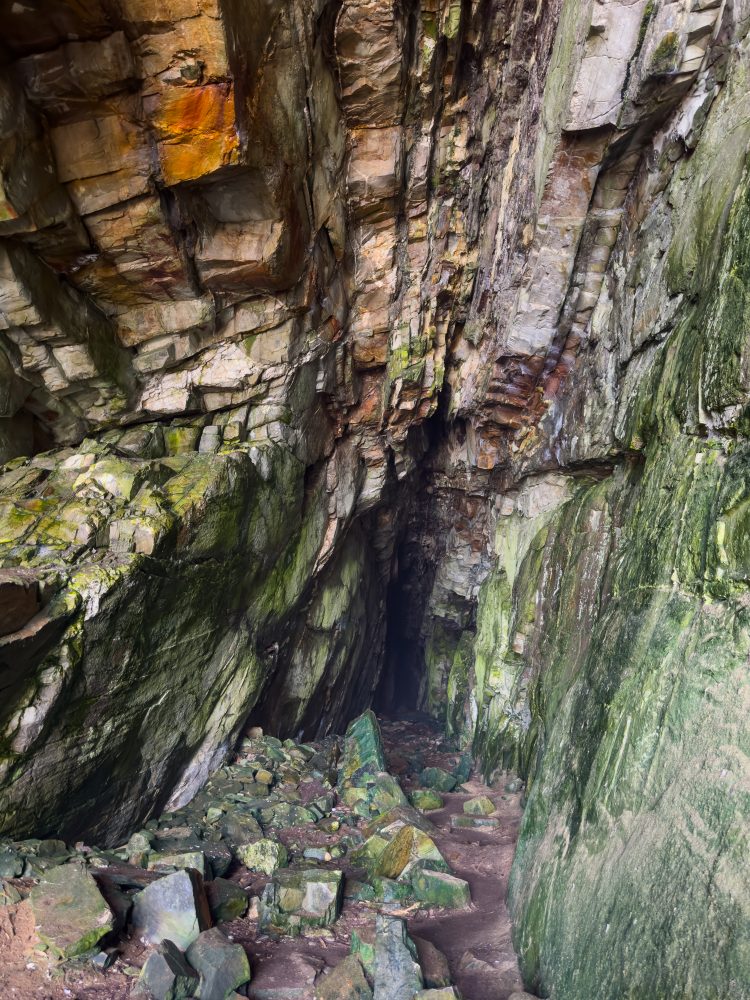
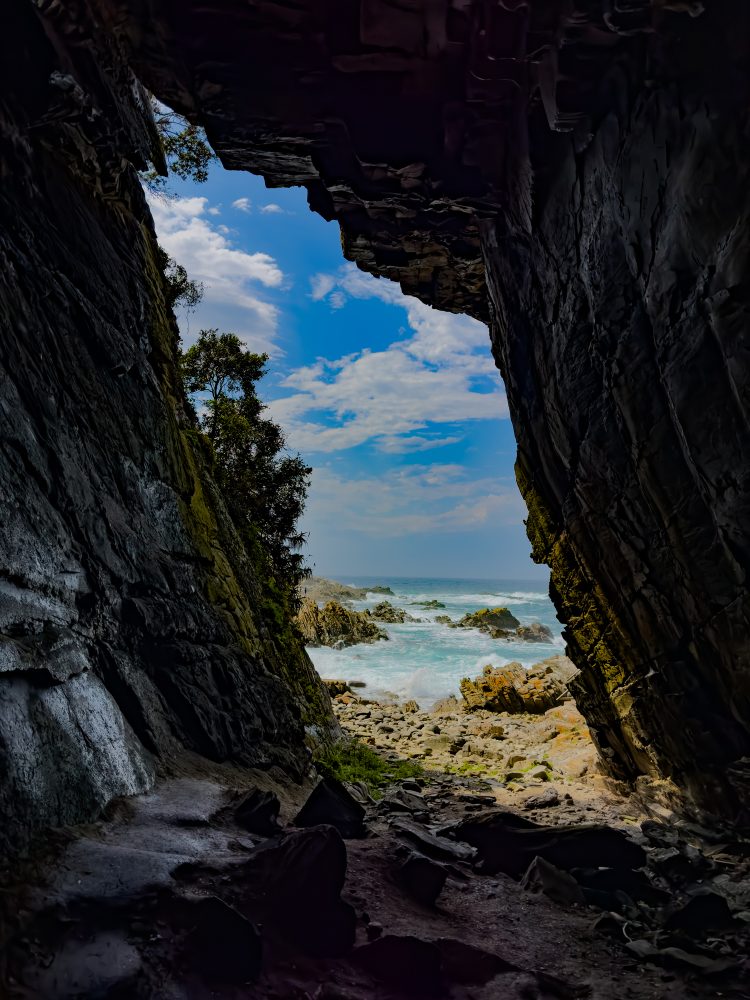
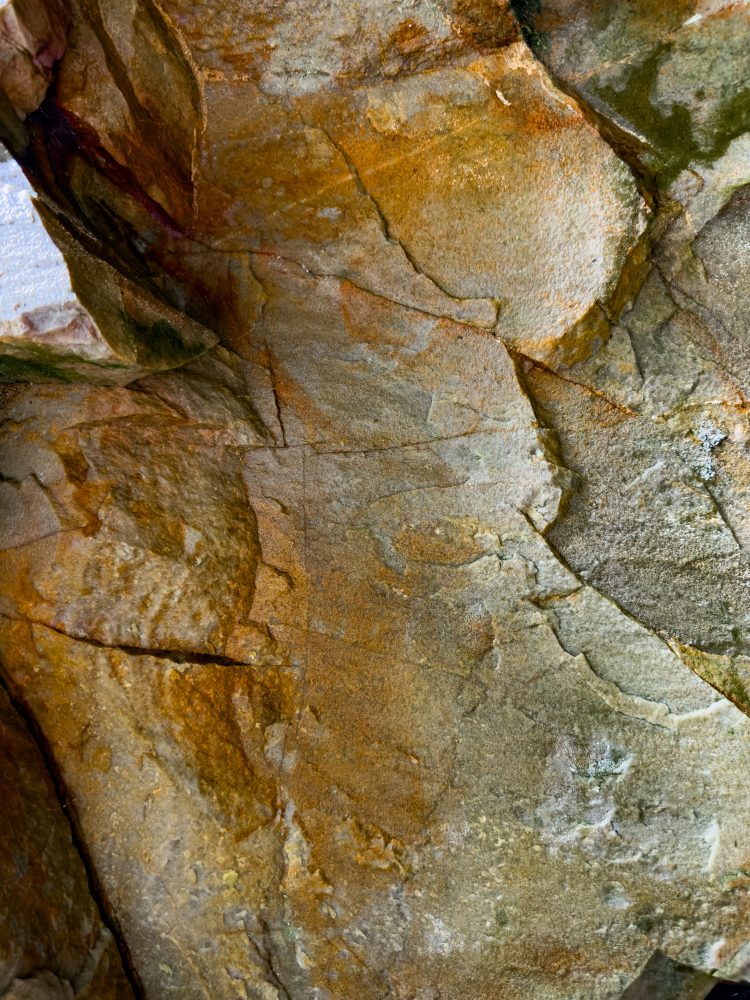
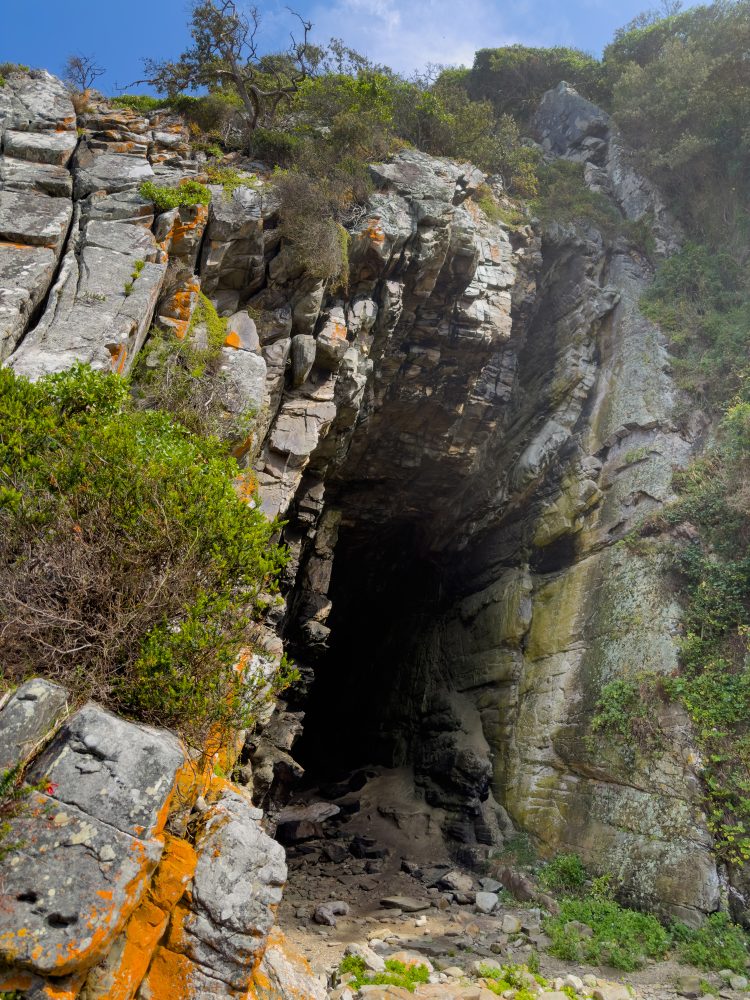
The Guano Cave is located along the famous Otter Trail, a hiking route that follows the dramatic coastal landscape. This cave is found near the Storms River Mouth within the Tsitsikamma Section of the Garden Route National Park. The cave is positioned within the steep coastal cliffs overlooking the Indian Ocean and is surrounded by dense indigenous forest, rocky shoreline, and rugged terrain characteristic of the Tsitsikamma coastline. Its sheltered interior and elevated position above the shoreline provide protection from harsh coastal weather while offering access to nearby marine and forest resources.
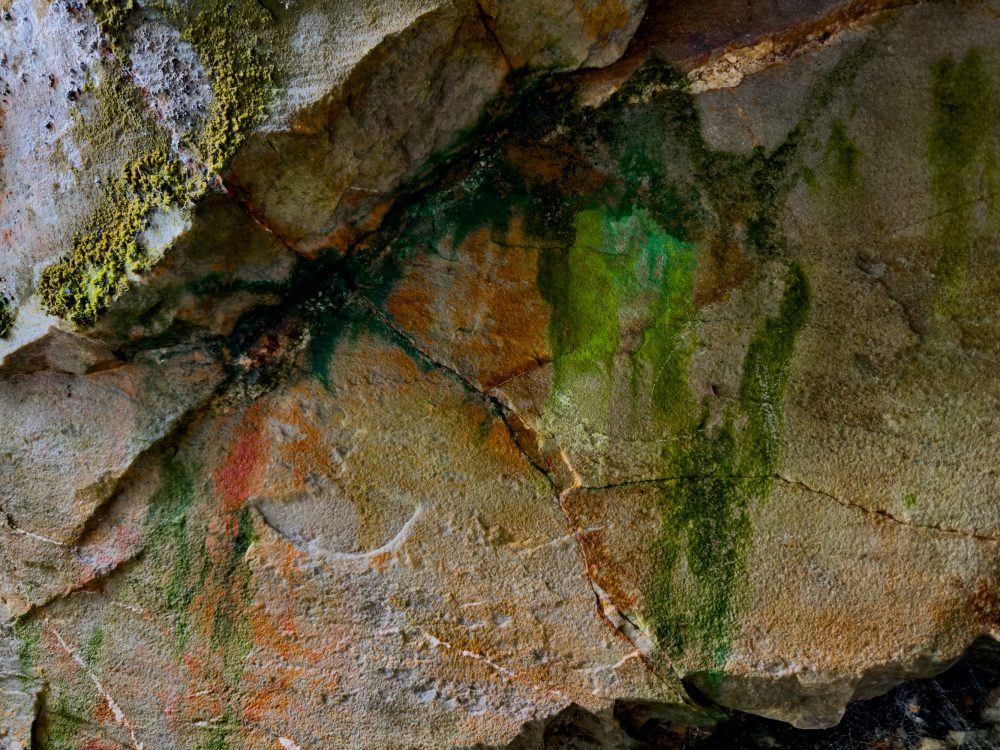
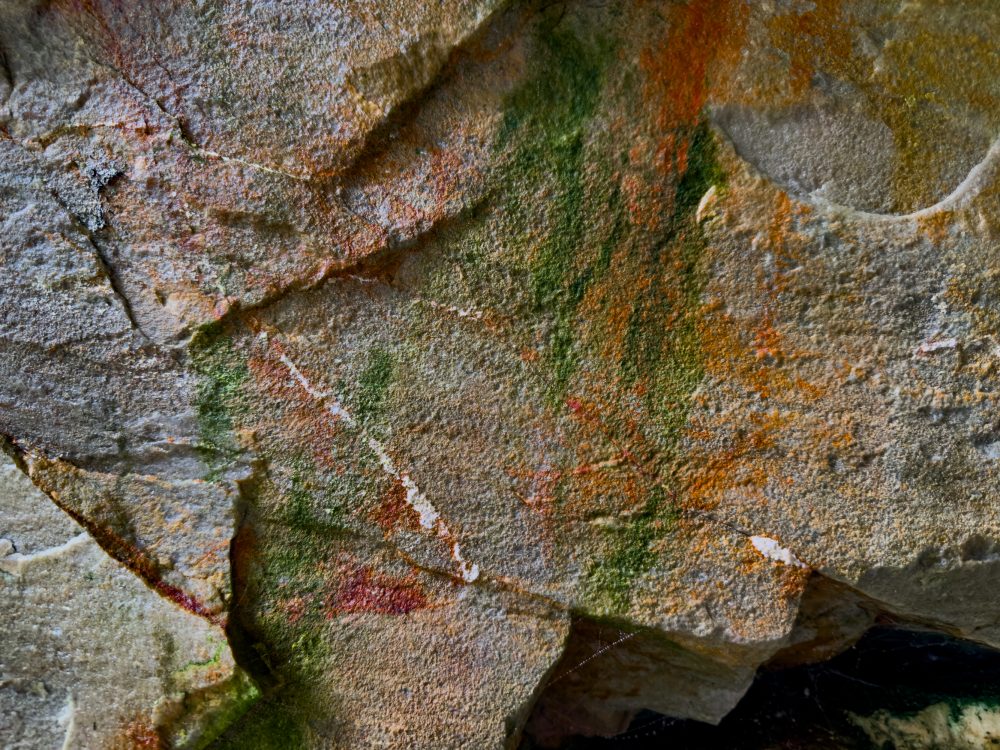
Guano Cave is archaeologically important due to evidence of early human use and the presence of accumulated guano deposits from bat. Archaeological findings in and around the cave include stone tools and other remnants of human activity associated with the Khoi and San peoples who once inhabited the region. These remains indicated that the cave may have served as a shelter or activity site for communities moving along the coast. The cave’s guano deposits also provide valuable environmental and archaeological information. Layers of guano can preserve organic material and help researchers understand past ecological conditions, climate patterns, and human interactions with the landscape over long periods of time. Such deposits may contain traces of plant material, insects, and other biological remains that contribute to reconstructing the environmental history of the area.
As part of the broader network of archaeological sites along the Tsitsikamma coastline, Guano Cave contributes to the understanding of long-term human occupation and the ways in which early indigenous communities adapted to coastal environments. The site therefore holds heritage value as a record of the cultural and environmental history of the region.
GPS Waypoints: 34°01'11.9"S 23°51'59.0"E