Cape Agulhas Lighthouse
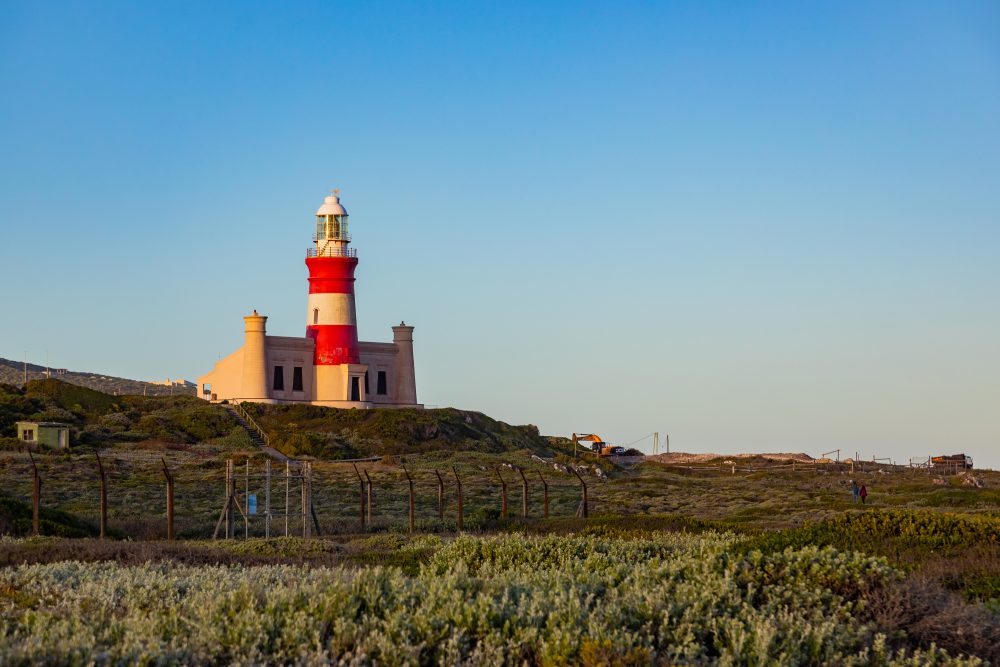
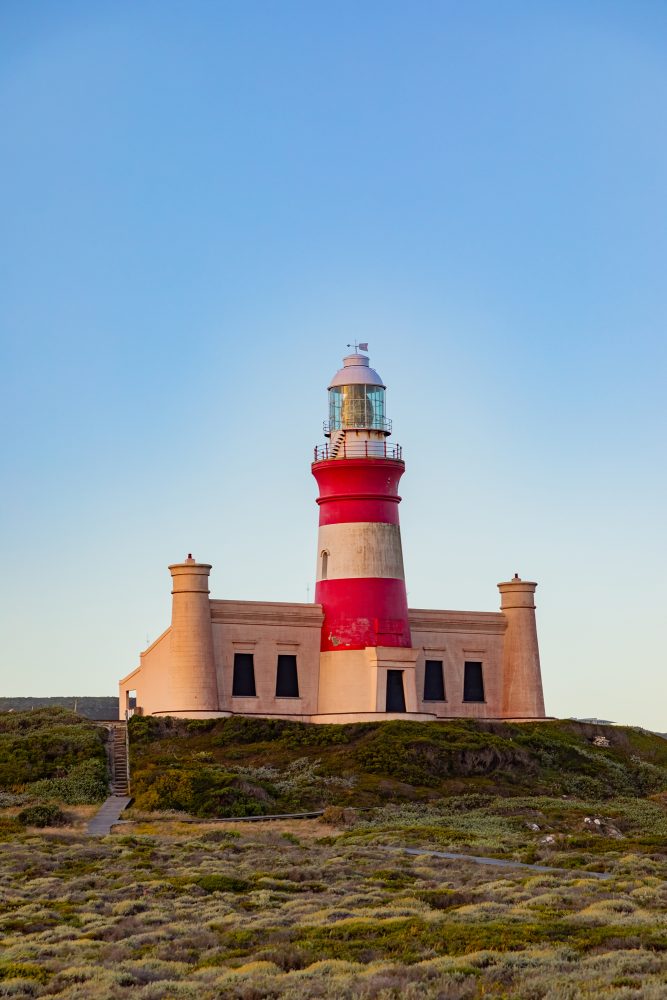
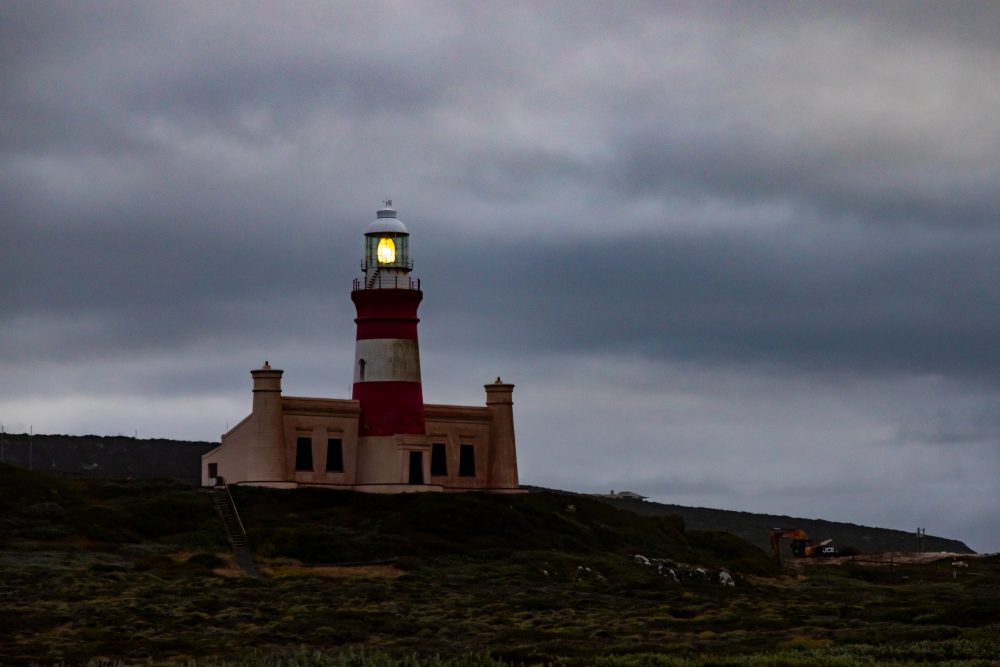
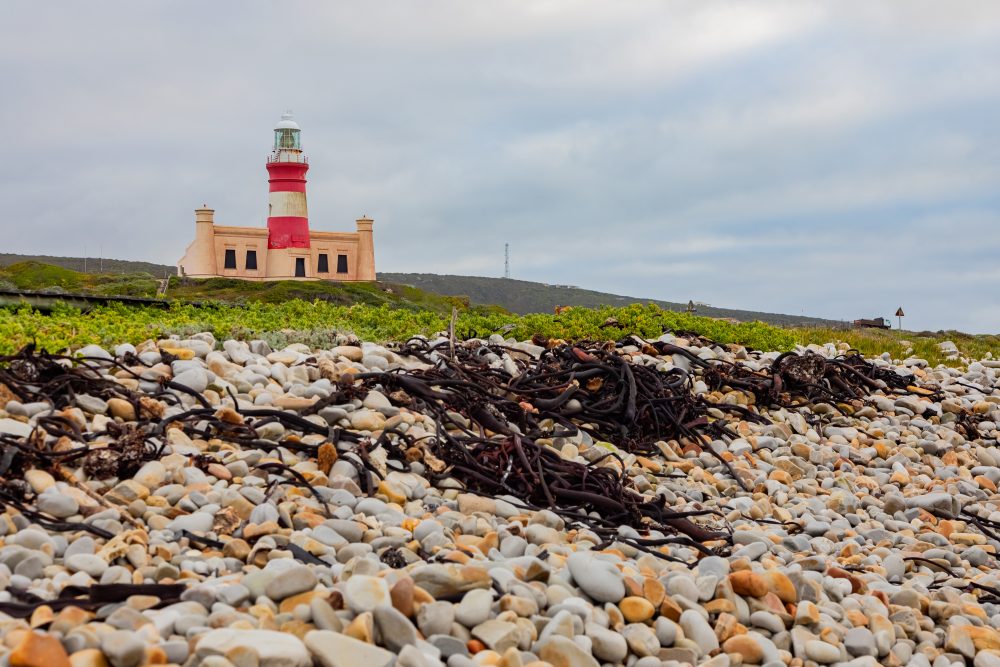
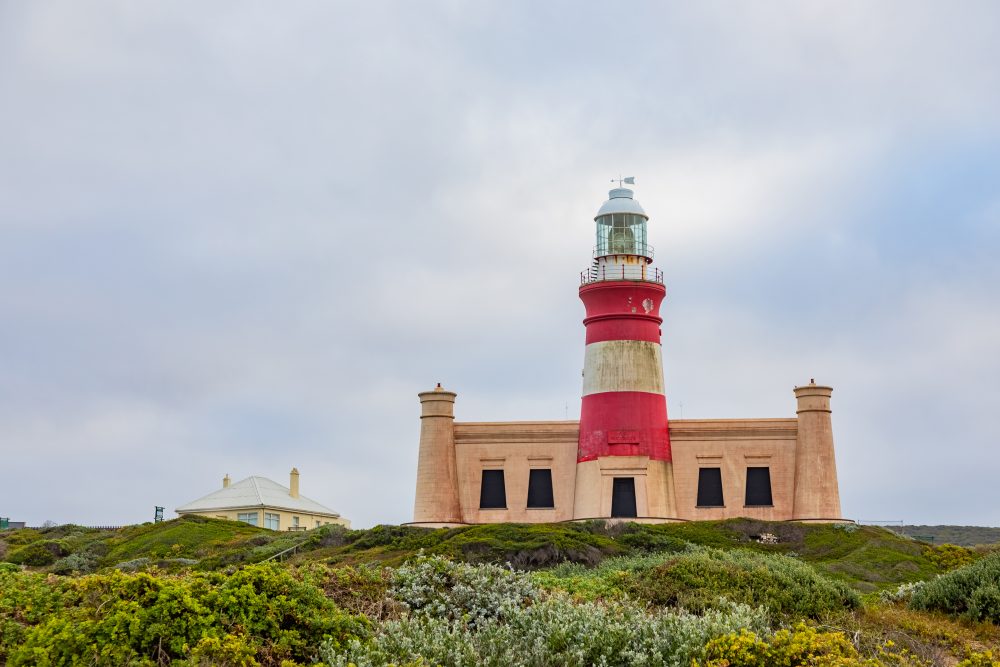
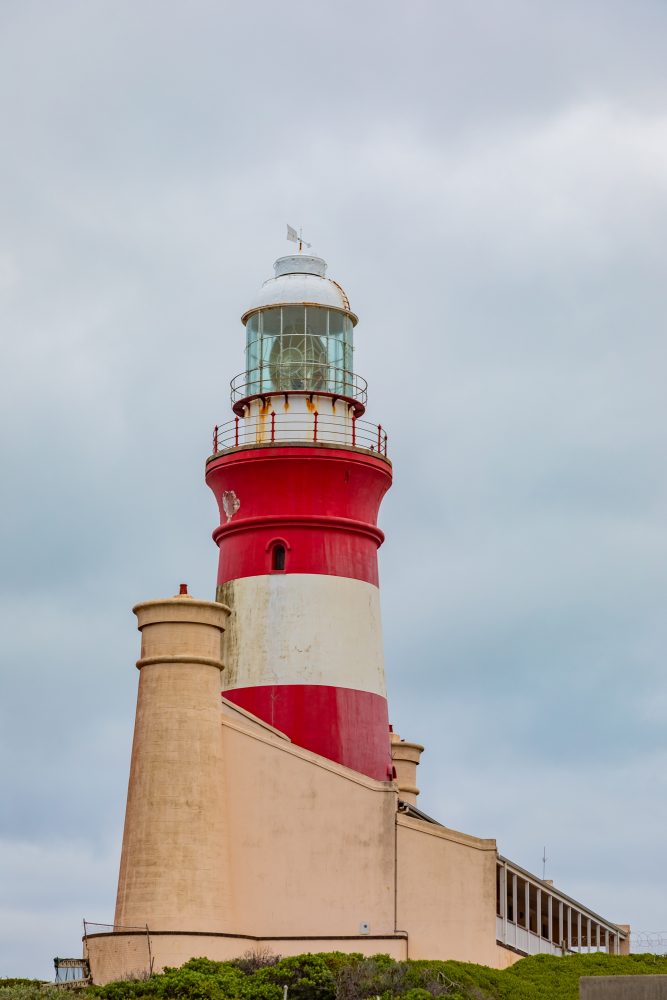
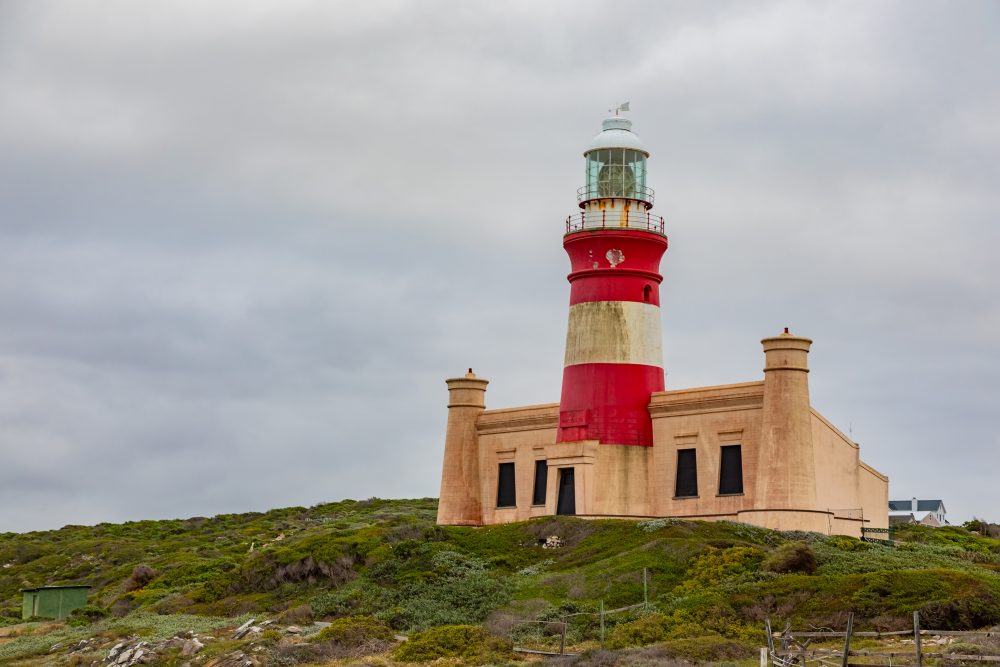
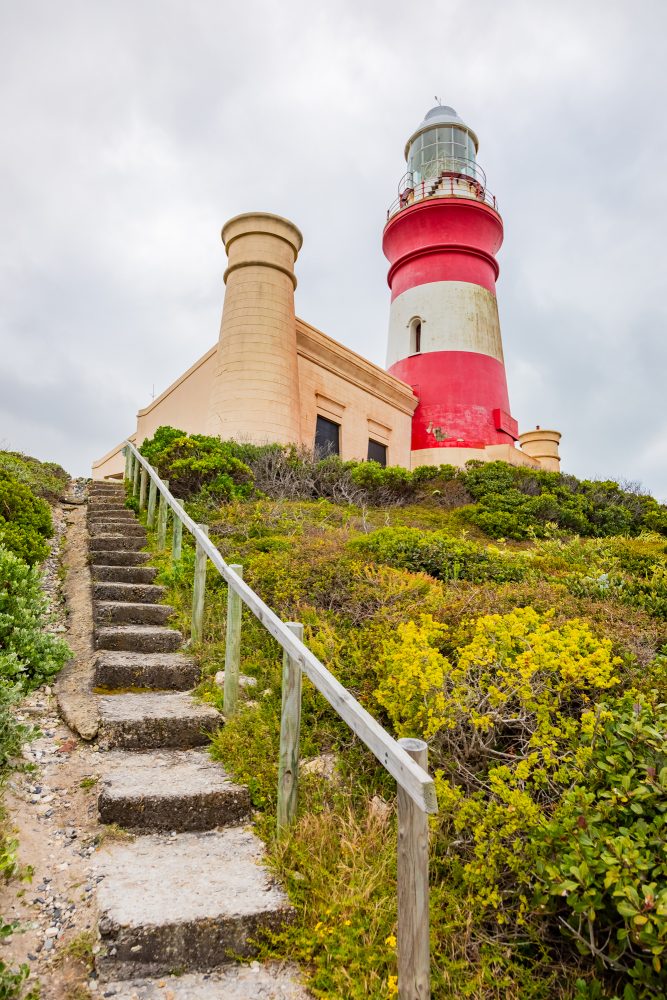
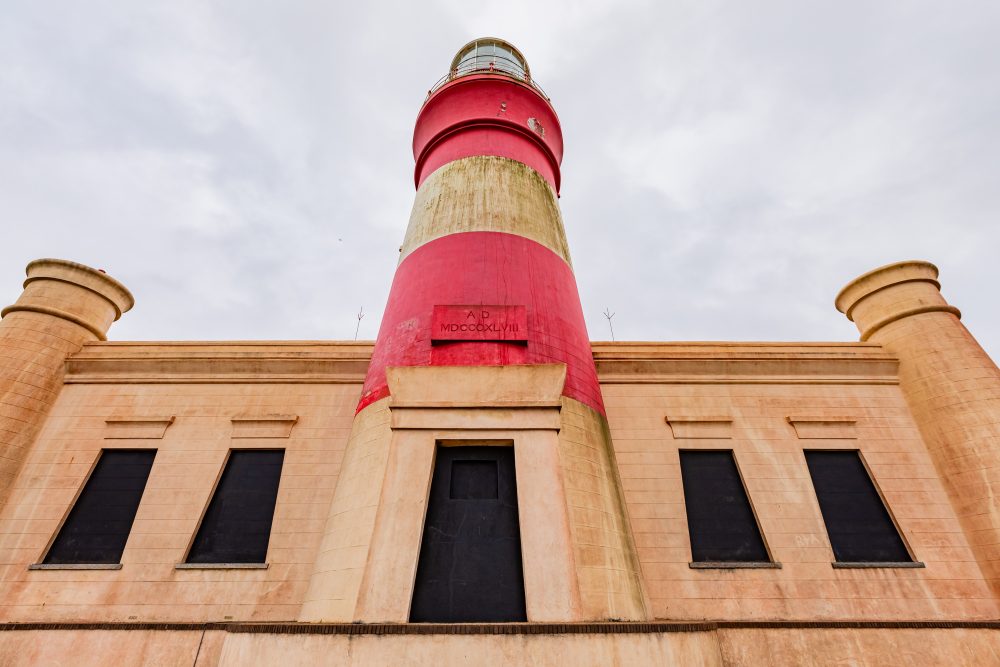
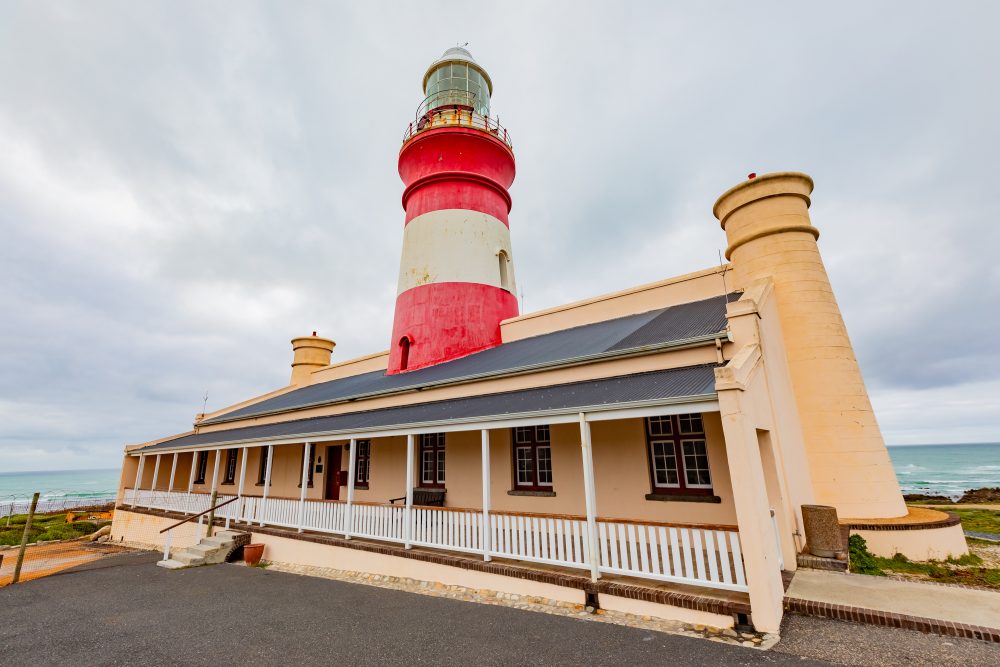
The Cape Agulhas Lighthouse stands at the southernmost tip of the African continent, a short distance east of the town of L’Agulhas. It occupies a prominent rise overlooking the meeting point of the Atlantic and Indian Oceans. The position of the Cape Agulhas Lighthouse marks a critical waypoint on one of the world’s most historically significant and challenging maritime routes. The building serves as a central landmark for visitors traveling to the southern edge of the continent. The lighthouse was constructed using locally quarried limestone, a readily available material that reflects the geological heritage of the surrounding landscape. These coastal limestone deposits were formed through the accumulation and cementation of marine sediments, shells, and coral fragments over millennia, contributing to the distinctive pale coloration of both the natural cliffs and the lighthouse structure.
The surrounding environment is defined by rugged coastal terrain shaped by centuries of powerful marine and atmospheric forces. The lighthouse overlooks a shoreline characterised by jagged dolerite and limestone outcrops, low-lying fynbos vegetation, and expansive beaches. Cape Agulhas is well known for its unpredictable weather patterns, strong winds, and the dynamic confluence of warm Agulhas and cold Benguela currents offshore. These environmental conditions have historically posed severe navigational hazards, contributing to numerous shipwrecks along this treacherous stretch of coast.
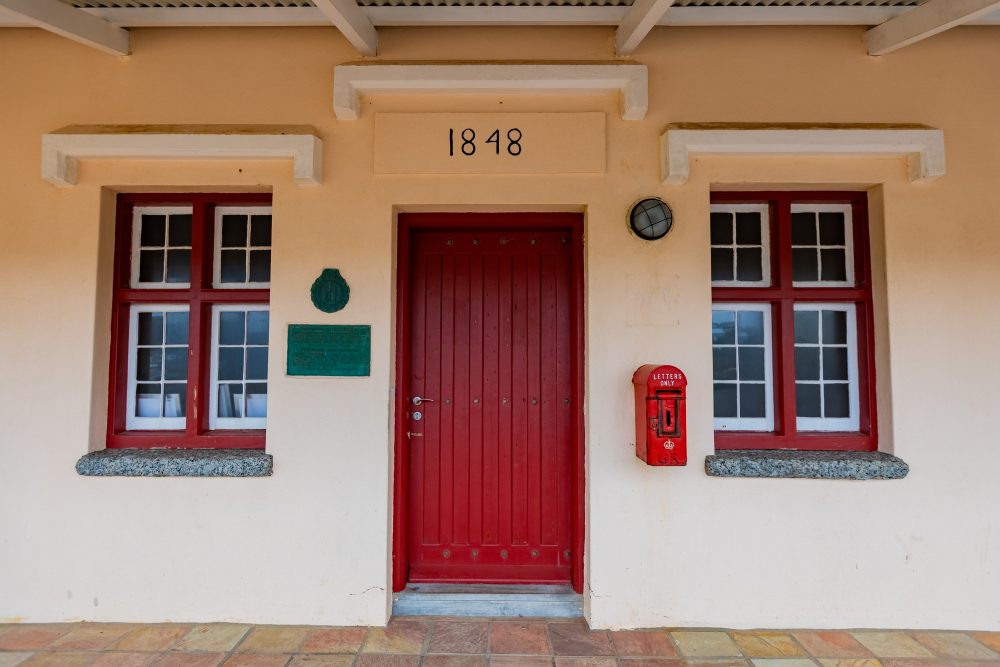
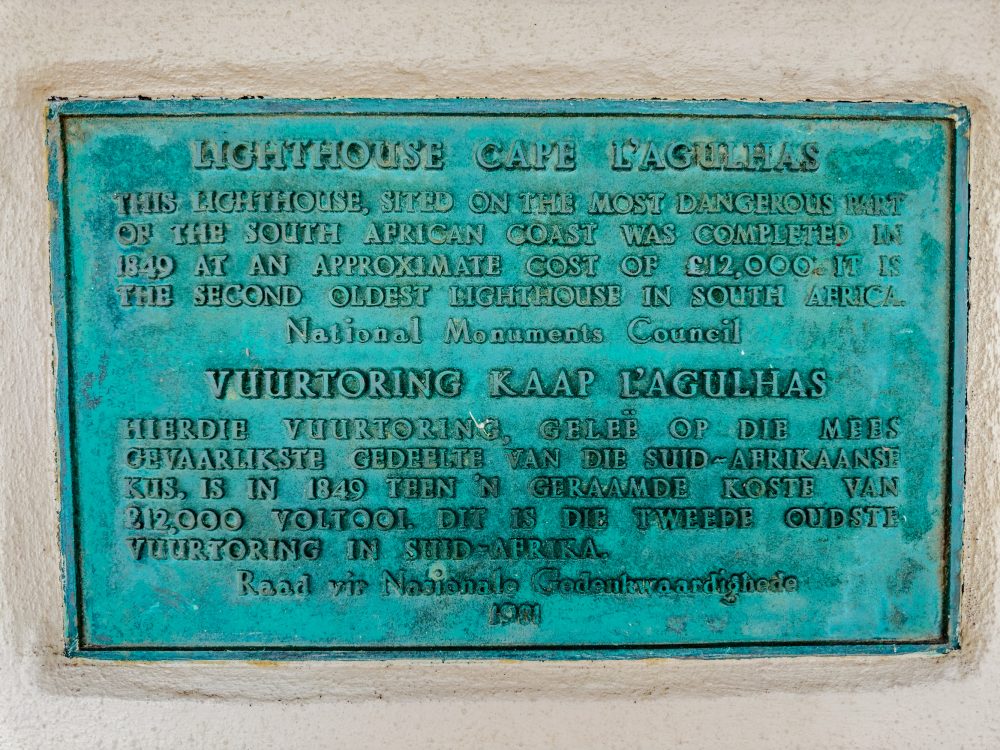
The Cape Agulhas Lighthouse holds exceptional cultural, technological, and maritime significance. Built in 1848 and first lit in 1849, it is the second-oldest working lighthouse in southern Africa, created to support early explorers and mariners navigating the hazardous waters around the southern tip of the continent. The lighthouse embodies 19th-century engineering ingenuity, originally fuelled by whale oil and later modernised with electric lighting technologies.
Its construction marked a pivotal moment in South Africa’s maritime safety history, providing a beacon of stability along a coastline long associated with shipwrecks and perilous navigation. Over time, the lighthouse became a symbol of endurance and guidance, integral to the identity of the Agulhas region.
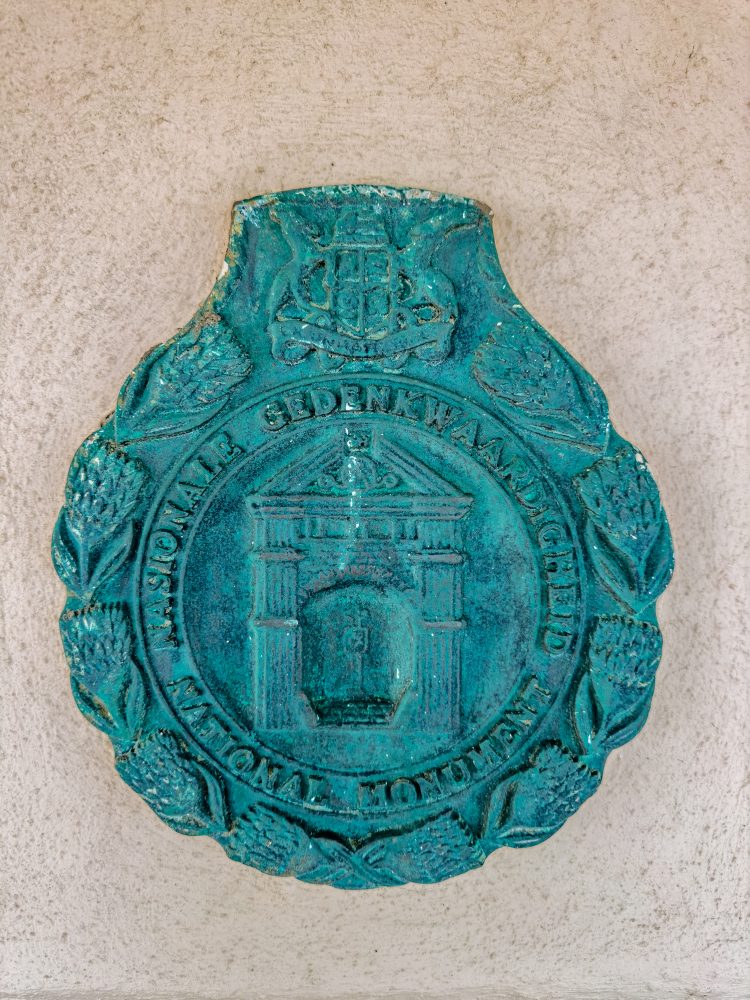
In recognition of its heritage value, the structure was declared a National Monument in 1973 and converted into a museum that interprets the natural, cultural, and nautical history of the Cape. Further emphasising its engineering importance, the lighthouse was designated an International Historic Civil Engineering Landmark in 2016, placing it among globally esteemed works of civil infrastructure. Today, it continues to function both as a navigational aid and a cultural landmark, attracting visitors who seek to experience the unique meeting point of history, geology, and the sea.
GPS Waypoints: 34°49'45.6"S 20°00'32.5"E