Spoeg River Caves and Shell Middens

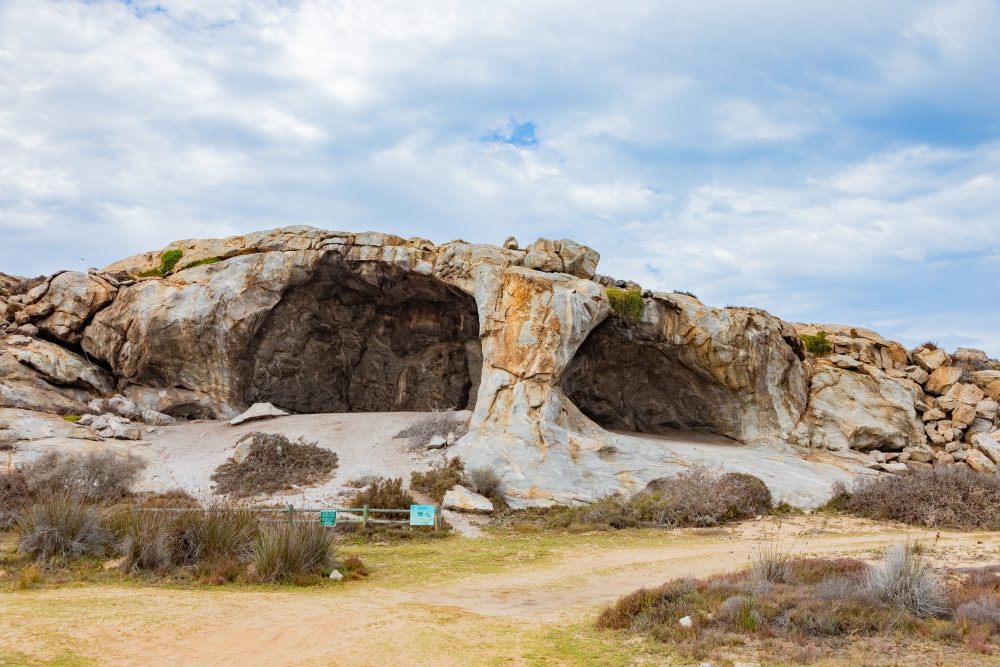
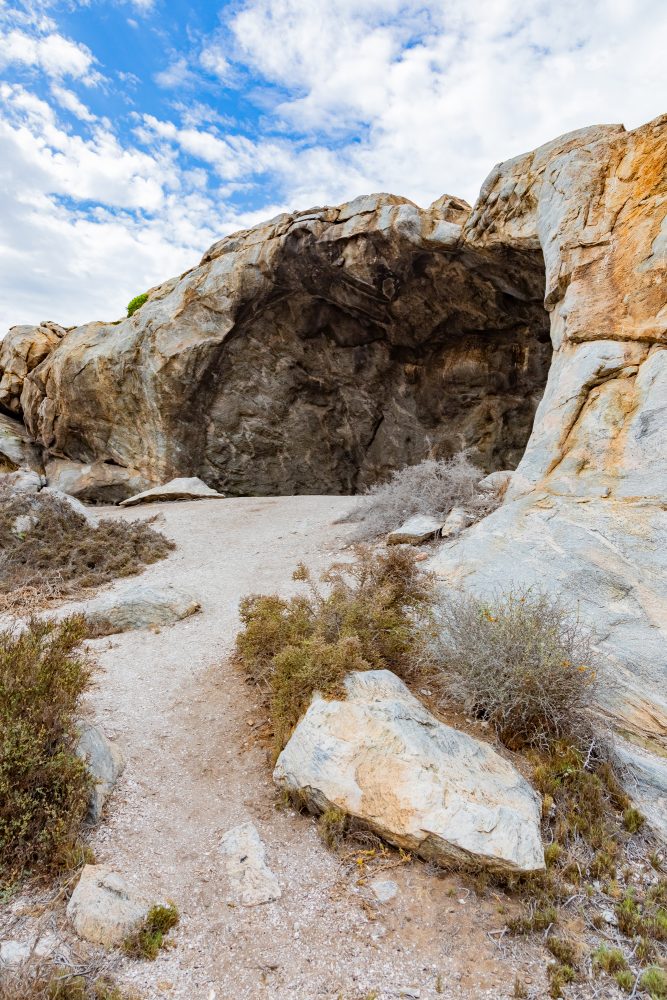
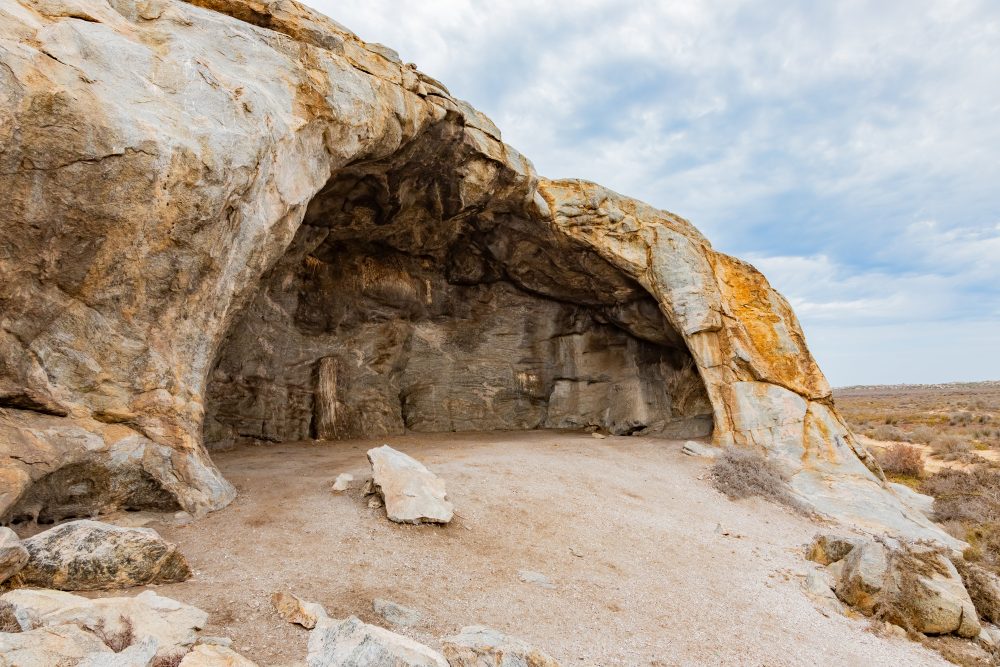
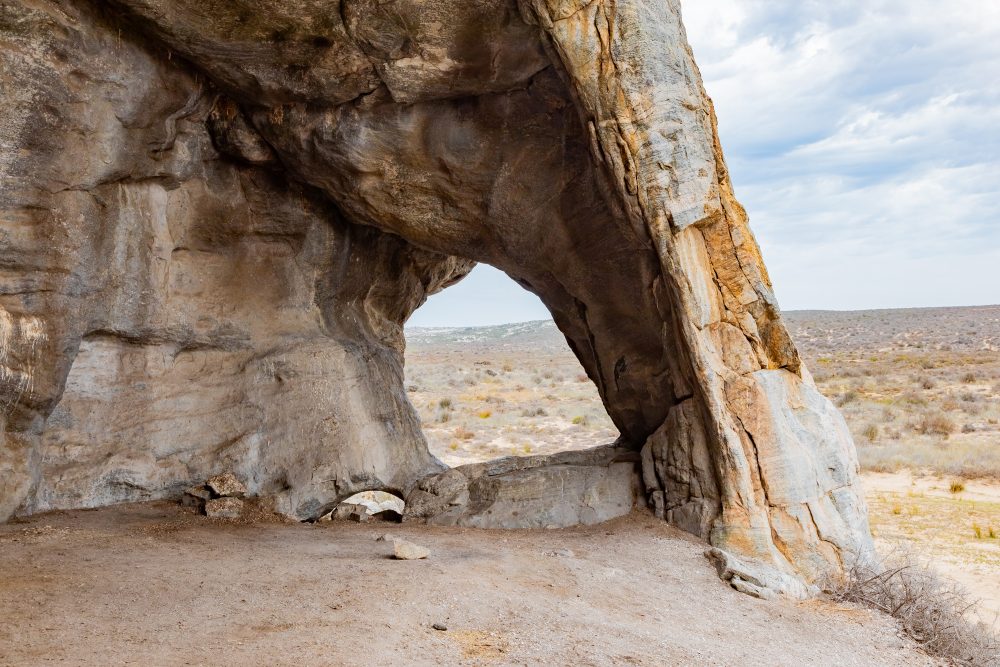
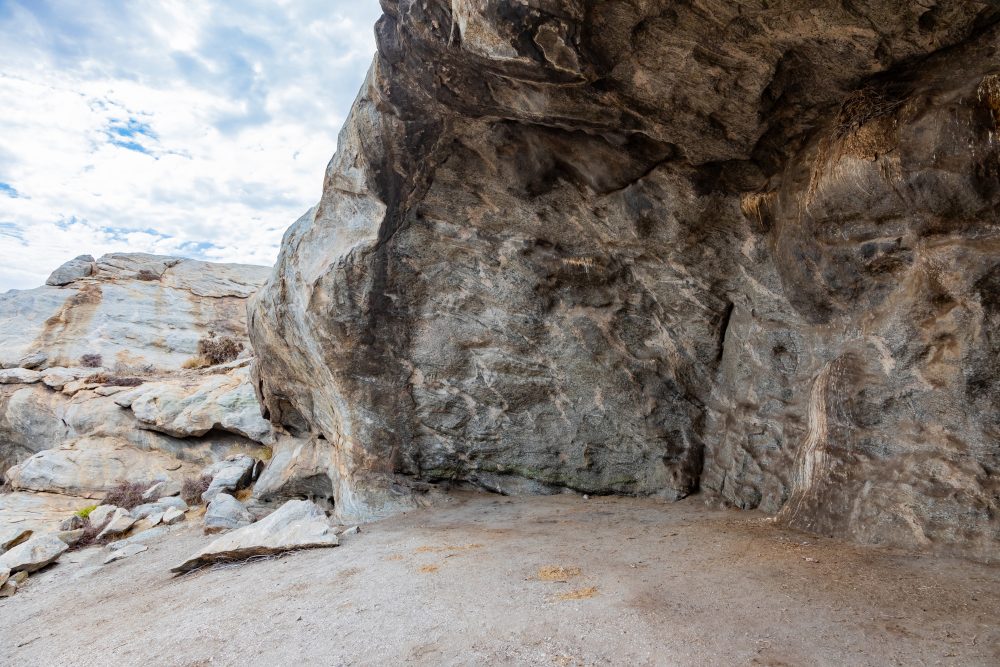
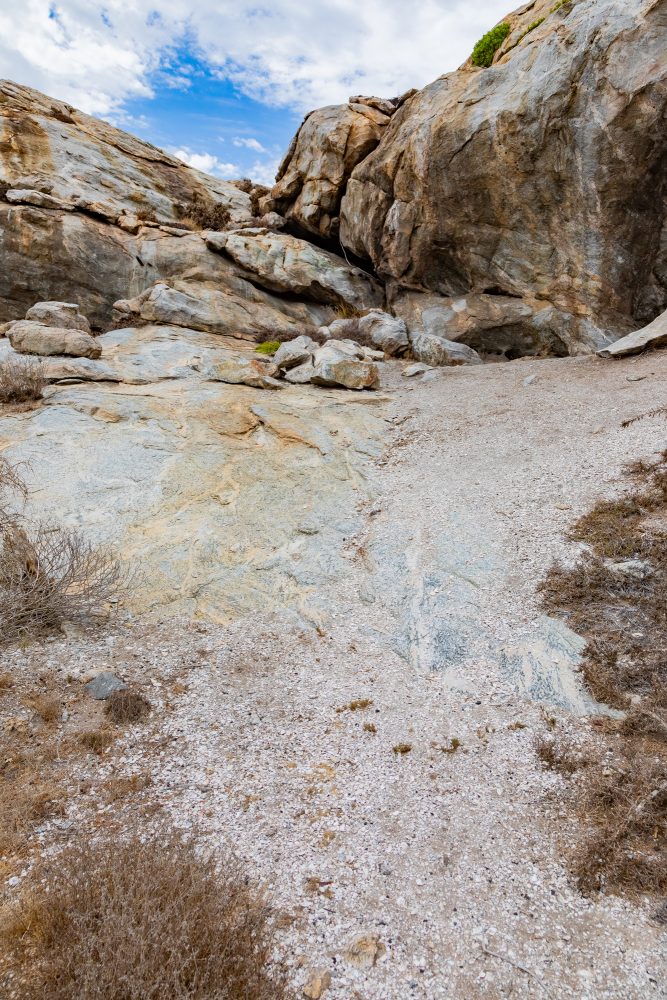
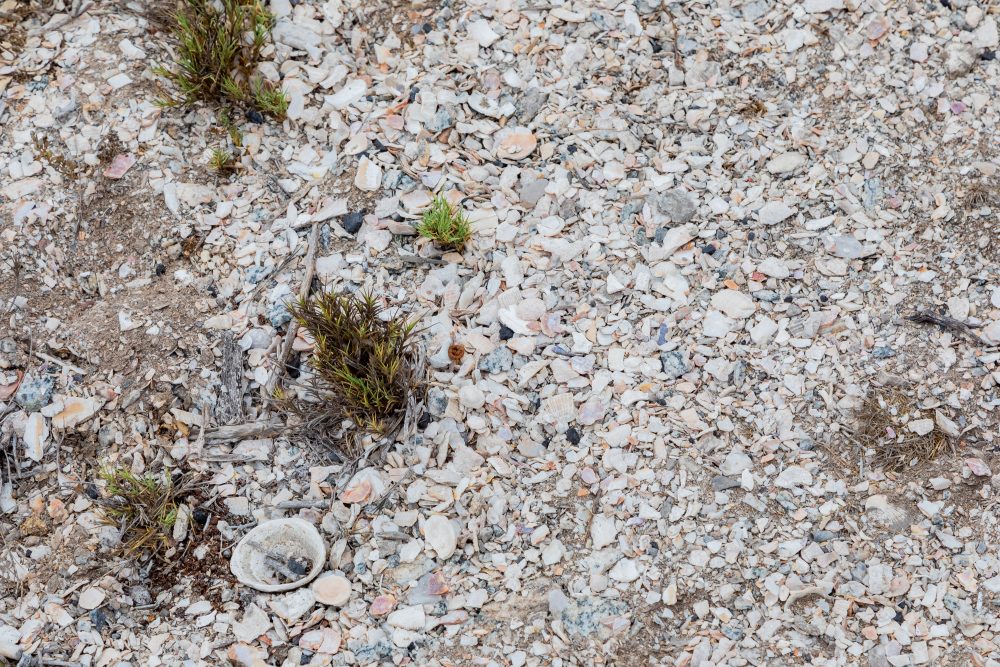
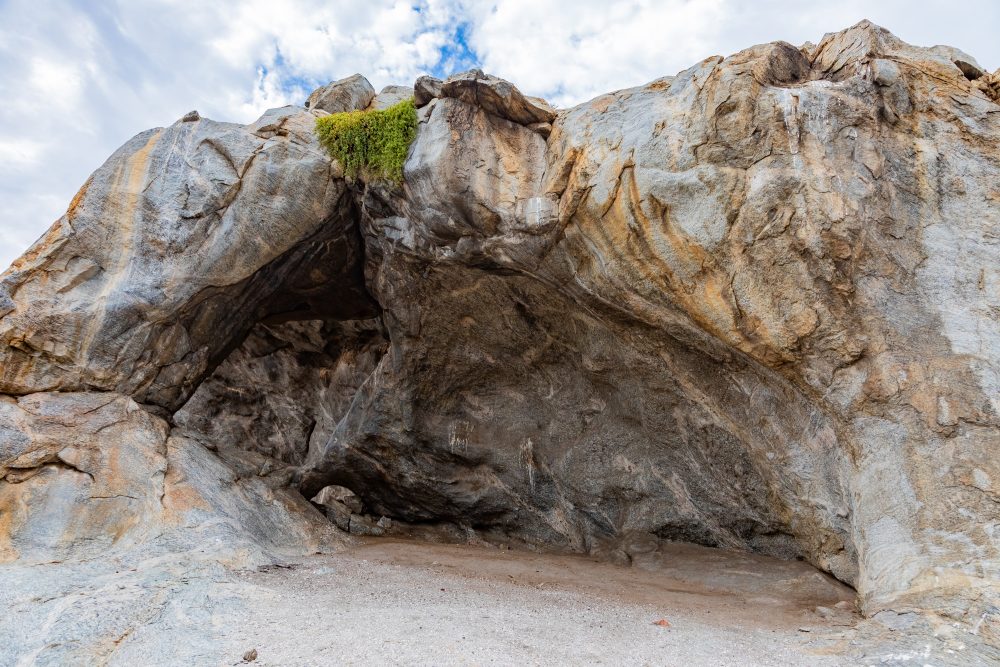
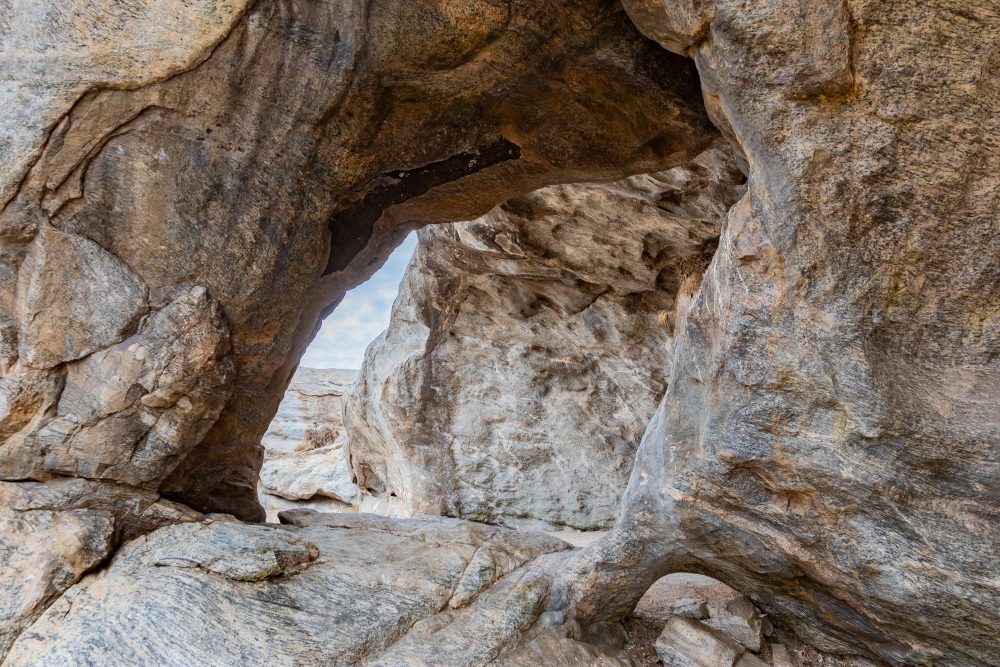
The Spoeg River Caves and Shell Middens are located along the Spoeg River in the southwestern section of Namaqua National Park, near the Atlantic coastline of South Africa. This area forms part of a dynamic coastal landscape where river systems meet the marine environment, creating rich ecological zones that supported early human occupation. The caves are formed within coastal rock formations shaped by long term marine erosion, river action, and weathering. These natural shelters provided protection from wind and coastal conditions and created stable environments for repeated human use. The archaeological importance of the site is defined by the discovery of evidence for the oldest domesticated sheep in South Africa at this site. This finding marks a significant transition in regional history, reflecting early pastoralist practices and interaction between hunter gatherer and herding communities. The site, therefore, represents a key moment in the development of mixed subsistence economies in southern Africa.
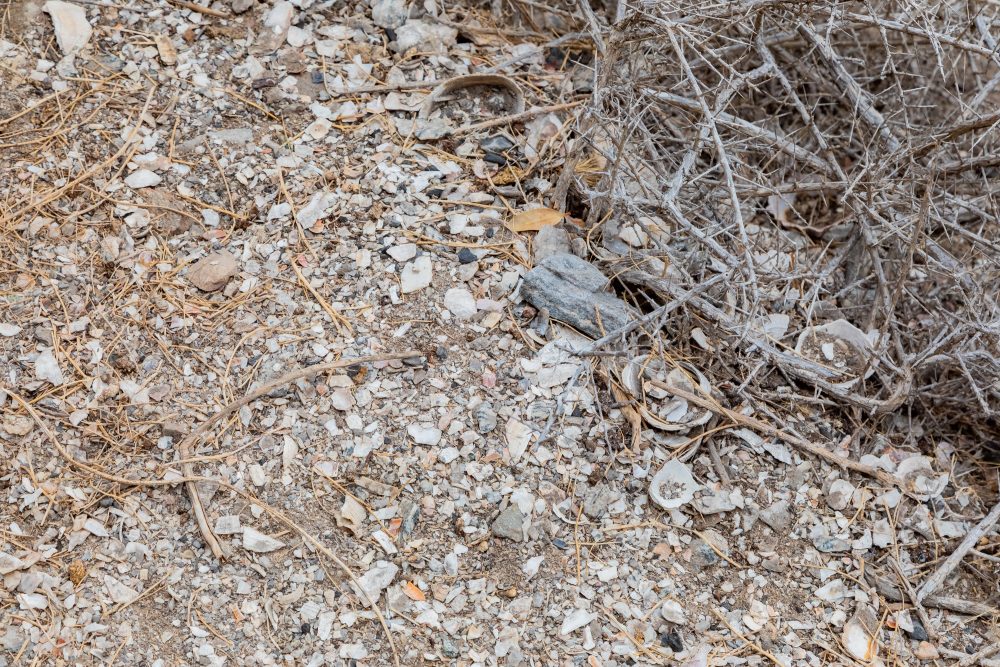
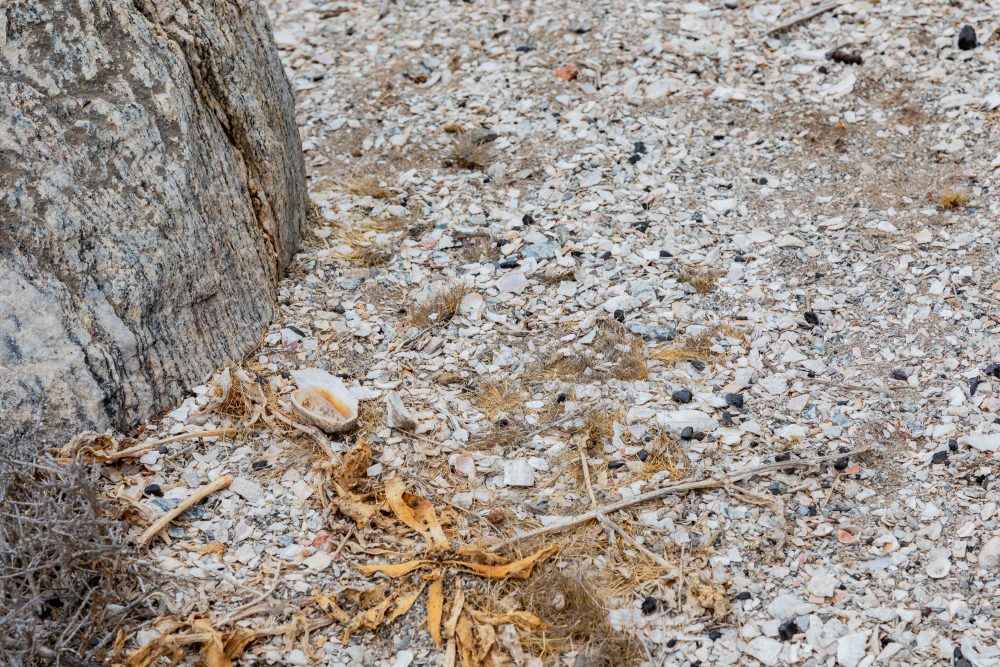
The shell middens accumulated within and around the caves because of sustained harvesting and consumption of marine resources, preserving a layered archaeological record spanning centuries. The extensive shell middens contain remains of limpets, mussels, crayfish, and stranded seals, demonstrating a strong reliance on marine resources by early hunter gatherer groups. These deposits provide valuable insight into subsistence strategies, seasonal movement, and coastal adaptation.
The site lies within a semi-arid coastal environment influenced by the cold Benguela Current, which sustains highly productive marine ecosystems. The surrounding landscape consists of rocky coastal plains, sandy beaches, river valleys, and low cliffs. Although rainfall is limited, the proximity of the ocean and the river provided reliable food resources, making the area attractive to hunter gatherer communities over long periods.
GPS Waypoints: 30°28'20.1"S 17°22'10.0"E