Bushmenskloof
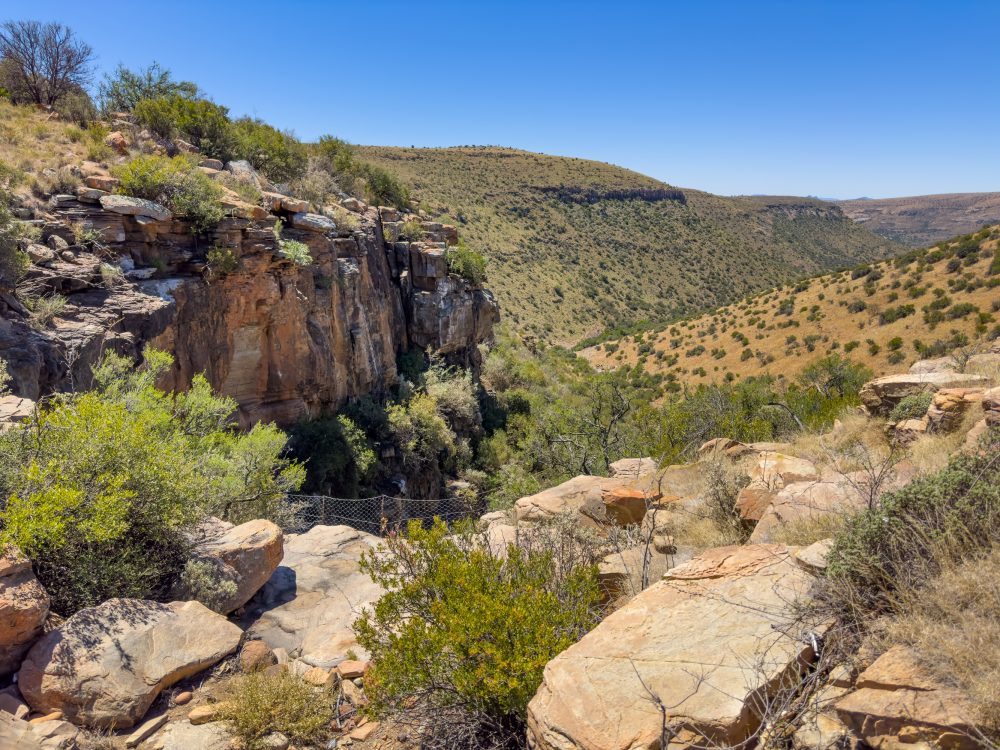
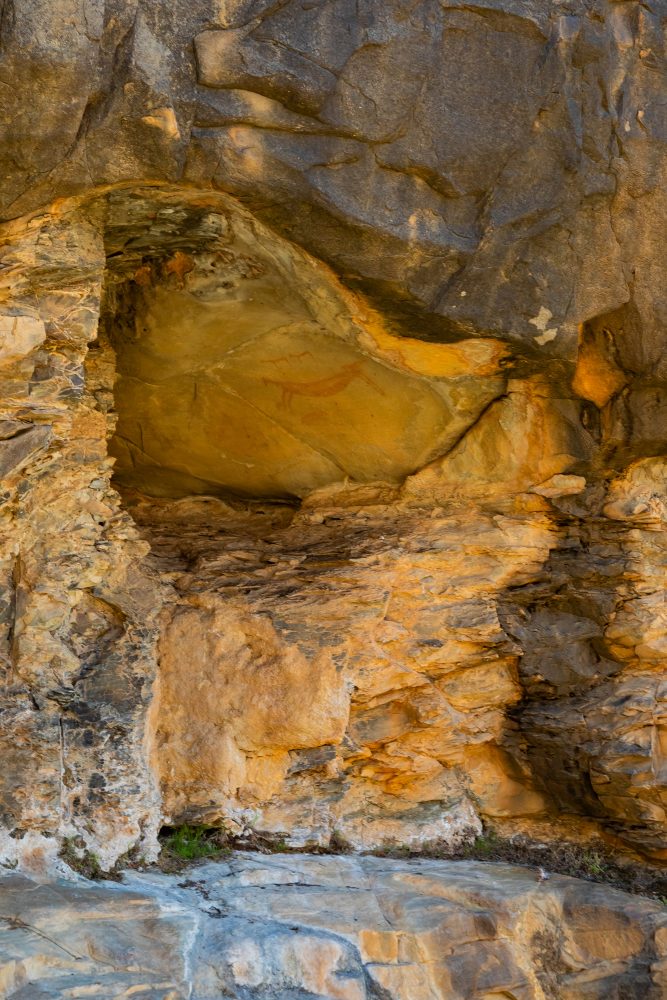
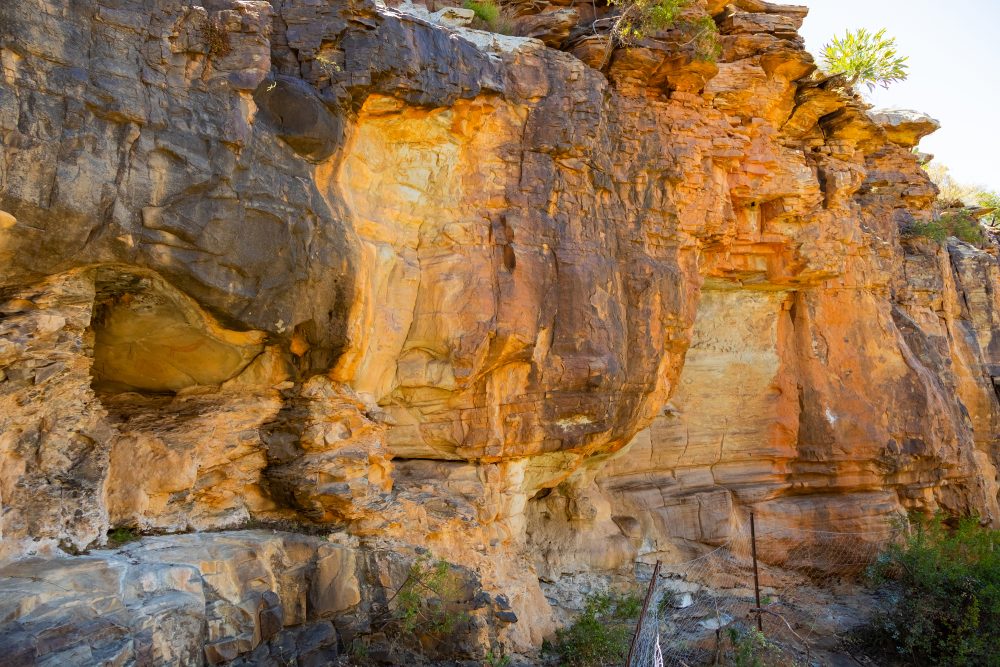
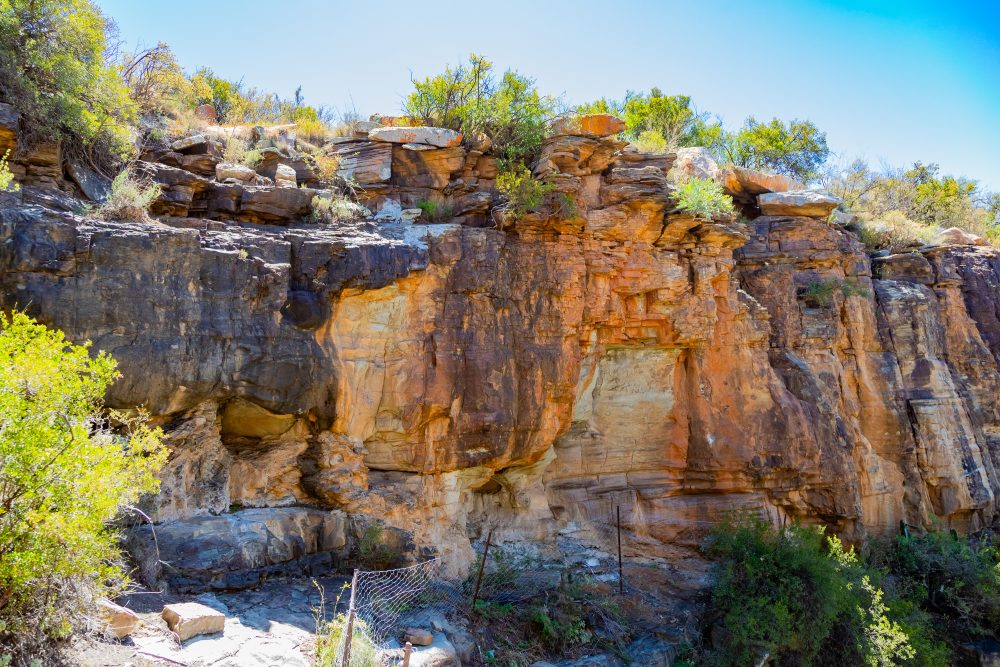
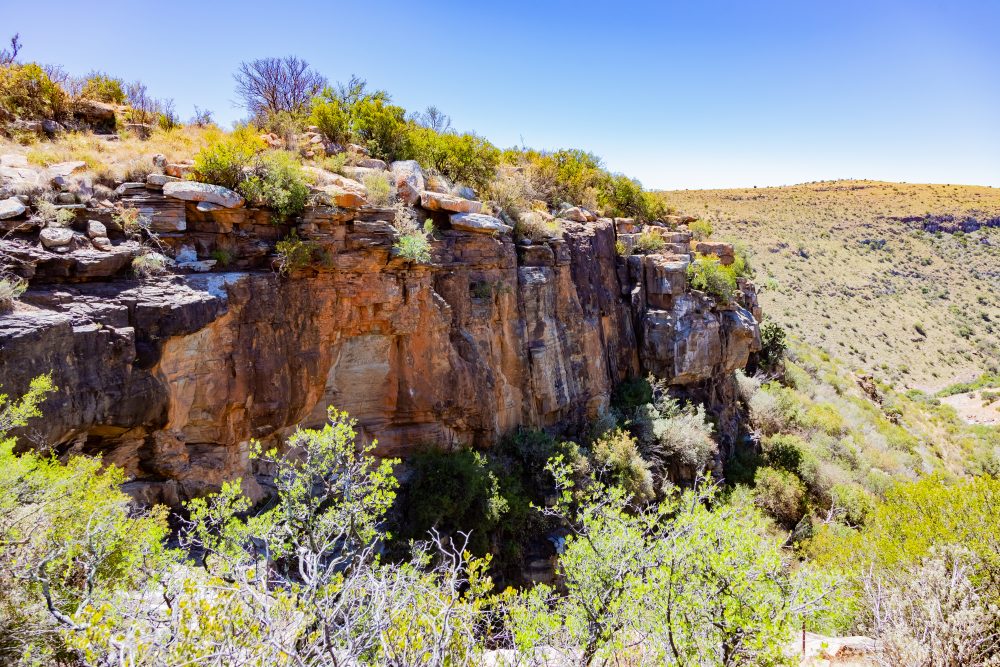
Bushmenskloof is a remote valley that lies in a mountainous landscape of deeply incised valleys, rocky ridges, and escarpments that form part of the greater Karoo biome. Its relative isolation has helped preserve both its natural environment and the rich archaeological resources embedded within the valley.
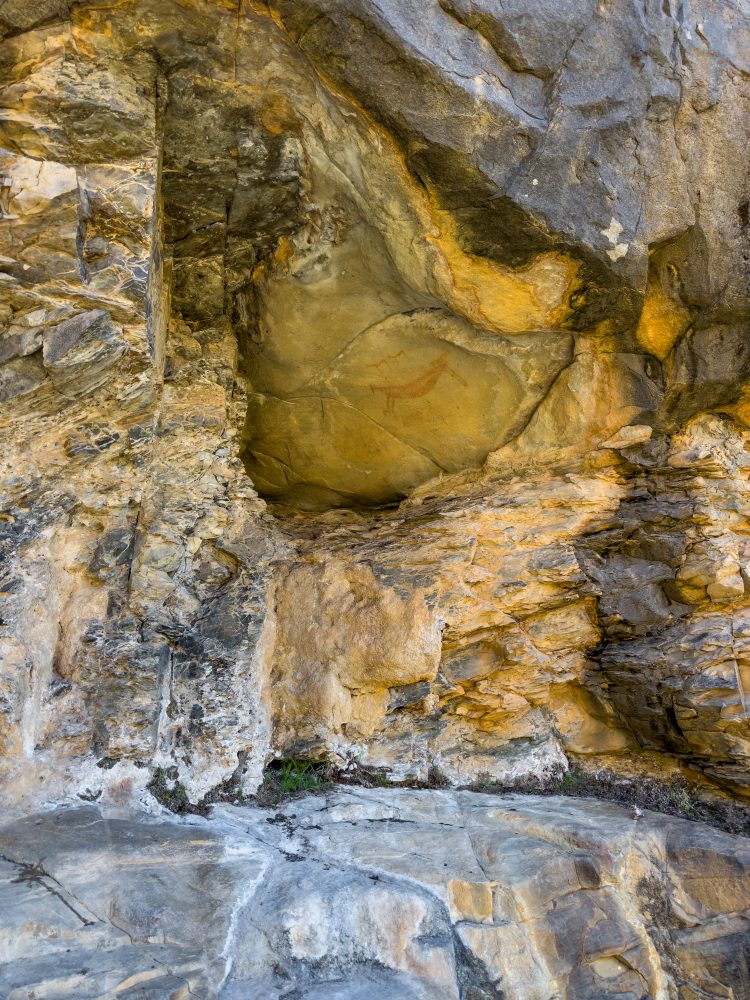
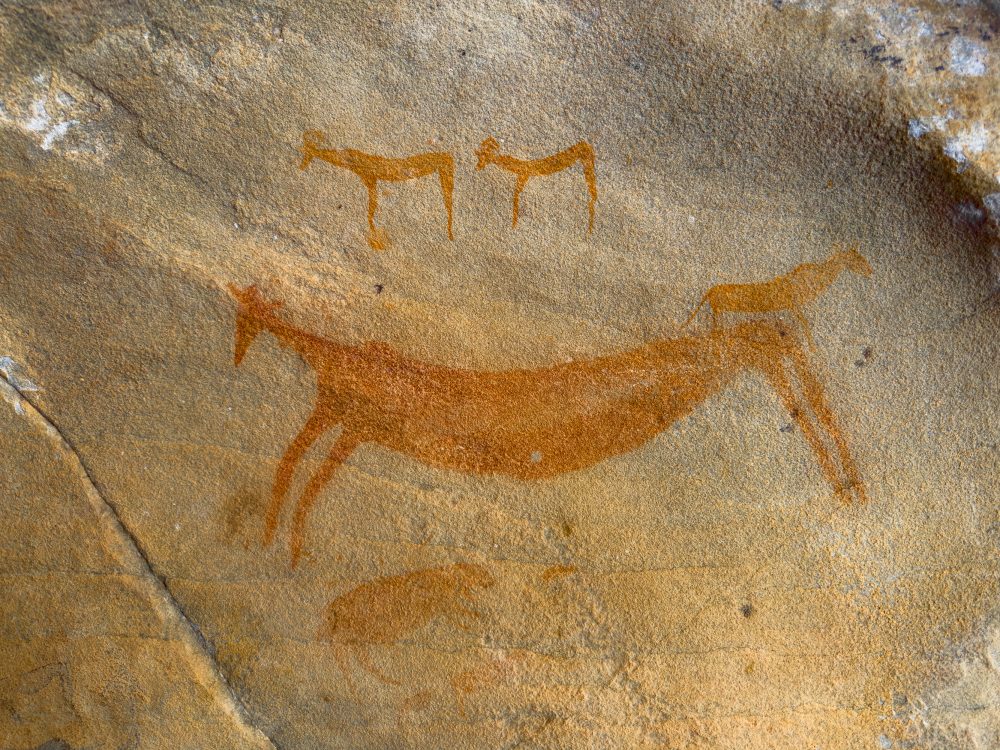
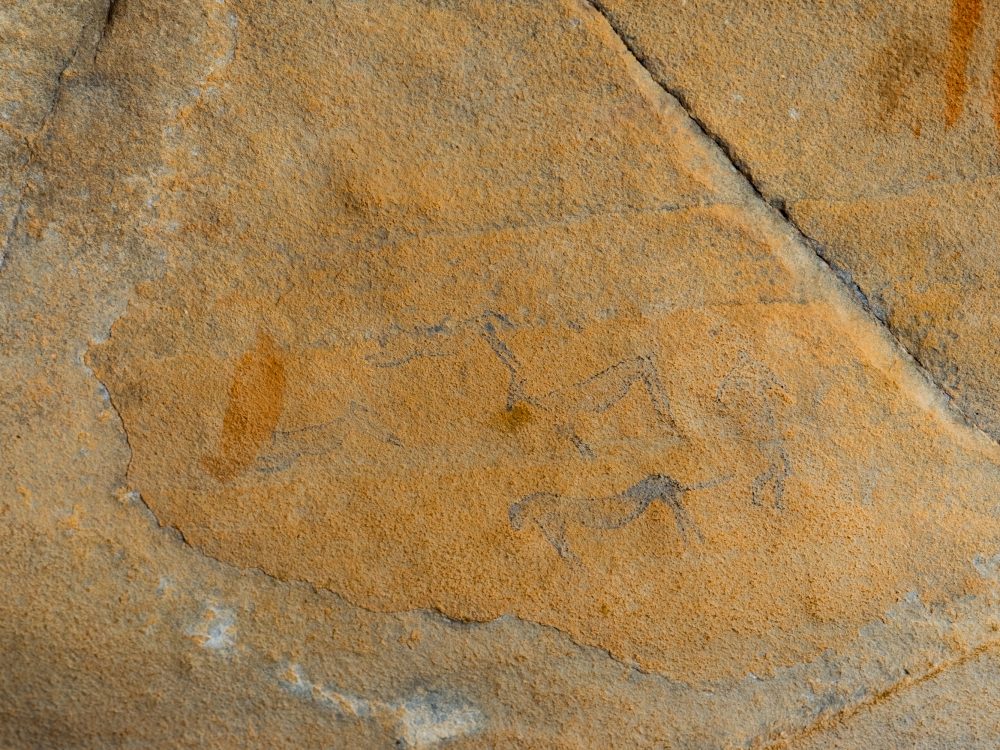
Bushmenskloof rock art site is relatively easily accessible, and is the best known of all the other three recorded within the park. The paintings at this site are defined by black images of two baboons, a cheetah, four antelopes, a bunny, and one human figure which are all painted in red. One of the antelopes is seemingly having two heads on either end of it.
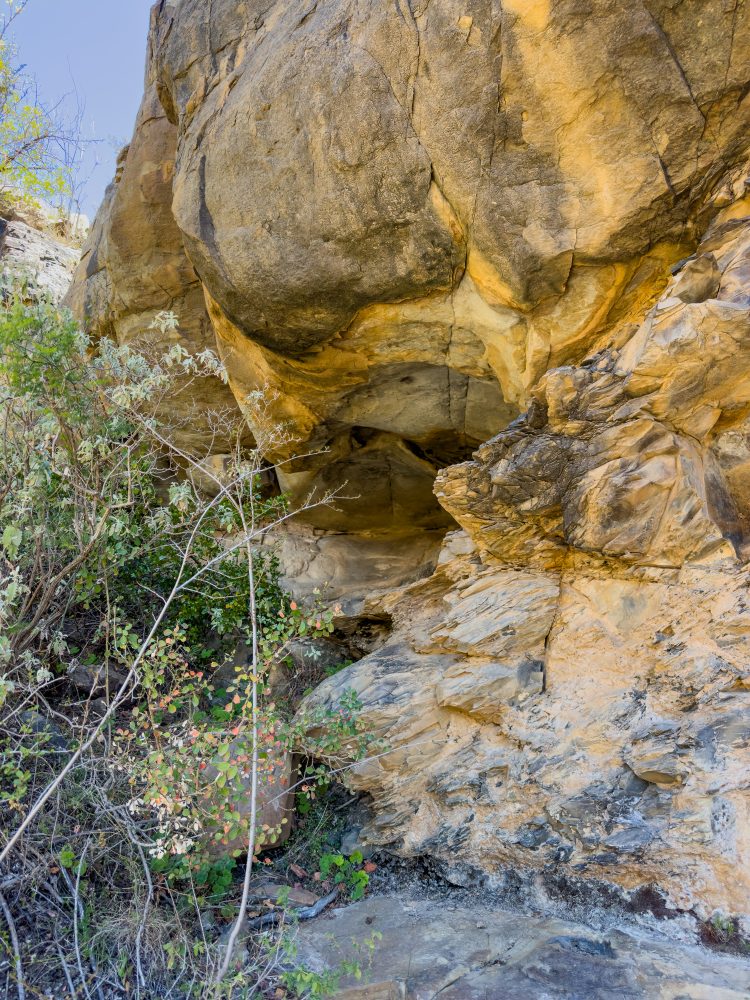
The Bushmenskloof valley features rugged terrain with steep slopes and sheltered niches, creating microhabitats that support a variety of plant and animal species. Vegetation is primarily Karoo shrubland and grassland, with species adapted to shallow, rocky soils and the semi-arid climate of the region. The valleys historically provided freshwater sources, natural shelter, and abundant hunting opportunities for wildlife such as antelope and other plains game. Bushmenskloof’s geology is dominated by sedimentary rock formations, mainly sandstones and mudstones of the Karoo Supergroup. Over millennia, weathering and erosion sculpted cliffs, rock shelters, and overhangs that provided ideal surfaces for rock art and natural shelters for human occupation. The durability of the sandstone surfaces has allowed many San rock art paintings to remain well-preserved. The combination of rock type and sheltered locations created a landscape perfectly suited for long-term human use.
GPS Waypoints: 32°14'02.8"S 25°26'21.7"E