Kx’u Saa’s Burial Site
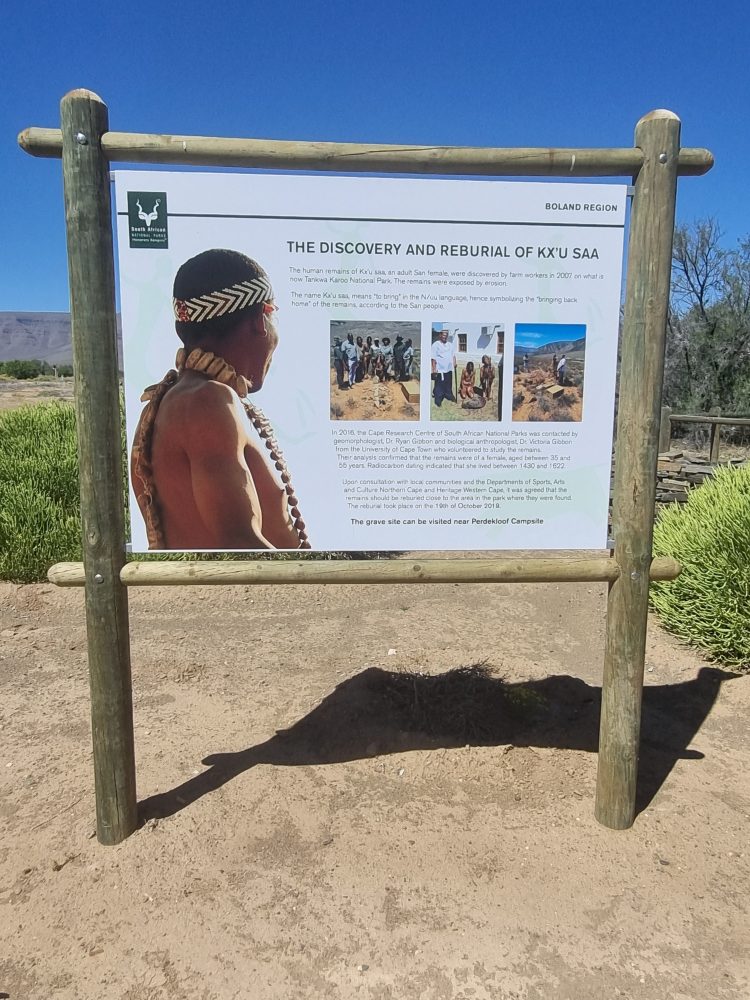
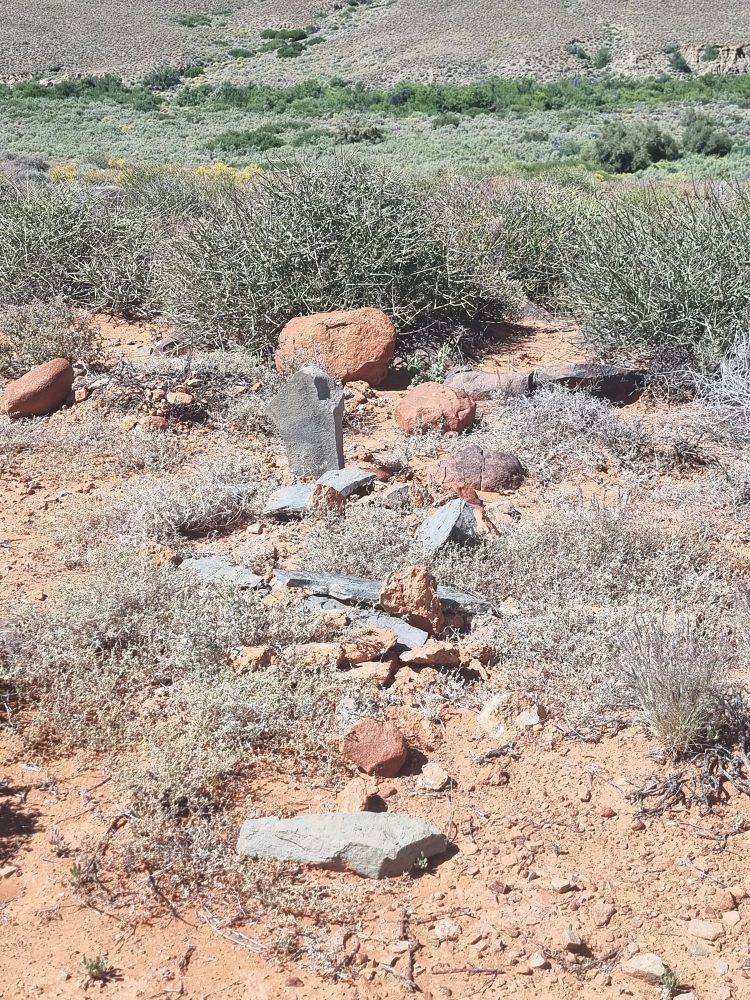
A discovery was made in 2007, by farm workers, who identified exposed human bones by the Perdekloof Gorge. Following this discovery, the buried individual was commonly named as ‘Madawas’ – which means ‘mother was there’. Subsequently, a team from the University of Cape Town had offered, in 2016, to study the human bones that had been discovered almost a decade earlier. These analyses were carried out at the institution of higher learning, using radiocarbon analysis.
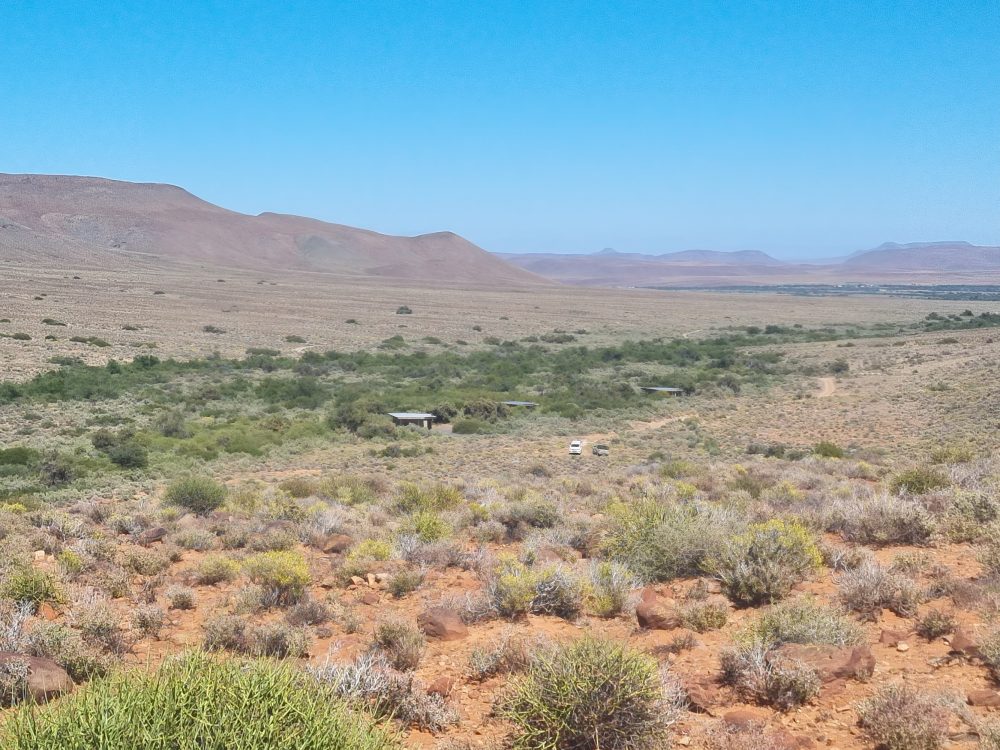
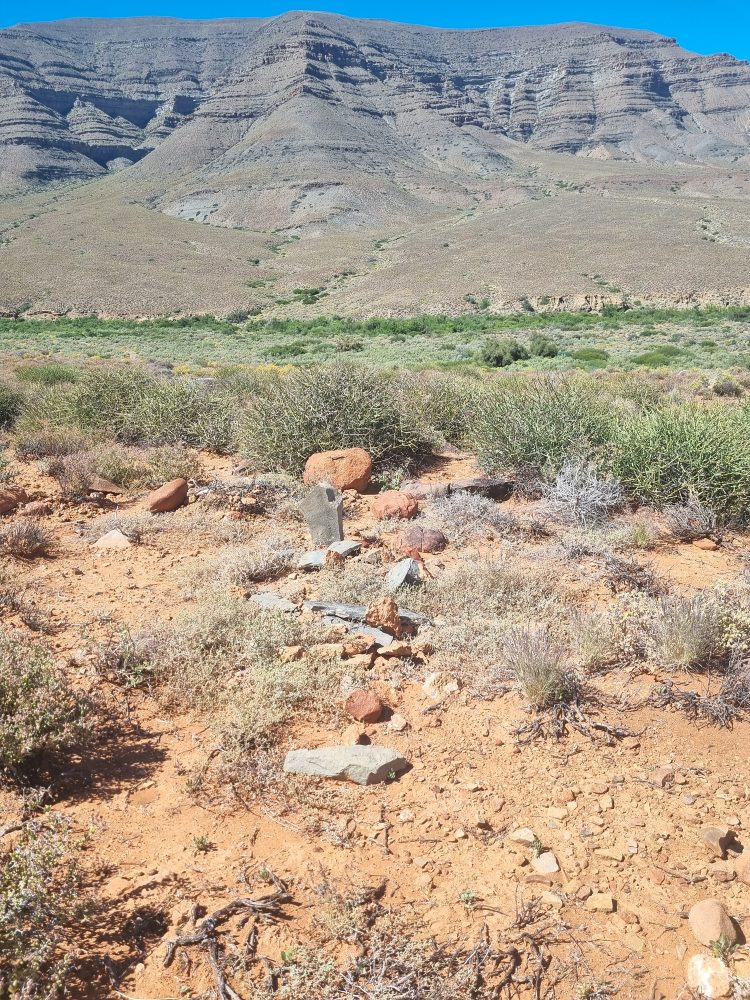
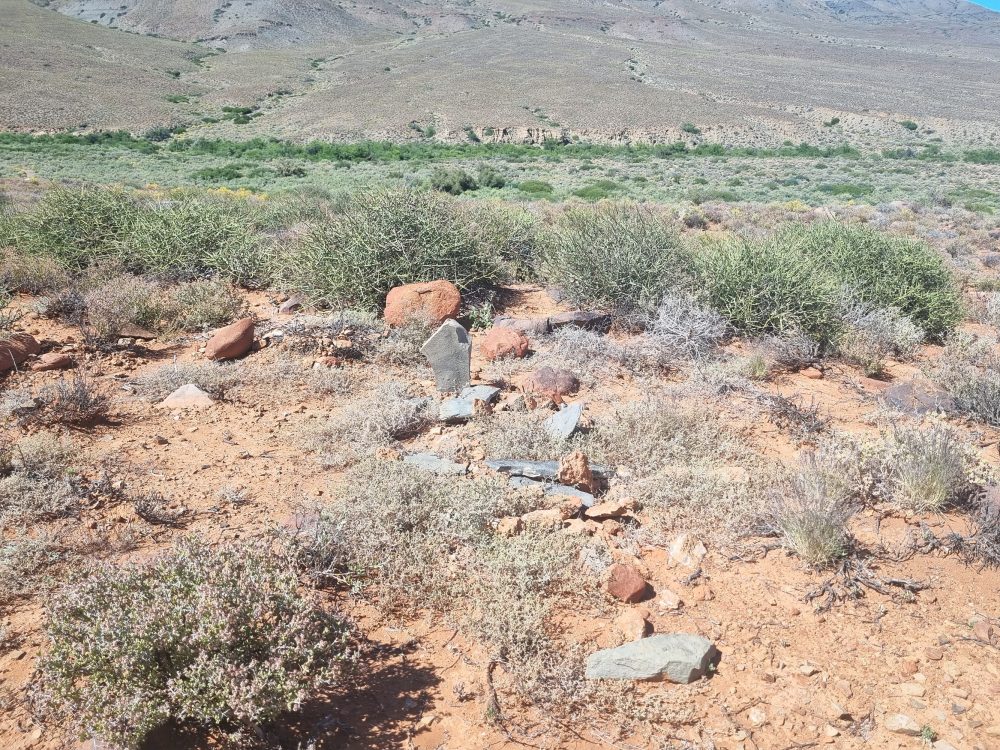
From the findings, it was revealed that these bones belonged to a woman who was probably aged between 35 and 55 years at the time of her death – having lived between 1430 and 1622. Based on the findings and realising that she could not have been of Khoi origin, she was later renamed as Kx’u Saa, meaning ‘to bring’ in the N/uu language. This name symbolised the ‘bringing back home’ of her remains. She was reburied on the 19th of October 2019, near the Perdekloof campsite within Tankwa Karoo National Park. This location is not far from the Perdekloof Gorge where she had originally been discovered. There is signage near the main office of the park, briefly telling the story of Kx’u Saa’s discovery.
GPS Waypoints: 32°14'48.1"S 20°10'09.0"E