MNP 66 Zandfontein
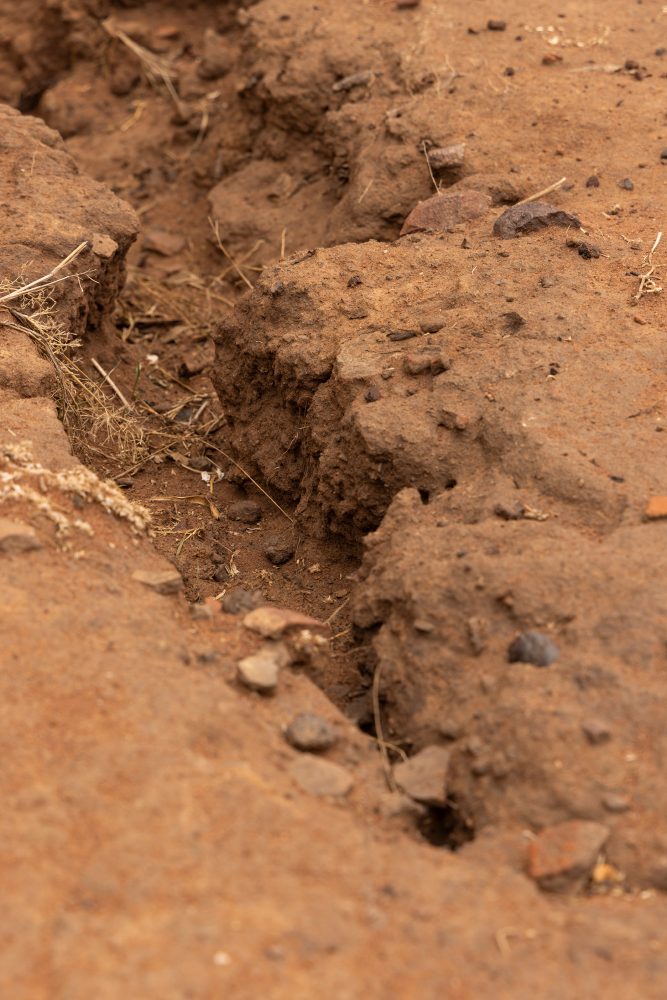
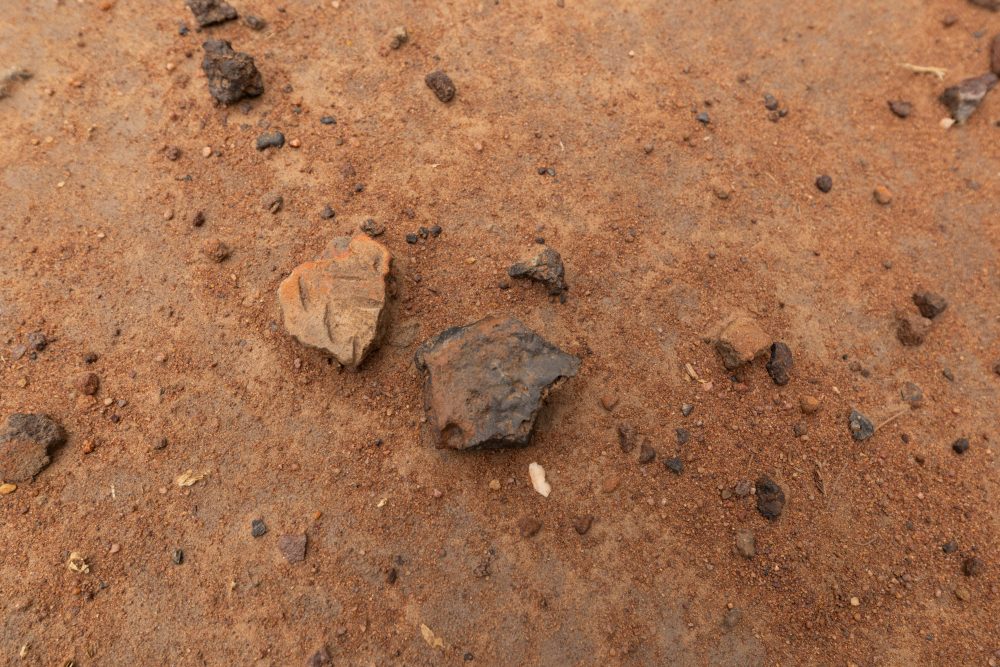
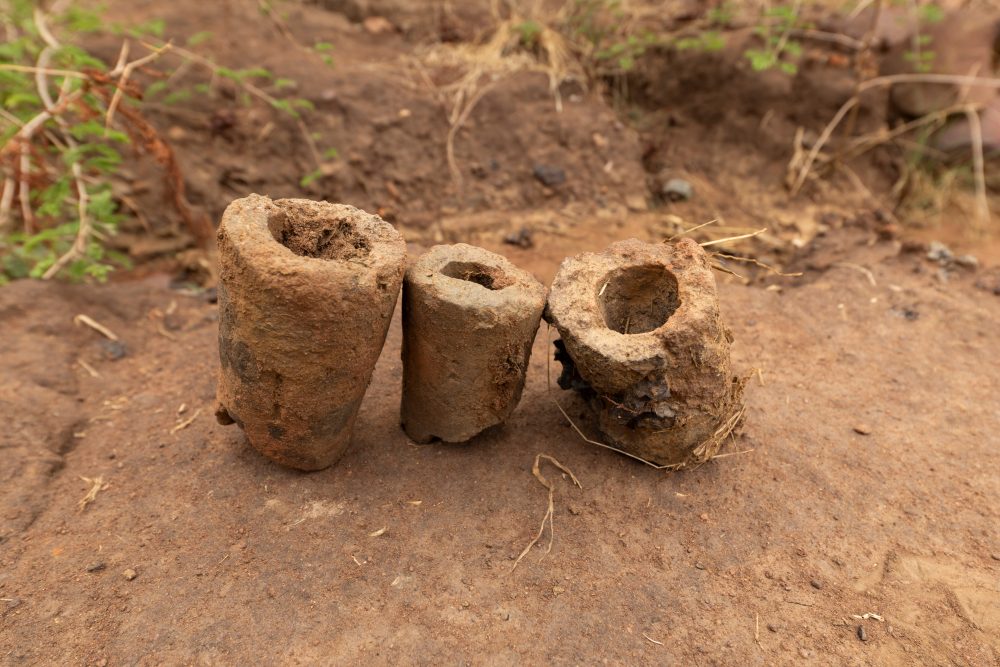
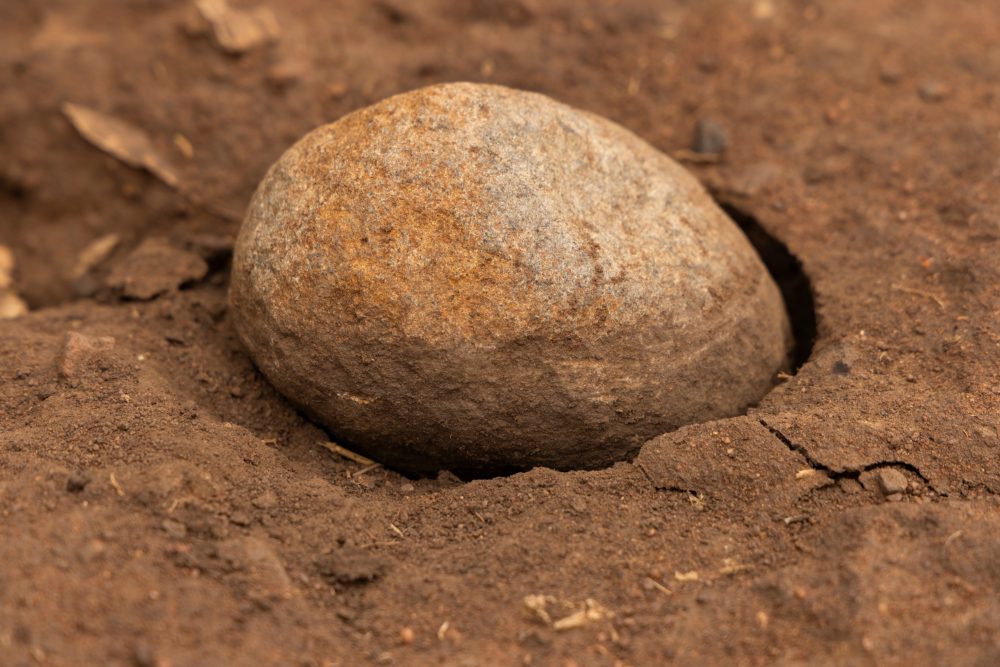
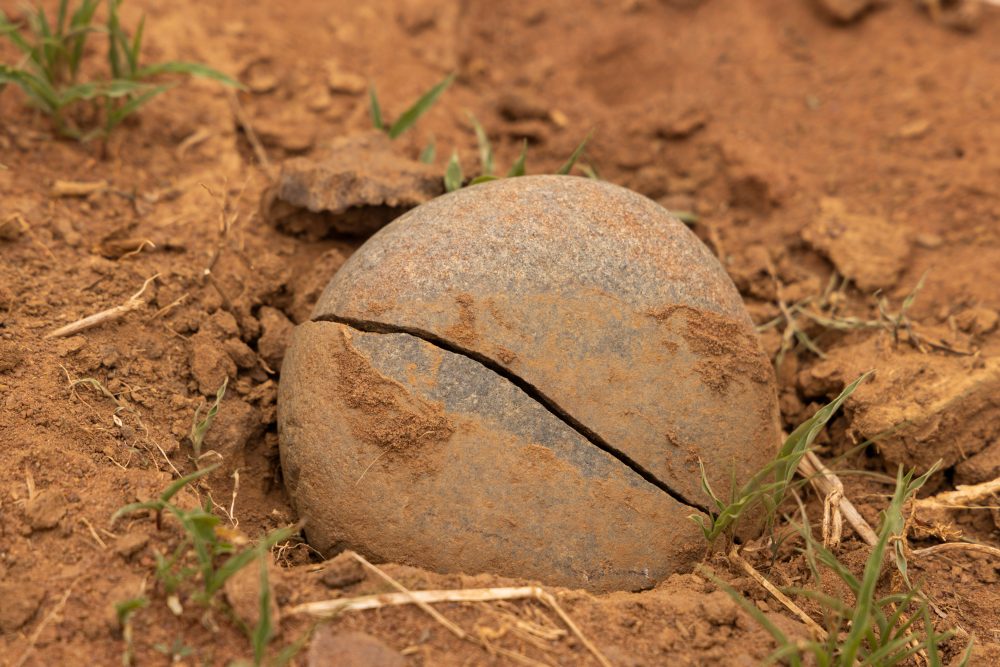
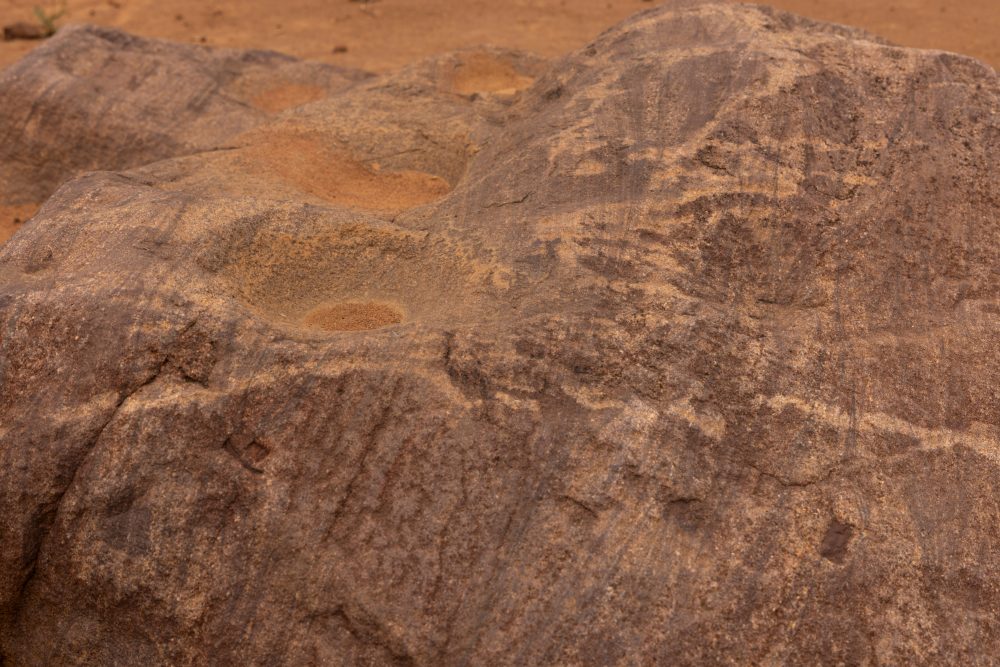
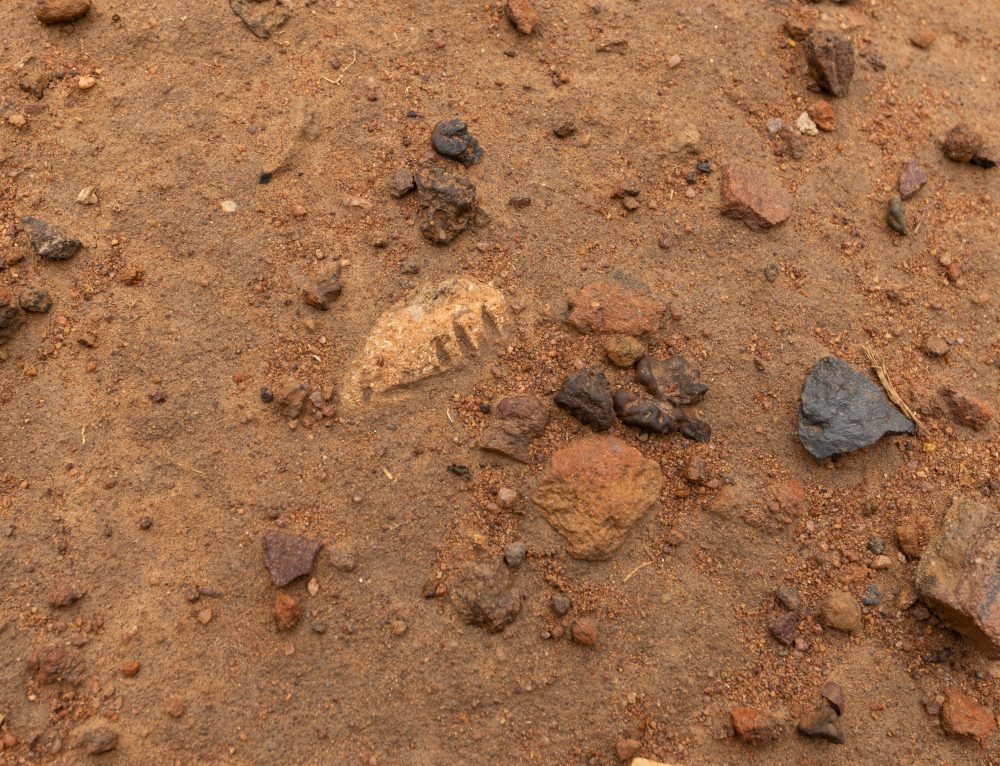
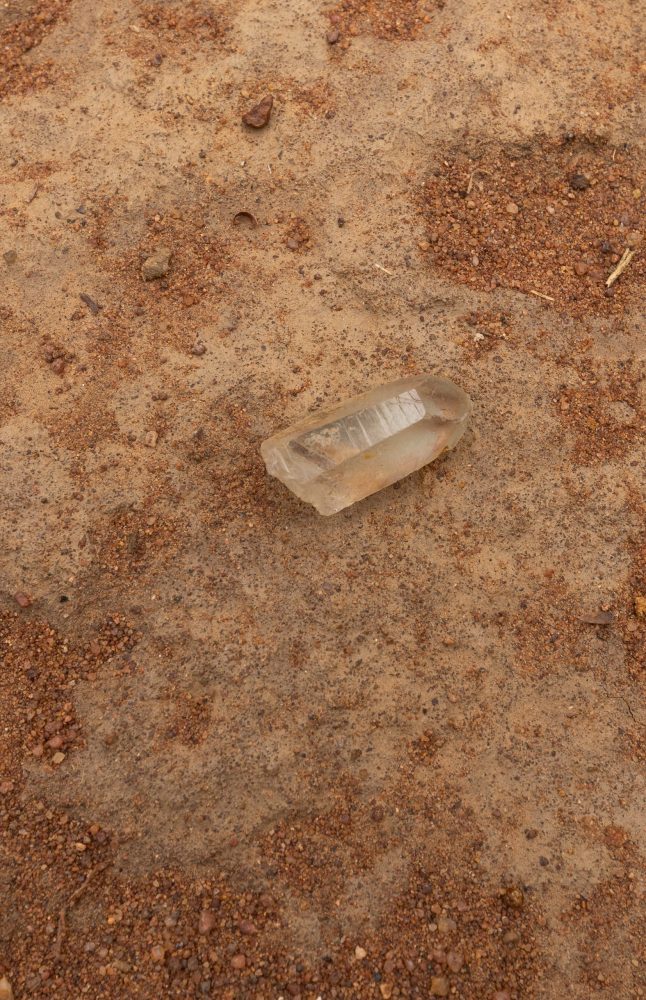
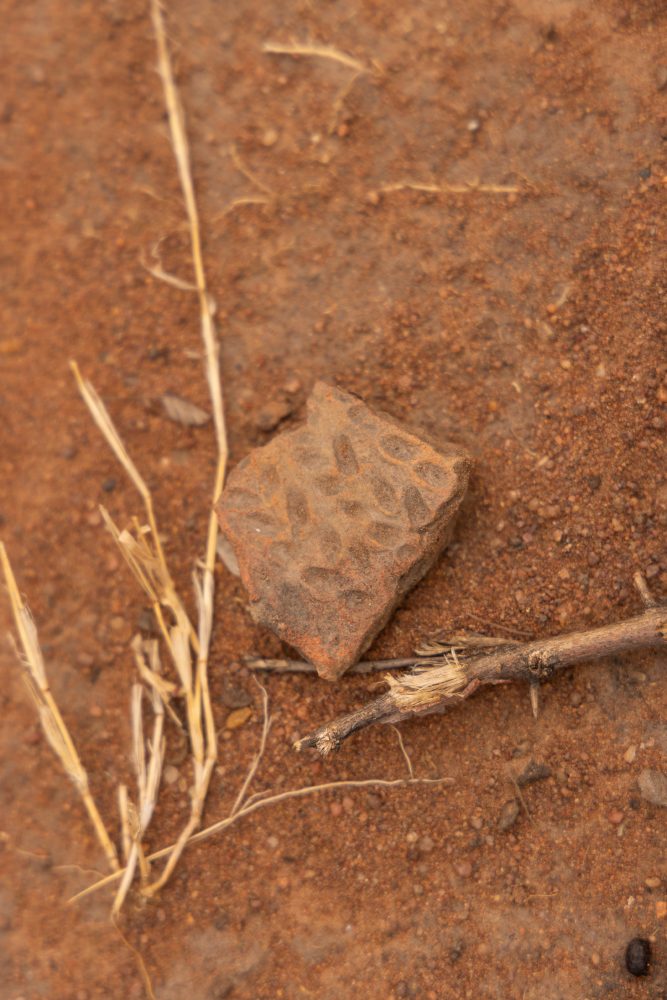
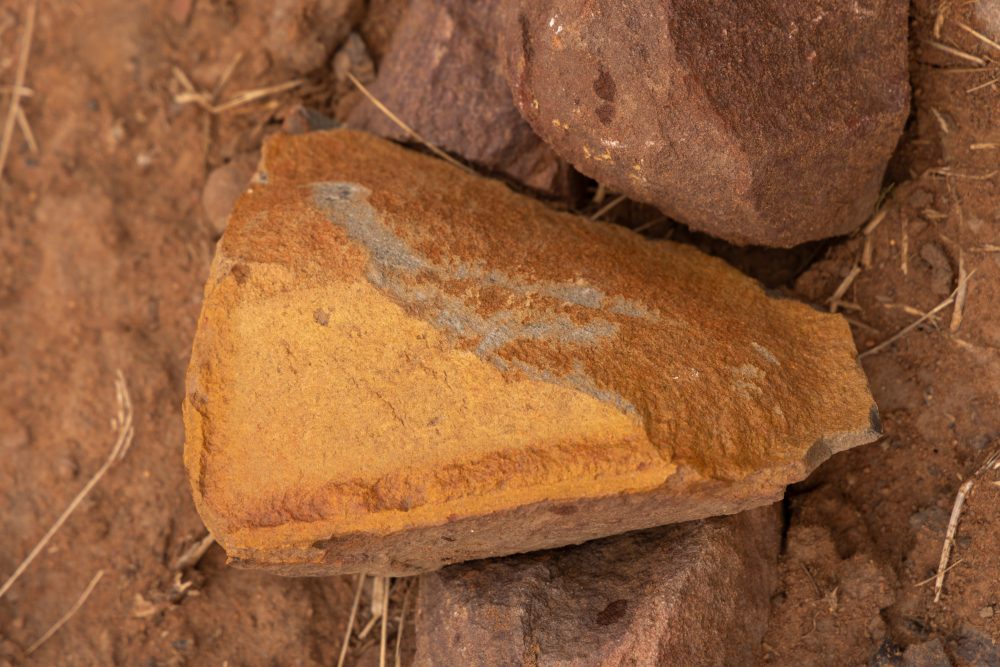
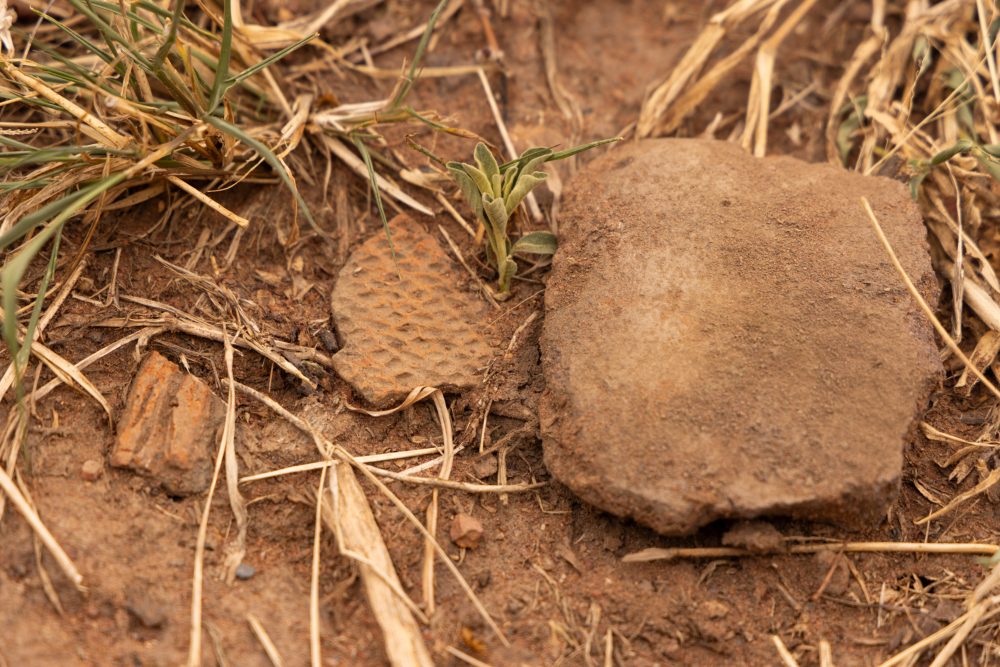
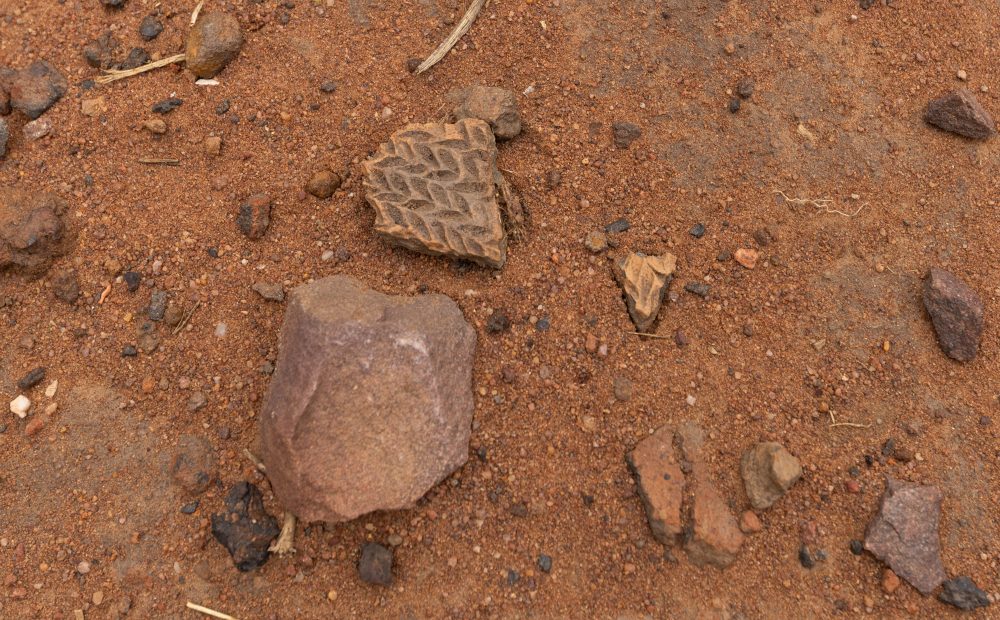
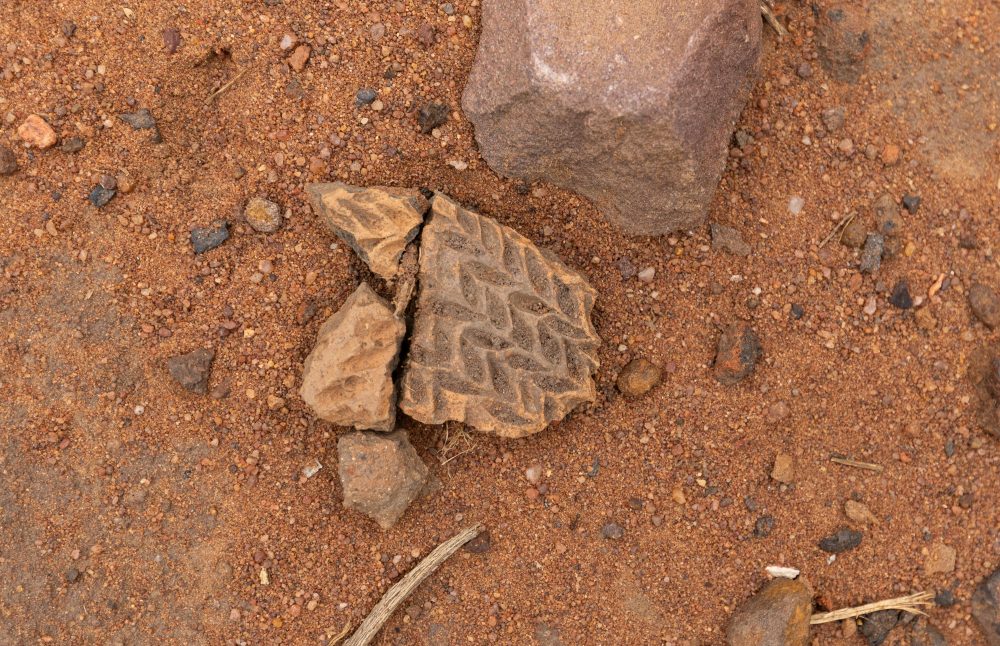
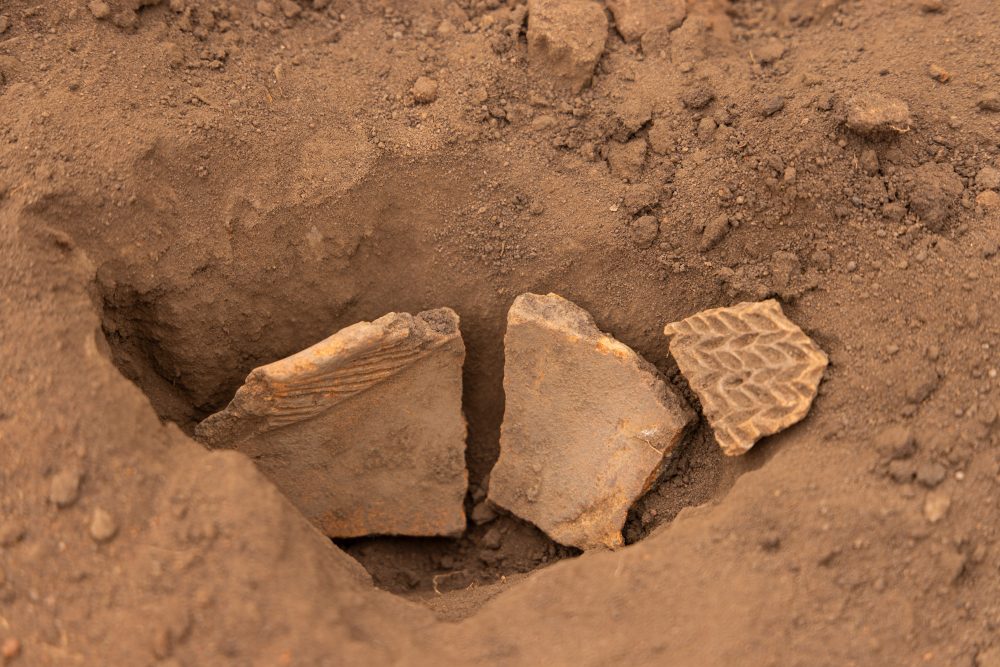
MNP 66 is situated on the Zandfontein property within the broader Matlabas region in the Marakele National Park. The site covers a moderate area containing surface and partially buried archaeological remains, including evidence of metalworking and habitation. It is located on gently sloping terrain near a minor drainage line, providing both access to water and suitable land for settlement and metallurgical activity. The surrounding environment consists of mixed bushveld vegetation, with grass, shrubs, and scattered trees typical of the region. The area is relatively open, allowing good visibility of archaeological features on the surface. The combination of natural resources such as water, wood, and stone would have supported past settlement and iron smelting or working activities. Seasonal changes influence vegetation density but have not significantly disturbed the archaeological integrity of the site.
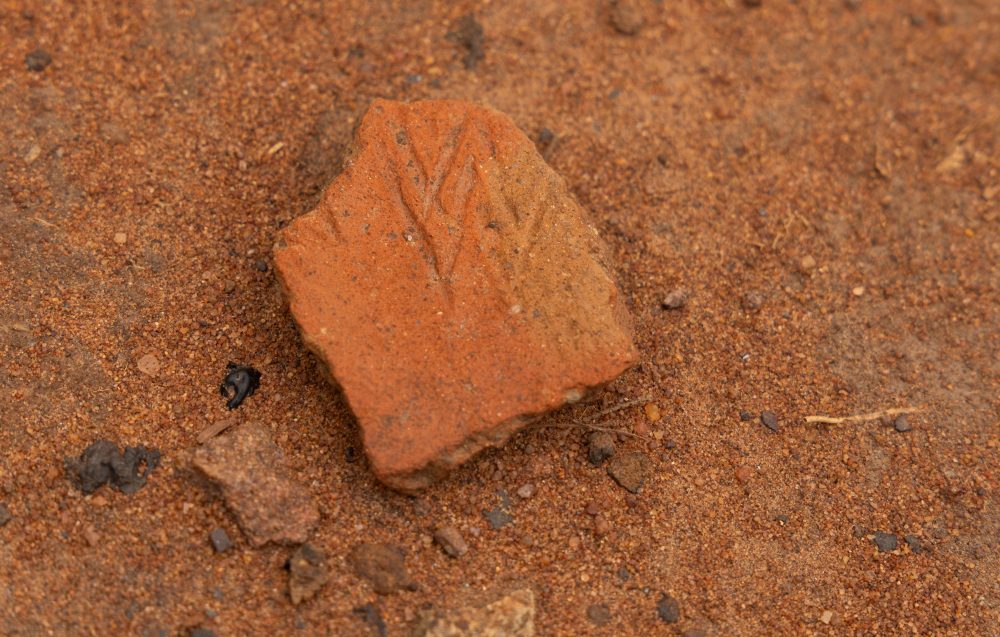
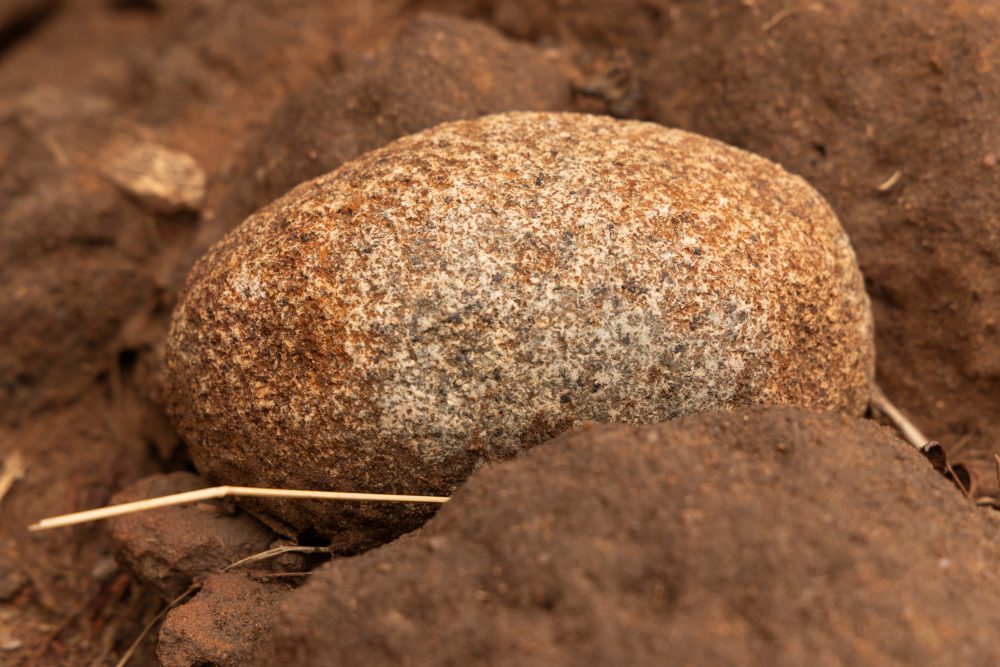
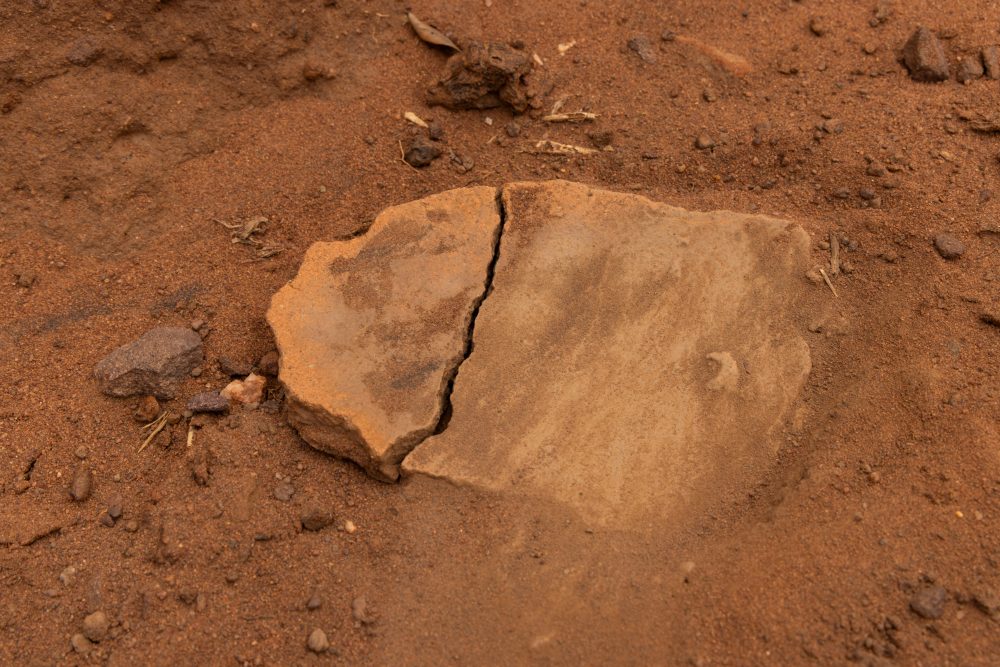
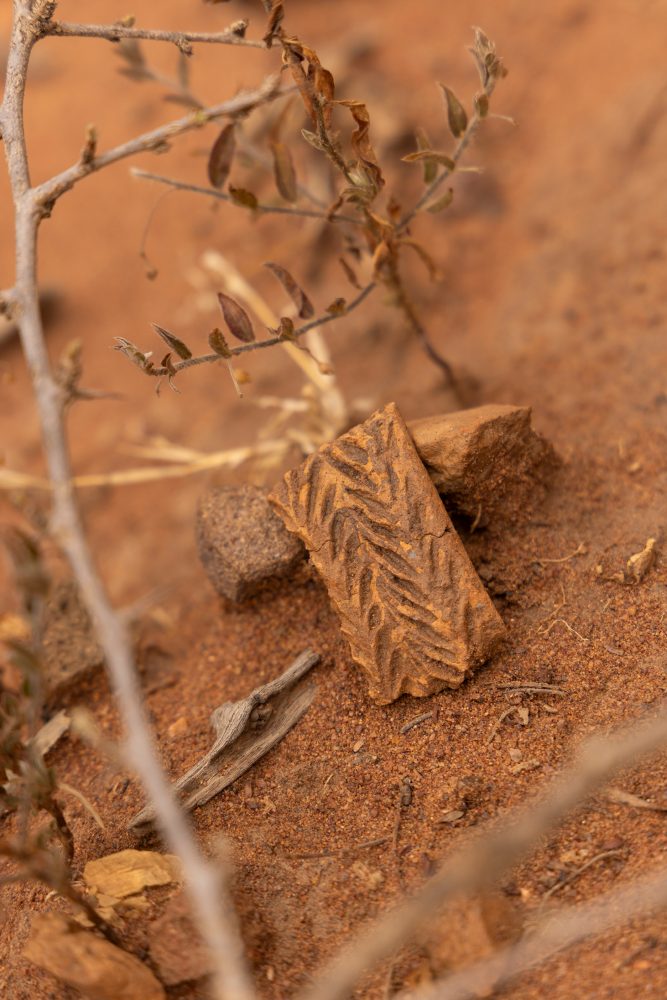
The geology of the site is characterised by weathered granite and associated sandy loam soils with scattered stone outcrops. Locally available stone would have been used in constructing furnaces or related features. About four furnaces have been discovered on site, together with decorated and undecorated potsherds, and a blue glass bead. The furnaces offer significant potential for archaeometallurgical study, including analysis of smelting technology, production scale, and resource use. The decorated ceramics provide insight into stylistic traditions and cultural identity, while the glass bead suggests trade connections or external cultural influences. The ceramics and bead contribute to understanding cultural expression, trade, and chronology within the regional Iron Age context. Collectively, these features make MNP 66 an important site for reconstructing technological development and socio-economic organisation in the Matlabas area. The combination of metallurgical remains and domestic artefacts indicates a settled community engaged in both iron production and daily household activities. This site was also occupied by Batswana people.