MNP 22
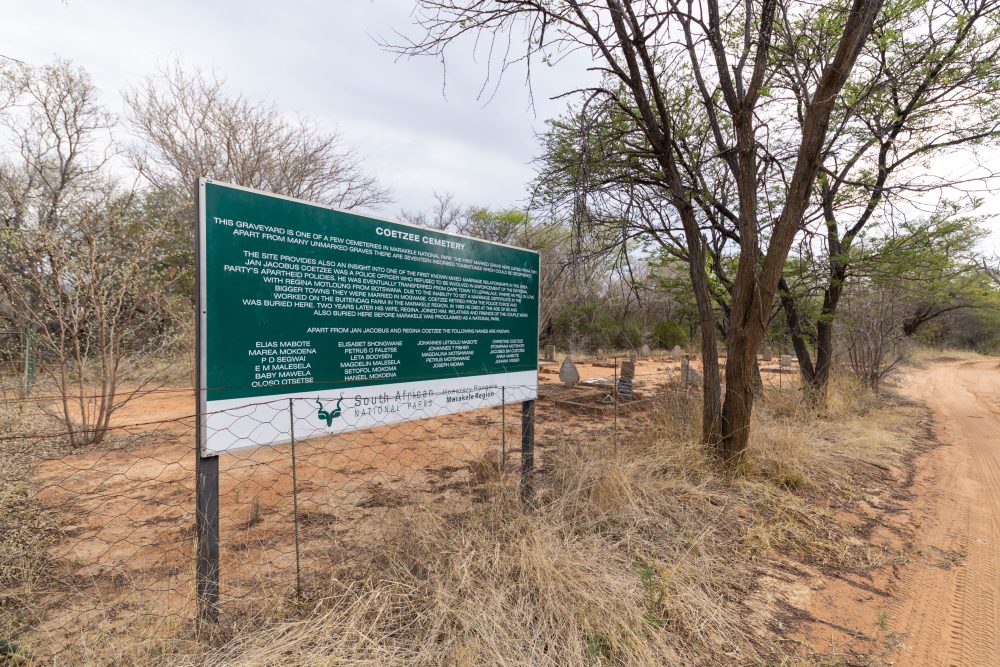
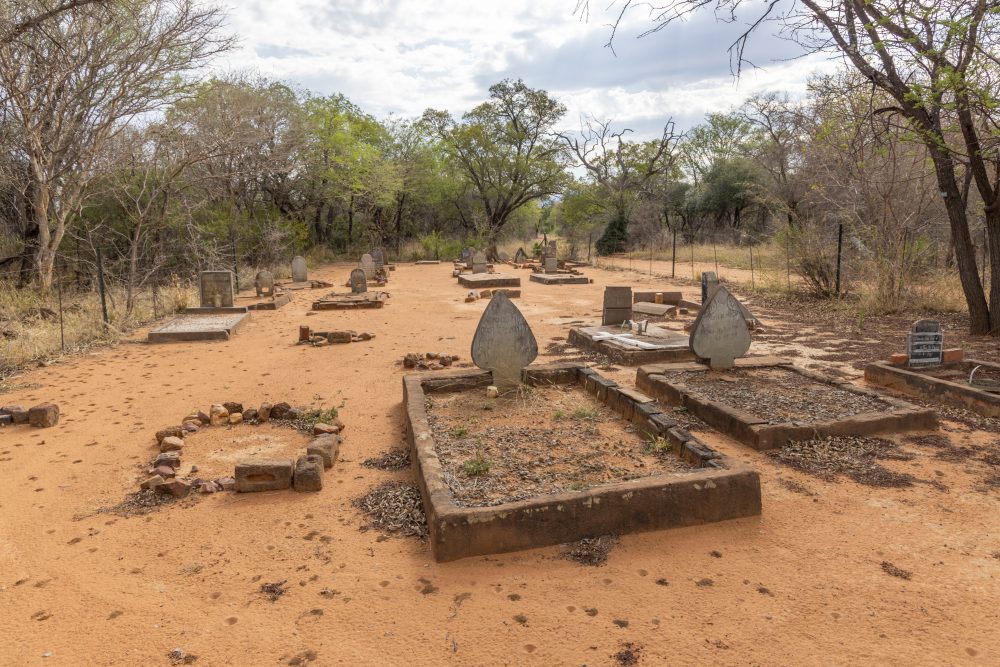
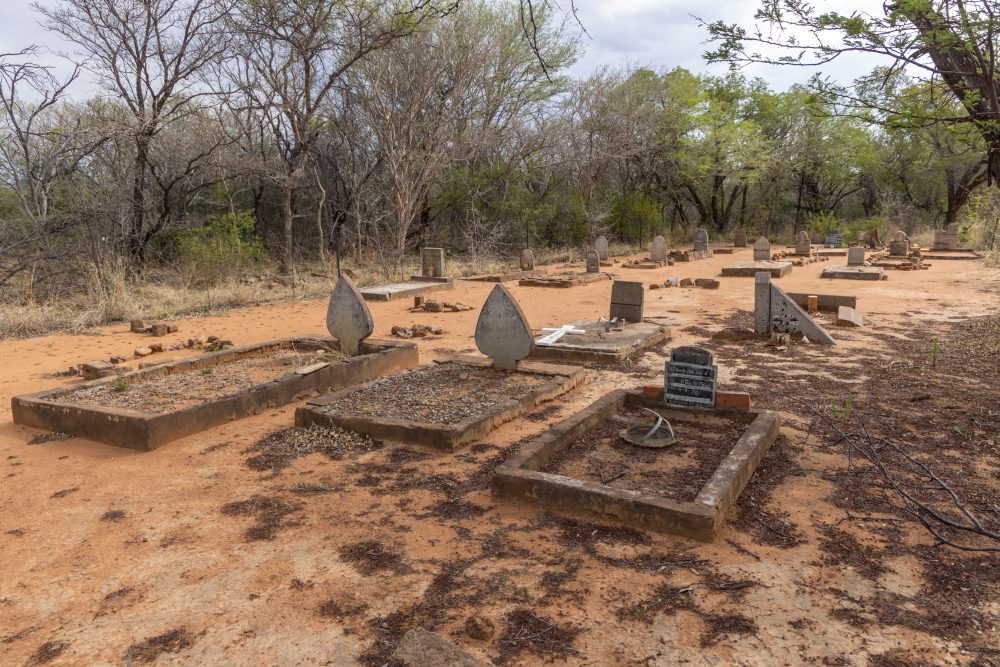
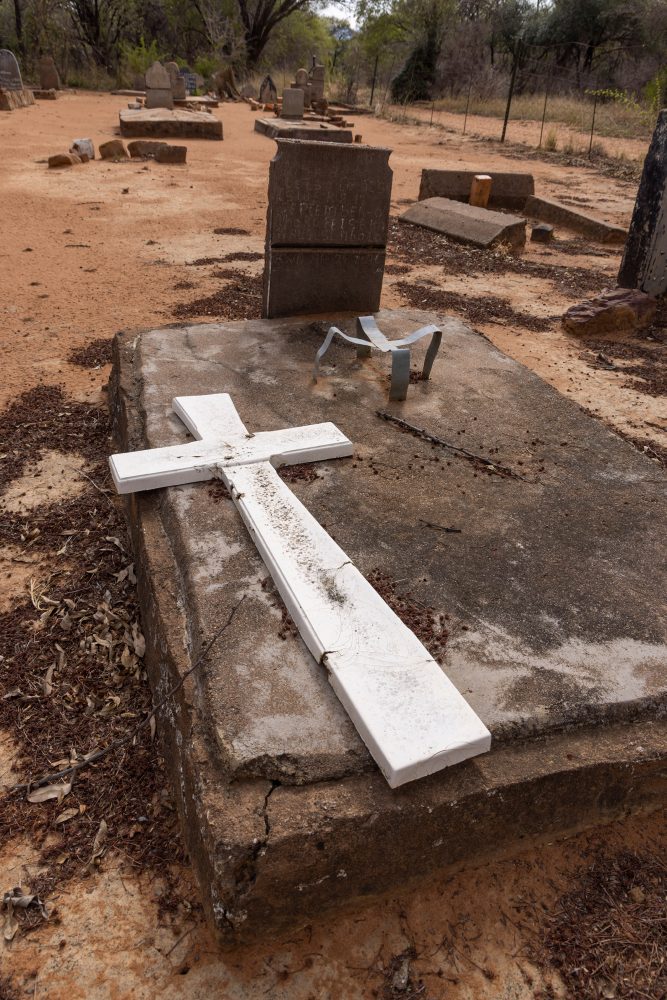
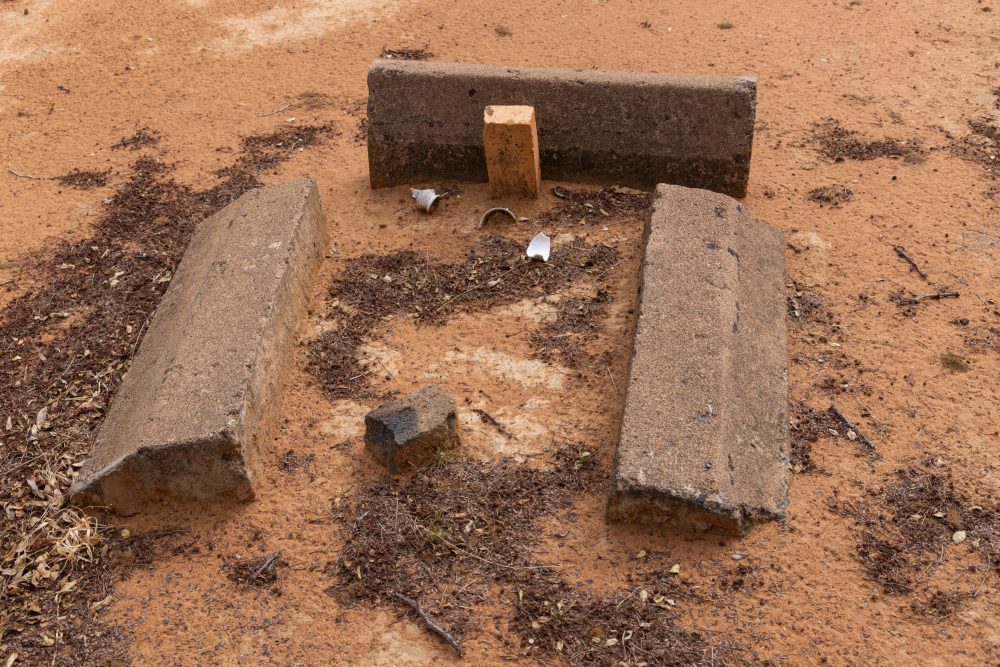
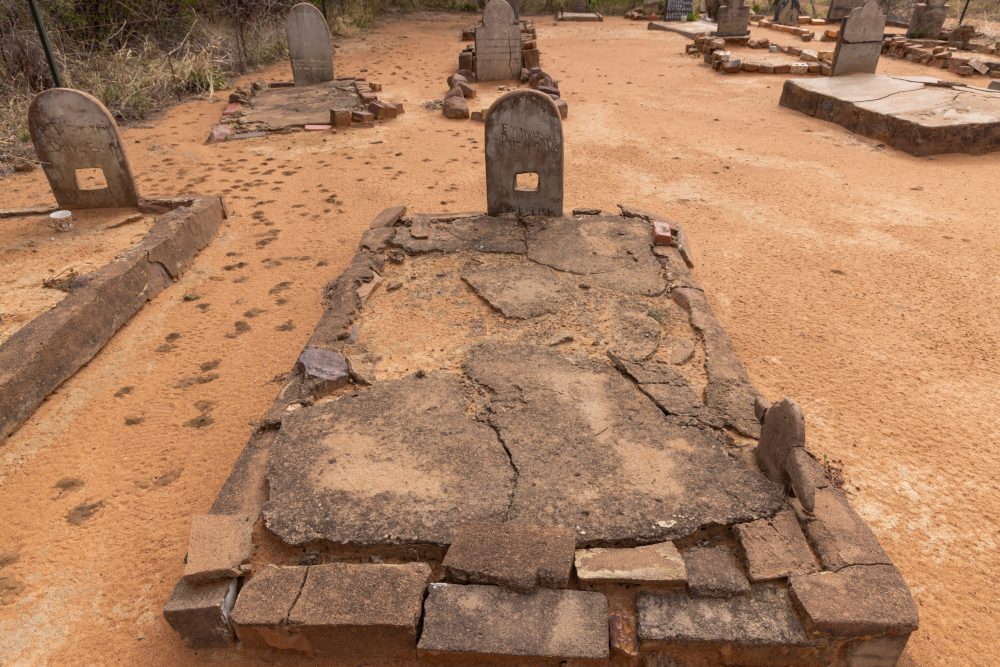
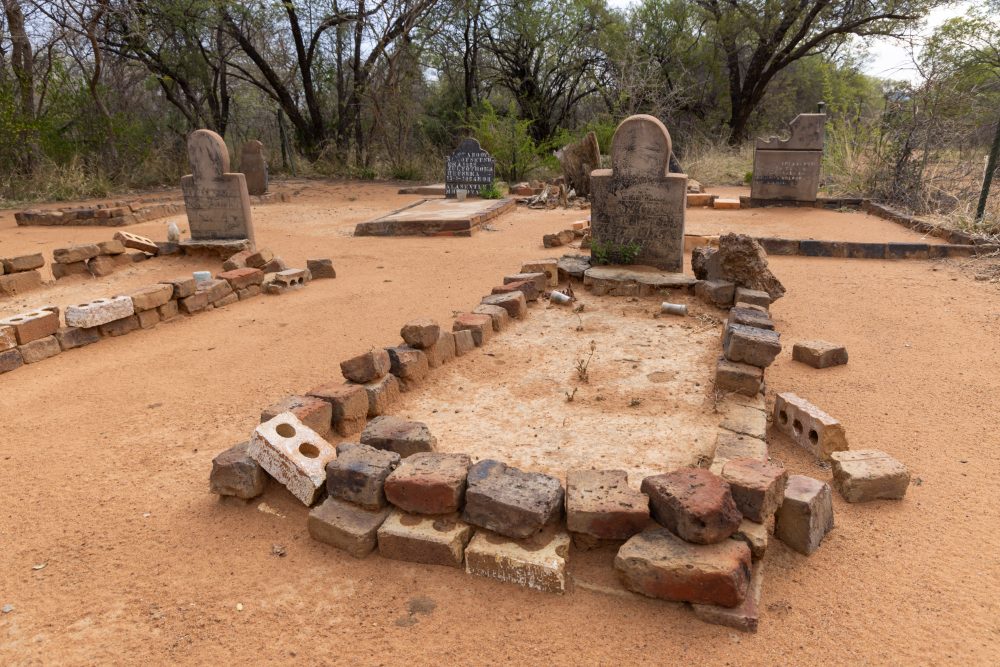
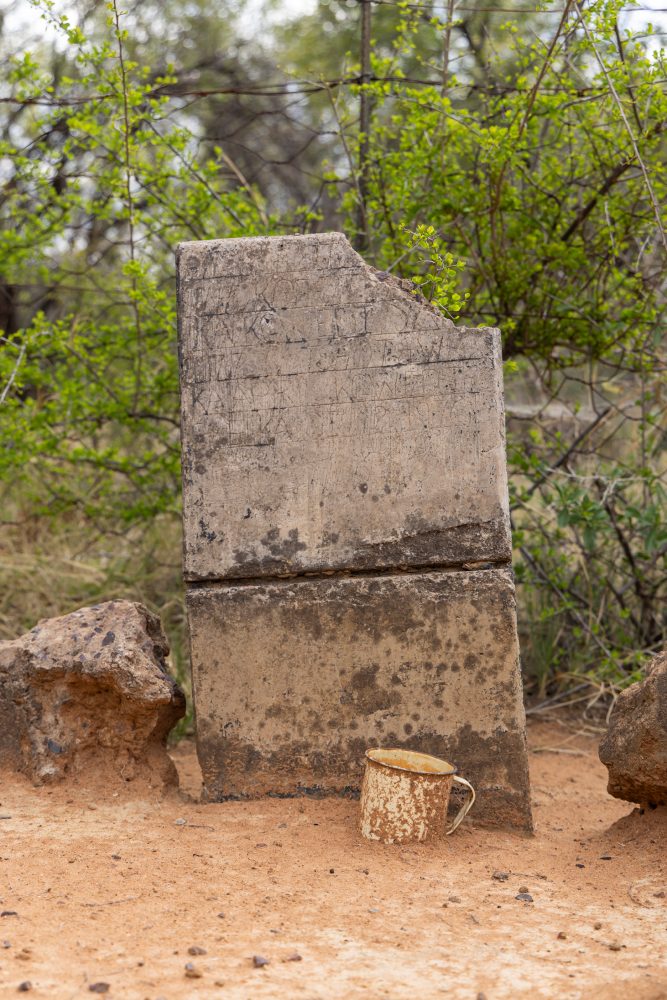
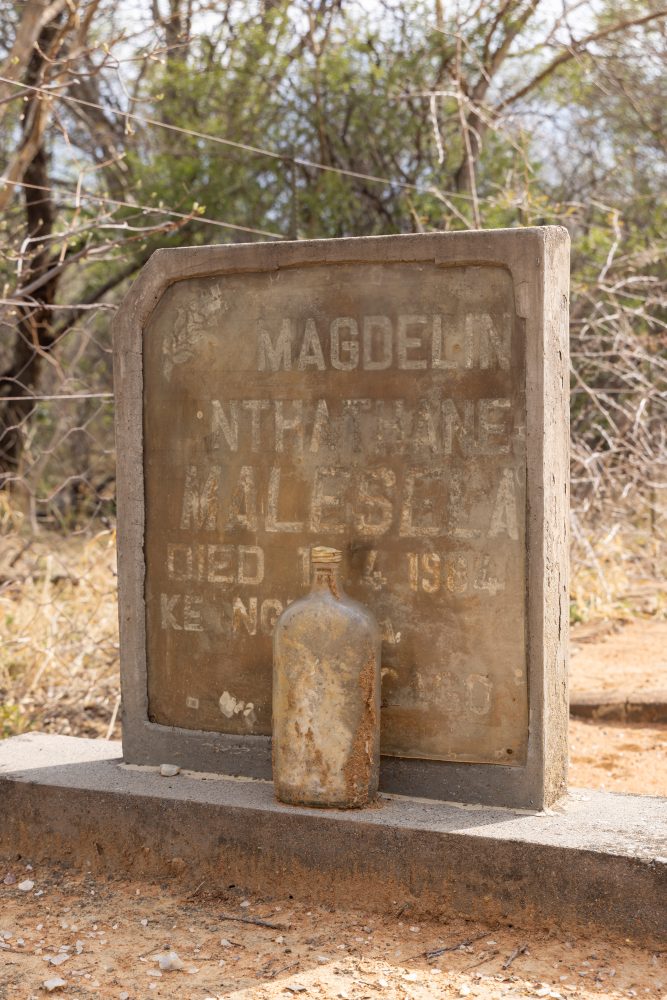
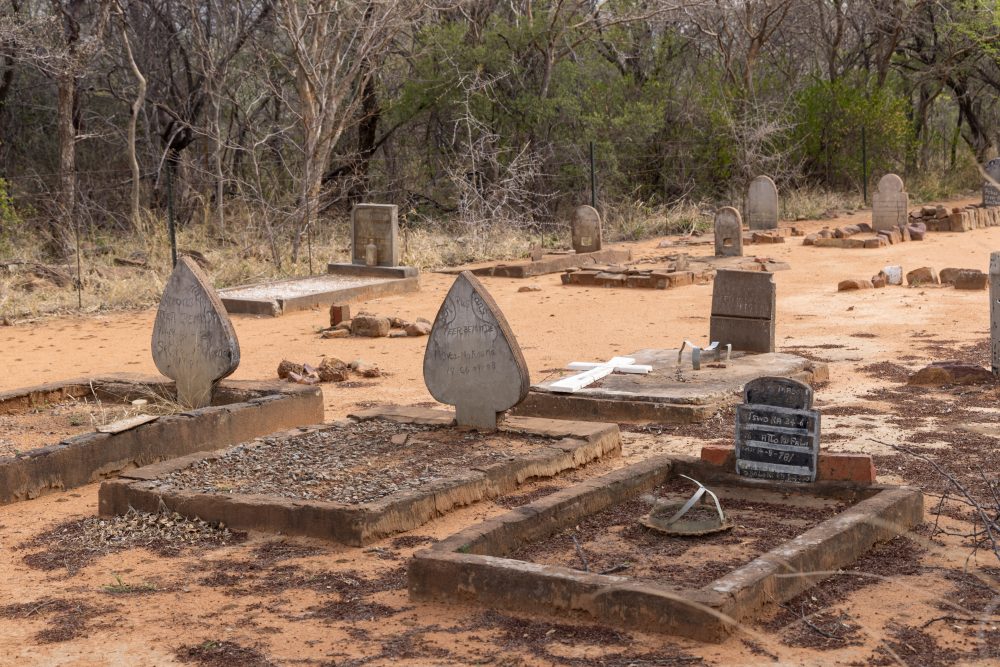
MNP 22, known as the Coetzee Cemetery, is located within the broader Matlabas region of the Marakele National Park, in proximity to historical settlement areas associated with early colonial and local farming communities. The cemetery occupies a gently sloping area with defined burial plots and is accessible via a secondary gravel road that connects it to nearby farms and settlements. Its position and preservation make it a recognisable cultural landmark in the surrounding landscape.
The cemetery is situated in an open area which has grassland interspersed with occasional trees and shrubs. The surrounding environment is largely rural, with agricultural activities dominating the broader landscape. The site is generally well maintained, and its open aspect allows for unobstructed views of the surrounding terrain, contributing to its solemn and reflective atmosphere. Seasonal vegetation growth occasionally obscures some of the older graves, though pathways remain visible.
The underlying geology consists of weathered granite and sandy soils typical of the Matlabas basin. The soil composition allows for relatively easy excavation of burial pits, while the stable ground prevents significant erosion or subsidence. Locally available stone has been used in some grave as markers and for building enclosures, reflecting vernacular materials and construction techniques. The geological conditions have supported the long-term preservation of grave structures.
Coetzee Cemetery holds substantial historical and political significance. It serves as a tangible reminder of South Africa’s social history, particularly relating to the racial laws that prohibited inter-racial marriages during the apartheid era because of restrictions that were applied through racially induced legislation. Prior to the formalisation of the Prohibition of Mixed Marriages Act of 1949 and the Immorality Amendment Act of 1950, interracial relationships were socially stigmatised and, in many regions, informally policed by local authorities and community norms. The Coetzee family’s decision to maintain and bury relatives within a shared family plot including individuals of mixed descent suggest a degree of resistance to prevailing racial ideologies and offers a rare example of social cohesion across racial boundaries during an era of intensifying segregation. The history that defines this cemetery makes it an important heritage site that symbolises resistance, remembrance, and reconciliation. It is a material record of lived experience that challenged the dominant narratives of racial separation of the early to mid-20th century.
MNP 22 today functions not only as a historical burial ground but also as a site of reflection and education. It has become a destination for tourists and heritage visitors, offering insight into the complex socio-political narratives of the region’s past and contributing to cultural tourism and historical awareness.