Groot Kolk
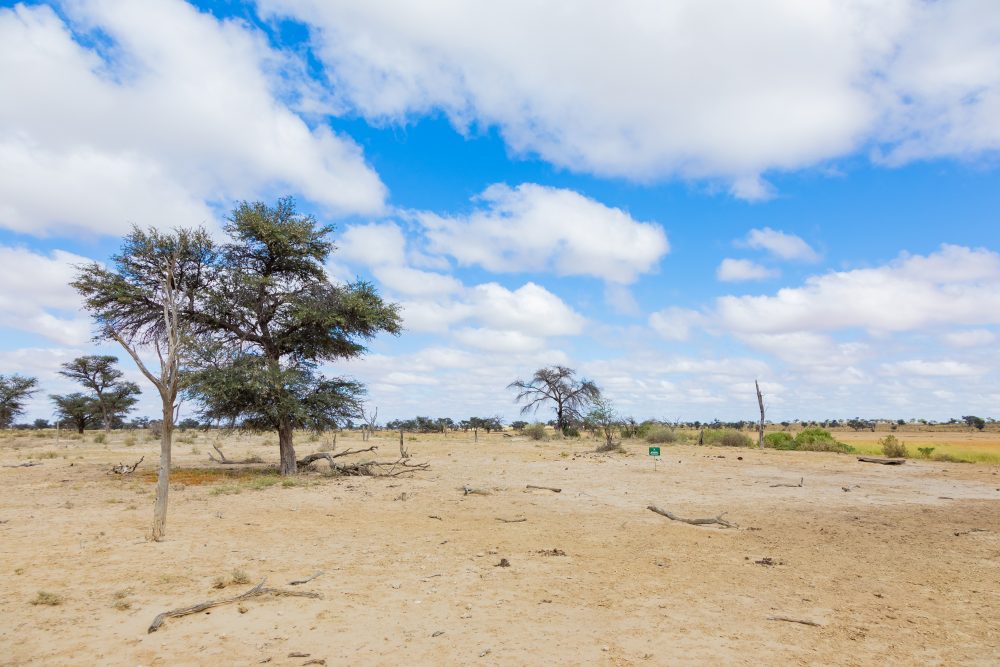
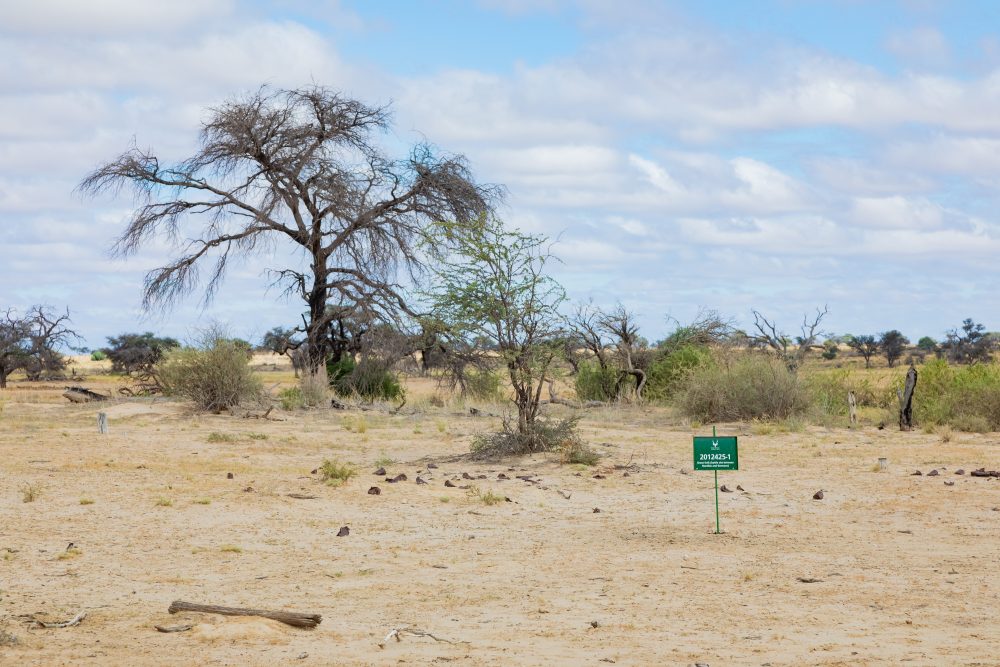
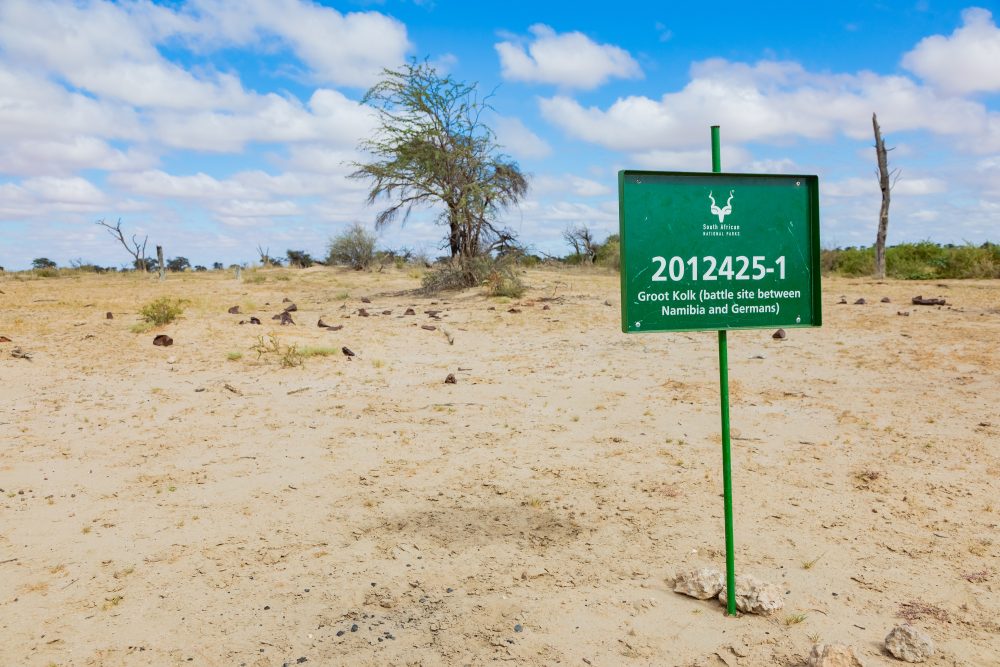
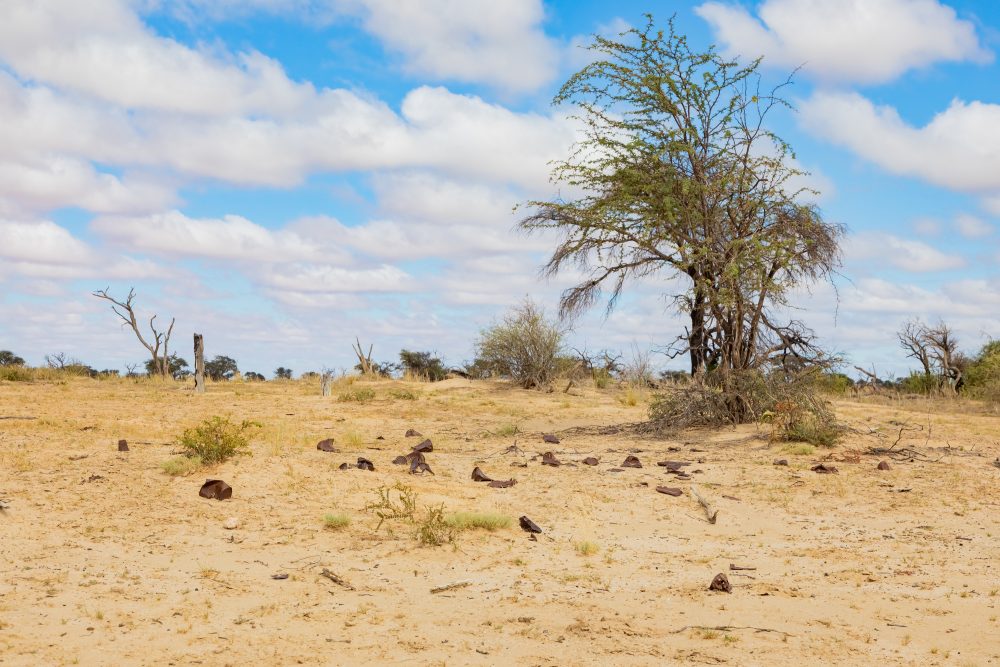
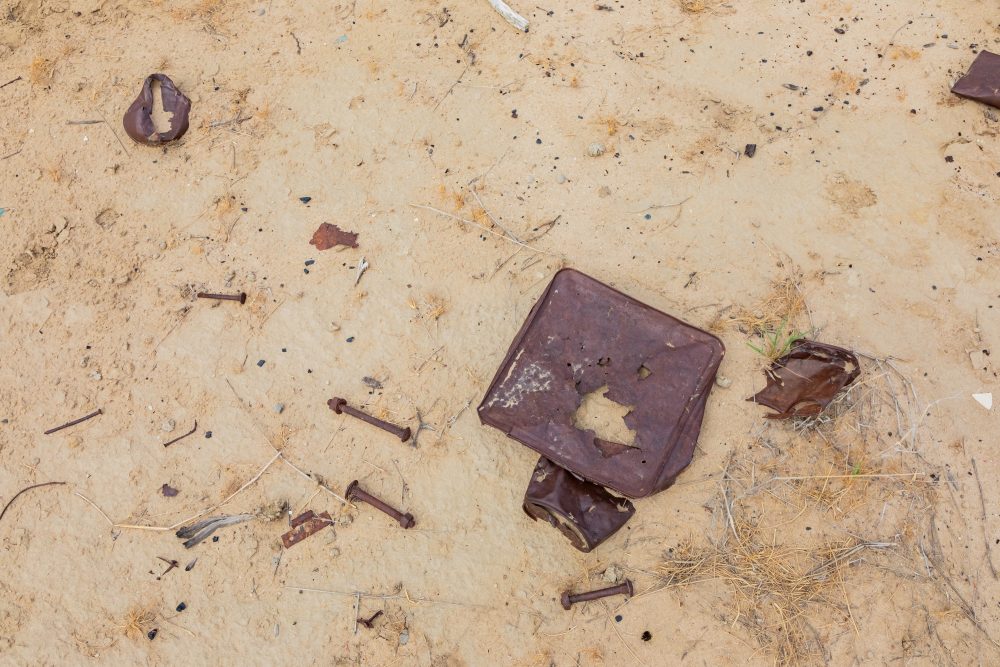
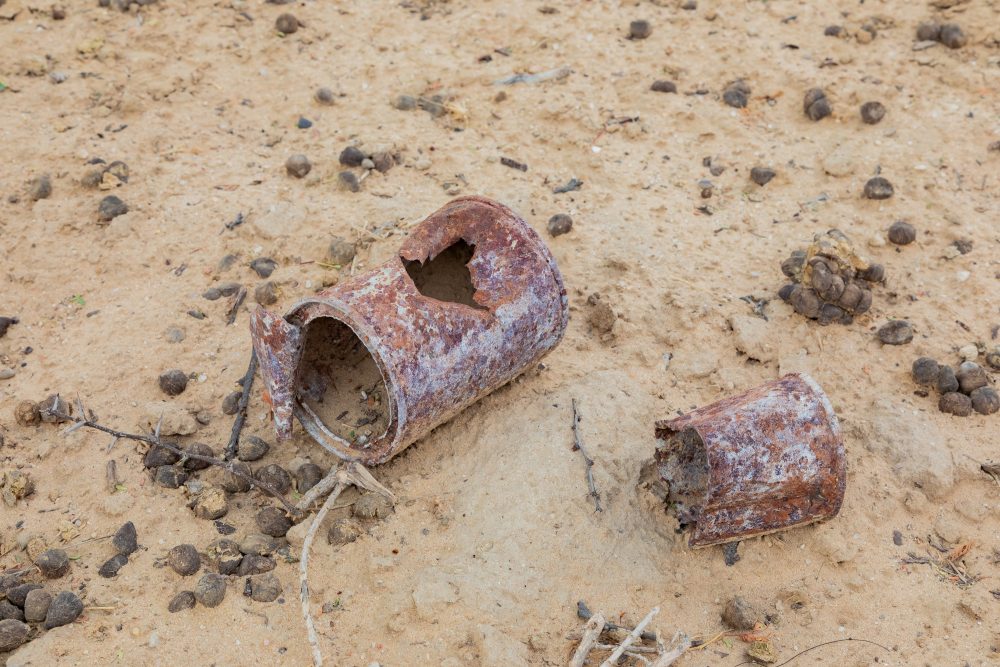
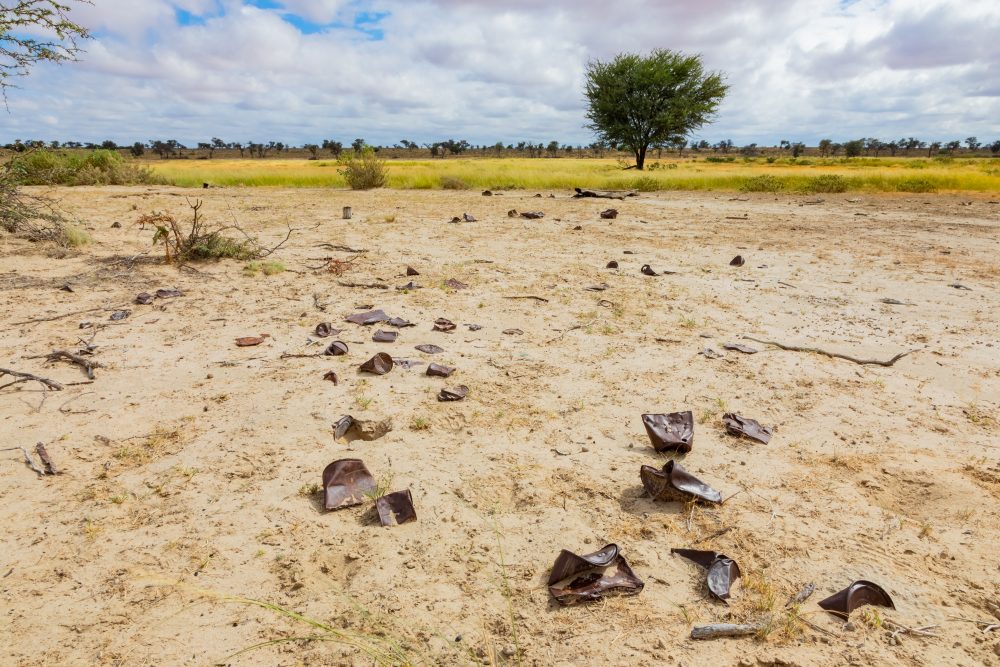
Groot Kolk is a prominent hill situated near Union’s End, the tri-national point where South Africa, Botswana, and Namibia meet within the Kgalagadi Transfrontier Park. Its proximity to Union’s End underscores the role of the Groot Kolk within a contested transboundary space, where shifting political boundaries, military movements, and indigenous land use intersected. The site lies in a remote section of the southern Kalahari, close to the upper reaches of the Nossob river system. Its elevated position makes it a notable landmark in an otherwise gently undulating sanddune landscape and contributes to its strategic and navigational importance within this transboundary region.
The Groot Kolk holds significant cultural and historical value as part of a broader frontier landscape shaped by colonial expansion and indigenous resistance during the late 19th and early 20th centuries. The area is associated with conflicts involving German colonial forces and indigenous communities, notably the Nama and Herero people, during a period of intense upheaval in what is now Namibia and its border regions. As such, Groot Kolk contributes to the layered cultural landscape of the Kgalagadi, reflecting themes of conflict, survival, and historical change in the southern African interior.
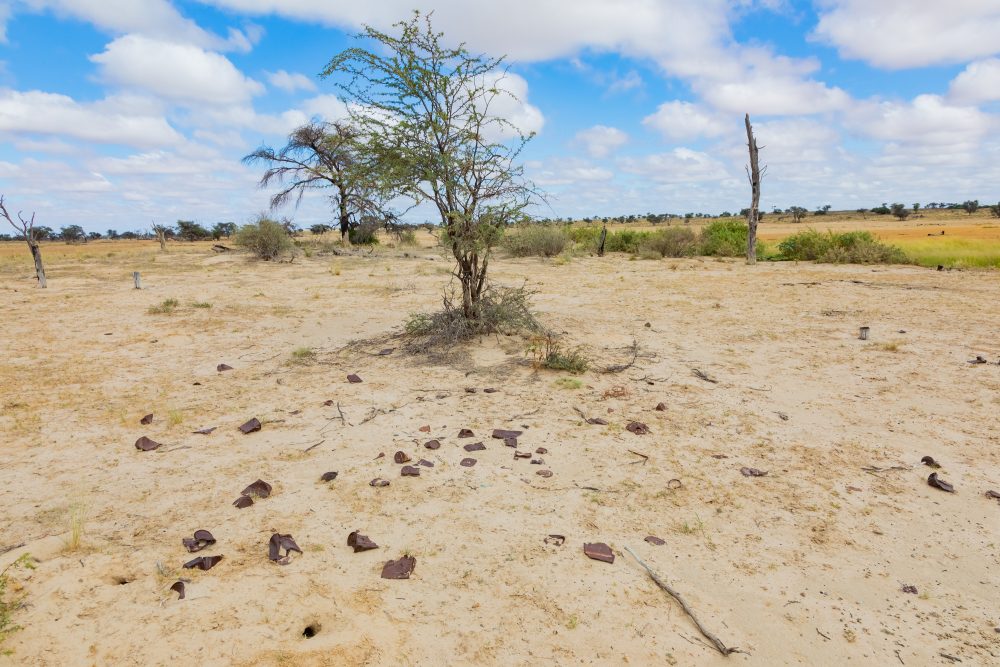
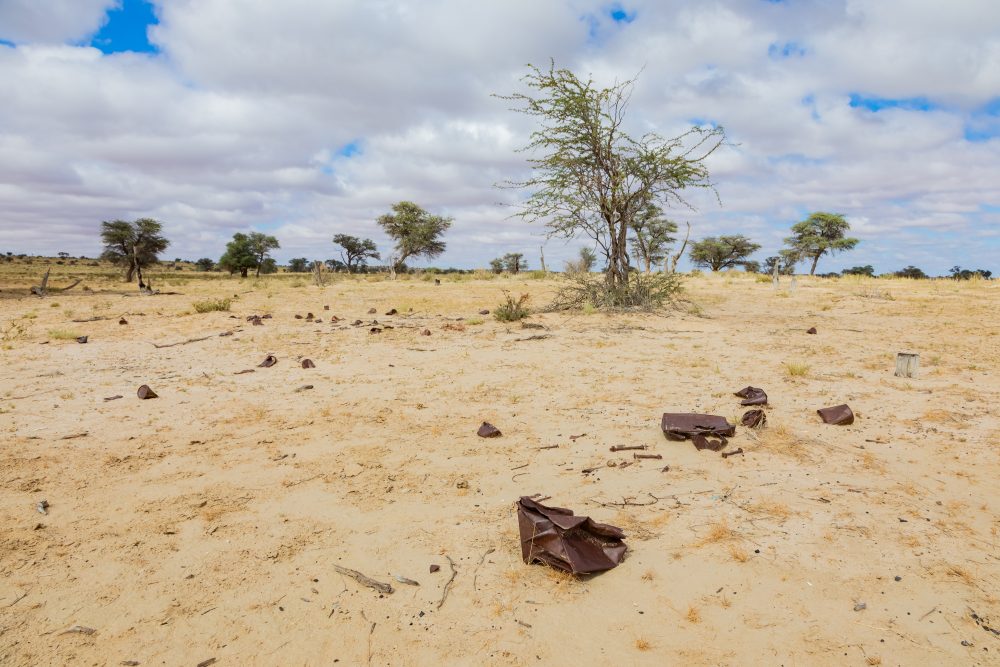
The surrounding environment is characteristic of the arid to semi-arid Kalahari ecosystem, with low annual rainfall, high summer temperatures, and cold winter nights. The vegetation consists primarily of sparse savanna and duneveld, dominated by hardy, drought-resistant species. These include camelthorn (Vachellia erioloba), shepherd’s tree (Boscia albitrunca), and perennial grasses adapted to sandy soils. The area supports a variety of wildlife, including antelope, carnivores, and bird species, reflecting the ecological resilience of the Kalahari despite its harsh climatic conditions.
The Groot Kolk is underlain by geological formations typical of the Kalahari Basin, with deep wind-blown sands overlaying older sedimentary and calcrete deposits. The hill represents a localised rise where underlying calcrete or bedrock is closer to the surface, distinguishing it from the surrounding dune fields. Such geological features are relatively uncommon in the region and have historically influenced patterns of movement, water access, and human use within the landscape.
GPS Waypoints: 24°52'56.4"S 20°09'11.4"E