Silasburg South African War Site
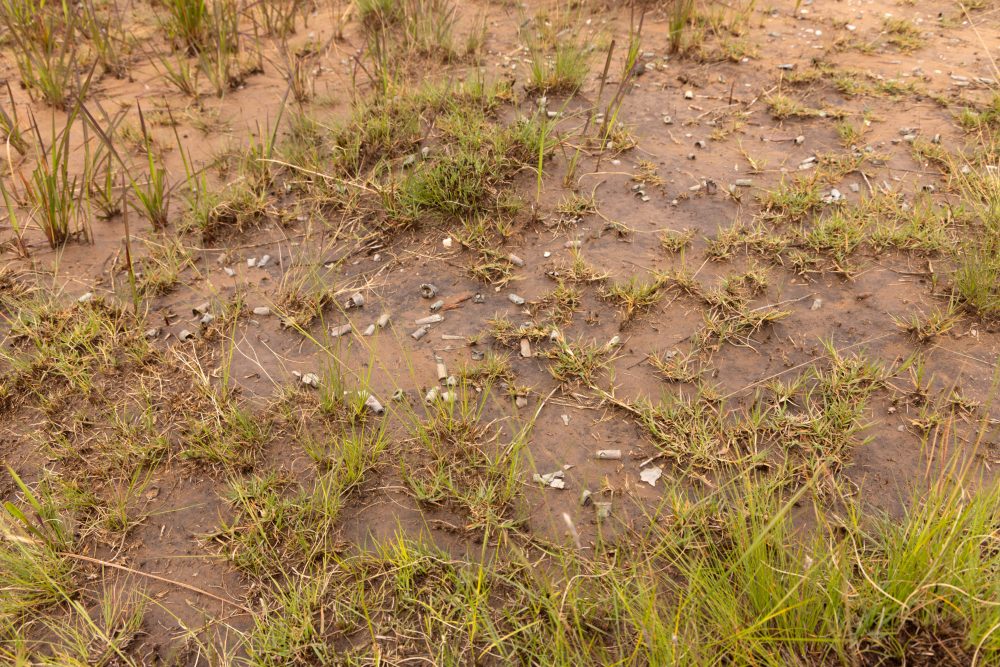
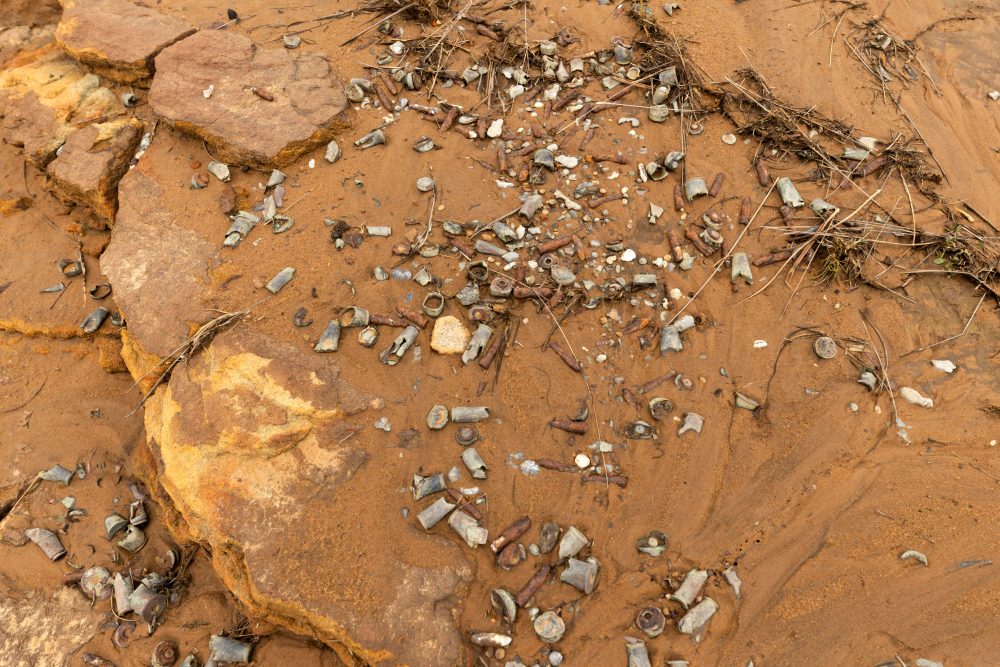
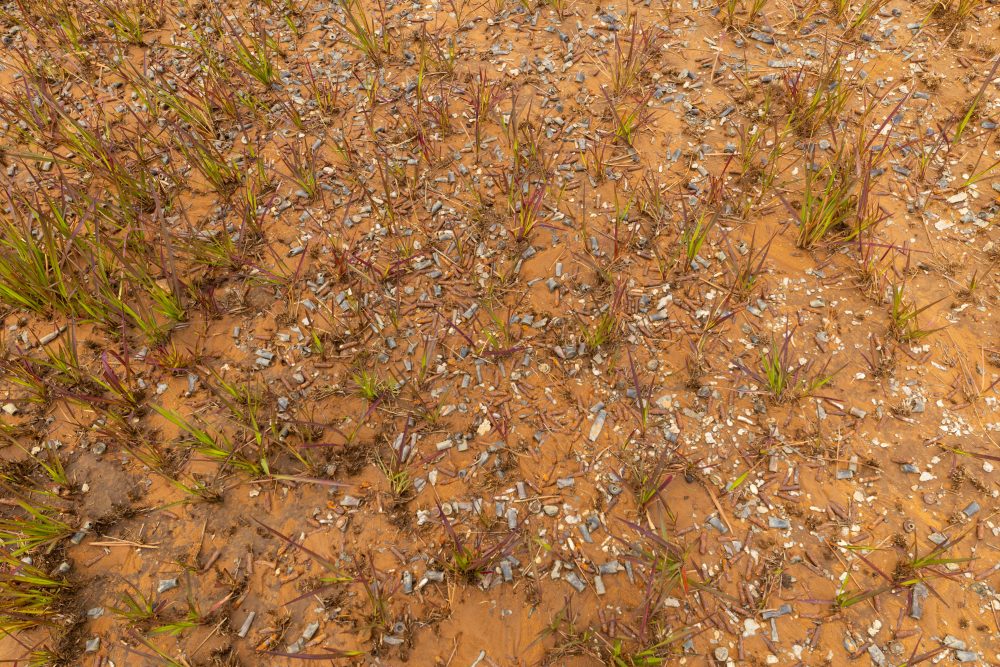
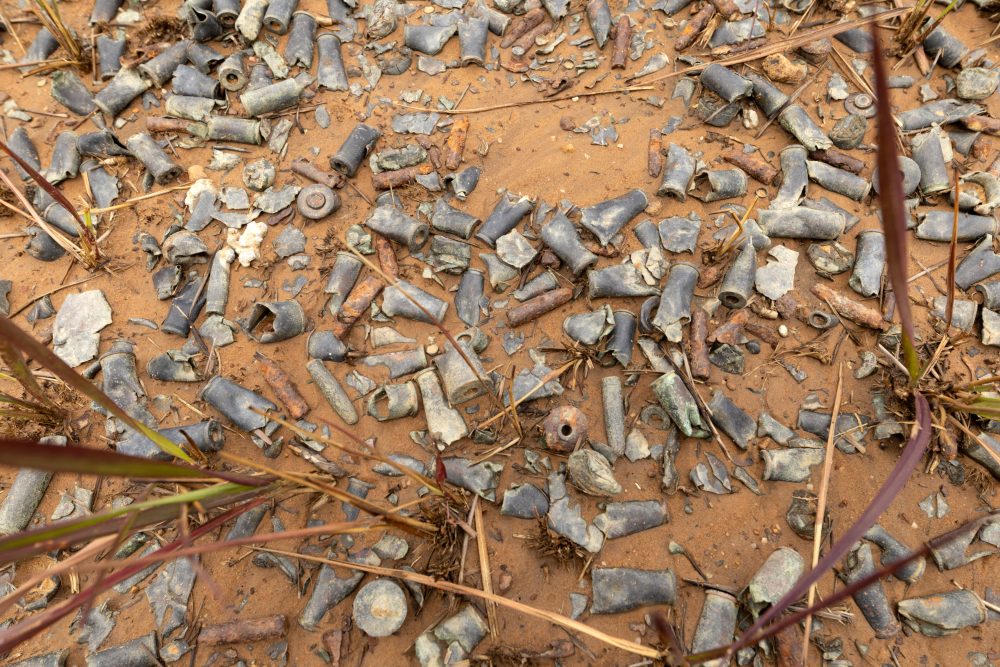
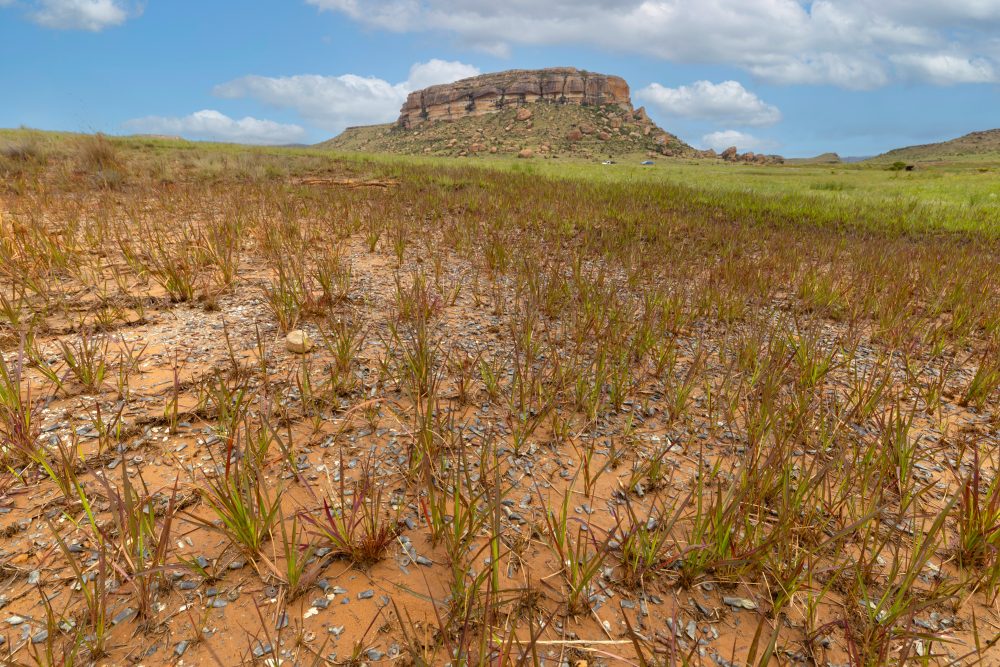
The Silasburg South African War site is located approximately 15 kilometres from Clarens and near the Lesotho border. It occupies a high vantage point overlooking the river valley and surrounding sandstone formations. Its strategic position offered clear visibility across the mountain passes and valleys an important factor during the South African War (1899–1902), previously known as the Anglo-Boer War.
The surrounding environment is characterised by highveld montane grassland, set within a dramatic landscape of sandstone cliffs, steep ridges, and rolling plains. The area supports typical eastern Free State flora, including Themeda triandra (red grass), Aristida junciformis, and scattered Aloe and Helichrysum species. The climate is temperate, with cold, frosty winters and warm, thunderstorm prone summers. The relative isolation and elevation of the site would have provided natural defensive advantages during wartime, as well as access to vital resources such as water from nearby streams and grazing for horses.
The Silasburg site is set within the Clarens Formation, part of the upper Karoo Supergroup, which consists predominantly of fine-grained aeolian (wind-deposited) sandstone dating back approximately 190 million years to the Early Jurassic Period. These golden yellow and reddish sandstones form the park’s iconic cliffs and overhangs. The area’s rugged terrain is shaped by erosion and differential weathering, created a landscape of natural fortifications, ridges, and outcrops features that influenced the tactical positioning of troops during the war. The durable sandstone also provided material for low defensive walls and shelters, traces of which remain visible at the site.
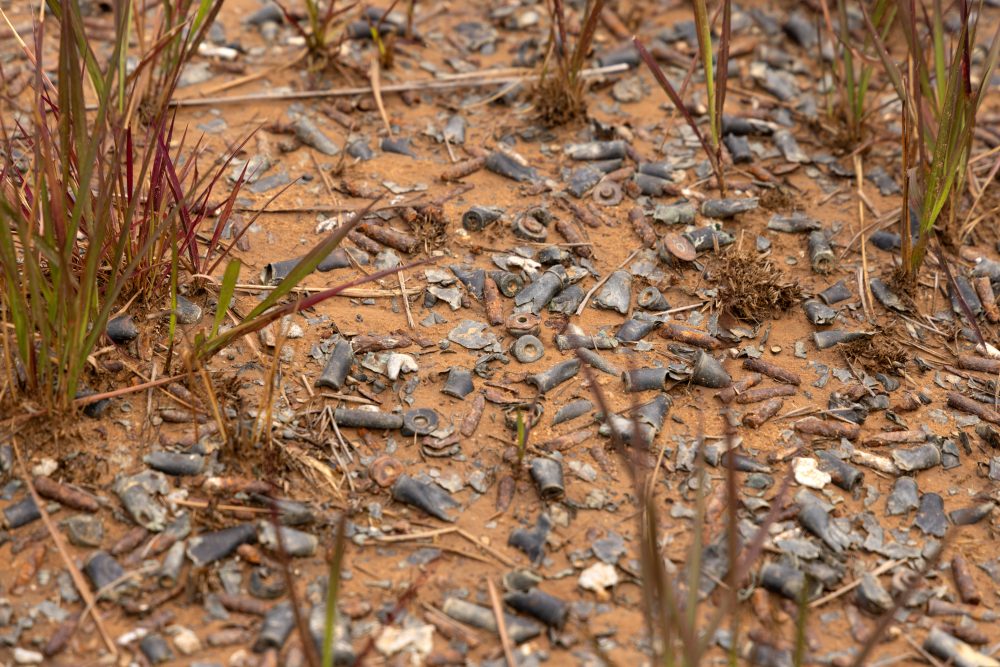
The Silasburg site is of historical and cultural significance as a remnant of the South African War (1899–1902), a conflict that profoundly shaped the country’s political and social landscape. Archaeological and historical evidence indicates that Boer commandos and possibly British scouting units occupied this area, using the elevated terrain for observation, signalling, and temporary encampment. Artifacts such as used and unused bullets, as well as bullet shells have been documented in the vicinity, offering tangible links to the lived experiences of soldiers and local inhabitants during the war.
The site, which has never been studied archaeologically except for limited surface recording that has been carried out intermittently, documenting scattered artefacts such as spent cartridge cases and metal fragments associated with troop occupation in the area, represents a crucial intersection between natural and historical heritage. It illustrates how the dramatic landscape of the Golden Gate Highlands provided both refuge and strategic advantage in times of conflict. Today, it serves as a place of reflection and education, contributing to the park’s broader narrative of human occupation, resilience, and memory within the Free State highlands.