Winterhoek House and Wagon Shed
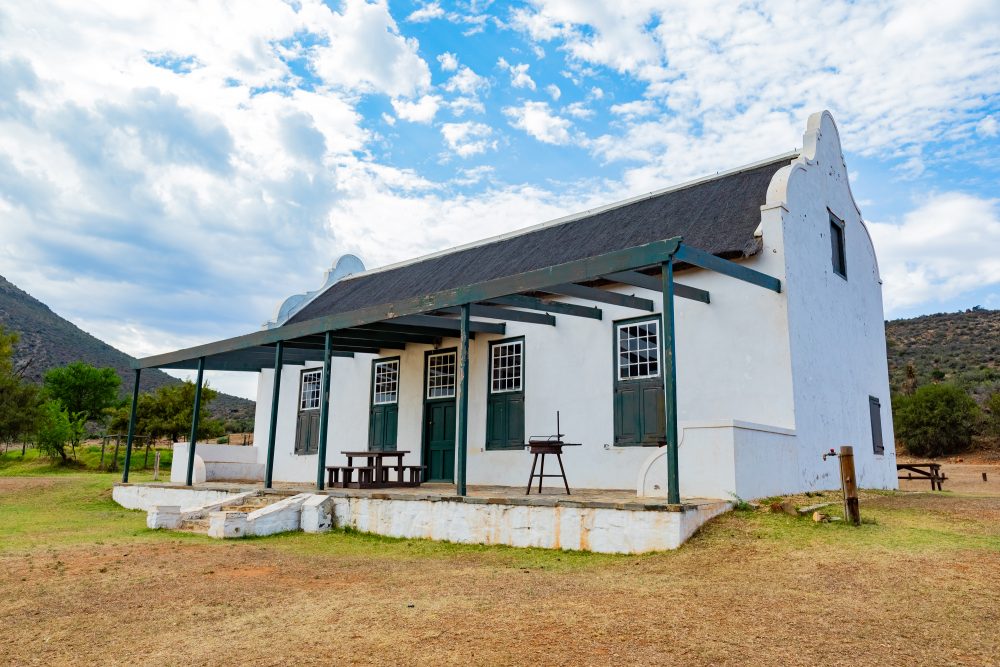
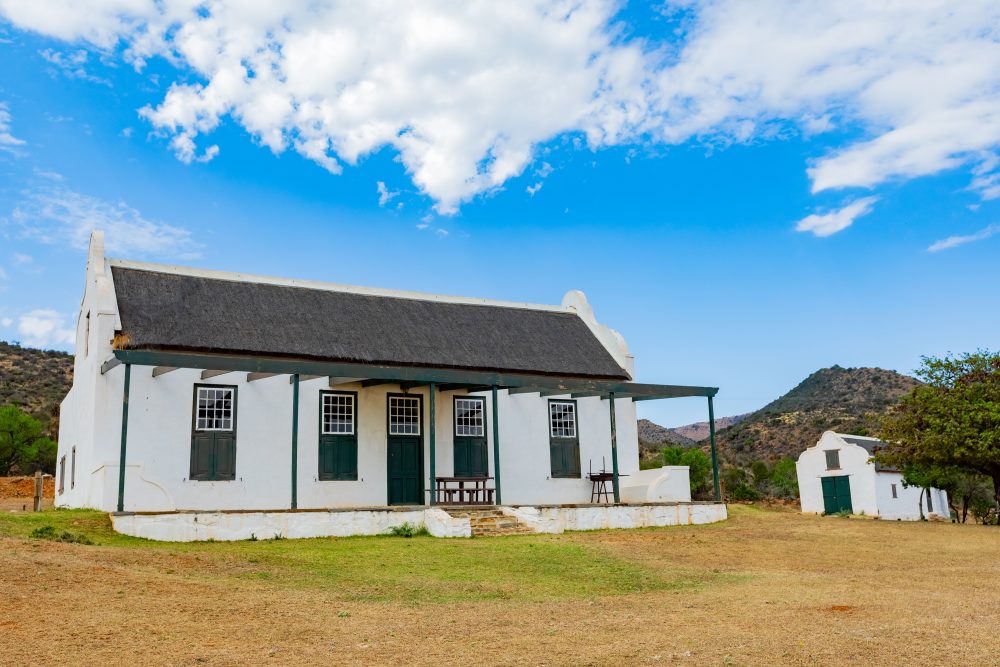
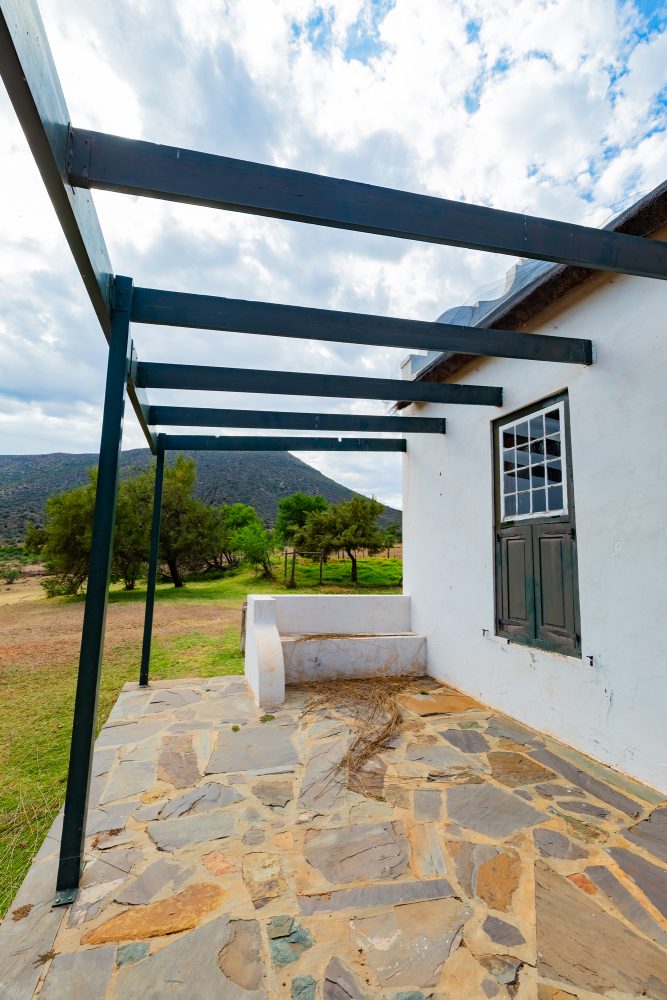
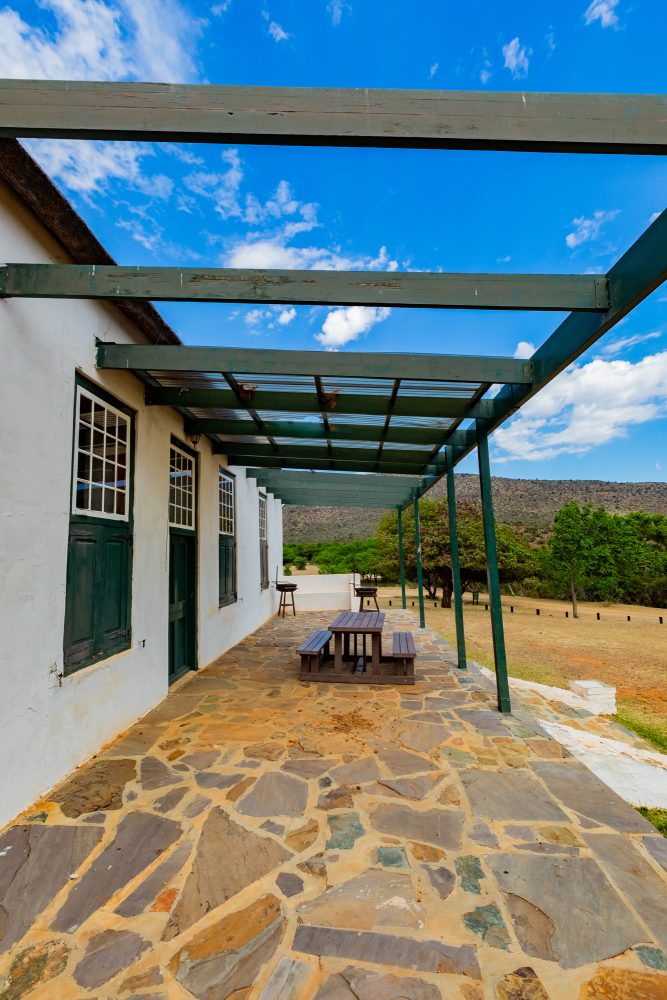
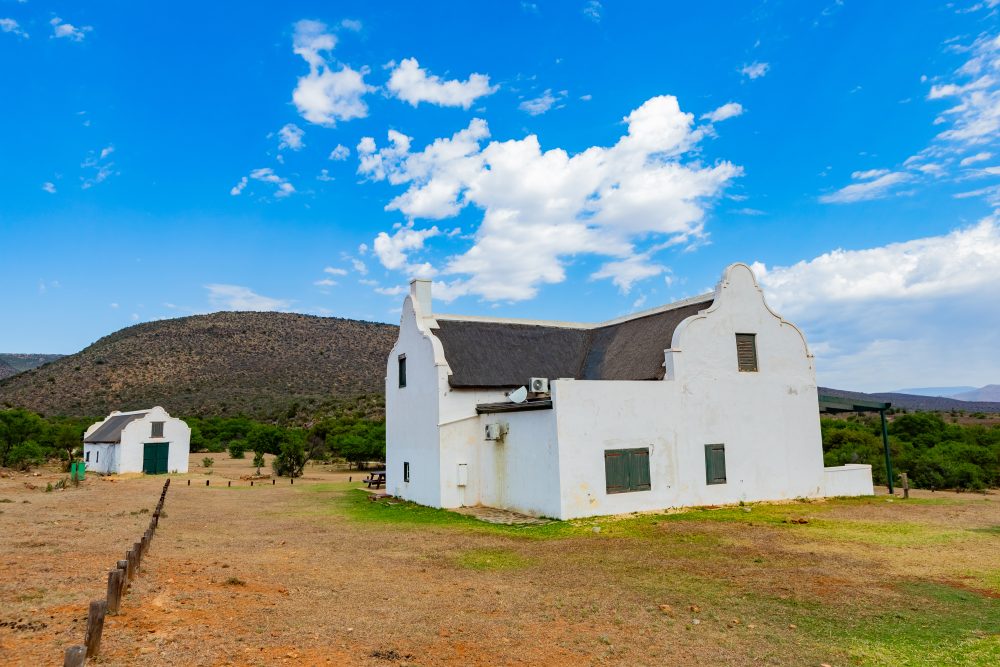
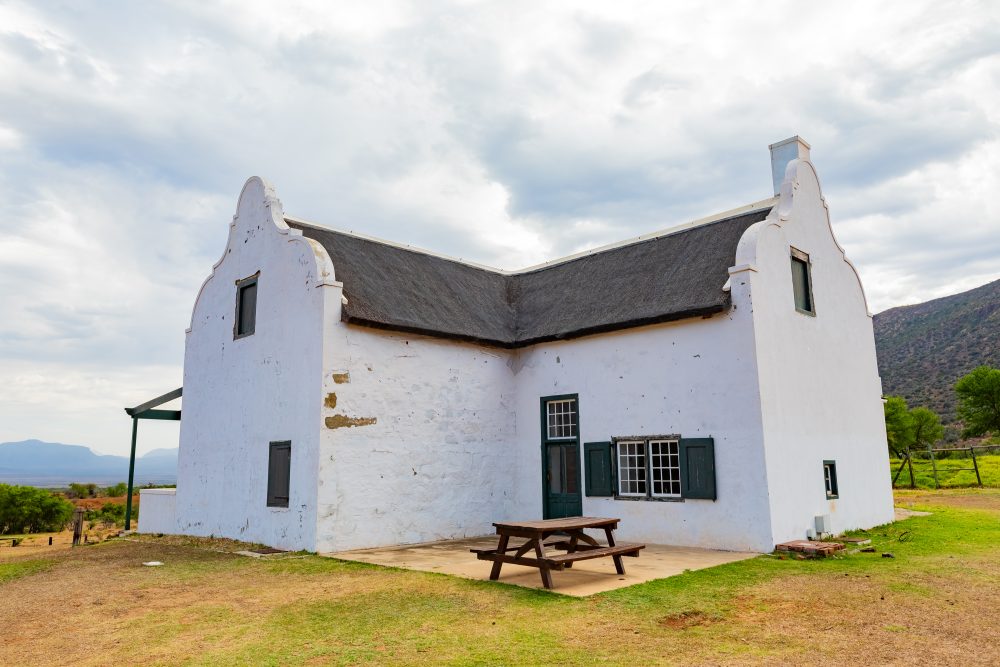
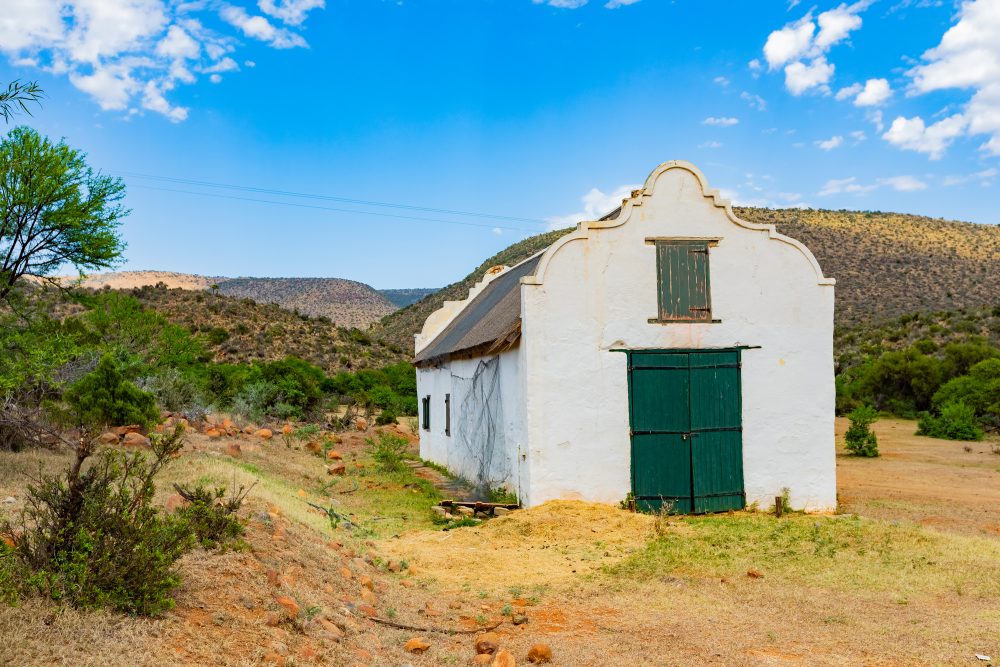
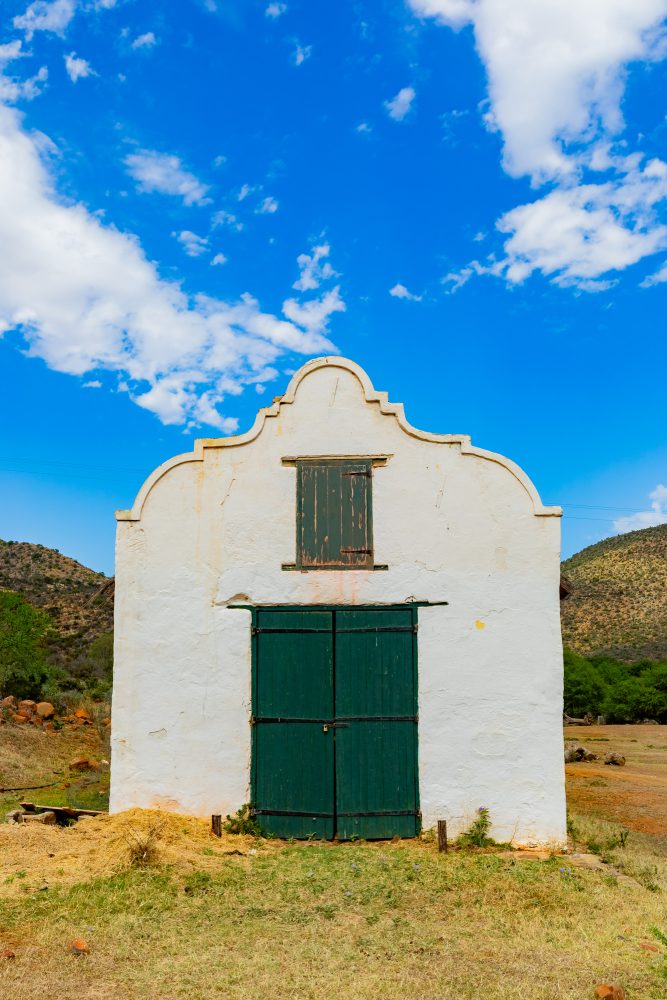
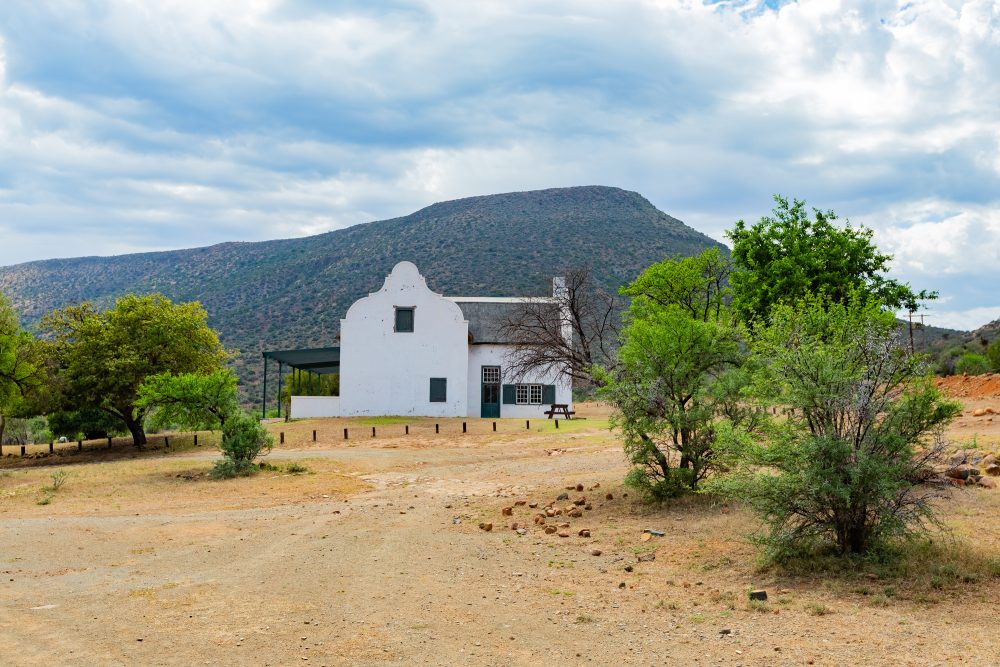
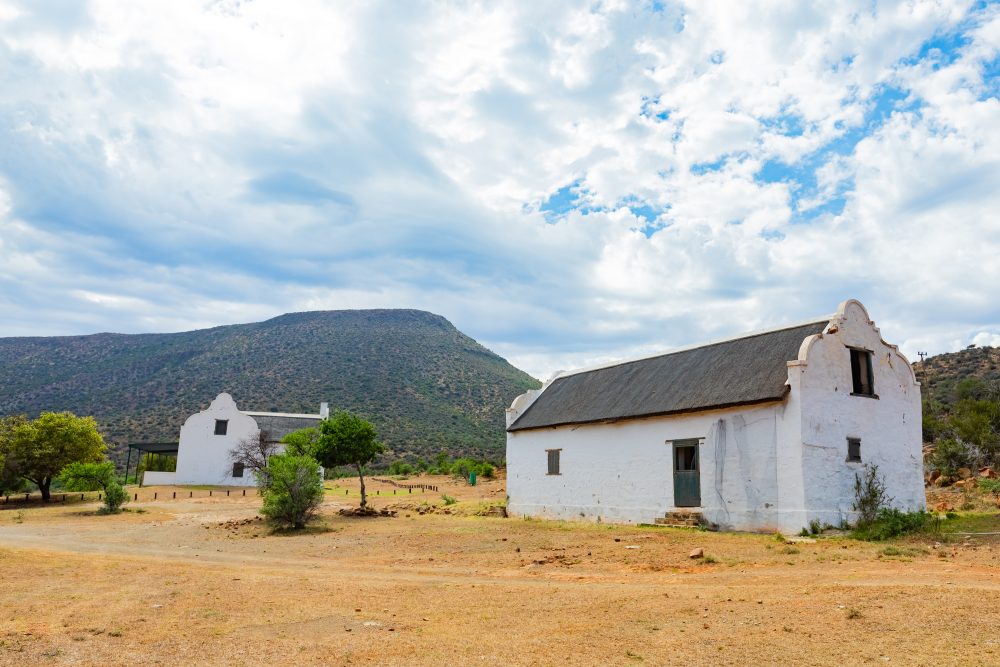
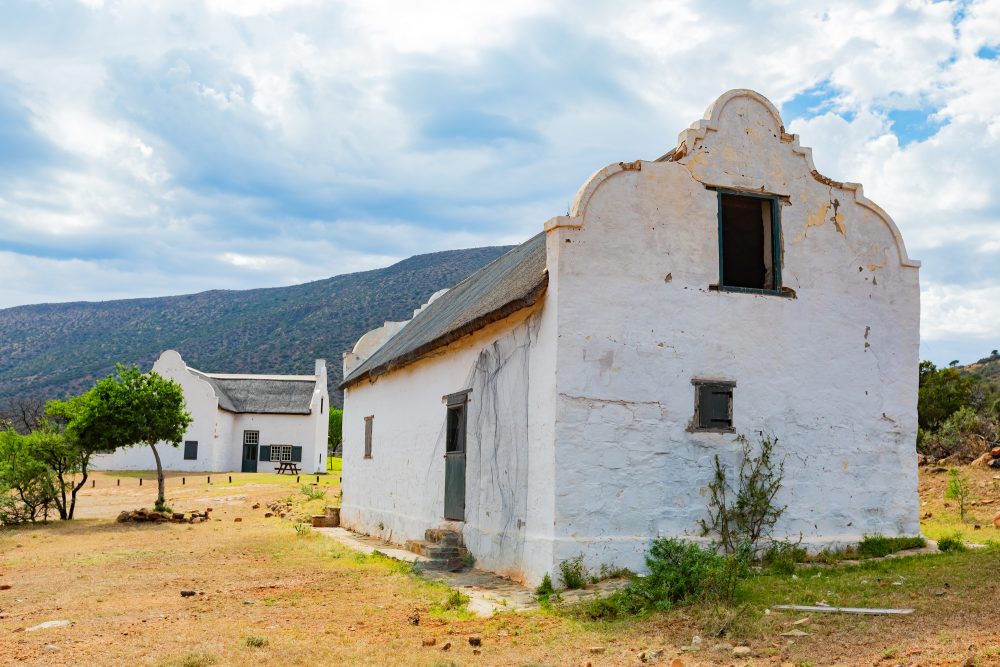
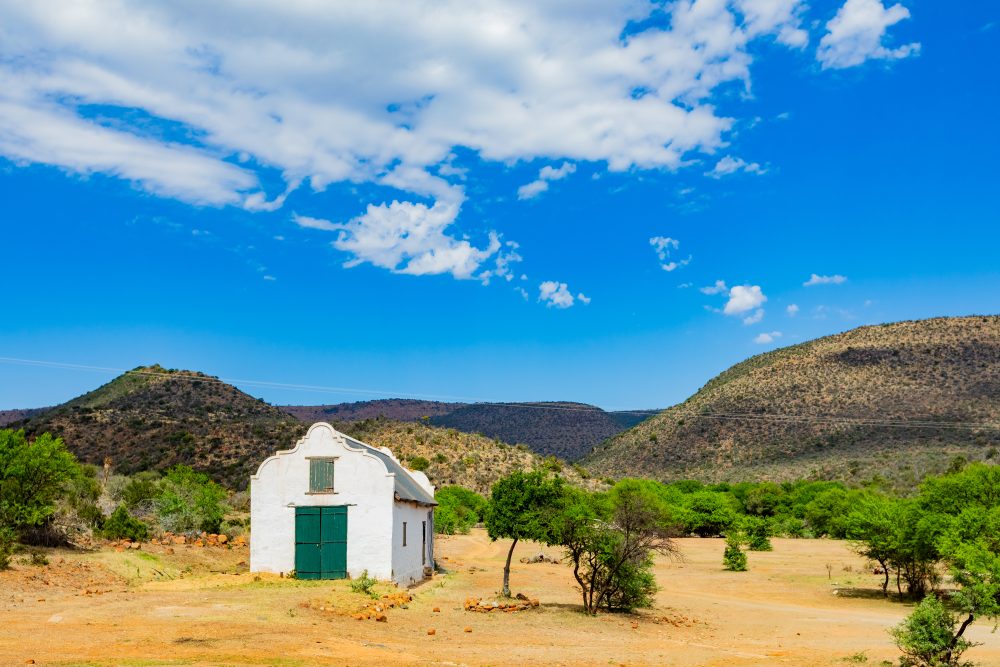
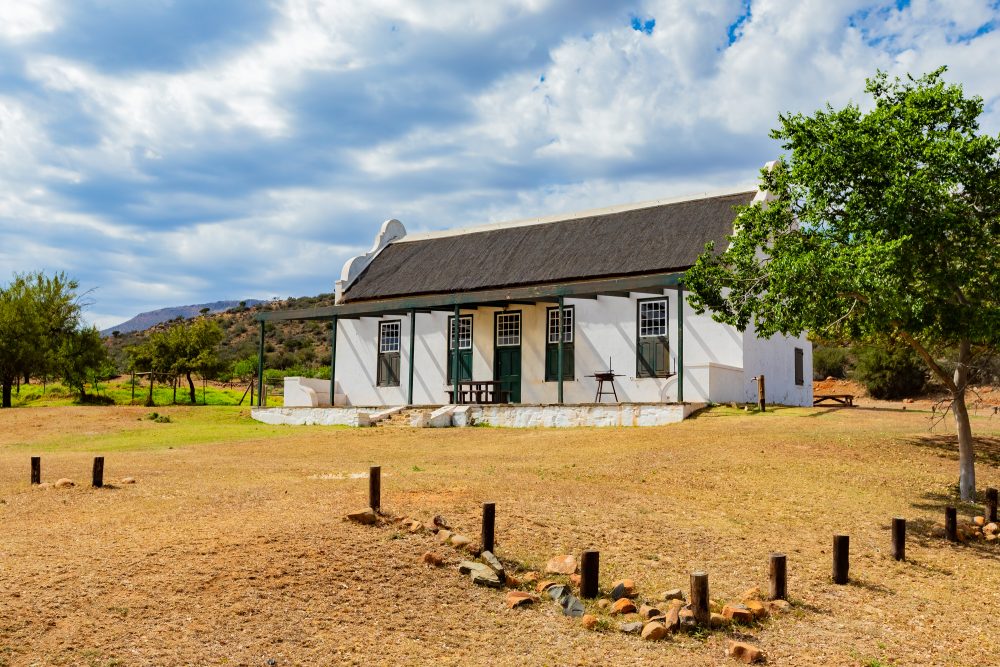
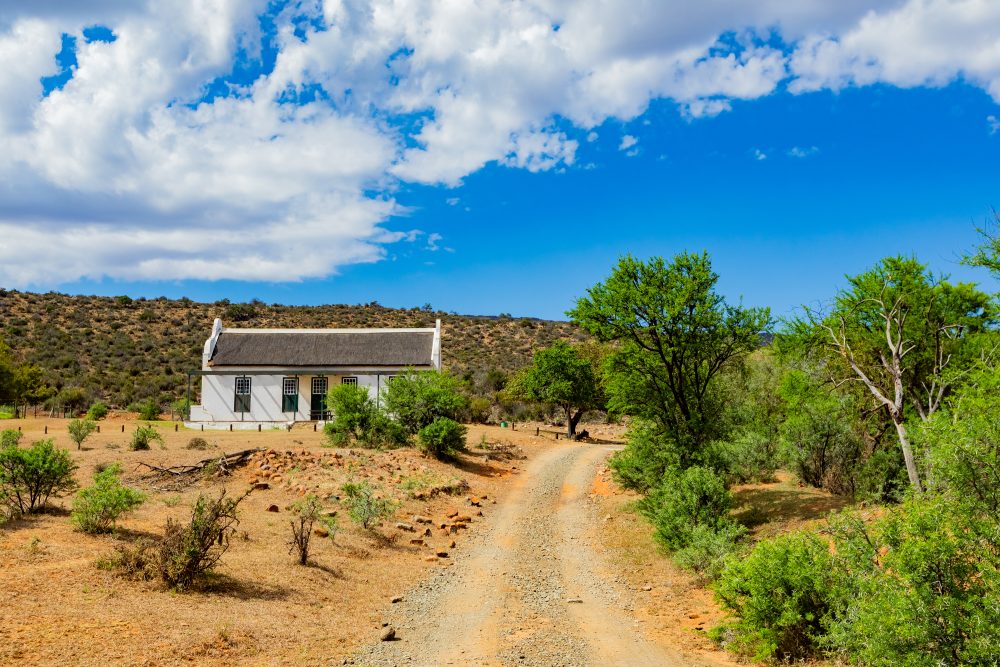
The historic Winterhoek house and wagon shed, found within the previous farm that was named Winterhoek, are thought to have been built around 1844. In describing its architecture, the property was defined as a ‘splendid dwelling house’ in an article published in an advertisement of 1869, in the Graaff-Reinet Herald. Over time, the original buildings of the property that was used as a farmstead were subjected to much modification. Besides these modifications, the house and the wagon shed were still deemed to be of historical significance, and thus worthy of restoration, following architectural assessment by Moffat and Whitlock Architects. This finding was based on three reasons. First, because the property still had architectural features that were of historical value. Second, as a result of scarcity of houses dating to the period prior to the 1850s. Third, the fact that most farm buildings were left to ruin because of depopulation of the farms.
To restore the architectural significance of the property, the report recommended that all additions that were made over the decades be removed, to have the house regaining its architectural integrity. The property on which the house and the wagon shed are found was the Winterhoek farm, which Dr Anton Rupert had wanted to purchase and have it donated to the park. This wish was fulfilled by the Rupert family, and this led to the park extended to 19 137 hectares. When the boundaries of the Camdeboo National Park were expanded in 2007, the historic Winterhoek house and wagon shed served as the homestead for Mr Dickie van Rensburg and his family who were farming within the property. Funding for the restoration of the Winterhoek house and wagon shed, once the land had been purchased, was provided by the Rupert Historic Homes Foundation. The intention, following the restoration of the property, was to have it used as a guesthouse for visitors to the park.
Further restoration of the Winterhoek gueshouse was undertaken in 2017, ten years after the initial interventions. These efforts were coordinated by the Graaff-Reinet Heritage Society and several individuals from the Graaff-Reinet community who made donations.
GPS Waypoints: 32°14'40.8"S 24°27'43.7"E