Toward Green List Status: Progress for the Namaqua National Park Marine Protected Area
Between the 2nd and 4th of March 2026, teams from SANParks, French Biodiversity Agency (OFB) and the International Union for Conservation of Nature (IUCN) came together to support Namaqua National Park MPA’s journey towards archiving Green List status. The week brought together SANParks’ management and science teams, the recently appointed park manager and section rangers working within the park and MPA, along with a representative from OFB and the IUCN Green List Coordinator for Eastern and Southern Africa Office (ESARO). The goal for the week was to review progress on the Green List application, gather input from park staff and scientists, and receive guidance from the IUCN representative.
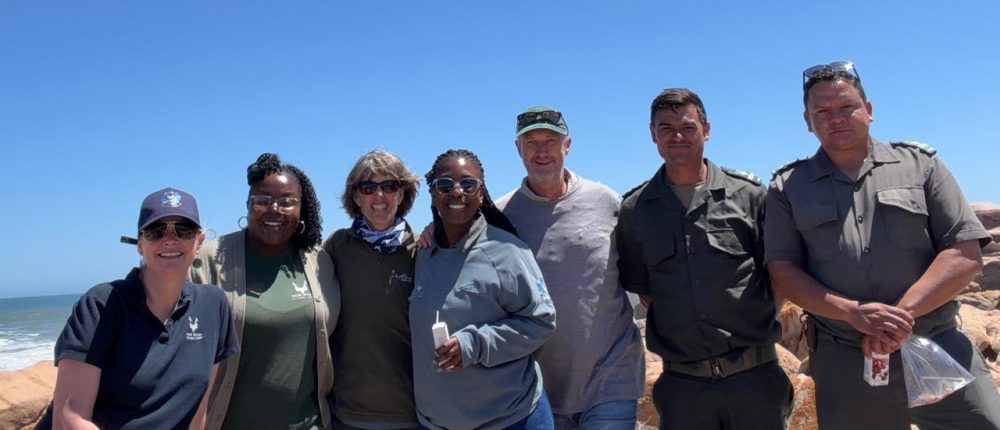
SANParks management and science teams, the recently appointed park manager and section rangers working within the park and MPA.
Discussions were focused on understanding the needs of the Green List process, exploring what has been done and what support is still needed to move the application forward. As such, several key aspects of protected area management, including governance, design and planning, effective management, major site values, research and monitoring, communication strategies, resources, and priority areas for monitoring were discussed. The team also explored current and emerging challenges that may influence the long-term management of the MPA. The insights provided by the IUCN representative were invaluable and will help guide the next steps that are required to move the park from candidate phase to full Green List certification.
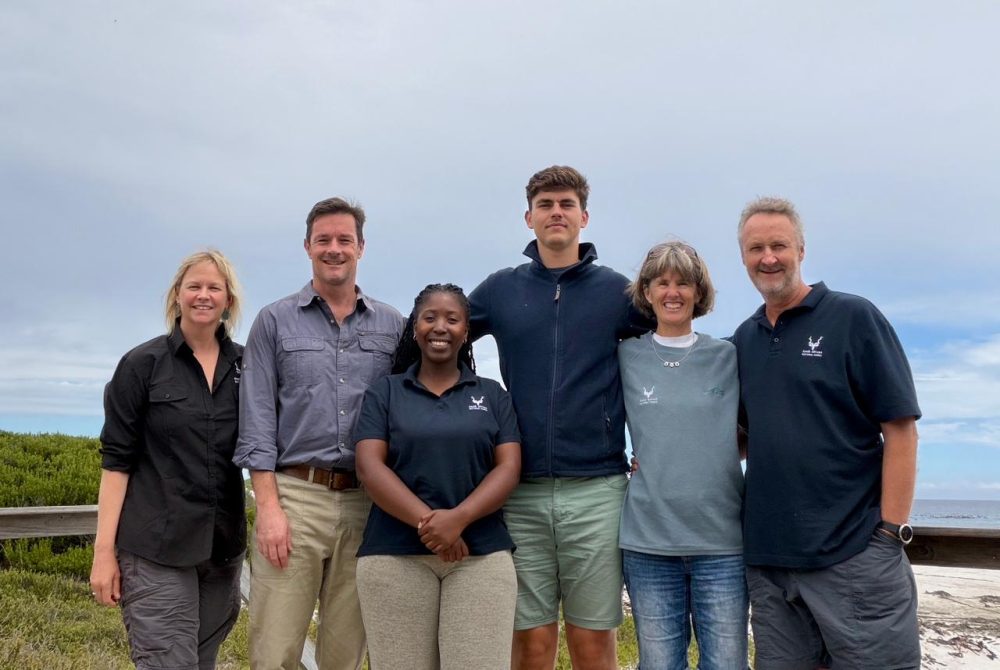
SANParks’ team with the representative from French Biodiversity Agency (OFB) and the IUCN Green List Coordinator for Eastern and Southern Africa Office (ESARO).
What is Green Listing and why is it important?
The IUCN Green List of Protected and Conserved Areas is a global benchmark for protected area management effectiveness which is independently assessed by IUCN expert assessors. In simple terms, it represents a global “gold standard”, showing that a protected area is not only designated, but is also being effectively managed and delivering real benefits for nature and people. To learn more about Green Listing of Protected and Conserved Areas, click here.
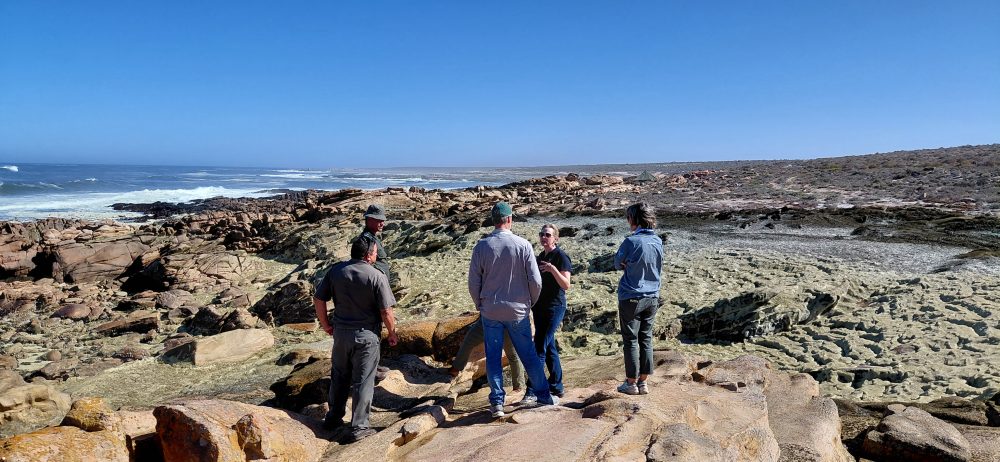
The team had a field visit along the full length of the Namaqua National Park MPA. During the visit, areas of ecological importance were highlighted while sharing insights into the park’s history, management priorities, and monitoring activities.
To achieve Green List status, the Namaqua National Park MPA must demonstrate strong governance and effective management through transparent decision-making processes, meaningful stakeholder engagement, respect for local communities and indigenous rights, clear conservation objectives, a strong scientific understanding of ecosystems, clear zoning and regulations, effective monitoring and enforcement, adaptive management practices, and measurable biodiversity indicators. This would, therefore, show that Namaqua National Park MPA is effectively managed and achieves real conservation outcomes.
The effort that has been invested into moving the Namaqua National Park MPA from a Candidate self-assessment phase toward independent assessment and certification shows SANParks’ commitment to excellence in protected area management and taking an important step towards achieving international recognition for conservation excellence.
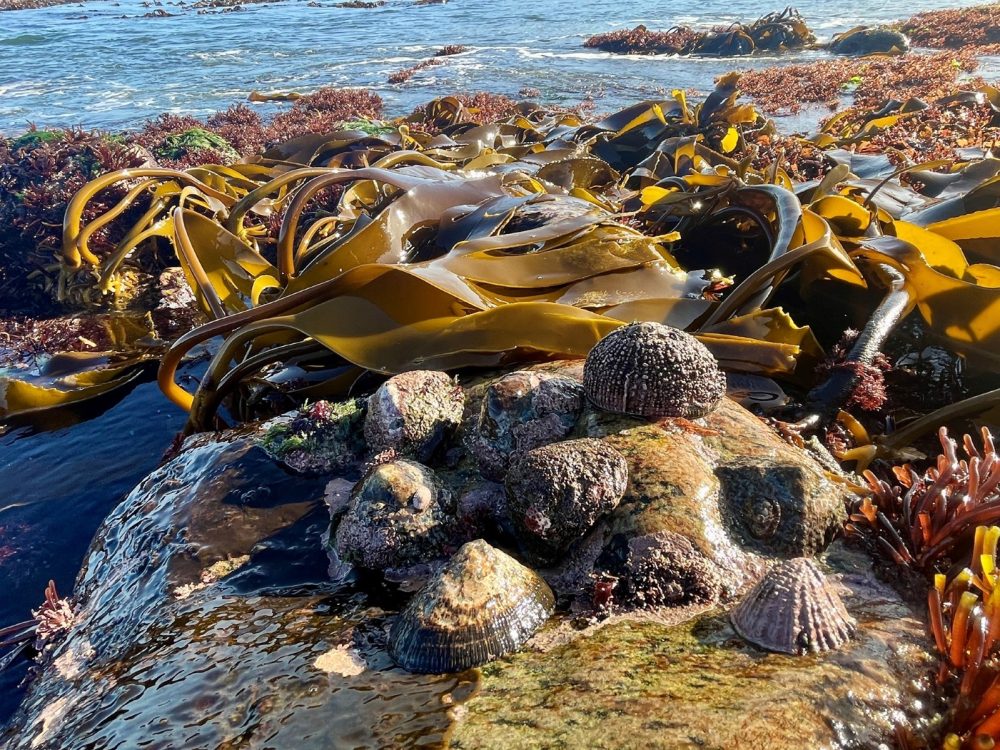
If successful, the Namaqua National Park MPA could become the first Green Listed protected area in South Africa. Achieving this status would mark a significant milestone for SANParks and for the recognition of effectively managed protected areas in the country, especially because Namaqua National Park MPA provides the only protection to ecologically important marine ecosystems in the Northern Cape.
Participants: SANParks: Dr Stef Freitag-Ronaldson, Dr Kock Alison, Andre Riley, Sinothando Shibe, Sarah Letsoalo, Russel Saal, Wayne Oppel, Oscar Osberg. OFB: Ulysse Reverre-Lamotte. IUCN: Daniel Marnewick