Synthesizing the State of Knowledge for Kruger National Park
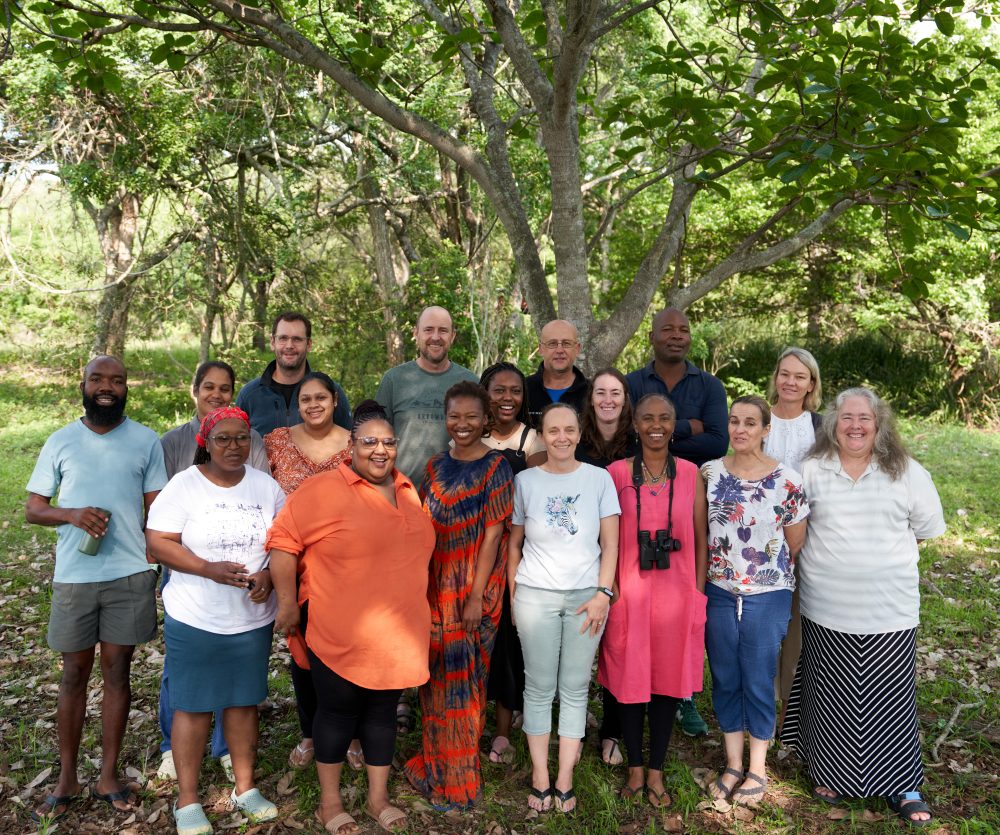
All colleagues attending the knowledge synthesis workshop
There is something special about a secluded spot nestled between hills, surrounded by bushveld, wildlife, and crisp mountain air to get the creative juices flowing to focus on some deep work without distraction. In November 2025, the Savanna Research Unit convened at Pullen Farm, on the outskirts of Mbombela, for a focused knowledge synthesis workshop aimed at advancing the development of a State of Knowledge Report for Kruger National Park. This dedicated time allowed colleagues space to harvest and synthesise biodiversity information and to develop products to streamline science support to management and researchers.
The workshop brought together colleagues from Systems Ecology, Science Support, Human-Nature Systems, Vertebrate Ecology, Park Interface, and collaborators from the Savanna Science Leadership Initiative (SSLI). The focus was to reflect on the broad range of ecological and social dimensions that underpin Kruger’s long-term research and management. The intention was not only to consolidate existing knowledge but also to create a dedicated space for collaborative thinking, cross-learning, and reflection on how knowledge is generated and synthesised for wider use within SANParks.
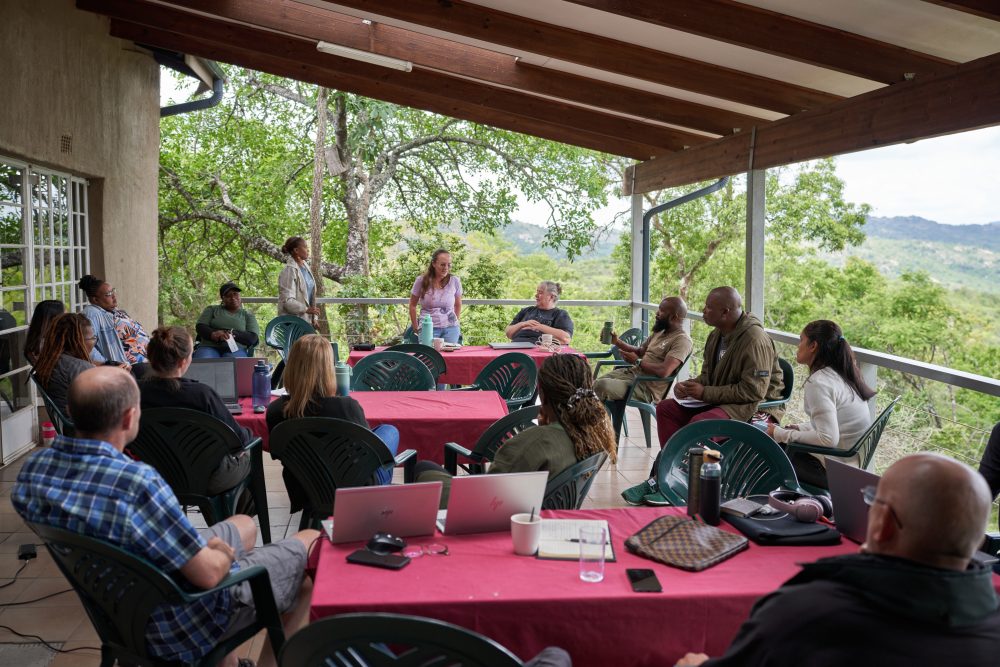
Discussion Session on Data Management
During the four-day workshop, a combination of focused working sessions supplemented with various activities such as walks in the Nature Reserve, sundowner drives to remarkable vistas, and fast-paced description games facilitated group cohesion. These moments of shared experience played an important role in strengthening the unity in the group and opening space for honest conversations about challenges, opportunities, and expectations. A fireside chat provided a platform for participants to reflect collectively on the different stories going forward.
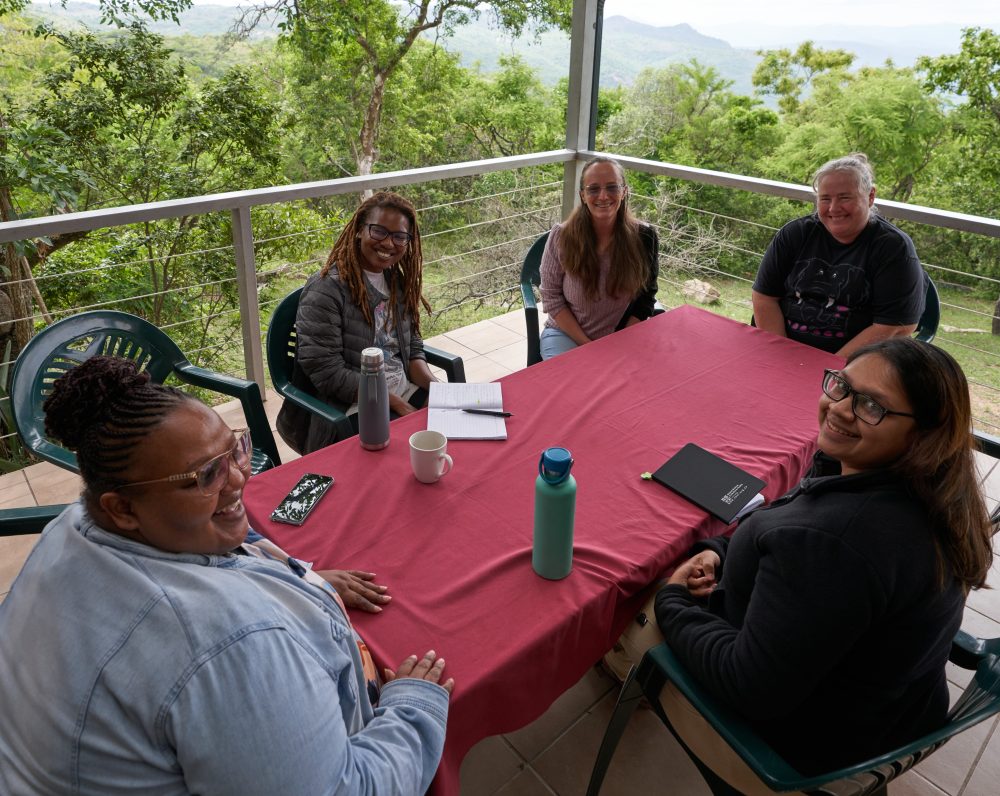
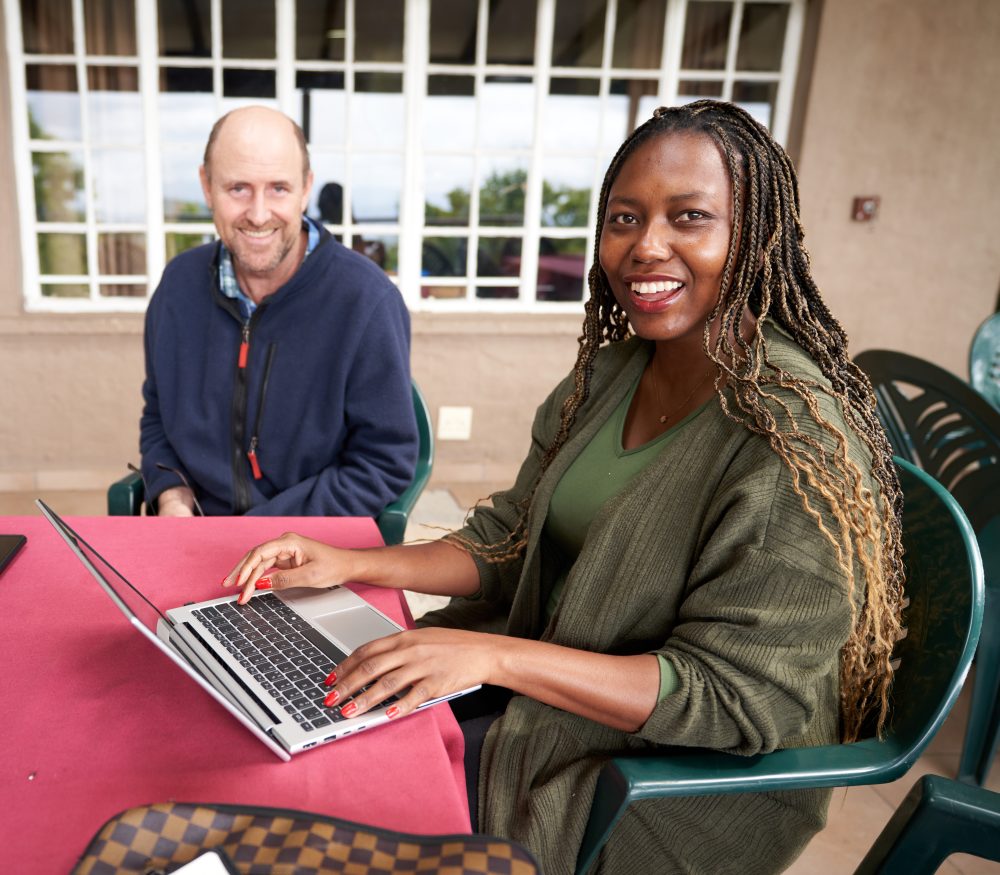
Colleagues hard at work
A key feature of the workshop was the exploration of different approaches to knowledge synthesis and the publication process. Discussions covered a range of formats, including systematic and narrative reviews, meta-analyses, multi-weight trade-off analyses, and more management-oriented synthesis products. This reinforced the understanding that the State of Knowledge is unlikely to be a single product but rather a suite of complementary outputs, each suited to different questions, audiences, and decision-making contexts.
The workshop also introduced participants to new tools and skills, including the effective use of AI-assisted tools and Excel macros for automation to extract, organise, and summarise large volumes of scientific literature. This significantly accelerated the review process and enabled the team to identify knowledge gaps, cross-reference findings, and draft initial report sections efficiently.
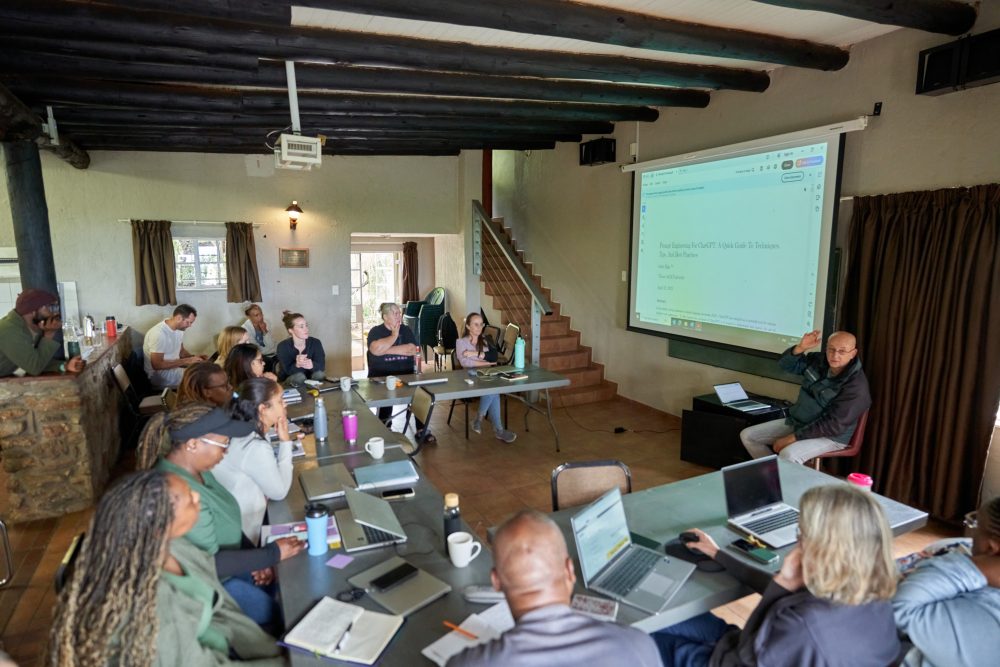
Session discussion on AI assisted tools
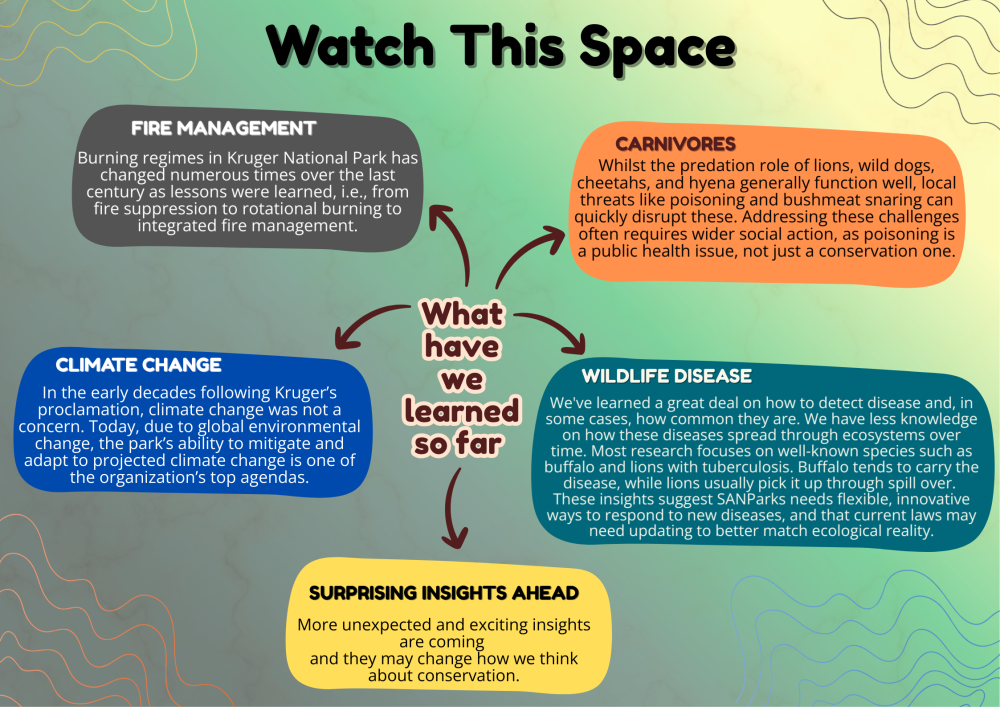
Overall, the workshop strengthened interdisciplinary collaboration, aligned the structure of the emerging state of knowledge report, and clarified the next steps for each thematic group. Report writing and refinement are ongoing, with teams expected to integrate additional data and expert input towards a narrative to align nicely with and complement the Kruger National Park’s 100-year anniversary in 2026.
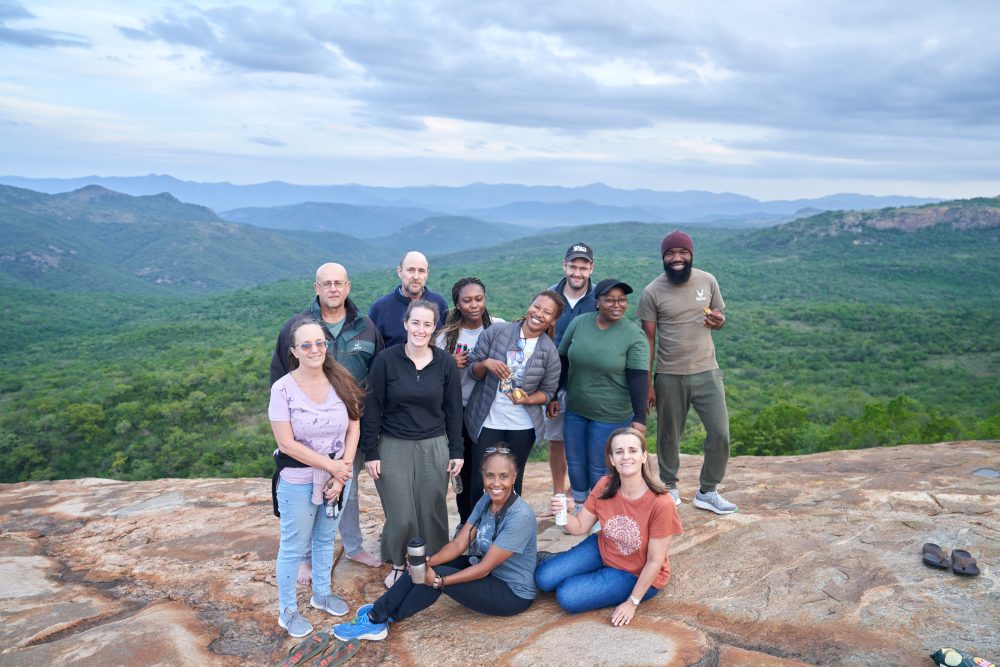
Colleagues enjoying a Sundowner at the end of a productive day