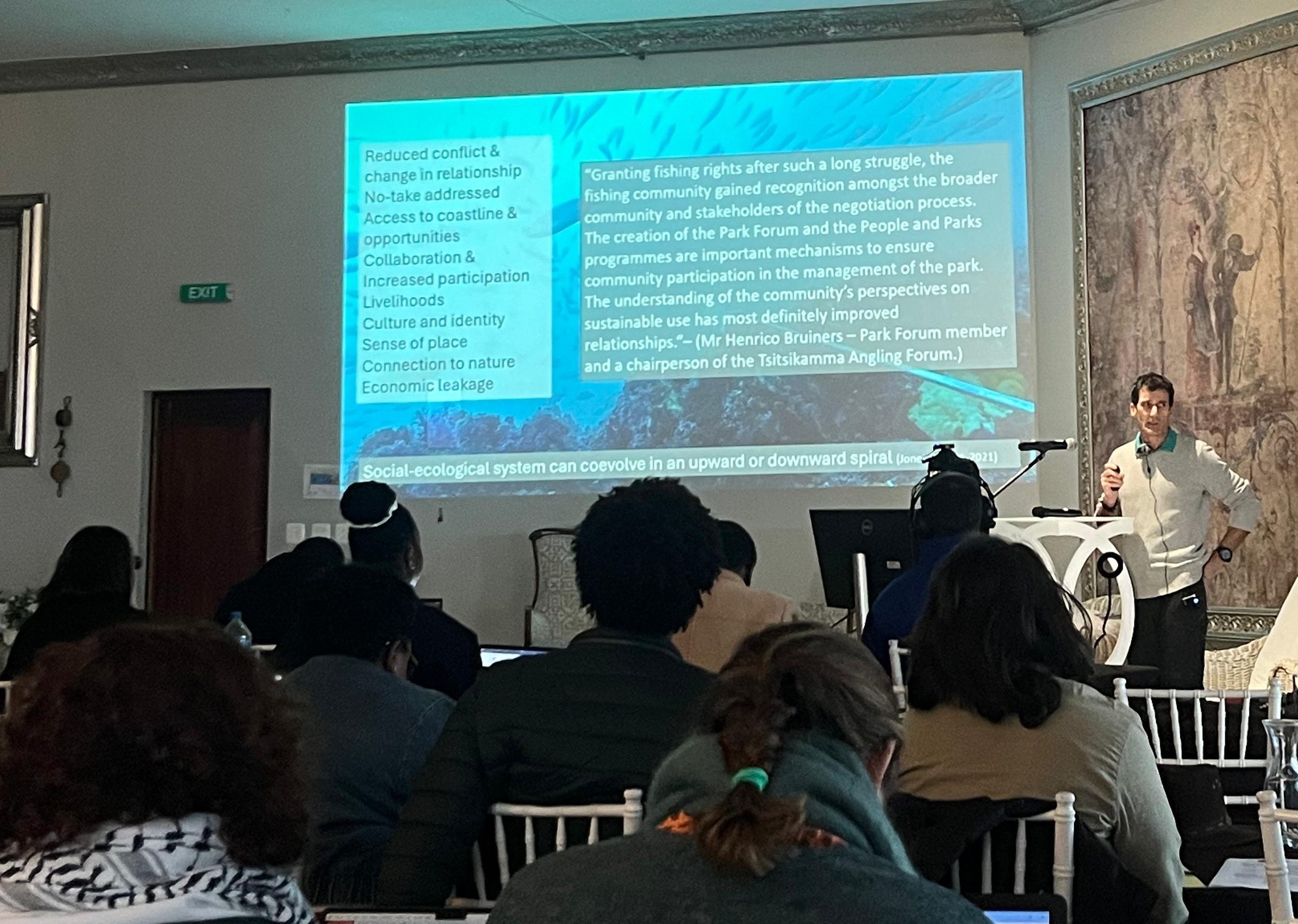
Global conservation experts convene in Garden Route for the 6th GRIN Symposium, 1-3 October 2024
The annual Garden Route Interface and Networking (GRIN) symposium again brought together a global mix of researchers and practitioners to share learnings and generate new insights on protected areas, inclusive conservation and sustainability. Held at Villa Castollini, between Knysna and Brenton-on-Sea, this is a partnership between SANParks, Nelson Mandela University’s Sustainability Research Unit, the French CNRS and international research laboratory REHABS, and the Southern African Programme on Ecosystem Change and Society.
Born out of a discussion among scientists a decade ago, GRIN has evolved into a thriving platform for conversation, collaboration and conservation. GRIN’s ethos is grounded in robust and honest deliberation for the well-being of interconnected social-ecological systems. A social-ecological systems approach values both people and nature while acknowledging that they have both positive and negative effects on one another. This aligns with SANParks’ recently launched Vision 2040, which envisions further integration of national parks into broader land- and sea-scapes through a ‘people and nature’ perspective on co-existence and equitable sharing of conservation benefits. Various presenters and discussions referred to the newly launched vision throughout the course of the meeting.
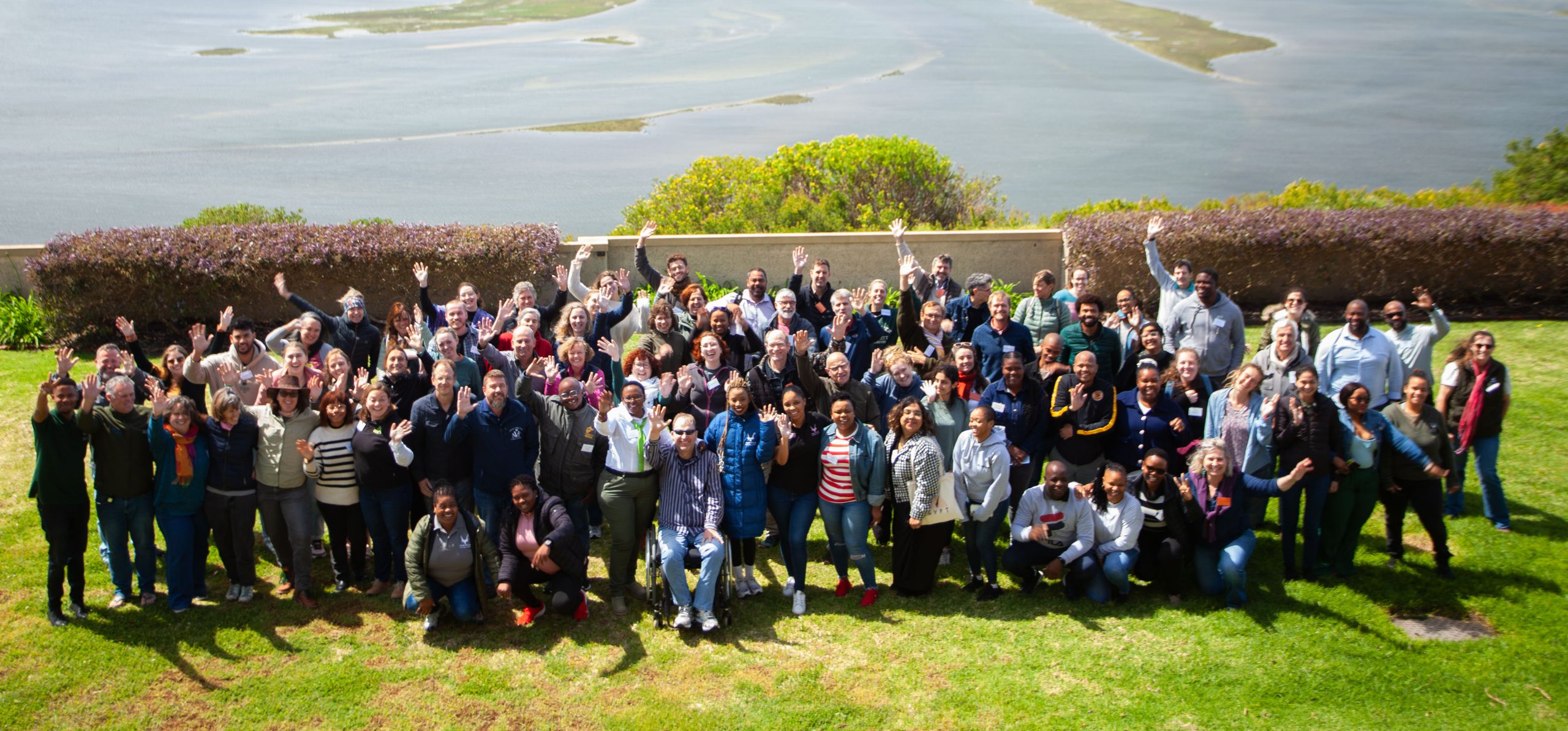
GRIN 2024 delegates meet in full view of Garden Route National Park’s Knysna Estuary.
GRIN serves as a ‘third space’ [1] where practitioners, scientists and professionals from diverse backgrounds can dialogue – exchange ideas, share research, and explore innovative solutions to pressing conservation issues. GRIN 2024 attracted 103 delegates, with approximately 40% of representation by SANParks (41 colleagues representing park management, socio-economic transformation, tourism, ranger corps, communications and scientific services, from diverse national parks in the Garden Route, Frontier and Cape clusters). The symposium featured 10 sessions, each followed by an extended and engaging discussion, with approximately 50 presentations and posters spanning a wide array of themes. These included climate change adaptation, human-wildlife coexistence, bridging the science-practice-policy interface, community and citizen engagement, and transformative conservation across landscapes, seascapes, and urban environments.
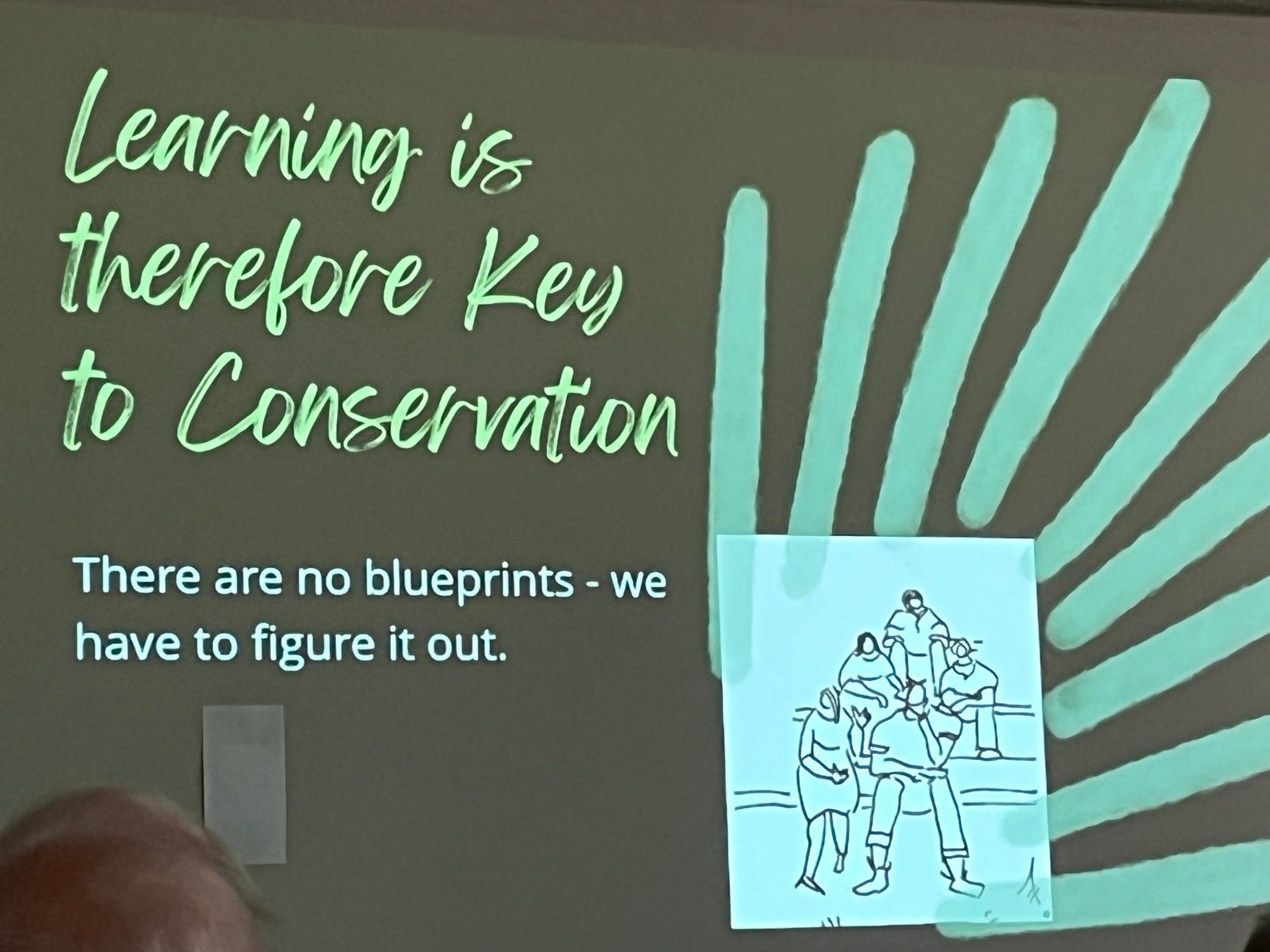
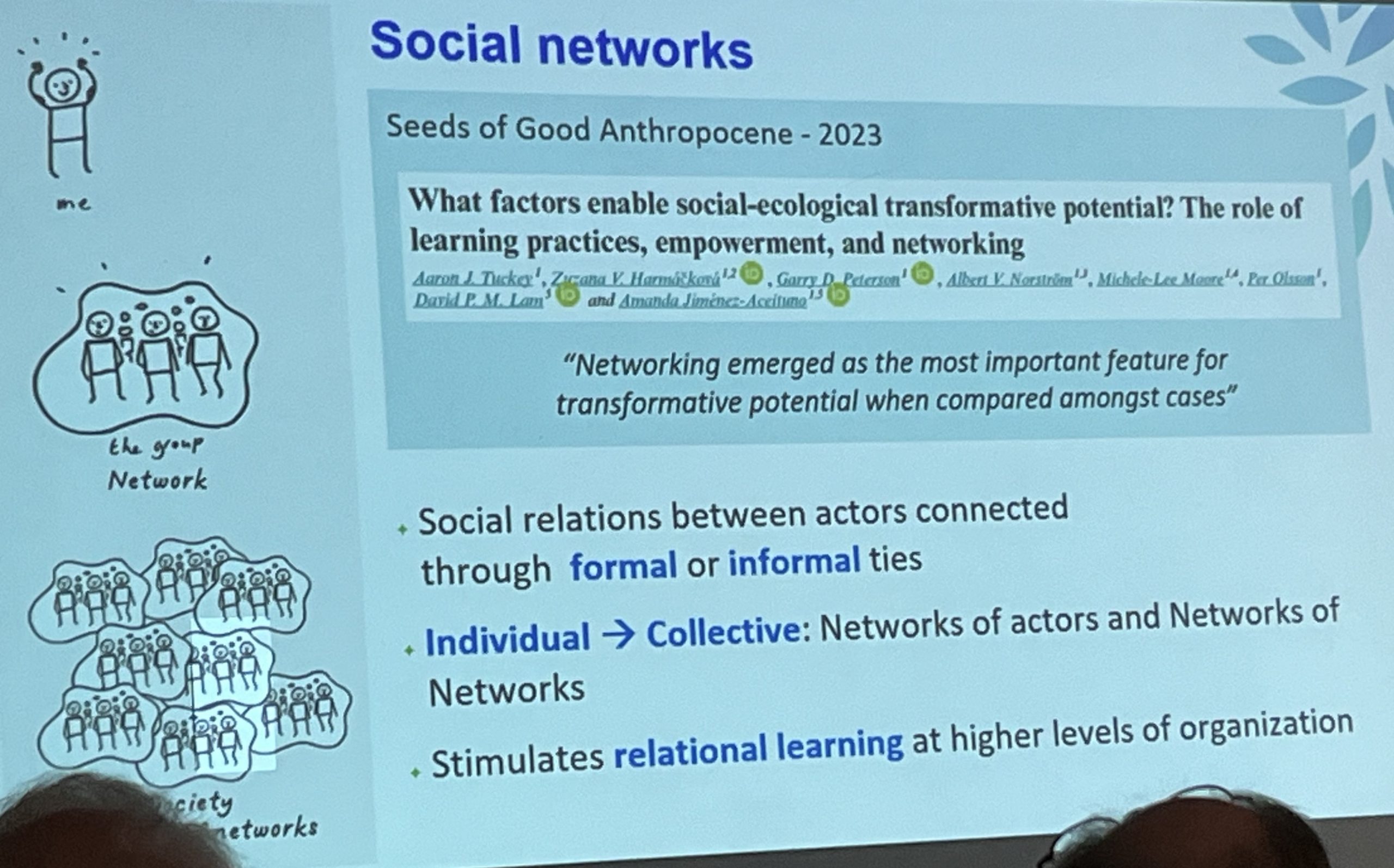
Furthermore, presentations, discussions and conversations addressed the intersection of nature and society, addressing topics such as nature-based tourism, the human-nature connection, and pathways towards equitable, resilient, and socially just conservation futures. Thought-provoking keynotes by Prof. Oonsie Biggs, Dr. Sharon Pollard, Prof. Joop de Kraker and Prof. Eureta Rosenberg interspersed the symposium and provided for deep engagement with complex topics. These and the diversity of talks and some posters stimulated discussions, fostering an atmosphere of collaboration, intellectual and experiential exchange.
Over and above the presentations and engaged discussion, highlights include the sundowner, presentation of the proposed launch of a new social-ecological society and conference dinner on the first evening. This enabled new and reconnection of relationships between members of this community of practice. The explicit space for robust dialogue sessions and buzzing tea breaks continued the spirit of collegial and energising discourse, harnessing participants’ collective energy to make a difference. As has become tradition, the mid-symposium field excursion created yet another dynamic and enjoyable space for experiential, social and relational learning.
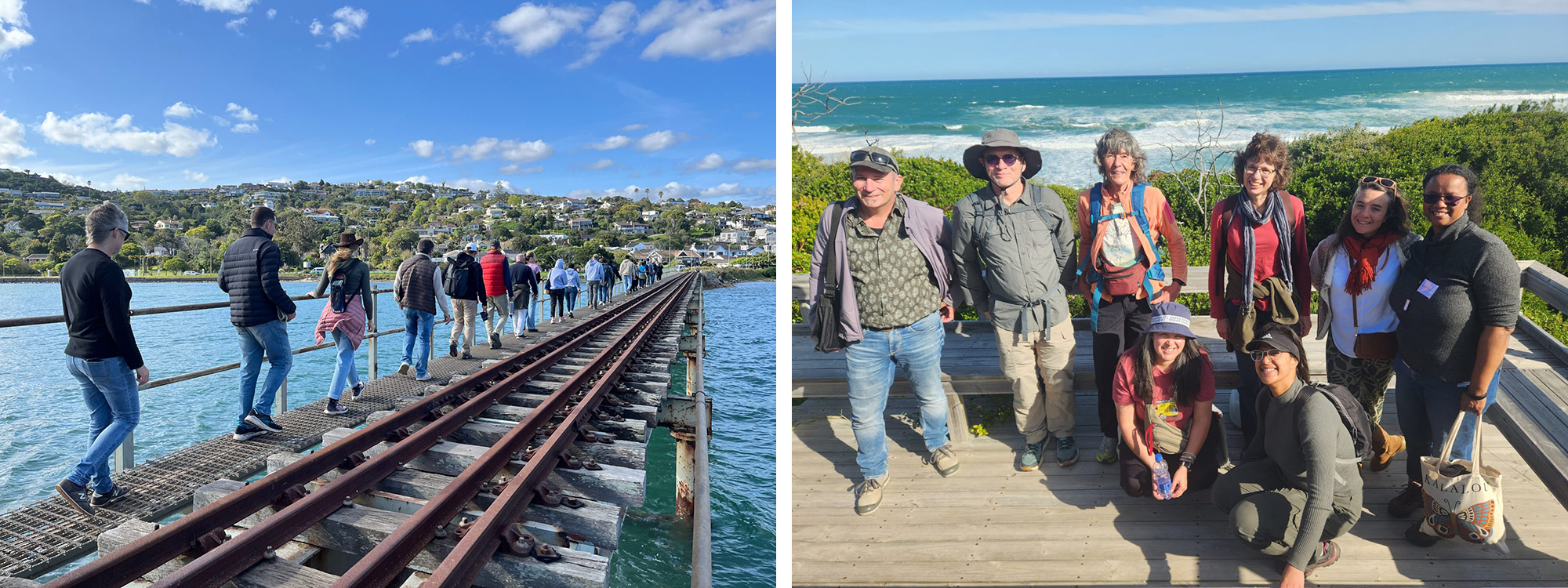
The much-anticipated afternoon field excursion this year either (i) ‘walked on water’ as delegates crossed the historic train bridge, built in 1928, over Knysna Estuary, or (ii) hiked to the ocean through threatened Knysna coastal sand fynbos. The excursions have become an institution and celebrated event, allowing informal, deeper and emergent networking and deliberation at the people-nature interface.
[1] In The Great Good Place (1989), Ray Oldenburg refers to ‘third places’ as social environments other than home (first place) and work (second place) where people spend time and build community. These places (e.g. parks, clubs and churches) provide neutral ground for engagement and relationship building, with conversation or dialogue being the main activity. The GRIN third place provides a neutral space for practitioners and scientists as well as social and natural scientists to engage on issues of common concern.


