Conservationists Need to Embrace Innovation to Adapt to Climate Change
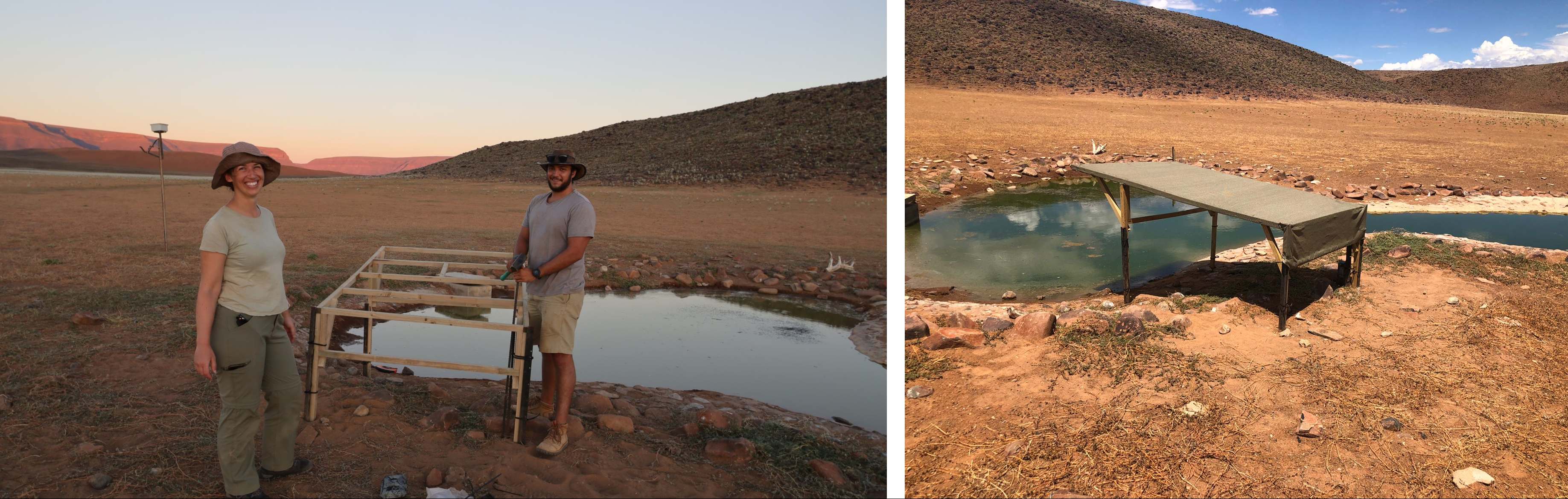
Conservation organizations and natural resource agencies will need to embrace new and more innovative approaches to protecting species and ecosystems in the face of the rapidly unfolding climate crisis. That finding is included in the newly released guide, “Innovation in Climate Adaptation: Harnessing the Power of Innovation for Effective Biodiversity and Ecosystem Adaptation.” To meet the growing challenges a rapidly warming world poses to both wildlife and people, institutions will need to centre climate adaptation in their policies and practices, and adopt more innovative and transformational conservation and adaptation approaches.
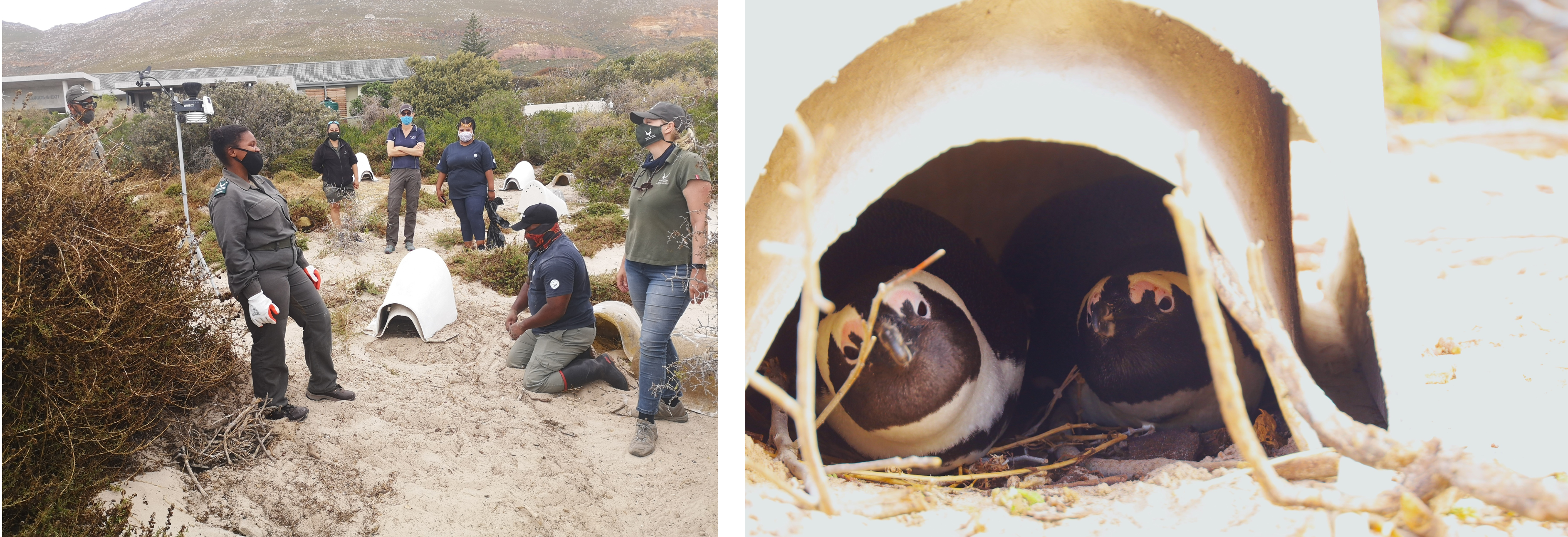
“Biodiversity, ecosystem services, and entire societies are increasingly threatened by climate extremes, novel environmental and ecological realizations, catastrophic events, and complex and poorly understood interactions. Although existing conservation practices, developed and refined over decades, centuries, and even millennia, remain necessary for addressing climate-change impacts, they are insufficient to meet rapidly emerging novel challenges,” according to the guide. “Many conventional approaches will become obsolete or require modification as climate change continues. As a result, successfully adapting to climate change will require rapid development and application of innovative practices, approaches, and policies.”
SANParks’ Specialist Scientist, Dr Wendy Foden, is a lead author of the guide, which was produced by The National Wildlife Federation in partnership with the U.S. Geological Survey Climate Adaptation Science Centre Network and the IUCN Species Survival Commission Climate Change Specialist Group. The guide draws on lessons and examples of innovation from other sectors, including business and technology.
“Climate change and the ecological shifts and unnatural disasters it fuels are rapidly altering the natural world — and at a much faster pace than anticipated just a few years ago. This landmark guide underscores not only the growing climate challenges facing the conservation community, but also the opportunity — and indeed imperative — to be more creative in crafting approaches for effective biodiversity conservations and climate adaptation,” said Bruce Stein, the report’s lead author and chief scientist emeritus at the National Wildlife Federation. “This roadmap cannot enact itself. Adapting to climate change at a scope and scale sufficient to avert catastrophic biodiversity losses will require that conservationists adopt an innovation mindset and institutions establish an innovation culture.”
“Climate change is taking conservation into new and unfamiliar territory, where conventional practices may no longer be effective. Innovative approaches need to be conceived, tested, and applied at scale,” said Dr Foden, who also Chairs the IUCN SSC Climate Change Specialist Group. “Conservation must rise to meet one of the greatest challenges of our time, and this report helps provide a road map.”