A journey for early-career researchers in Social-Ecological Systems Research
A course that brought together researchers from all corners of the globe meant uniting a rich tapestry of diverse backgrounds, each shaped by unique contexts, cultures, and histories. As we gathered to explore social-ecological systems (SES) challenges, this diversity became both our strength and our puzzle. The central question we faced was, “How can we, as a community, harness our varied perspectives to enhance our skills in SES methodologies for resilience and sustainability?”
From August 5-9, 2024, several early-career researchers attended a five-day course, an official side event of the PECS-3: Pathways to Sustainability conference in Canada. The course focused on research methods commonly used in studying social-ecological systems, with a particular emphasis on participatory and place-based approaches. Drawing on The Routledge Handbook of Research Methods for Social-Ecological Systems (open access: https://doi.org/10.4324/9781003021339), the program provided a learning-by-doing experience. The schedule was packed with lectures, structured dialogues, a collaborative group project, and time for recreation and reflection, ensuring that each participant was fully engaged throughout the experience. The course brought together researchers from South Africa, Germany, Mexico, Brazil, Canada, and Nigeria, to name a few. As early-career researchers, we sparked rich discussions that challenged conventional approaches to biodiversity research, pushing us to think beyond the boundaries of our own experiences.
The first few days were dedicated to understanding the nuances of transdisciplinary research. We explored the complexities of balancing multiple ways of knowing, navigating the tension between knowing too much, knowing too little, and acknowledging what we do not know at all. We learned that managing these knowledge gaps requires a thoughtful approach, especially when faced with the uncertainties that arise in real-world challenges around biodiversity management. Importantly, we discussed the value of soft skills such as respect, humility, openness, balancing methodologies, and collaboration, all of which are essential for effective transdisciplinary work.
During the last few days, we delved into the concept of “Futures Thinking” with the guide of Professor Reinette (Oonsie) Biggs, exploring how it can be applied to social-ecological systems research to support resilience and transformative processes. We were introduced to strategic foresight and scenarios as tools that help anticipate potential futures without predicting them. My highlight was the exploration of the “Seeds of a Good Anthropocene” process, which demonstrated how even small, positive initiatives from around the world can be seeds for transformative change, offering a hopeful perspective amidst global uncertainties. Additionally, we emphasized that strategic foresight requires not just an analysis of future possibilities but also a grounding in how the past and present dynamics shape our futures. This holistic approach helps ensure that our strategies are resilient and adaptable, prepared for whatever the future may hold.
Overall, the course was an enriching experience for both researchers and science. The collaborative environment fostered during those five days has already led to tangible outcomes. As an outcome of PECS-3, a virtual community of practice through a Slack channel is being created. This space will allow us to continue our conversations, share insights, and support one another as we navigate our research landscapes. This initiative will also contribute to the early-career section of the newly formed Society for Social-Ecological Systems (SocSES: https://socses.org/).
For those of us who attended PECS-3, this course was the perfect starting point. It set the tone for deeper engagement, a collaborative spirit, and forward-thinking discussions.
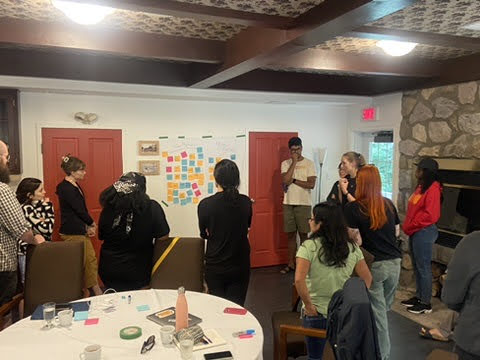
Group of researchers in one of the sessions discussing methodologies used in SES research.
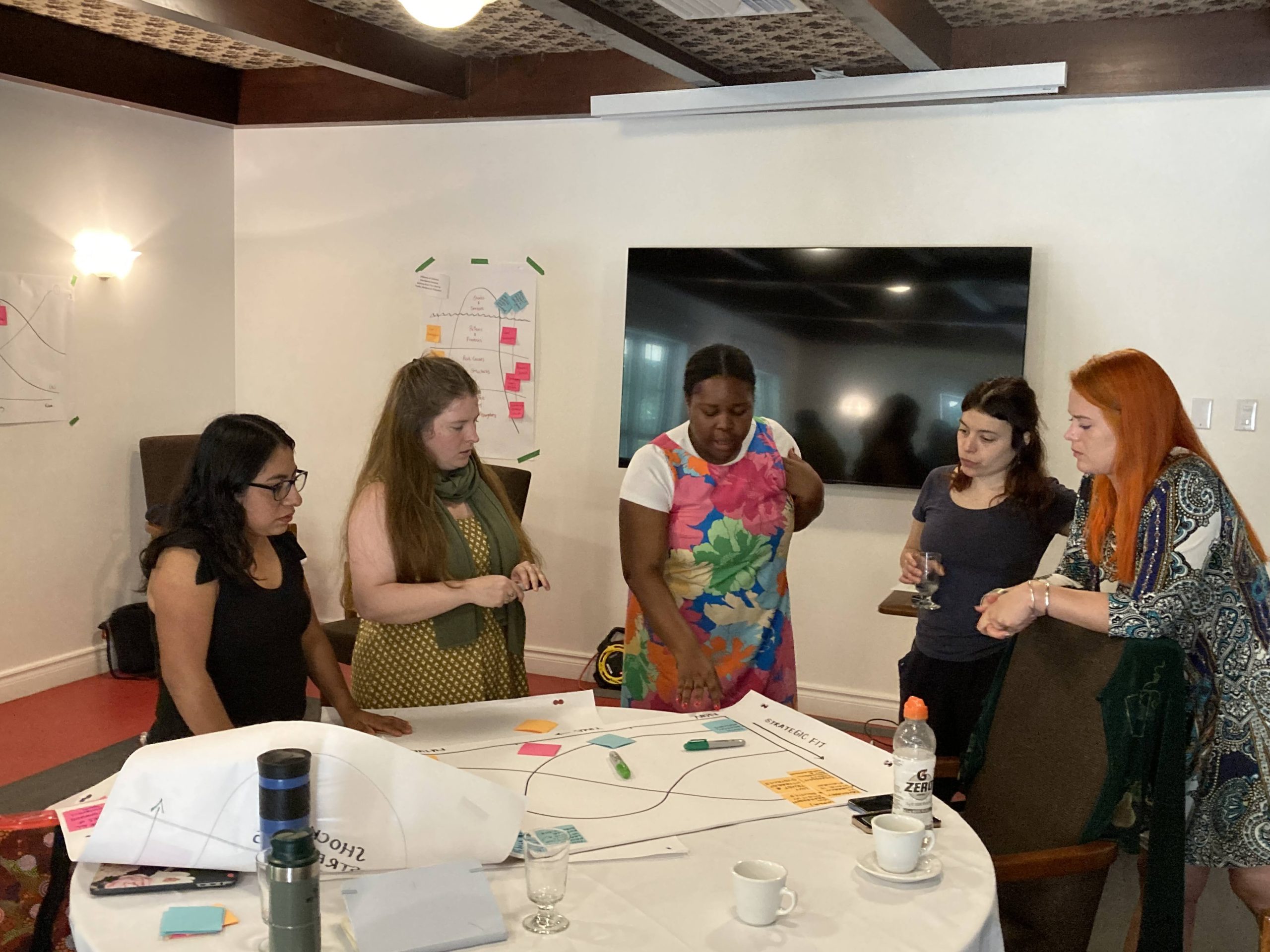
Nelsiwe Mpapane (middle) in a group discussion with other researchers.
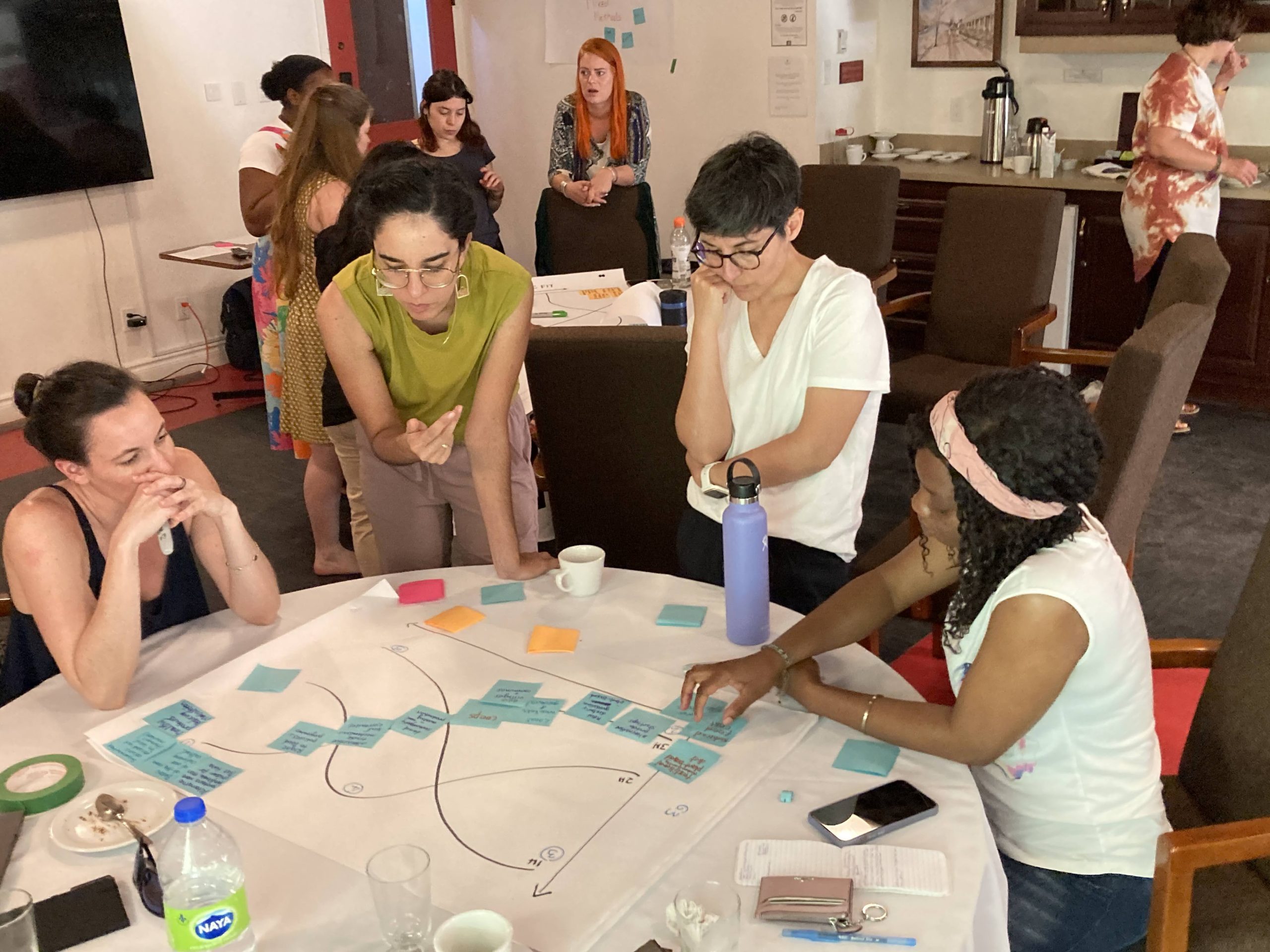
Different group discussions are in progress.

A group picture of the researchers who attended the course and coordinators.